

By the Editorial Sustainability Desk
Updated September 2026
Executive Overview
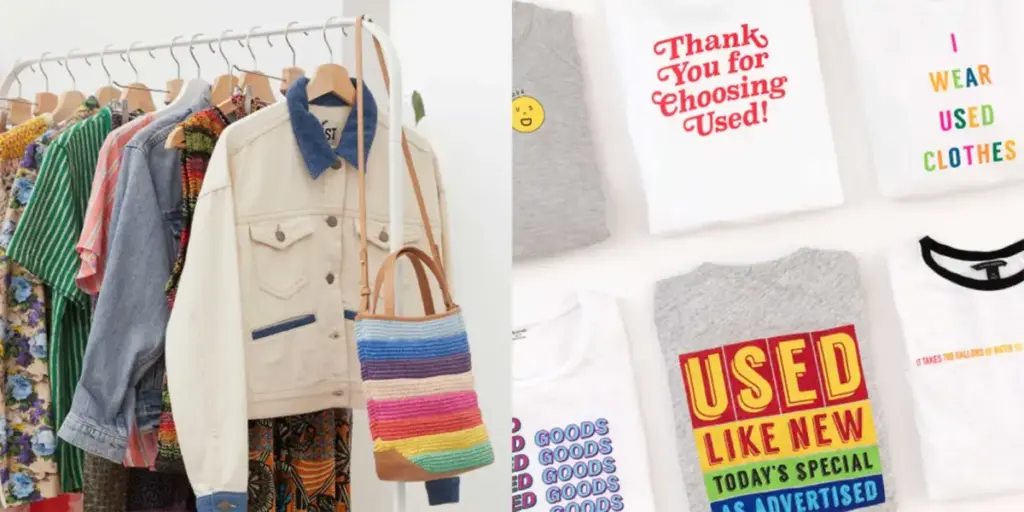
In an era dominated by the relentless churn of fast fashion giants, the global appetite for vintage, pre-loved, and secondhand apparel has evolved from a niche counter-cultural movement into a powerful mainstream economic force. For decades, modern consumers were conditioned to view clothing as disposable. Today, however, shopping secondhand is increasingly recognized for what it truly is: a high-stakes treasure hunt, an environmental imperative, and an economically savvy alternative to virgin manufacturing.
By bypassing the resource-intensive extraction, synthesis, and assembly phases of new apparel production, thrifting breathes a vital second life into unwanted garments. It curtails the staggering carbon and water footprints of the textile industry while offering shoppers an avenue for radical self-expression through unique, timeless pieces.
Recent market analytics underscore this tectonic shift in consumer behavior. A landmark 2025 study commissioned by the Circular Fashion Federation projected that the European secondhand fashion market alone will surge from €15.9 billion in 2024 to a staggering €26 billion by 2030. This expansion is further validated by Bain & Co.’s 2026 CEO’s Guide to Sustainability, which documents a continuous, year-on-year climb in consumers embedding sustainability habits into their daily routines—with apparel resale leading the charge.
Whether you are stepping into the pre-loved market for the very first time or you are a seasoned thrifter looking to optimize your digital and physical sourcing routes, this comprehensive guide explores the best online resale ecosystems, local directories, and pioneering sustainable brands leading the charge toward a fully circular fashion economy.
Detailed Chronology: From Charity Bins to the Digital Resale Boom
To understand how secondhand shopping became a multi-billion-dollar global juggernaut, it is essential to trace its evolution from localized charitable relief to sophisticated e-commerce networks.
- The Pre-Digital Era (Mid-to-Late 20th Century): For generations, secondhand shopping was primarily confined to physical brick-and-mortar storefronts: church-run charity shops, neighborhood op-shops, and weekend flea markets. While rich in discovery, finding specific sizes or luxury items required immense patience, physical endurance, and a willingness to sort through unorganized racks.
- The Dawn of Online Auctions (Late 1990s – Early 2000s): Platforms like eBay democratized peer-to-peer commerce, allowing individuals anywhere in the world to buy and sell used goods via bidding formats. While not exclusively dedicated to fashion, eBay laid the groundwork for digital trust and remote transactions.
- The Social Commerce & Peer-to-Peer Revolution (2010s): The proliferation of smartphones birthed dedicated social shopping apps. Platforms like Depop, Vinted, and Poshmark transformed reselling into a creative, youth-driven subculture. Fashion bloggers and everyday users alike could curate virtual storefronts, blending social media engagement with retail therapy.
- The Institutionalization of Luxury Resale (Mid-2010s – 2020s): As concerns over counterfeit goods and the lack of standardization grew, specialized luxury authentication platforms emerged. Companies like Vestiaire Collective and The RealReal introduced rigorous expert verification processes, giving high-net-worth consumers the confidence to buy and sell pre-loved designer collections securely.
- The Circular Brand Awakening (2020 – Present): Recognizing their responsibility for end-of-life product management, original equipment manufacturers (OEMs) began launching in-house resale and trade-in initiatives. Brands like Patagonia, JAN & N JUNE, and BEDI established dedicated circular pipelines, transforming used inventory into branded, verified pre-loved collections.
Supporting Context & Metrics: The Math Behind the Movement
The environmental toll of traditional garment manufacturing is staggering. According to industry data, the fashion sector accounts for roughly 8% to 10% of global carbon emissions—surpassing international flights and maritime shipping combined. Furthermore, textile production is notoriously water-intensive, requiring thousands of liters to manufacture a single pair of cotton jeans or a polyester synthetic shirt.
[Traditional Linear Model]
Extraction -> Production -> Retail -> Landfill (High Environmental Degradation)

[Circular Resale Model]
Production -> Retail -> Ownership -> Resale / Repair -> Extended Life (Reduced Footprint)
By participating in the resale economy, consumers directly intervene in this linear extraction model. Purchasing a pre-loved garment displaces the demand for a newly manufactured equivalent, effectively reducing the net resource expenditure of your wardrobe.
The economic metrics match this ecological urgency:
- €26 Billion by 2030: The projected valuation of Europe’s secondhand apparel market, according to the Circular Fashion Federation’s 2025 research.
- Consistent Growth: Bain & Co.’s 2026 sustainability tracking notes accelerated adoption rates across all major demographic cohorts, proving that thrifting has outgrown its historical stigma to become a badge of mindful consumerism.
The Ultimate Digital Thrifting Guide: Where to Buy Secondhand Online
Navigating the digital resale landscape requires knowing which platform aligns with your style, budget, and geographic location. Here is our curated directory of premier online secondhand destinations.
Global Luxury & Peer-to-Peer Marketplaces
- Vestiaire Collective
A premier peer-to-peer global platform dedicated to luxury and designer fashion. Every item purchased through Vestiaire Collective can undergo physical or digital authentication by expert evaluators to guarantee that the condition matches the seller’s description. - eBay
The pioneer of online auctions remains an unmatched goldmine for vintage clothing, rare collectibles, and streetwear. Its flexible bidding and "Buy It Now" formats give savvy shoppers a distinct advantage in securing items below market value. - Farfetch Pre-Owned
A high-end global gateway offering a meticulously curated catalog of pre-loved luxury pieces sourced from elite vintage boutiques around the world. - The RealReal
A massive luxury consignment giant that empowers buyers to extend the lifecycle of top-tier designer apparel, fine jewelry, watches, and home goods through guaranteed in-house authentication.
Inclusive & Eco-Focused Marketplaces
- Cerqular Resale
An ethical retail platform designed to make sustainable shopping accessible. Cerqular vets all participating sellers against rigorous criteria—requiring products to be certified organic, recycled, carbon-neutral, vegan, or circular—while prioritizing local business proximity to reduce shipping emissions. - Depop
A vibrant, social-first mobile app favored by Gen Z and independent stylists. Depop combines social networking mechanics with clothing resale, making it the go-to destination for vintage streetwear, Y2K aesthetics, and unique handmade transformations. - Vinted
Boasting an enormous global community of over 25 million active members, Vinted is a fee-free-for-buyers peer-to-peer marketplace spanning thousands of high-street and mid-tier brands. - Poshmark (US and Canada only)
A social commerce powerhouse where users can buy and sell apparel, footwear, and accessories within an interactive, community-driven marketplace featuring virtual "parties" and direct closet sharing.
Regional Platforms & Tech Innovations
- Thrift+ (UK only)
A brilliant social enterprise that simplifies charity donations. Thrift+ processes donated garments, lists them online, and splits the net profits equally between the original owner and a nominated charitable cause. - Reluv (Australia only)
One of Australia’s largest dedicated online retailers of pre-loved clothing and accessories, offering everything from brand-new-with-tags items to gently worn wardrobe essentials across an inclusive size range. - Zalando Pre-Owned (Select European Markets)
Integrating seamlessly into the existing Zalando e-commerce experience, this service brings verified pre-owned apparel to shoppers across Spain, Germany, Poland, France, Belgium, and the Netherlands. - AirRobe
A technological innovator tackling textile waste at the point of purchase. AirRobe allows online shoppers to save product metadata directly from partner retail sites into a digital wardrobe, enabling effortless resale down the line without repetitive administrative listing work. - Retykle
The premier digital destination for pre-loved children’s wear and maternity apparel. Because children outgrow clothing at an astonishing rate, Retykle provides a practical, high-quality circular loop for families.
Secondhand Store Directories: Finding Treasure IRL (In Real Life)
While digital convenience is unmatched, nothing replicates the tactile thrill of scouring physical racks for hidden gems. If you prefer shopping in person, consult these comprehensive directories and search frameworks:
- Thrift Stores In London: A localized guide curated by Thrifty Londoner for navigating the UK capital’s best vintage and charity boutiques.
- Australian OpShop Listing & Opshops.co: Detailed directories mapping community-driven op-shops across Australia and New Zealand.
- The Thrift Shopper: A comprehensive US directory listing exclusively charity-driven thrift stores, ensuring your purchases directly fund community outreach and social welfare.
- The Best Places to Thrift: An international guide covering top-rated thrift stores across the US, Canada, Europe, and Oceania, complete with expert advice on physical thrifting strategies.
- Google Maps Pro-Tip: Never underestimate the power of local search. Open Google Maps and input terms like "charity store," "thrift shop," "op shop," or "vintage boutique" based on your region. Always read through user reviews; the active community of local thrifters on Google Maps frequently leaves invaluable notes regarding pricing structures, inventory turnover speed, and hidden sections.
Brand-Led Circularity: ‘Good’ and ‘Great’ Labels Offering Secondhand Collections
Forward-thinking fashion houses are increasingly taking responsibility for the complete lifecycle of their garments. Here are several brands rated "Good" or "Great" by rigorous assessment systems that have established official take-back and resale pipelines:
Patagonia
As a recognized pioneer in sustainable enterprise, Patagonia champions circularity through its Worn Wear program (available to US customers). Shoppers can purchase verified used, professionally repaired, or entirely recrafted garments. As Patagonia famously notes: "The best thing we can do for the planet is cut down on consumption and get more use out of stuff we already own."
JAN & N JUNE
Hailing from Hamburg, this minimalist, fair-fashion label was founded by female entrepreneurs committed to transparency and affordability. In 2022, the brand launched Newish, its dedicated second-hand platform offering stylish garments across sizes XS–XL.
O My Bag
Specializing in vintage-inspired leather bags crafted from lower-impact, premium materials using non-toxic dyes, this Dutch label extends product longevity through its Second Chances initiative, which features gently used and aesthetic-imperfect items.
BEDI
Canadian outerwear and accessory brand BEDI constructs durable pieces using innovative upcycled materials, including discarded airline seat leather, reclaimed fishing nets, and vegan cactus leather. Through its Second Life program (sizes XS–XL), customers can return used BEDI items in exchange for a 25% discount on future purchases while the brand reconditions and resells the gear.
tentree
Renowned for planting ten trees for every item purchased (surpassing 65 million trees to date), Canadian brand tentree utilizes recycled and lower-impact materials. Its dedicated resale platform, The Reshop, encourages active recycling, reselling, and even allows customers to request specific items they are hunting for.
HYER GOODS
Based in New York, HYER GOODS upcycles industrial leather scraps and manufacturing waste into premium handbags, wallets, and accessories, dramatically lowering greenhouse gas emissions. Pre-loved items are made available via the (RE)HYER GOODS initiative.
Mightly
Offering GOTS-certified organic cotton and Fair Trade Certified children’s apparel, Mighty extends product life cycles through its Lightly Loved initiative, which carefully inspects and authenticates pre-owned kids’ clothing for resale.
Official Statements & Industry Insights
Commenting on the structural transformation of the apparel sector, retail analysts emphasize that secondary markets are no longer a temporary trend.
"The mainstreaming of secondhand fashion represents a fundamental realignment of consumer values," notes a senior circular economy researcher. "When major financial institutions and luxury conglomerates simultaneously invest in resale infrastructure, it signals that durability, traceability, and circularity are the new non-negotiable pillars of brand equity."
Furthermore, sustainability frameworks increasingly point to individual wardrobe optimization as the most effective micro-action an ordinary consumer can take. By doubling the active life of a garment from one year to two years, its carbon footprint is reduced by an estimated 44%.
Future Outlook: The Horizon of Circular Fashion
Looking ahead toward 2030 and beyond, the intersection of technology and fashion resale promises even greater transparency and ease. Innovations such as digital product passports (DPPs)—embedded microchips or QR codes stitched into garments—will soon allow consumers to scan any clothing item to instantly view its material composition, manufacturing origin, supply chain ethics, and direct resale valuation.
As legislative bodies in Europe and North America begin implementing Extended Producer Responsibility (EPR) laws, fashion brands will be held financially and legally accountable for the end-of-life disposal of their merchandise. This regulatory pressure will force fast-fashion companies to slow production and incentivize brands of all sizes to integrate robust resale and repair ecosystems into their core business models.
For the conscious shopper, the message is clear: the future of fashion is circular. Whether you are listing your pre-loved closet staples via digital apps, discovering vintage treasures in local thrift shops, or supporting transparent brands pioneering take-back programs, every secondhand purchase is a vote for a cleaner, more equitable world.
Happy thrifting!



