Executive Overview
The opening weeks of August mark a critical juncture for our planet’s hydrosphere and scientific infrastructure. Recent discoveries spanning paleontology, marine biology, and climatology paint a sobering picture of an ocean under siege, while simultaneously revealing the breathtaking resilience and deep evolutionary history of marine life. From prehistoric oceans ruled by 19-metre giant octopuses to modern waters suffering from accelerated global heating, the state of the world’s seas demands unprecedented international resolve.
At the same time, conservation and fisheries sectors face unprecedented friction. Drifting tuna gear continues to compromise over half of the globe’s marine protected areas (MPAs), Japan’s Pacific sardine fishery has collapsed following the failure of eastern Hokkaido spawning grounds, and localized disasters—such as severe oil spills threatening penguins in Tristan da Cunha and mass fish die-offs in England’s River Wensum—highlight the fragility of modern aquatic habitats. Compounding these ecological challenges, institutional threats are emerging: warning lights are flashing over science funding cuts in the United Kingdom, which analysts warn could permanently erode Britain’s global leadership in marine and environmental research.
This report delivers a comprehensive investigative synthesis of these unfolding events, structured across a detailed chronology, core ecological metrics, political repercussions, and a forward-looking assessment of global conservation strategies.
Detailed Chronology of Recent Events
Prehistoric Dominance and Cellular Marvels
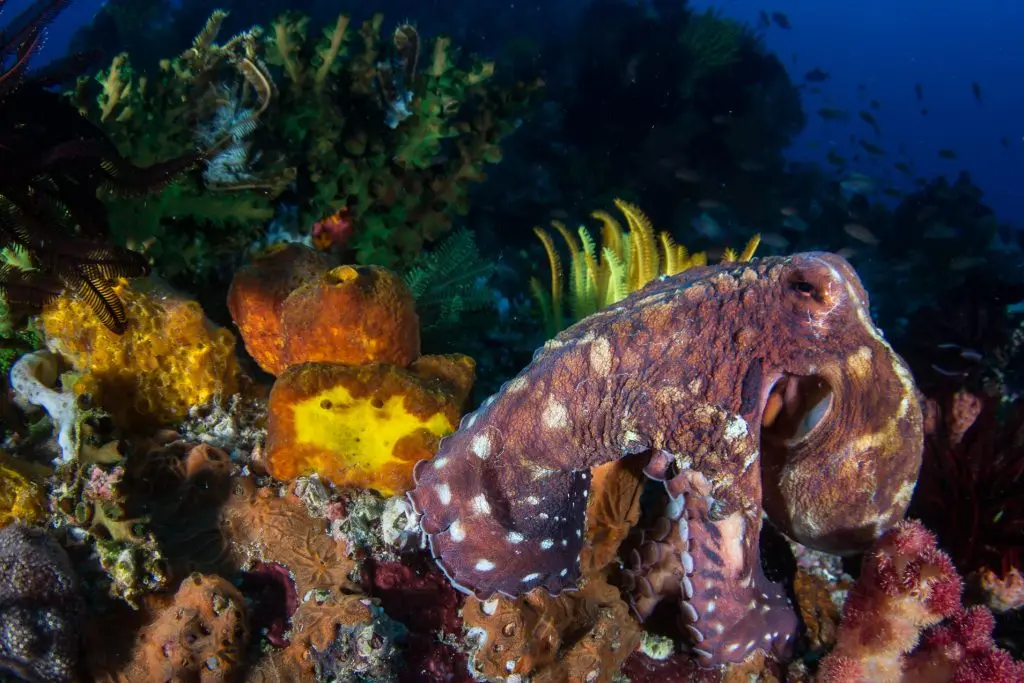
- Late Cretaceous Apex Predators: Paleontological researchers publishing in early August 2026 revealed that ancient oceans were ruled not solely by marine reptiles, but by colossal cephalopods. Evidence indicates that giant octopuses, reaching astonishing lengths of up to 19 metres, occupied the very pinnacle of the marine food chain during the Late Cretaceous epoch.
- The Secrets of Immortality: Biologists studying the regenerative life-cycle-reversing jellyfish unlocked new insights into cellular renewal and longevity, pointing the way toward groundbreaking biomedical applications rooted in marine organism research.
- The UK Funding Crisis: Science policy analysts issued sharp warnings that dwindling public investment in British research infrastructure risks severely dampening the UK’s global scientific standing, threatening cross-border partnerships vital for tackling climate and ocean crises.
Fisheries, Industrial Pressures, and Management Crises
- The MPA Infiltration: Global monitoring studies revealed that drifting tuna fishing devices—often referred to as fish aggregating devices (FADs)—routinely penetrate more than 50 per cent of the world’s designated marine protected areas, directly threatening vulnerable pelagic wildlife.
- Persistent Shark Finning: A comprehensive worldwide analysis published in July and August underscored that the illegal removal of shark fins continues to exert catastrophic pressure on global shark populations, exposing severe enforcement gaps in international high-seas governance.
- The Sardine Collapse: In the Northwest Pacific, Japan’s vital sardine fishery suffered an unprecedented collapse as expected stocks failed to materialize in the eastern Hokkaido grounds, sending shockwaves through coastal economies and regional food webs.
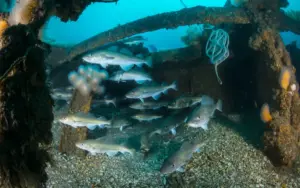
- Ghost Gear Cleanups: In Northern Europe, Norway scaled up its coastal cleanup initiatives to retrieve abandoned, lost, or discarded fishing gear—known colloquially as "ghost gear"—which continues to trap and kill marine life indiscriminately.
Overseas Territories, Local Resistance, and Remote Ecosystems
- Tristan da Cunha Oil Crisis: Emergency response teams mobilized in the remote UK Overseas Territory of Tristan da Cunha following a severe oil spill, racing against time to rescue and rehabilitate vulnerable penguin colonies coated in toxic hydrocarbons.
- Bermudian Counter-Proposals: Tensions surrounding marine spatial planning surfaced in the Atlantic as Bermuda’s active fishing community formally submitted a detailed counter-proposal to the Bermuda Ocean Prosperity Programme (BOPP), calling for balanced access.
- Falkland Aquaculture Feasibility: Canadian consultants completed feasibility assessments regarding the establishment of a commercial salmon aquaculture industry in the Falkland Islands, igniting fierce local debates over biosecurity and environmental integrity.
- Antarctic Tourism Surge: The remote Weddell Sea witnessed an influx of polar expeditions, raising urgent regulatory questions about how to manage the booming frontier of Antarctic tourism without degrading fragile benthic and ice-edge ecosystems.
- The Chagos Archipelago Threat: Researchers studying the Chagos Archipelago uncovered a devastating ecological cascade: invasive rats have decimated local seabird populations, halting the critical transfer of marine-derived nutrients from land to sea and fundamentally altering the health of surrounding coral reefs.
Climate Shocks and Freshwater Degradation
- Turkish Agricultural Pollution: Farmers in Turkey voiced despair over imported plastic waste from the United Kingdom, reporting that microplastics and heavy litter are poisoning agricultural soils, choking local drainage systems, and threatening rural livelihoods.
- Accelerating Global Warming: Climate scientists confirmed that global warming has measurably accelerated over the past decade, with surface and ocean temperatures rising at a significantly faster rate than historical projections. This thermal spike is placing great white sharks under severe physiological stress due to their specialized high-energy demands.
- The English Water Crisis: Independent environmental audits revealed that England is buckling under worsening drought conditions, while every single assessed freshwater body in the country now contains measurable traces of toxic chemical pollution.
- River Wensum Fish Kill: Extreme summer heatwaves combined with agricultural runoff to deplete oxygen levels in Norwich’s River Wensum, resulting in a devastating fish kill that left hundreds of specimens dead along the banks.
Supporting Context & Metrics
To fully appreciate the scope of these developments, one must examine the quantitative metrics underlying the 2026 environmental landscape:
- 19 Metres: The maximum estimated length of ancient giant octopuses that dominated the Late Cretaceous food webs, rewriting our understanding of prehistoric marine ecosystems.
- 50 Percent: The proportion of global Marine Protected Areas (MPAs) currently breached or impacted by drifting industrial tuna fishing gear and FADs.
- 100 Percent: The distressing percentage of assessed waterways in England currently contaminated with synthetic chemical pollutants.
- 400 Years: The duration of a historic Scottish seabird hunting tradition that was officially suspended for the first time in recorded history due to plunging bird populations.
- 1 Decade: The timeframe over which climate researchers have recorded a marked acceleration in global heating trends, directly threatening ectothermic and high-metabolism marine species.
Official Statements and Expert Perspectives
The convergence of multiple environmental crises has elicited sharp rebukes and urgent calls to action from scientists, policy makers, and local stakeholders alike.
Reflecting on the deteriorating state of seasonal weather patterns and systemic environmental degradation, environmental commentators noted:
“We launched a war on nature. Now we are in a climate war zone.”
Agricultural communities bearing the brunt of international waste management failures expressed profound frustration over institutional apathy. Turkish farmers grappling with the influx of UK plastic waste lamented that “nobody cares” as microplastics infiltrate their soils and irrigation channels, threatening the agrarian foundations of local economies.
Meanwhile, marine scientists studying pelagic apex predators have emphasized that rising ocean temperatures are pushing species like great white sharks to their biological limits. With high metabolic rates and specialized thermal windows, these sharks face an invisible "thermal squeeze" that restricts their foraging grounds and hunting efficiency.
On the policy front, conservation advocates have strongly condemned proposed cuts to British science funding. Analysts argue that diminishing public investment in research infrastructure will not only undermine the UK’s domestic capabilities but will also weaken international coalitions working to establish high seas treaties and enforce biodiversity targets.
Future Outlook: Navigating the Marine Horizon
As the global community looks toward the remainder of the decade, the trajectory of marine and terrestrial conservation hangs in the balance. The cascading crises witnessed in August 2026—ranging from collapsing sardine stocks in Japan and toxic chemical saturation in English rivers to the degradation of coral reefs via rat-infested islands—illustrate that environmental systems are deeply interconnected.
Addressing these challenges will require a paradigm shift in environmental governance:
- Strengthening High-Seas Enforcement: International bodies must close regulatory loopholes that allow drifting tuna gear to infiltrate Marine Protected Areas with impunity.
- Combating Transboundary Waste: Industrialized nations must take absolute accountability for their plastic waste streams, halting the exploitative export of refuse to developing agricultural nations.
- Protecting Polar and Remote Refugia: As polar tourism expands into regions like the Weddell Sea and industrial pressures threaten biodiversity hotspots like Raja Ampat, proactive zoning and precautionary management must take precedence over short-term economic exploitation.
- Reinvesting in Scientific Resilience: Governments must recognize that robust, well-funded scientific research is not a discretionary luxury, but the foundational bedrock upon which all effective conservation and climate mitigation strategies rely.
Only through decisive, coordinated global action can humanity hope to stabilize warming trends, restore degraded aquatic habitats, and preserve the magnificent biodiversity of our ancient and enduring oceans.