The transformation of Europe’s automotive landscape has officially shifted into an aggressive new gear. Fresh data released by analytics firms New Automotive and E-Mobility Europe reveals a staggering 51% year-over-year surge in battery-electric vehicle (BEV) registrations across 14 key European Union and European Free Trade Association (EFTA) markets for March 2026. This monumental leap culminated in more than 224,000 newly registered EVs in a single month, capturing a robust 22% market share of all new car sales across these monitored territories, and roughly 21.2% specifically within the EU.
For the first quarter of 2026 as a whole, European countries crossed a major milestone by registering over 500,000 new EVs—representing an impressive 33.5% increase compared to the same period in 2025. While climate targets, tighter carbon emissions regulations, and falling battery costs have long been cited as the primary catalysts for electric vehicle adoption, market analysts point to an increasingly dominant driving force: energy security.
Amid mounting geopolitical friction and escalating conflicts in the Middle East, Europe’s historic vulnerability to imported petroleum has returned to the forefront of political and economic discourse. Consumers, commercial fleets, and policymakers are no longer viewing the transition to electric mobility merely as an environmental choice or a long-term economic investment. Instead, zero-emission transport is rapidly being reframed as a vital pillar of national and continental defense, insulating economies from volatile global oil markets and securing domestic energy independence.
Detailed Chronology: The Road to the March 2026 Spike
To understand the magnitude of the March 2026 sales explosion, it is necessary to examine the trajectory of the European EV market over the preceding eighteen months, which set the stage for this unprecedented breakout.
Late 2025: Navigating Policy Shifts and Market Correction
As 2025 drew to a close, the European electric vehicle market was experiencing a complex phase of adaptation. Major markets like Germany were reeling from the abrupt phase-out of federal purchase subsidies implemented late in previous years, which caused a temporary cooling effect. Meanwhile, countries like Italy and Poland lagged behind Western European adoption rates, hovering at single-digit market shares due to inadequate public charging infrastructure and higher upfront retail costs for consumers.
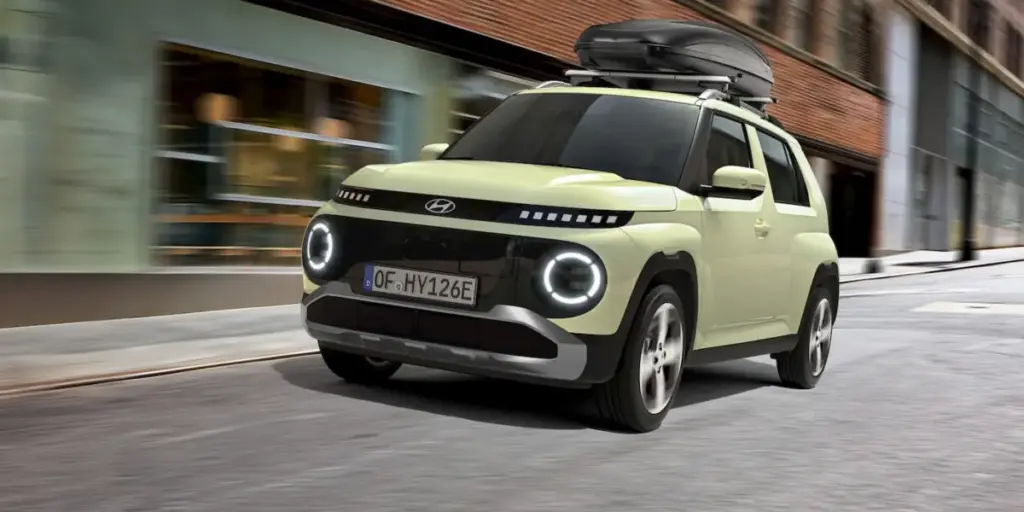
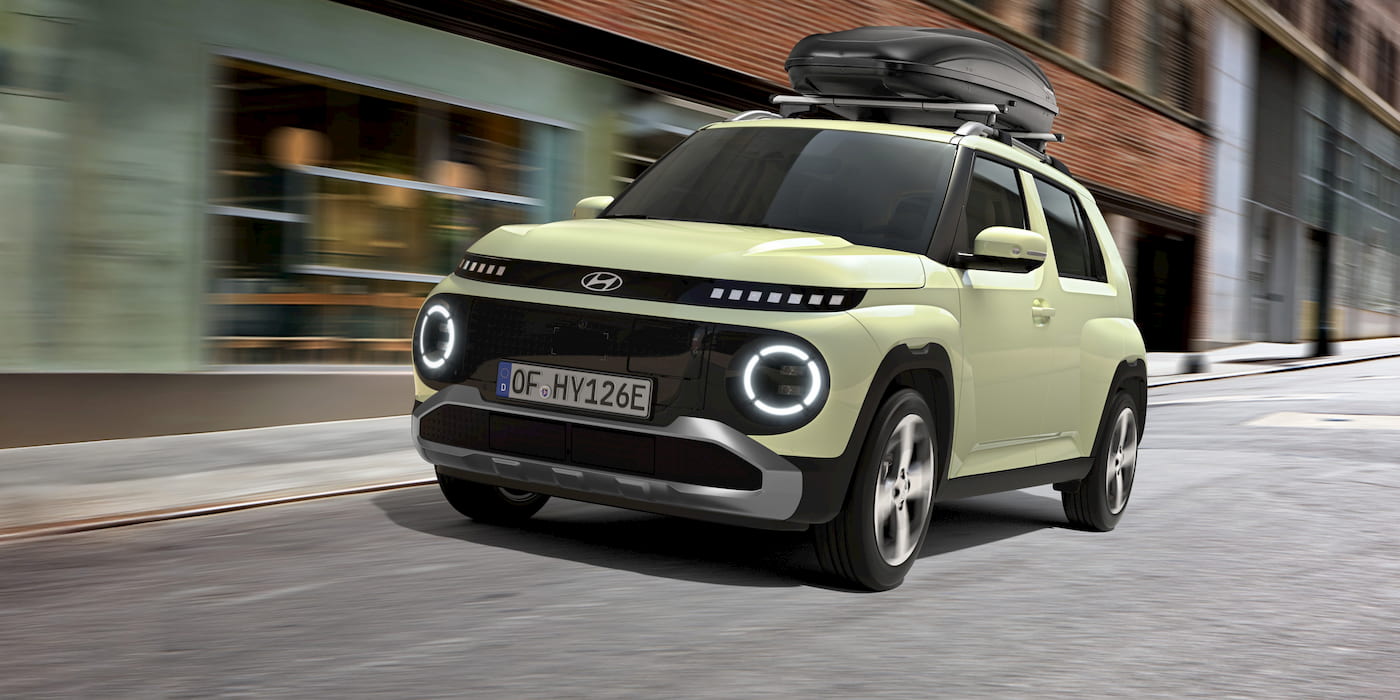
However, beneath the surface of these localized slowdowns, automotive manufacturers were aggressively recalibrating. The introduction of cheaper, sub-€25,000 models—such as the Hyundai Inster and various competing entry-level urban crossovers—began to reshape consumer accessibility.
January and February 2026: Early Signs of Momentum
Entering 2026, market corrections took hold. Germany began experiencing a robust recovery following the introduction of restructured, targeted regional incentives aimed at commercial fleets and private buyers alike. Simultaneously, France’s innovative social leasing scheme—which allowed low-income households to lease EVs for nominal monthly fees—continued to pump high volumes of zero-emission vehicles onto the road.
By the end of February, cumulative year-to-date figures indicated that the market was stabilizing far faster than industry skeptics had predicted. Yet, no one was fully prepared for the geopolitical and market convergence that materialized in March.
March 2026: The Geopolitical Catalyst and Sales Explosion
In March 2026, escalating military and trade tensions in the Middle East sent shockwaves through global energy markets, spiking crude oil prices and injecting profound uncertainty into traditional fuel supplies. European consumers and corporate fleet managers reacted swiftly to the looming threat of pump-price inflation and fuel rationing fears.
The resulting behavioral shift was immediate. Showrooms across major European economies reported a massive influx of buyers pivoting away from internal combustion engine (ICE) vehicles. March registrations shattered previous seasonal records, yielding a 51% year-over-year expansion and cementing Q1 2026 as the most aggressive growth quarter in the history of Europe’s green transition.
Supporting Context & Metrics: A Pan-European Phenomenon
What distinguishes the March 2026 surge from previous temporary spikes is its broad-based, cross-continental nature. This was not a localized anomaly driven by a single outlier nation; rather, accelerating adoption rates were recorded across every major European economy.
The Big Five Economies Lead the Charge
Europe’s five largest economic powerhouses—Germany, France, Spain, Italy, and Poland—all posted year-to-date BEV growth rates exceeding 40%.
Germany: Following its 2025 policy adjustments, the German market roared back to life. Approximately one out of every four new cars registered in the country during March was fully electric, contributing to a stellar 42% year-to-date increase.
France: Maintaining its crown as a leader among large European markets, France reported that EVs accounted for a commanding 28% of total car sales in March. Buoyed by the government’s social leasing program, France’s year-to-date EV growth approached the 50% threshold.
Italy: Long considered a laggard in the European EV race with a stagnant market share of roughly 5% at the close of 2025, Italy staged a remarkable breakout. By March 2026, its market share jumped to 8.6%, accompanied by a 65% surge in year-to-date registrations.
Spain and Poland: Both nations experienced similar structural transformations, breaking through historical adoption barriers as local charging infrastructure expanded and affordable vehicle segments gained traction, pushing growth well past the 40% year-to-date mark.
The Nordic Standard Bearers
While major economies drove the absolute volume, the Nordic region continued to demonstrate the ultimate destination of the transition.
Finland: Reached a monumental milestone in March, with nearly 50% of all new car sales consisting of fully electric vehicles.
Denmark: Accelerated past traditional benchmarks, reporting that an astounding 76.6% of new car registrations in March were zero-emission BEVs.
Norway: Continuing to serve as the global gold standard for the electric transition, Norway pushed its market saturation to near-completion, with 98.4% of all new car registrations in March fully electric. The era of the internal combustion engine in Norway is now effectively a historical footnote.
Official Statements and Industry Analysis
Industry leaders and policy analysts have been quick to contextualize the March data, emphasizing the profound geopolitical implications of Europe’s accelerated electrification.
Chris Heron, secretary-general of E-Mobility Europe, highlighted the direct connection between automotive sales figures and continental defense posture:
"March’s surge in electric car sales is one of Europe’s biggest recent gains in energy security, in a month when oil dependence has become a real vulnerability. Across the EU’s major markets, EV sales are growing at rates above 40%, marking a clear step change, not statistical noise. That translates into half a million electric cars registered so far this year, cutting roughly 2 million barrels of oil demand annually."
Echoing these sentiments, Ben Nelmes, CEO of New Automotive, pointed out that consumer behavior is rapidly outpacing baseline institutional forecasts:
"Every electric vehicle registered means Europe is less reliant on imported oil. At a time when energy security has moved to the top of the political agenda, the transition is delivering real and measurable resilience. The pace of change we’re now seeing across major European markets—including countries like Italy and Poland that were slower to start—suggests the transition has entered a new phase."
Analysts note that this behavioral pivot is occurring even before the most severe long-term macroeconomic impacts of the current Middle Eastern oil crisis are fully integrated into official economic models. Fleet operators, commercial logistics companies, and private households are proactively insulating themselves from fossil fuel volatility, creating a self-sustaining momentum for the EV market.
Future Outlook: What Lies Ahead for Europe’s EV Market in 2026 and Beyond
As Europe moves deeper into 2026, the trajectory of the electric vehicle market points toward sustained, if not accelerated, growth. Several key factors will dictate the pace and shape of the transition over the coming quarters:
1. The Proliferation of Affordable Models
The historical barrier of high upfront vehicle acquisition costs is rapidly eroding. The influx of sub-€25,000 electric SUVs and hatchbacks from both established legacy automakers (such as Hyundai, Volkswagen, and Stellantis) and aggressive new market entrants is democratizing access to zero-emission driving. As these models scale production throughout the remainder of 2026, market penetration in lower-income demographics and Southern European nations is expected to climb even faster.
2. Infrastructure Maturation and Grid Resilience
With EV adoption rates crossing critical tipping points—such as 22% region-wide market share and nearly 50% to 98% in Northern Europe—attention is shifting toward charging infrastructure and grid capacity. European municipalities and private charging operators are accelerating the deployment of ultra-fast charging hubs along major trans-European transport corridors. Simultaneously, investments in smart-charging technologies and bidirectional vehicle-to-grid (V2G) systems are being prioritized to ensure that millions of plugged-in vehicles act as stabilizing assets for renewable energy grids rather than strain them.
3. Energy Security as Permanent Policy
The integration of transport electrification into broader national security frameworks represents a structural paradigm shift. Because the vulnerability of imported oil has been laid bare by ongoing global conflicts, European governments are unlikely to roll back support for electric mobility. Instead, regulatory frameworks, carbon tax structures, and domestic battery manufacturing subsidies (such as those under the European Battery Alliance) are expected to receive bipartisan and cross-border political backing.
Conclusion
The March 2026 EV sales surge is much more than a strong month for the automotive industry; it is a defining moment in Europe’s modern economic history. By decoupling personal and commercial transport from the whims of international oil cartels and volatile fossil fuel markets, Europe is transforming climate action into a matter of immediate economic survival and geopolitical resilience. If consumers and corporate fleets maintain their current velocity, the continent’s transition to electric mobility will blow past historical forecasts, rewriting the future of global transportation well ahead of schedule.