Executive Overview
From the exaggerated silhouettes of barrel and balloon cuts to the crisp lines of straight-leg styles and oversized utility wear, denim trends continually shift with the tides of modern fashion. Yet, despite the seasonal churn of the runway, denim as a foundational material remains remarkably resilient. The signature twill weave is engineered to withstand intensive wear, and a well-tailored pair of jeans has long been celebrated as a multi-year wardrobe staple.
However, beneath the indigo-dyed surface of this ubiquitous fabric lies a complex web of environmental and ethical challenges. Like any high-demand textile, modern denim production grapples with critical sustainability hurdles, ranging from resource-intensive cultivation and toxic dyeing processes to the complexities of circular design and end-of-life recycling.
This comprehensive report explores the trajectory of denim from rugged industrial workwear to a dominant force in fast-moving fashion cycles. We examine the true environmental cost of manufacturing, analyze the structural barriers to textile recycling, and highlight a curated selection of forward-thinking brands from North America, Oceania, Europe, and Asia that are championing transparency, ethical labor practices, and lower-impact production methodologies.
Detailed Chronology: From 19th-Century Workwear to the Fast-Fashion Treadmill
To understand the current sustainability crisis facing the denim industry, it is essential to trace the garment’s origins. Jeans were not originally conceived as fashion statements, but as utilitarian garments built to endure the brutal physical demands of manual labor during the 19th-century gold rush and industrial expansion.
The 1873 Patent and the Ethos of Longevity
The foundational blueprint for modern jeans was solidified in 1873, when Levi Strauss—owner of a San Francisco wholesale fabric house—and Reno, Nevada-based tailor Jacob Davis secured a patent for placing metal rivets at the points of strain on men’s work pants. This simple reinforcement dramatically increased the garment’s resilience against tearing, embedding the core principle of sustainable design—longevity—into the very DNA of denim. These early workwear pieces were constructed from heavy-duty, unwashed cotton twill, built literally to last a lifetime. Remarkably, authenticated pairs from this era survive in archives today, serving as a testament to the durability once expected from the medium.
The Mid-20th Century Cultural Shift
Throughout the mid-20th century, denim transitioned from blue-collar uniform to a symbol of youthful rebellion, popularized by cinematic icons and countercultural movements. While styling evolved, the underlying integrity of the fabric remained largely intact; jeans were heavy, durable investments meant to be worn in over years, developing unique fades and distress marks naturally shaped by the wearer’s life.
The 2026 Runway and the Acceleration of Trend Cycles
Fast-forward to the contemporary fashion landscape, and the original ethos of generational durability has been largely upended by the mechanics of hyper-fast fashion. Today, a new denim silhouette dominates the runways every few months. Whether it is the voluminous architecture of barrel and balloon legs, exaggerated bootcuts, or factory-distressed finishes engineered to mimic decades of natural wear in a chemical washhouse, many modern jeans are not built to last. Instead, they function as fleeting stopgaps designed to satisfy micro-trends before being discarded in favor of the next seasonal aesthetic.
Supporting Context & Metrics: Unpacking the Environmental Cost of Denim
When discussing the ecological impact of denim, industry commentators frequently cite staggering figures regarding the immense water footprint required to produce a single pair of jeans. While these statistics highlight a critical truth—that denim manufacturing is notoriously resource-intensive—many widely circulated metrics originate from unverified sources and lack updated lifecycle assessments.
More importantly, reductionist metrics focused solely on water consumption overlook the holistic lifecycle of the garment. True sustainability accounting must also weigh carbon emissions, agricultural inputs, chemical management, supply chain labor conditions, and end-of-life recyclability.
The Manufacturing Lifecycle: From Field to Loom
The journey from raw seed to finished denim garment is long, complex, and resource-heavy:
- Agricultural Cultivation: Cotton must be grown, irrigated, fertilized, and harvested. Conventional cotton farming relies heavily on synthetic pesticides and artificial fertilizers, which can degrade soil health and runoff into local ecosystems.
- Yarn Spinning and Dyeing: Harvested cotton fibers are spun into yarns and subsequently dyed. The signature indigo hue can be achieved using synthetic dyes or natural indigo—the latter of which frequently requires significantly more water and land resources to produce at scale.
- Weaving and Construction: Yarns are threaded onto industrial looms in a characteristic diagonal twill pattern to create denim fabric. This fabric is then cut into garment panels and sewn together alongside supplementary components like zippers, rivets, and branded hardware.
- Washing and Finishing: To achieve desired softness, fades, or distress patterns, raw garments undergo intensive wet-processing treatments involving enzymes, bleaching agents, and stone-washing.
The Pollution and Labor Crisis
Without rigorous oversight, the various stages of denim production exact a heavy toll. In poorly regulated manufacturing hubs, mismanaged dye-house effluent—often thick, toxic sludge laden with heavy metals and synthetic indigo—is dumped directly into local waterways, destroying aquatic life and contaminating drinking water sources for surrounding communities. Furthermore, labor exploitation remains a persistent issue within global textile supply chains, where garment workers are frequently subjected to hazardous working conditions, excessive hours, and sub-living wages.
The Blended Fabric Dilemma
Compounding these environmental challenges is the widespread use of synthetic fiber blends in contemporary denim. To achieve stretch, flexibility, and a butter-soft hand-feel, manufacturers routinely blend cotton with elastane, spandex, or polyester.
While these blends enhance comfort, they create a major circularity roadblock: heterogeneous fiber blends are exceptionally difficult to recycle. When a pair of stretch-denim jeans reaches the end of its wearable life, mechanical or chemical recycling facilities often cannot separate the synthetic polymers from the cotton fibers. Consequently, non-recyclable blended denim almost invariably ends up in municipal landfills or incineration facilities. Pure cotton options offer vastly superior recyclability pathways—though metal hardware components like zippers and rivets must still be mechanically stripped prior to processing.
Official Statements & Regional Brand Spotlights
Given the severe environmental and social costs associated with conventional manufacturing, a new wave of pioneering brands is redefining what it means to produce responsible denim. By championing transparency, circular design, localized production, and ethical labor standards, these companies are proving that style does not have to come at the expense of people or the planet.
North America
Triarchy
- Location: United States
- Overview: Based in the US, Triarchy produces a comprehensive range of more sustainable jeans, skirts, shorts, jumpsuits, and jackets. The brand has tackled one of the industry’s dirtiest practices—water pollution from dye houses—by implementing a closed-loop production system that recycles 85% of its water. By consistently capturing and reusing the thick, indigo-laden sludge that unmonitored factories typically dump into local water systems, Triarchy sets a high standard for technological innovation in denim. Furthermore, the brand is renowned for producing what it claims is the world’s only plastic-free stretch denim.
- Sizing: US 24–32
Outerknown
- Location: United States
- Overview: Founded by surf champion Kelly Slater, Outerknown is anchored in a mission to blend style and function with the rigorous protection of natural resources. The brand holds Bluesign certification—ensuring strict chemical safety standards throughout the supply chain—and maintains a proactive partnership with the Fair Labor Association to guarantee safe and ethical working conditions.
- Sizing: XS–2XL
4kinship
- Location: United States
- Overview: Founded by Amy Denet Deal, a Diné creative, 4kinship operates as an Indigenous-owned brand specializing in one-of-a-kind upcycled and restored vintage clothing, alongside new handwoven garments. 4kinship’s business model is deeply rooted in community resilience and youth empowerment, actively contributing to initiatives like the Diné Skate Garden Project—a safe gathering space for Navajo youth to create, heal, and connect.
- Sizing: Varies by vintage and custom drops
Minimalist
- Location: United States
- Overview: Anchored in timeless architectural design, Minimalist offers a curated collection of women’s ready-to-wear pieces manufactured entirely in New York City. Every garment is intentionally designed for circularity, ensuring it can be safely recycled at the end of its life. Minimalist utilizes certified lower-impact materials while strictly guaranteeing fair wages and safe working conditions within the local New York manufacturing facilities it supports.
- Sizing: XS–L
Kotn
- Location: Canada
- Overview: A certified B Corporation based in Canada, Kotn works directly with local farming communities and NGOs on the ground in the Nile Delta. By establishing direct-trade relationships, Kotn ensures fair compensation for cotton farmers while actively working to close regional literacy gaps. With every purchase, customers help fund school infrastructure, educational materials, and teacher salaries in farming regions.
- Sizing: XS–2XL
Oceania
Outland Denim
- Location: Australia
- Overview: Outland Denim crafts premium denim jeans and apparel while doubling as a social enterprise that provides meaningful employment and vocational training to women rescued from human trafficking in Cambodia. Founded as an avenue for empowerment and rehabilitation, this Australian brand transparently traces its supply chain from farm to finished garment.
- Sizing: US 22–34
Kowtow
- Location: New Zealand
- Overview: Kowtow creates elegant, minimalist womenswear and ceramics using 100% certified Fairtrade organic cotton. The brand implements non-toxic, eco-friendly dyes and plastic-free notions, ensuring that its entire collection honors ecological and social integrity.
- Sizing: XS–L
Elk
- Location: Australia
- Overview: Founded in Melbourne in 2004, Elk is an independent Australian design pioneer. The brand releases bi-annual collections informed by a design ethos where functional simplicity, environmental sustainability, and artisanal craftsmanship intersect.
- Sizing: AU 6–18
Europe
Lucy & Yak
- Location: United Kingdom
- Overview: Celebrated for its playful, colorful take on classic silhouettes—including signature dungarees and relaxed trousers—independent UK label Lucy & Yak places transparency, handmade production, and worker welfare at its core. Featuring inclusive unisex designs, the brand proves that ethical fashion can be vibrant and accessible.
- Sizing: UK 4–32
Akyn
- Location: United Kingdom
- Overview: Founded by sustainable fashion industry veteran Amy Powney, Akyn delivers contemporary, timeless womenswear crafted exclusively from lower-impact materials. The label focuses on systemic industry reform, prioritizing traceability and ethical manufacturing from inception.
- Sizing: Standard contemporary sizing
non
- Location: United Kingdom
- Overview: Operating out of the UK, non specializes in raw selvedge denim jeans, jackets, and accessories engineered for exceptional durability. By focusing on unwashed, high-grade raw denim, non encourages wearers to break in their garments naturally over time.
- Sizing: Waist 26–36
OMNES
- Location: United Kingdom
- Overview: OMNES is a forward-thinking, accessible UK brand creating high-quality womenswear with a lower environmental footprint. As the brand states: "We created OMNES to help change the way you shop, wear and think about clothing. And to encourage the rest of the industry to do it, too."
- Sizing: UK 6–20
amt. studio
- Location: Spain
- Overview: Based in Spain, amt. studio champions localized manufacturing models. The brand produces its contemporary clothing lines domestically in small batches, utilizing certified recycled materials to minimize transportation emissions and resource waste.
- Sizing: XS–L
ASKET
- Location: Sweden
- Overview: Founded in Stockholm in 2015, ASKET has revolutionized sizing and consumer pricing through its "Permanent Collection" model. Discarding seasonal fashion calendars entirely, ASKET cuts out middlemen and sells directly to consumers, focusing its entire operation on perfecting a single, enduring line of wardrobe essentials with complete supply-chain traceability.
- Sizing: 2XS–2XL
ISTO.
- Location: Portugal
- Overview: Portuguese menswear brand ISTO. operates on a refreshingly simple mandate: create garments that transcend seasons to serve as permanent wardrobe staples. Utilizing organic materials, ISTO. practices radical financial and environmental transparency, breaking down the true manufacturing and material costs for consumers at the point of purchase.
- Sizing: XS–XL
G-Star RAW
- Location: Netherlands
- Overview: Headquartered in Amsterdam, G-Star RAW is an established global pioneer specializing in raw, untreated denim. Grounded in a commitment to innovation, the brand continually tests new dyeing technologies, water-recycling systems, and circular garment designs to challenge conventional industry standards.
- Sizing: Extended range
Asia
9-jour
- Location: Japan
- Overview: 9-jour is a specialized Japanese denim brand renowned for producing jeans in a spectrum of vibrant natural hues. The brand exclusively utilizes selvedge denim dyed with low-impact natural solutions. Operating on a localized, made-to-order manufacturing model, 9-jour drastically reduces energy consumption, overproduction, and textile waste compared to traditional high-volume supply chains.
- Sizing: Waist 69–90cm
Future Outlook: The Path Forward for Sustainable Denim
As we look toward the horizon of the fashion industry, the trajectory of denim must pivot decisively away from disposable micro-trends and toward systemic circularity. Regulatory pressures, particularly across the European Union and North America, are beginning to mandate stricter supply chain transparency, extended producer responsibility (EPR), and bans on the destruction of unsold stock.
For consumers, the solution lies in a paradigm shift: treating denim not as a disposable commodity, but as a durable investment. By supporting brands that prioritize closed-loop water systems, organic and regenerative cotton farming, plastic-free stretch alternatives, and fair labor practices, buyers can reclaim the original utilitarian promise of denim—garments built to be lived in, cared for, and passed down.
Editor’s Note
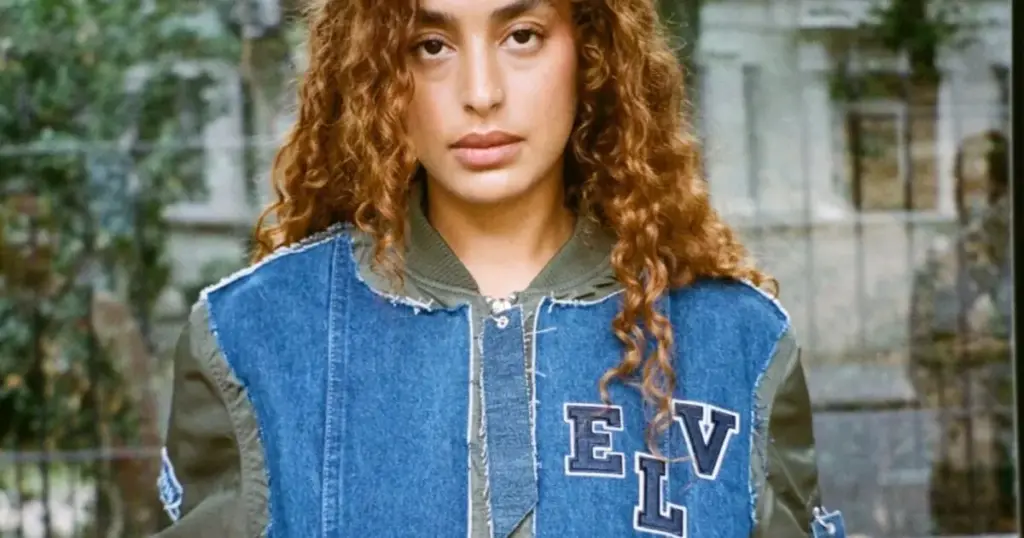
Feature image via E.L.V. Denim; all other imagery sourced via the respective featured brands. Good On You publishes the world’s most comprehensive ratings evaluating fashion and beauty brands based on their impact on people, the planet, and animals. Explore our independent directory to search thousands of rated brands.
Article Updated: August 25, 2026. Our editorial team regularly reviews and updates published content to ensure ratings, brand statuses, and industry insights reflect the most current data available.