

Executive Overview
The global energy landscape is undergoing a tectonic shift, driven not merely by long-term environmental targets, but by immediate economic survival and geopolitical panic. In March 2026, China’s solar exports surged to unprecedented, historic levels as an escalating energy shock—ignited by conflict and instability in the Middle East—compelled nations across the globe to rapidly pivot away from volatile fossil fuels.
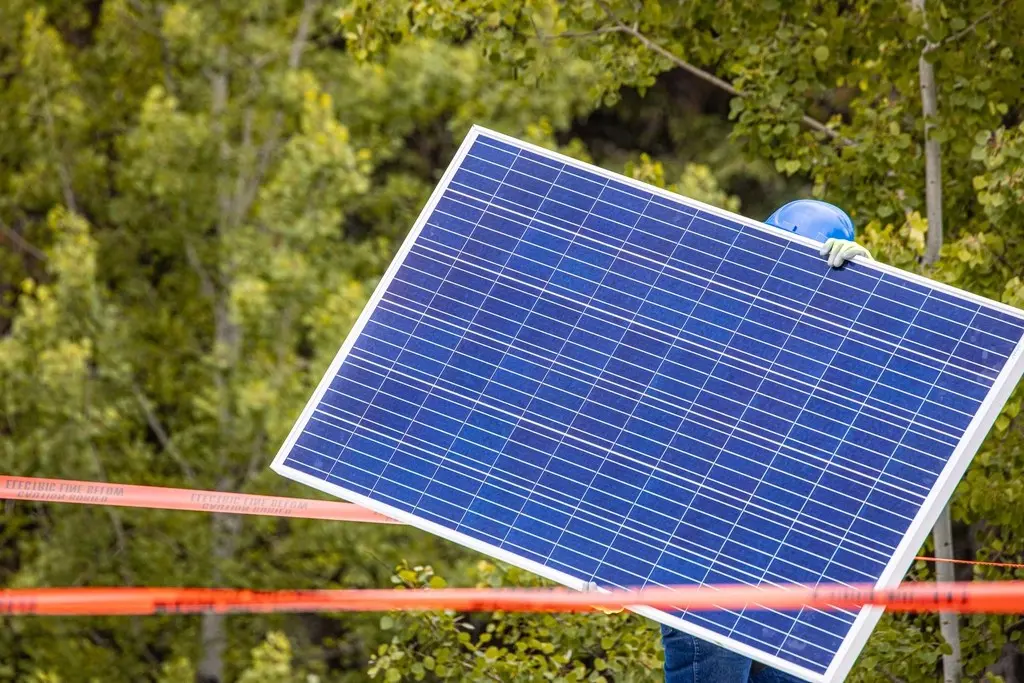
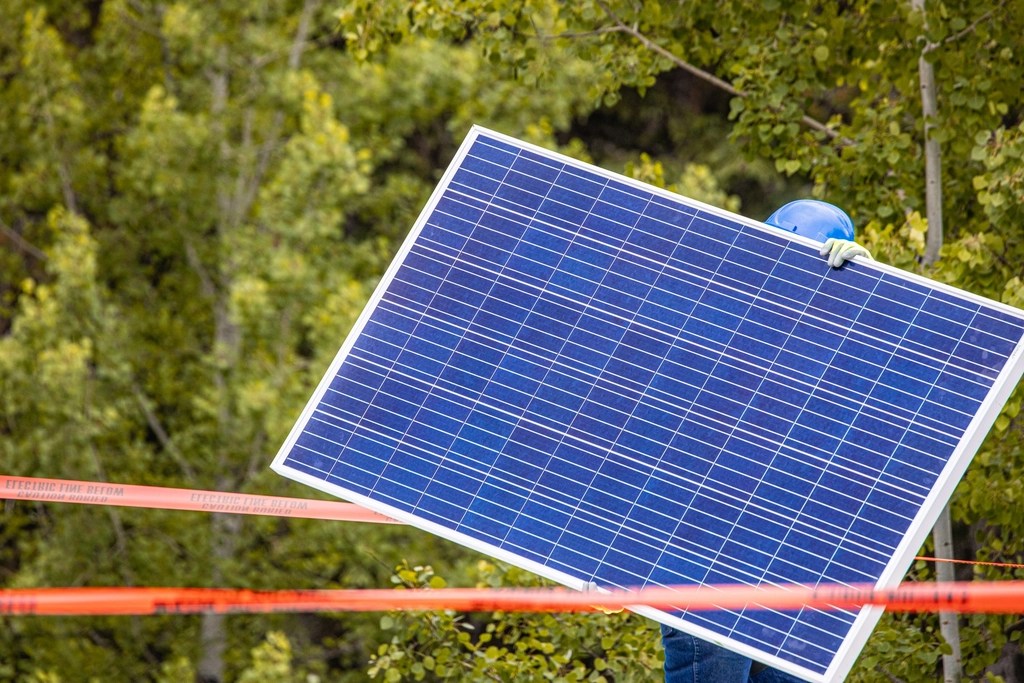
Fresh data analyzed by energy think tank Ember reveals a staggering milestone: China exported an astonishing 68 gigawatts (GW) of solar technology in March alone. To contextualize this massive figure, a single month of Chinese solar exports roughly matches the entire cumulative installed solar capacity of Spain. This volume doubles February’s total and shatters the previous global export record—set just seven months prior in August 2025—by a remarkable 49%.
At the heart of this surge is an acute global panic over oil and gas supplies, catalyzed by the US-Israeli conflict with Iran. As fossil fuel markets rattle and crude prices threaten economic stability, governments and private enterprises are scrambling for energy security. Solar power, prized for its speed of deployment and independence from recurring fuel costs, has emerged at the very top of the global procurement list.
Fifty nations set all-time records for Chinese solar imports in March 2026, while another 60 markets hit six-month highs. Beyond solar panels, exports of lithium-ion batteries and electric vehicles (EVs) are experiencing parallel booms, cementing a broader structural transition. Cleantech is no longer viewed strictly as a climate solution; it has rapidly transformed into the world’s primary frontline defense against geopolitical risk and volatile energy pricing.
Detailed Chronology: The March 2026 Export Explosion
The unprecedented March 2026 spike did not occur in a vacuum; it was the culmination of mounting geopolitical pressures, shifting manufacturing dynamics, and looming regulatory changes.
Early 2026: The Brewing Fossil Fuel Crisis
As geopolitical tensions involving Iran, the United States, and Israel intensified throughout the opening months of 2026, international oil and liquefied natural gas (LNG) markets experienced severe bouts of volatility. Maritime trade routes, most notably the strategic Strait of Hormuz, faced disruptions that sent shockwaves through energy-dependent economies. Governments that had previously relied on imported gas and oil for base-load and peak power generation suddenly found themselves dangerously exposed.
March 2026: The Inflection Point
By the beginning of March, the realization of a protracted fossil fuel shock triggered a desperate scramble for alternative energy assets. International buyers flooded Chinese manufacturers with orders. The resulting export volume of 68 GW obliterated previous benchmarks.
Regional distribution data highlights how rapidly developing and vulnerable economies absorbed the shock:
- Africa: Regional imports skyrocketed by 176% month-over-month, reaching an unprecedented 10 GW. Individual nations such as Nigeria (+519%), Kenya (+207%), and Ethiopia (+391%) crossed the 1-gigawatt threshold in a single month for the first time in history.
- Asia: Asian imports doubled, hitting 39 GW. Major industrial economies and developing neighbors alike ramped up acquisitions, led by India (where imports surged 141% or +6.6 GW), Malaysia (up 384% or +1.8 GW), and Lao PDR (climbing 108% or +2.3 GW).
- Advanced Economies: Traditional heavy markets, including Japan, Australia, and European Union member states, also established new import records as they sought to insulate their industrial bases from spiraling energy costs.
The April 1 Regulatory Deadline
Adding fuel to the fire was an impending domestic policy shift in China. On April 1, 2026, the Chinese government adjusted its export tax rebate policies, effectively adding a 9% cost increase to outgoing solar panels. This regulatory adjustment triggered a massive short-term rush, as international buyers accelerated shipments to lock in lower pre-tax prices, magnifying the March import figures to historic heights.
The Shift Toward Upstream Components
A critical qualitative evolution accompanied this quantitative boom. Rather than simply purchasing finished solar modules, global markets increasingly pivoted toward local value creation. Exports of solar cells and silicon wafers outpaced finished panel growth, climbing 108% month-over-month to reach 36 GW in March. Meanwhile, finished panel exports rose 91% to 32 GW. This structural shift indicates that developing nations are establishing domestic assembly lines, seeking to capture manufacturing jobs and insulate themselves against future supply chain bottlenecks.

Supporting Context & Metrics: The Broader Cleantech Ecosystem
The explosion in solar hardware is part of a synchronized multi-technology rush into clean energy, encompassing energy storage systems and electric mobility.
Beyond Solar: Batteries and EVs
According to Ember’s China Cleantech Exports Data Explorer, combined exports of solar technologies, utility-grade and residential batteries, and electric vehicles surged by 70% year-over-year in March 2026, and by 38% compared to February.
- Battery Storage: Battery exports alone surpassed $10 billion in March, marking a 44% month-over-month increase. Demand was particularly robust in the European Union, Australia, and India—regions actively building out massive grid-scale and behind-the-meter energy storage pipelines to manage intermittent renewable integration.
- Electric Vehicles: The global EV transition continued to scale up aggressively, dampening structural petroleum demand even as legacy energy markets experienced acute price spikes.
Macroeconomic Resilience: Displacing Fossil Fuels
The macroeconomic implications of this cleantech manufacturing scale-up are profound. Ember’s Global Electricity Review 2026 highlights that record-breaking solar deployments throughout 2025 successfully displaced an amount of gas-fired power equivalent to all LNG shipments that traversed the volatile Strait of Hormuz over the course of that year.
Simultaneously, the rapidly expanding global electric vehicle fleet displaced approximately 1.8 million barrels of oil per day in 2025—representing roughly 13% of total US crude production. These figures demonstrate that renewable energy technologies have crossed a threshold where they no longer represent a marginal addition to global energy supply, but rather function as a systemic macroeconomic cushion against fossil fuel shocks.
Official Statements and Industry Analysis
Industry analysts and energy researchers have pointed to the March 2026 data as a watershed moment that redefines the primary motivations driving the global energy transition.

Euan Graham, a senior analyst at Ember, emphasized how geopolitical vulnerability is rewriting economic logic:
"Fossil price spikes are accelerating the shift. Countries are importing solar at record levels while also building out their own manufacturing to keep up with intense, urgent demand."
Graham noted that traditional cost-benefit analyses, which previously weighed the upfront capital expenditures of renewables against historically cheap fossil fuels, have been fundamentally upended by geopolitical instability. When a single regional conflict can jeopardize the energy security of importing nations across multiple continents, the predictable, localized nature of solar generation becomes an invaluable strategic asset.
Trade associations and market observers have similarly highlighted the resilience of global supply chains. Despite logistical challenges in the Middle East—where the closure of the Strait of Hormuz temporarily suppressed regional trade flows—Chinese manufacturing networks demonstrated an extraordinary capacity to absorb and redirect unprecedented global demand toward Africa, Asia, Latin America, and Europe.
Future Outlook: The New Paradigm of Energy Security
As the global economy digests the staggering import volumes of March 2026, several long-term structural takeaways emerge for the future of energy markets:

- Decentralization as National Security: The fragility exposed by Middle Eastern maritime choke points has permanently altered how governments view energy independence. Centralized fossil fuel supply chains are increasingly viewed as strategic liabilities. Consequently, decentralized solar generation backed by stationary battery storage will remain a top priority for national security planners.
- Industrial Localization of Cleantech: The dramatic rise in wafer and cell exports points to a decentralized manufacturing future. While China remains the undisputed global foundry for photovoltaic components, recipient nations are eager to move up the value chain. Expect continued investments in domestic assembly hubs across South Asia, Southeast Asia, and Africa.
- Price Elasticity and Policy Resilience: The April 1 tax rebate adjustment in China serves as a reminder that policy interventions can create short-term market distortions. However, the underlying structural demand for low-cost, secure power remains robust enough to absorb minor cost fluctuations without derailing the broader trajectory.
- The Convergence of Climate and Geopolitics: The distinction between climate mitigation and economic self-defense has effectively dissolved. Nations are no longer investing in renewables solely to meet net-zero carbon pledges under international treaties; they are deploying solar panels and battery banks to keep their lights on, their inflation rates in check, and their industrial sectors functioning amidst global chaos.
In summary, the record-breaking export data from March 2026 illustrates that the global energy transition has entered a new, high-stakes era. Under the intense pressure of geopolitical shocks, the transition from fossil fuels to clean technology is no longer unfolding at a gradual, measured pace—it is accelerating out of absolute necessity.



