

Editorial Note: Our editors curate highly rated brands that are first assessed by our rigorous ratings system. Buying through our links may earn us a commission—supporting the work we do. Learn more.
Whether you are new to the pre-loved market or an experienced thrifter, there are more options than ever for shopping second-hand online and offline. As the global fashion landscape undergoes a paradigm shift away from linear consumption models, the secondhand market has emerged as both a cultural phenomenon and an economic powerhouse.
Executive Overview
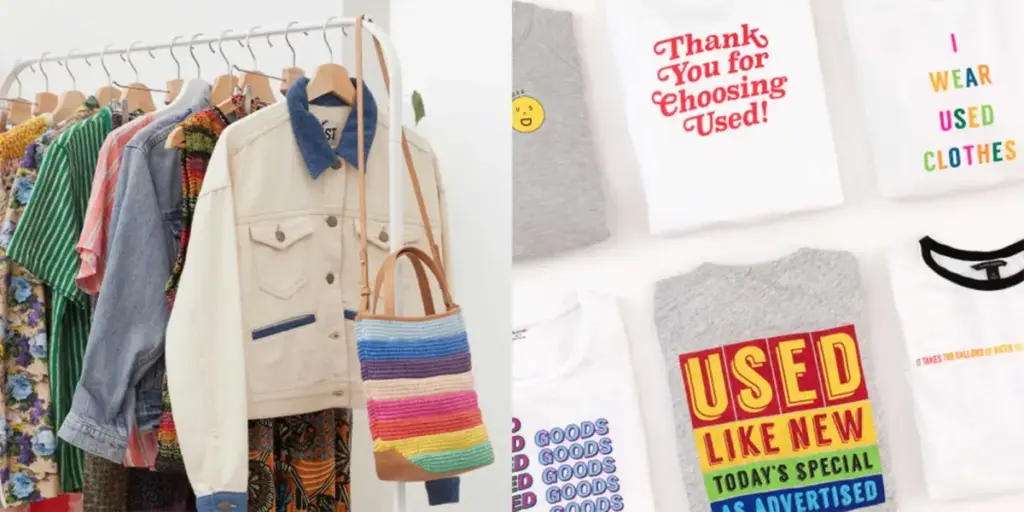
In a globalised world long dominated by fast fashion giants, buying vintage and secondhand provides a refreshing—and significantly more sustainable—way to consume fashion. Shopping pre-loved allows individuals to inject unique pieces into their wardrobes without triggering the resource-intensive manufacturing processes required for brand-new garments. It gives unwanted apparel a second lease on life while unearthing distinct, character-rich items that mass-market retail simply cannot replicate.
As ethical consumption increasingly resonates with modern buyers, the vintage and secondhand sectors are experiencing unprecedented mainstream adoption. Driven by advanced digital platforms, automated authentication technologies, and a cultural rejection of disposable fashion, the pre-loved economy has transitioned from a niche hobby into a cornerstone of the future retail ecosystem.
Detailed Chronology: The Evolution of Thrifting
To understand how the secondhand market reached its current trillion-dollar horizon, it helps to examine its evolutionary trajectory from physical charity bins to sophisticated digital marketplaces:
- The Pre-Digital Era (Late 20th Century): Thrifting was largely confined to brick-and-mortar charity shops, garage sales, and dusty vintage boutiques. Finding a specific garment required hours of manual sorting through racks and shelves, transforming shopping into an exclusive treasure hunt for the deeply patient.
- The Peer-to-Peer Web Wave (Early 2010s): Platforms like eBay and early classified sites digitized the garage sale, allowing individuals to buy and sell clothes across vast geographic distances. However, the process remained clunky, requiring manual photography, shipping logistics, and trust-building between strangers.
- The Social Commerce Boom (Mid-to-Late 2010s): Mobile-first apps like Depop, Vinted, and Poshmark gamified secondhand shopping. By blending social media feeds with peer-to-peer marketplaces, these platforms turned everyday users into micro-entrepreneurs and curators, making thrifting cool and accessible for Gen Z and Millennials.
- The Luxury Resale and Circular Revolution (2020s–Present): High-end consignment platforms (such as Vestiaire Collective and The RealReal) and innovative retail technology (like AirRobe) automated authentication and streamlined listing processes. Concurrently, major sustainable brands began launching internal resale initiatives—such as Patagonia’s Worn Wear and JAN & N JUNE’s Newish—cementing circularity as a core business model.
Supporting Context & Metrics: The Numbers Driving the Resale Boom
The growth of the secondhand fashion sector is not merely a passing lifestyle trend; it is backed by hard economic data and comprehensive consumer research.
Recent market analyses underscore this rapid expansion:
- The 2025 Circular Fashion Federation Study: Commissioned in Europe, this research projected that the continent’s secondhand fashion market would skyrocket from €15.9 billion in 2024 to an astounding €26 billion by 2030.
- Bain & Co.’s 2026 CEO’s Guide to Sustainability: This report tracked a consistent, year-on-year increase in consumers adopting sustainable habits, noting a dramatic surge in regular secondhand clothing adoption across multiple demographics.
Shopping for vintage and pre-loved fashion remains a treasure hunt. To find hidden gems, shoppers often need to dig, scour, examine, and research. While this once required physical endurance, modern online platforms have brought the thrill of the hunt directly to our screens.
Where to Buy Secondhand Clothing Online
If you are looking to dive into the pre-loved market, here is a comprehensive guide to the best online platforms for sourcing your next vintage treasure.
Global Luxury and Peer-to-Peer Platforms
- Vestiaire Collective: A premier peer-to-peer platform dedicated to luxury items. Every piece undergoes independent physical or digital authentication and evaluation to ensure the described condition matches the item you receive.
- eBay: The original auction powerhouse remains an absolute goldmine for secondhand apparel. Its bidding format gives savvy shoppers a genuine shot at securing designer and vintage pieces well below market value.
- Farfetch Pre-Owned: A high-end global marketplace offering a heavily curated selection of pre-loved luxury pieces looking for new homes.
- The RealReal: A massive luxury consignor that empowers buyers and sellers to extend the lifecycle of designer goods through rigorous authentication and a sprawling online catalog.
Sustainable and Community-Driven Marketplaces
- Cerqular Resale: A retailer making sustainable shopping accessible and affordable. Every seller and product is verified against strict eco-friendly criteria (sustainable, organic, recycled, carbon-neutral, vegan, or circular). It even helps you shop locally to support nearby businesses.
- Thrift+ (UK Only): A social enterprise that sells donated clothes, splitting profits equally between the seller and a nominated charity while maintaining a vast inventory of pre-loved clothing.
- Reluv (Australia Only): One of Australia’s largest online retailers for second-hand clothing and accessories, catering to all sizes and offering everything from "new with tags" items to gently used premium brands.
- Zalando Pre-Owned (Select European Countries): Available in Spain, Germany, Poland, France, Belgium, and the Netherlands, this platform brings pre-loved shopping to European customers with the seamless logistics and convenience of Zalando.
- AirRobe: Tackling the crisis of fashion waste through technology, this Australian innovation saves details of your initial online purchases so you can easily resell them later without the administrative headache of manual listings.
Niche, App-Based, and Social Commerce Platforms
- Retykle: The go-to marketplace for pre-loved maternity wear and children’s clothing. Because kids grow at lightning speed, buying and selling children’s clothes secondhand is one of the most practical ways to shop sustainably.
- Depop: A social shopping app heavily favored by fashion influencers and Gen Z, perfect for listing your own wardrobe or buying curated vintage streetwear from other users.
- Vinted: A massive global community boasting over 25 million members, thousands of brands, and an endless stream of affordable second-hand style.
- Poshmark (US and Canada Only): A social commerce marketplace designed for buying and running peer-to-peer sales of new and used clothing, shoes, and accessories.
Secondhand Store Directories: Finding Treasure IRL
If online browsing isn’t enough and you prefer the tactile experience of browsing racks in person, numerous directories can help you locate thrift stores and vintage boutiques near you:
- Thrift Stores In London: A curated guide to thrifting across London and the UK by Thrifty Londoner.
- Australian OpShop Listing: A comprehensive catalog of Australian stores raising funds for community and charitable organizations.
- Opshops: Another fantastic resource for discovering op shops across Australia and New Zealand, featuring both digital and physical storefront locations.
- The Thrift Shopper: A directory dedicated exclusively to charity-driven US thrift stores, ensuring your purchases and donations directly support worthy causes.
- The Best Places to Thrift (The Pretty Planeteer): Highlights top-rated thrift stores by city across the US, Canada, Europe, and Oceania, complete with expert tips for IRL thrifting.
- Google Maps: Never underestimate the power of a simple digital search. Open your mapping app and search terms like "charity store," "thrift shop," "op shop," or "vintage." Always skim the reviews; there is an active online community of thrifters who rate local spots, helping you decide which stores are worth your time.
‘Good’ and ‘Great’ Brands Offering Secondhand Clothing
As more brands take accountability for the lifecycle of their products, many "Good" and "Great"-rated companies are launching circular programs that allow customers to buy back, trade in, or purchase pre-loved iterations of their favorite items.
Patagonia
Patagonia is a pioneer in sustainable outdoor apparel, and its Worn Wear program exemplifies this mission. Customers can shop a wide selection of clothing that is directly secondhand, professionally repaired, or entirely recrafted. As Patagonia’s philosophy states: "The best thing we can do for the planet is cut down on consumption and get more use out of stuff we already own." (Currently available to US customers). See the rating.
JAN ‘N JUNE
Founded in Hamburg by young female entrepreneurs who wanted transparent, fairly produced fashion, this minimalist label launched its “Newish” secondhand platform in 2022 to make sustainable style even more accessible. Available in sizes XS–XL. See the rating.
O My Bag
Blending timeless style with ethical production, this Dutch label crafts vintage-inspired leather bags using lower-impact, high-quality materials and non-toxic dyes. Through its “Second Chances” initiative, the brand sells beautifully crafted second-hand and slightly imperfect bags. See the rating.
BEDI
Canadian brand BEDI creates handmade bags, knitwear, and outerwear built for a lifetime. Committed to circularity, BEDI utilizes innovative materials like upcycled airline seat leather, discarded fishing nets, vegan cactus leather, and organic cotton. Its Second Life program invites customers to send back used items in exchange for a 25% discount, with the collected products resold online. Available in sizes XS–XL. See the rating.
tentree
Famous for planting ten trees for every item purchased—having planted over 65 million trees to date—Canadian brand tentree uses fair labor conditions and lower-impact materials. Its Reshop platform encourages recycling and reselling, even allowing customers to request specific items they are hunting for. Available in sizes XS–XL. See the rating.
HYER GOODS
This New York-based leather goods label upcycles "trash" materials to craft gorgeous handbags, wallets, and accessories. By utilizing industrial scraps, HYER GOODS eliminates the immense carbon footprint required to raise livestock and cultivate land, preventing waste from reaching landfills. Pre-loved goods are available via its (RE)HYER GOODS program. See the rating.
Mightly
Certified by Fair Trade USA and utilizing Global Organic Textile Standard (GOTS) cotton, Mightly produces durable children’s clothing that withstands playground wear and tear. The brand’s Lightly Loved initiative offers rigorously inspected, pre-owned kids’ clothes to extend their usability across multiple growth spurts. See the rating.
Future Outlook: The Next Decade of Circular Fashion
As we look toward 2030 and beyond, the trajectory of the secondhand market points toward total integration with traditional retail. Industry experts predict that major luxury houses and high-street brands will no longer view resale as an experimental marketing tactic, but as a mandatory operational pillar.
Key developments on the horizon include:
- Digital Passports: Government regulations and consumer demands are pushing for Digital Product Passports (DPPs) embedded in garments, detailing a clothing item’s entire supply chain, material composition, and ownership history to make resale seamless.
- Mainstream Retail Convergence: Expect to see major department stores integrating permanent pre-loved sections directly alongside seasonal collections, blurring the line between new and used retail.
- Technological Authentication: Artificial intelligence and machine learning will continue to democratize authentication, virtually eliminating counterfeit goods from peer-to-peer networks.
Ultimately, the cultural stigma once attached to secondhand clothing has entirely evaporated. Thrifting is no longer viewed as a compromise born of financial necessity, but as a badge of honor—a clever, creative, and deeply responsible way to express personal style while safeguarding the planet.
Clearing out your closet? Read our expert tips on how to sell used clothes online.
Editor’s Note
Good On You publishes the world’s most comprehensive ratings of fashion and beauty brands’ impact on people, the planet, and animals. Use our directory to search thousands of rated brands.
This article was updated on 16 September 2026. Our editors frequently update content to ensure accuracy, refreshing our selection of websites and brands to reflect current industry standards and recent ratings.



