Executive Overview
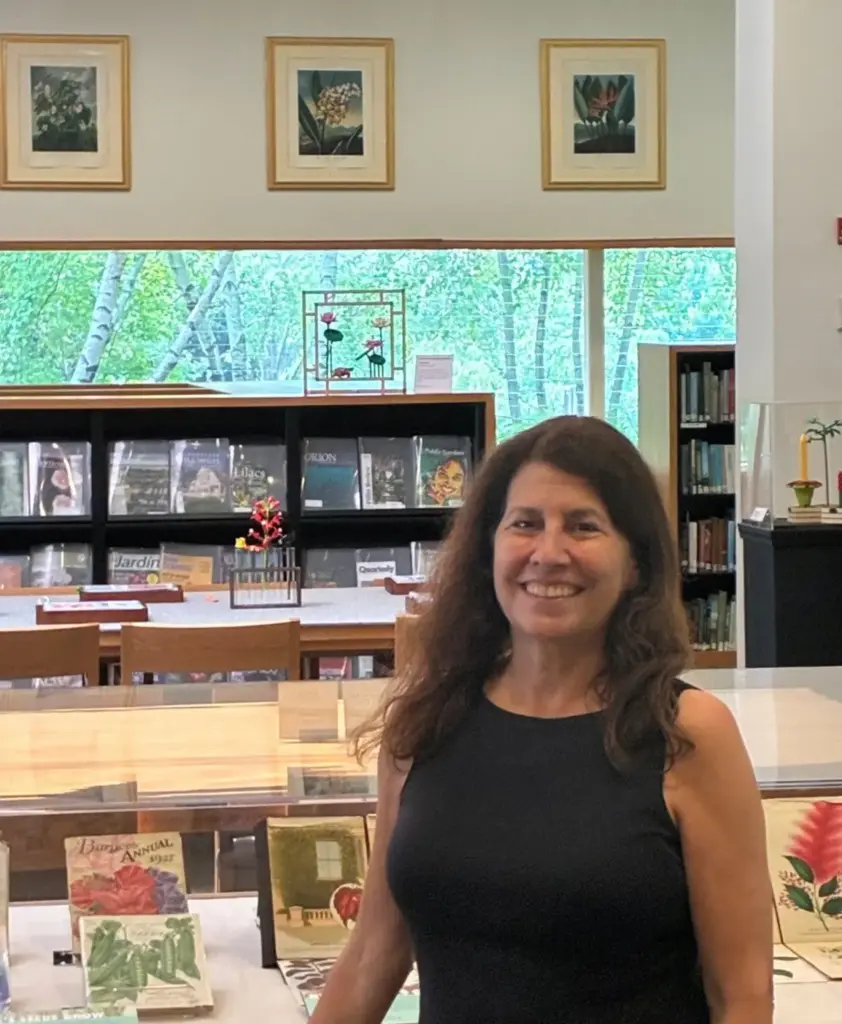
As the global digital repository landscape experiences profound structural shifts, the Biodiversity Heritage Library (BHL)—the world’s most comprehensive open-access digital archive for literature and archival materials concerning biodiversity—is taking decisive steps to cement its operational future. In a move designed to fortify its administrative resilience and strategic depth, the BHL Members’ Council Executive Committee has officially welcomed two distinguished information professionals to newly established leadership posts: Amanda Boczar as the consortium’s inaugural Strategic Development Officer, and Leora Siegel as its first Member-at-Large.
Formally approved by BHL members in June 2026 and seated in July of the same year, these provisional appointments arrive at a critical inflection point in the organization’s history. Following its recent administrative migration to the Council on Library and Information Resources (CLIR) and its structural evolution into a distributed, community-governed global consortium, BHL is actively charting its next strategic plan. By integrating specialized expertise in financial sustainability, fundraising, and broader institutional representation—particularly through the inclusion of affiliate networks—the consortium is proactively engineering a governance model capable of sustaining open access to biodiversity knowledge for generations to come.
Detailed Chronology: A Transformative Era for Global Biodiversity Infrastructure
To understand the weight of these appointments, one must examine the rapid and deliberate transformation BHL has undergone over recent years. The establishment of these two Executive Committee roles is not an isolated administrative adjustment; rather, it is the culmination of a multi-year organizational redesign aimed at securing long-term autonomy, financial durability, and distributed governance.
2024–2025: Laying the Groundwork for Independence
For much of its history, BHL operated under centralized host structures that, while historically effective, presented limitations as the consortium scaled globally. Recognizing the need for greater organizational agility, BHL leadership initiated a comprehensive structural review. This period was marked by pivotal collaborative milestones, including the 2024 BHL Annual Meeting hosted by the Chicago Botanic Garden—an event that brought international stakeholders together to debate and design the future framework of the library. Behind the scenes, working groups began evaluating alternative administrative homes, sustainable funding mechanisms, and updated governance bylaws.
January–June 2026: Structural Migration and New Partnerships
The foundational architecture shifted dramatically in January 2026 when the University of South Florida (USF) Libraries officially joined BHL as both a member institution and a strategic technical infrastructure partner. This integration injected fresh technical vigor and digital initiative into the consortium. Shortly thereafter, BHL completed its operational transition to a distributed model anchored administratively by the Council on Library and Information Resources (CLIR).
With these foundational shifts secured, the BHL Members’ Council recognized that operational independence required specialized oversight. In June 2026, members voted to approve the creation of two provisional Executive Committee positions: the Strategic Development Officer and the Member-at-Large. Because BHL Bylaws dictate that formal amendments must be ratified during an Annual Meeting, these roles operate provisionally ahead of their definitive ratification vote scheduled for the 2027 BHL Annual Meeting.

July 2026 Onward: Seating the Leadership
By July 2026, Amanda Boczar and Leora Siegel had officially assumed their respective posts on the Executive Committee. Their integration immediately sparked new momentum across strategic planning writing groups, positioning the consortium to aggressively pursue diversified revenue streams, expand grant-funded initiatives, and broaden community representation.
Supporting Context & Metrics: The Anatomy of Modern BHL Governance
The expansion of the BHL Executive Committee addresses specific functional gaps revealed during the consortium’s transition to independence. As a global digital library aggregating millions of pages of taxonomic descriptions, field notes, and illustrated biodiversity literature from hundreds of contributing institutions worldwide, BHL faces complex logistical, financial, and technical challenges.
Financial Sustainability and the Role of the Strategic Development Officer
Historically, digital library infrastructure of BHL’s scale has relied heavily on a mix of host-institution subsidies, foundational grants, and in-kind contributions. However, as global funding landscapes fluctuate and the volume of digitized material grows exponentially, reliance on traditional funding streams is no longer sufficient.
The creation of the Strategic Development Officer position directly addresses this vulnerability. Tasked with financial oversight, grant acquisition coordination, and long-term fundraising alignment, Amanda Boczar’s role is engineered to diversify BHL’s financial portfolio. By working closely with the BHL Secretariat and the BHL Administration Staff, the Strategic Development Officer will systematically identify, assess, and respond to international grant opportunities, corporate partnerships, and philanthropic channels. This proactive fiscal posture is essential for maintaining the continuous scanning, metadata enhancement, and server infrastructure required to keep petabytes of biodiversity data freely accessible to researchers, conservationists, and the public.
Democratizing Governance: The Member-at-Large Paradigm
Equally strategic is the creation of the Member-at-Large position, currently held by Leora Siegel. In many traditional library consortia, governance structures remain strictly siloed, offering representation exclusively to primary dues-paying member institutions while marginalizing vital affiliate partners.
The BHL Member-at-Large role shatters this paradigm. Uniquely structured as the only Executive Committee position open to staff from both BHL Member and BHL Affiliate institutions, this role serves as an intentional pipeline for broader institutional participation. It democratizes the executive decision-making process, allowing smaller botanical gardens, specialized research libraries, and affiliate organizations—which often hold uniquely rich, niche historical collections—to have a direct voice at the highest levels of governance. Furthermore, it acts as a mentorship and professional development pathway, grooming diverse library leaders to step into elected officer roles within the consortium in future terms.

Official Statements: Perspectives from Leadership
The strategic importance of these appointments has been underscored by key figures within the BHL consortium, highlighting both the professional caliber of the appointees and the collective vision driving the organization forward.
Richard Wragg, Vice Chair of the BHL Executive Committee and Head of Library and Archives at the Natural History Museum in London, emphasized the complementary nature of the new appointments during the official announcement:
"We are delighted to welcome Amanda and Leora to the Executive Committee. Leora will be well known to many in the BHL community and, coming from an Affiliate institution, brings both extensive experience and new perspectives to the Committee. Amanda joins us with a wealth of ideas and previous successes in a role that is vital to BHL’s long-term sustainability. With the expansion of the Executive Committee complete, and the addition of two such capable colleagues, we are now well placed to secure a bright and stable future for BHL."
Amanda Boczar, reflecting on her dual role as Associate Director of Digital Initiatives at USF Libraries and BHL’s inaugural Strategic Development Officer, shared her motivation for diving deep into the consortium’s governance:
"I have been working with digital collections related to Florida’s environment and natural history since 2020 and have always looked to BHL as a model for global outreach and community. After USF joined BHL as both a member and a strategic partner for its technical infrastructure in January 2026, I knew I wanted to really dive in and make the most of the opportunity. It has been such a privilege to engage with the other members and affiliates, and I am very honored to have been selected for this new role to help sustain the organization for many more years to come."
Leora Siegel, Senior Director of the Lenhardt Library at the Chicago Botanic Garden, highlighted the significance of affiliate representation and the transition to full independence:

"Through collaborations with BHL colleagues over the past 10 years as an Affiliate member, and witnessing BHL’s amazing growth and development, I’m honored to serve on the Executive Committee and contribute as BHL becomes fully independent."
Future Outlook: Charting the Next Decade of Open Biodiversity Knowledge
As BHL looks toward its 2027 Annual Meeting—where Boczar and Siegel’s provisional appointments will be formally presented for permanent ratification under amended bylaws—the organization is firing on all cylinders.
The immediate focus for the expanded Executive Committee centers on the finalization and implementation of BHL’s next comprehensive strategic plan. Operating under the administrative umbrella of CLIR while leveraging the distributed technical strengths of institutions like the University of South Florida and the rich institutional insights of affiliates like the Chicago Botanic Garden, BHL is positioning itself as a modern, resilient blueprint for collaborative global knowledge management.
The challenges facing global biodiversity—from accelerating habitat loss to shifting climate patterns—make the work housed within BHL’s digital stacks more critical than ever. Researchers tracking historical species distributions, conservationists analyzing centuries-old ecological field notes, and educators inspiring the next generation of naturalists all rely on the uninterrupted, open access that BHL provides.
By strategically fortifying its governance capacity, diversifying its funding streams through dedicated development leadership, and dismantling institutional silos via inclusive governance models like the Member-at-Large, the Biodiversity Heritage Library has fundamentally future-proofed its mission. With Amanda Boczar and Leora Siegel firmly seated on the Executive Committee, BHL is more than ready to navigate its next chapter, ensuring that the world’s biodiversity literature remains permanently open, freely accessible, and sustainably stewarded for the global community.