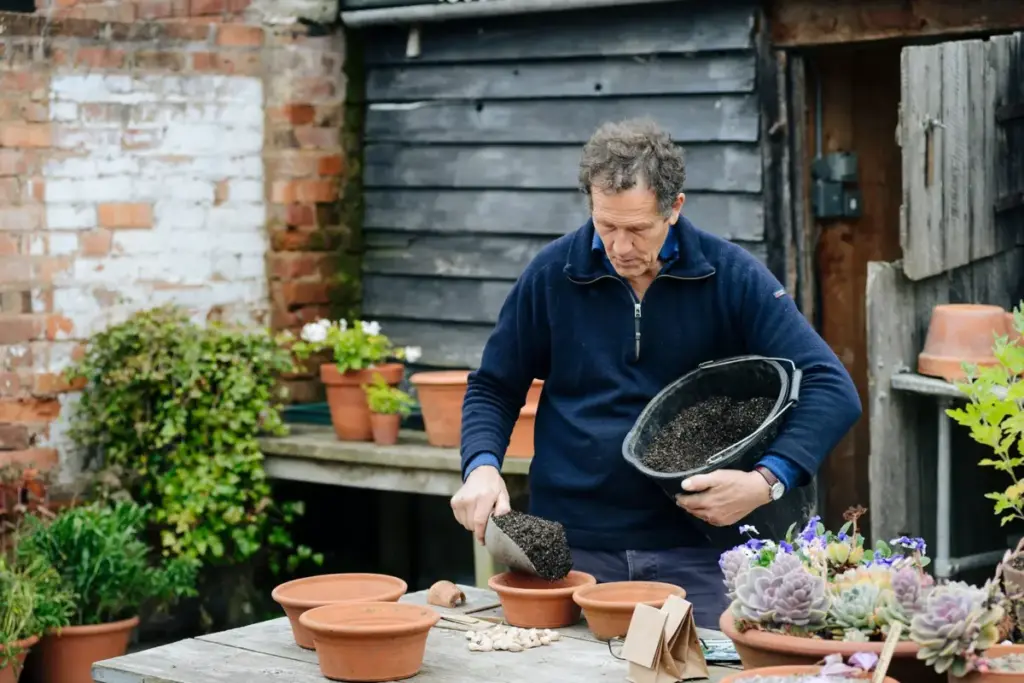
As the golden haze of late summer gives way to the brisk, earthy mornings of October, the horticultural landscape undergoes a profound transformation. For green-thumbed enthusiasts and professional cultivators alike, this pivotal month represents a critical crossroads in the annual gardening calendar. It is a period defined not merely by winding down the active growing season, but by laying the foundational groundwork for next year’s botanical triumphs. October demands a delicate balance of decisive action and thoughtful preparation: safeguarding tender harvests, propagating robust perennials, securing greenhouse infrastructures against the impending winter chill, and recycling autumn’s bountiful windfall.
This comprehensive guide delves deep into the expert-backed October checklist derived from BBC Gardeners’ World Magazine. Moving far beyond simple task lists, we explore the physiological and environmental imperatives driving each recommendation—from the chemistry of hardwood propagation and the mechanics of squash ripening to the sustainable art of leaf-mould production and infrastructure maintenance. Whether you are managing an expansive allotment, a domestic greenhouse, an urban balcony jungle of houseplants, or simply looking to capitalize on exclusive seasonal offers for spring and summer blooms, mastering October’s checklist is the ultimate key to a resilient, flourishing garden.
Detailed Chronology: The Essential October Gardening Timeline
To navigate October successfully, gardeners must adopt a methodical, chronological approach. As temperatures drop and daylight hours rapidly diminish, the window of opportunity for certain tasks narrows considerably. Below is the definitive step-by-step breakdown of what must be accomplished across your garden, greenhouse, and indoor spaces during this crucial month.
Early October: Harvesting, Raising, and Protection
The opening days of the month require intense focus on the vegetable plot and fruit garden, where the final summer yields are reaching their absolute peak.
Securing and Ripening Pumpkins and Squashes: One of the most critical early-October tasks is tending to late-season cucurbits, such as pumpkins and winter squashes. As soil moisture levels rise with autumnal dew and rain, resting these heavy fruits directly on damp earth invites fungal rot and uneven ripening. Gardeners must systematically lift pumpkins and squashes off the ground, sliding a protective barrier—such as a piece of clean wood, a tile, or an inverted plastic saucer—underneath each specimen. This simple elevation ensures adequate air circulation around the base and exposes the skin to remaining sunlight, encouraging a uniform, hardened shell essential for winter storage.
Greenhouse and Water Butt Preparation: Before the heavy autumn rains arrive, water storage systems require urgent attention. Water butts must be thoroughly cleaned out, scrubbed to remove algae and biofilm, and cleared of any organic blockards or debris clogging the inlet filters. Clean water harvesting ensures that when the heavens open, your storage tanks fill with pristine rainwater free of rot-inducing pathogens—a vital resource for sensitive greenhouse plants come spring.
Houseplant Rescue and Assessment: As indoor heating systems begin to kick in, indoor environments transition from humid havens to arid zones. Early October is the ideal time to evaluate the health of indoor jungles. Partnering with houseplant experts like Sarah Gerrard-Jones provides crucial insights into diagnosing root rot, managing pest infestations before they migrate indoors from fading summer patios, and adjusting watering routines to match slowing growth rates.
Mid-October: Propagation and Soil Health
As the herbaceous borders begin to die back, the focus shifts toward multiplication and organic soil enrichment.
Mastering Hardwood Cuttings: October marks the optimum window for taking hardwood cuttings of deciduous shrubs and fruit plants (such as figs, currants, and roses). Unlike soft green cuttings taken in summer, hardwood cuttings are harvested from mature, lignified shoots produced during the current growing season. By selecting pencil-thick, disease-free stems, trimming them to length, and burying them deeply in well-drained nursery beds or pots filled with sharp sand and compost, gardeners can harness the plant’s dormant energy to foster robust root systems over the winter months, entirely free of charge.
The Art of Leaf-Mould Production: With trees shedding their foliage en masse, October presents an incredible, cost-free resource: autumn leaves. Rather than discarding this organic matter, savvy horticulturists gather fallen leaves—particularly those from oak, beech, and hornbeam—to create rich, velvety leaf-mould. Utilizing simple, perforated black bin bags or wire mesh enclosures, packed tightly and kept damp, initiates a slow fungal breakdown process. Over one to two years, this transforms into a sublime, peat-free soil conditioner that outshines commercial composts in its ability to retain moisture and improve soil structure.
Late October: Finalizing Infrastructure and Planning Ahead
As October draws to a close, preparations pivot sharply toward the upcoming spring display, requiring bulb planting, final pruning cessation, and the strategic ordering of bare-root stock.
Bulb and Perennial Planting: Late October is prime time for planting spring-flowering bulbs, such as the dramatic Tulip ‘Double Negrita’, ensuring they receive the chilling period required to trigger spectacular spring blooms. Similarly, establishing bare-root fruit canes—such as the prolific Raspberry ‘Autumn Bliss’—and architectural perennials like the Agapanthus Blue & White Duo sets the stage for rapid, vigorous root establishment before the deep freezes of January.
Supporting Context & Metrics: The Science of Autumnal Horticulture
Understanding why these tasks are scheduled for October relies on plant physiology, microclimatology, and organic chemistry.
The Physics of Hardwood Cuttings
In October, deciduous plants enter dormancy. Photosynthesis slows as chlorophyll breaks down, revealing anthocyanins and carotenoids (yellows and reds). Simultaneously, auxin hormones within the plant shift activity. When a hardwood cutting is severed at this stage, the stem contains high levels of stored carbohydrates and low biological stress. Without leaves to transpire moisture, the cutting focuses its remaining metabolic energy entirely on forming a callus at the basal wound, followed by adventitious roots, undisturbed by foliar demands.
The Chemistry of Leaf-Mould
Unlike standard garden compost—which relies on a balanced ratio of green nitrogen-rich material and brown carbon-rich material processed largely by bacteria—leaf-mould is primarily a fungal decomposition process. Leaves are rich in lignin and cellulose, which bacteria struggle to break down quickly. Fungi thrive in the acidic, damp environment of a sealed bin bag. Over time, basidiomycetes fungi digest the tough cell walls, converting miles of fallen foliage into crumbly, humic-rich leaf-mould with an exceptional cation-exchange capacity, making it a supreme medium for seed sowing and potting mixes.
Horticultural Economy and Biodiversity Metrics
Incorporating native and reliable cultivars into the garden during autumn yields profound ecological dividends. According to recent horticultural surveys:
Pollinator Support: Cultivars like Tulip ‘Double Negrita’ and late-flowering perennials provide crucial late-season nectar sources for lingering pollinators navigating cooling microclimates.
Container Versatility: Varieties selected for autumn planting, such as Raspberry ‘Autumn Bliss’, boast compact growth habits that eliminate the need for cumbersome structural wiring or staking. This makes high-yield soft fruit production viable for over 68% of urban gardeners with restricted patio or balcony space.
Water Conservation: Cleaned water butts capture an average of 1,200 liters of free rainwater per roof per year, slashing domestic utility reliance and providing chlorine-free hydration to acid-loving greenhouse and houseplant collections.
Official Insights & Expert Perspectives
Horticultural authorities and industry leaders consistently emphasize that October’s labor directly dictates the following season’s aesthetic and agricultural success.
"October is the great bridge between the energetic chaos of summer and the restorative quiet of winter. Gardeners who view this month as a wind-down period miss the most critical propagation and soil-enrichment window of the entire year. Every leaf bagged, every cutting struck, and every water butt scrubbed is an investment paid back tenfold come spring."
— Lead Horticulturalist, BBC Gardeners’ World Magazine Editorial Board
Furthermore, plant breeders and suppliers highlight the evolution of domestic gardening toward resilience and sustainability. Speaking on the integration of robust, low-maintenance varieties like the Agapanthus Blue & White Duo and the ‘Autumn Bliss’ raspberry, retail propagation specialists note:
"Modern gardeners demand high-performance plants that offer dual functionality—ornamental beauty paired with culinary productivity. By establishing these varieties during the damp, cooling weeks of October, growers allow the plant to bypass transplant shock entirely, emerging in spring with deeply anchored root systems capable of withstanding environmental fluctuations."
Future Outlook: The Evolving Landscape of Autumn Gardening
As global weather patterns shift toward milder, wetter winters punctuated by unpredictable cold snaps, the traditional rules of garden maintenance are undergoing a quiet revolution. October is no longer seen as a fixed point on the calendar, but rather as a flexible operational window that requires heightened adaptability from the modern gardener.
Climate Adaptation and Water Management
With intense autumn storms becoming more frequent, the directive to clear water butts and construct robust leaf-mould stores is more than a traditional chore—it is a vital exercise in climate resilience. Capturing extreme rainfall events prevents localized flooding and soil erosion in domestic plots, while the resulting leaf-mould acts as an organic sponge, bolstering garden soils against future summer droughts.
The Rise of Resilient, Low-Input Varieties
Looking ahead to future growing seasons, the emphasis on self-sufficiency and low-input gardening will only intensify. The trend toward container-friendly soft fruits, disease-resistant perennial bulbs, and indoor rescue horticulture reflects a broader cultural shift. Gardeners are increasingly seeking autonomy, utilizing expert guidance from podcasts, masterclasses, and specialized publications to troubleshoot and sustain their collections independently.
By embracing the October checklist—protecting harvests, propagating with precision, and maintaining vital infrastructure—gardeners ensure that their green spaces remain dynamic, productive, and endlessly resilient sanctuaries for years to come.