Executive Overview
As the golden canopy of autumn gives way to crisp morning frosts, gardeners across the United Kingdom face a familiar seasonal imperative: clearing away fallen leaves, trimming back exhausted perennials, and preparing outdoor spaces for the dormant winter months. Yet, this pivotal juncture in the horticultural calendar represents far more than a routine seasonal cleanup. It offers a golden opportunity to reimagine household and garden waste, transforming what would otherwise be discarded into a valuable, nutrient-dense resource.
To champion this sustainable ethos, the renowned waste-reduction innovators at HOTBIN have partnered with top-tier horticultural media to launch an exclusive, high-value giveaway. Two lucky winners are set to receive elite composting bundles—valued at up to £313 each—designed to revolutionize how households handle organic waste.
In an era defined by climate consciousness, soaring landfill fees, and a collective desire for self-sufficiency, home composting has evolved from a niche hobby into an essential ecological practice. Traditional cold composting methods, while effective, are notoriously slow, often requiring up to a year or more to break down organic matter. Furthermore, they come with restrictive guidelines: cooked foods, meat, dairy, and persistent weeds are strictly forbidden lest they attract vermin or disrupt the microbial balance.
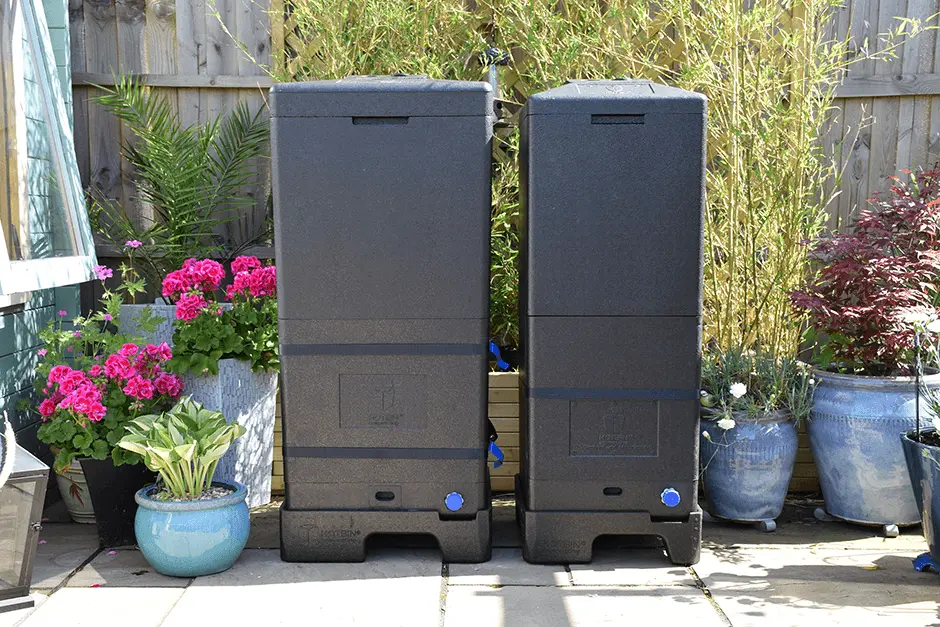
Enter the HOTBIN composter—a scientifically engineered, highly insulated aerobic digester that shatters conventional composting limitations. Recognized as a BBC Gardeners’ World Magazine Best Buy, the HOTBIN stands out as the fastest composter rigorously tested by industry experts, as well as the premier choice for compact urban and suburban spaces. Capable of generating rich, peat-free compost in as little as 30 days, this system harnesses thermal aerobic digestion to process everything from raw vegetable peels to cooked leftovers, small bones, and stubborn garden weeds.
This comprehensive report explores the mechanics of high-performance hot composting, examines the broader environmental implications of organic waste diversion, details the specifications of the exclusive giveaway bundles, and outlines how autumn preparation sets the stage for a thriving, sustainable garden next spring.
Detailed Chronology: The Evolution of Modern Composting and the Rise of Aerobic Digestion
To understand the revolutionary impact of systems like the HOTBIN, it is essential to examine the historical trajectory of organic waste management. For centuries, agrarian societies relied on the slow, unmanaged decomposition of organic matter. Piles of leaves, manure, and food scraps were left in corners of gardens or fields, decomposing naturally over long stretches of time through the action of mesophilic bacteria, fungi, and macro-organisms like earthworms.
The Slow Science of Cold Composting
Traditional "cold" composting is essentially a passive process. Material is added to a bin layer by layer as it becomes available. Because the volume of waste is often too small or improperly proportioned to generate significant internal heat, the pile remains at ambient temperatures.
- The Time Factor: Without elevated temperatures, biological activity slows down drastically, particularly during the autumn and winter months. Decomposition can take anywhere from six to eighteen months.
- The Dietary Restrictions: Cold piles lack the thermal energy required to kill weed seeds, plant pathogens, and harmful bacteria. Consequently, adding diseased plants, invasive weeds, or animal products (meat, fish, dairy, and cooked leftovers) creates a magnet for vermin, rats, and offensive odors.
The Industrial Leap to High-Temperature Aerobic Digestion
Agricultural scientists and industrial engineers long recognized that nature holds a much faster, more efficient gear: thermophilic aerobic composting. By optimizing the physical and chemical parameters of a compost pile—specifically the carbon-to-nitrogen (C:N) ratio, moisture content, surface area, and, crucially, oxygenation—temperatures can be driven rapidly into the 40°C to 60°C (104°F to 140°F) range.
In these high-temperature zones, specialized thermophilic bacteria thrive. These microorganisms accelerate the breakdown of complex biopolymers like cellulose, hemicellulose, and lignin at an exponential rate. However, achieving and sustaining these high temperatures in a domestic garden setting historically required large, bulky heaps (typically at least one cubic meter in volume) and constant, labor-intensive turning and monitoring.
The Birth of the Insulated Container Revolution
The turning point for domestic composting arrived with the introduction of heavily insulated, engineered containers. By wrapping the composting chamber in thick, high-density expanded polypropylene (EPP)—the same material used in high-performance thermal packaging and crash helmets—engineers solved the primary obstacle of domestic hot composting: heat loss.
Even in cold winter conditions, an insulated unit retains the metabolic heat generated by thermophilic bacteria. This breakthrough allowed for smaller, aesthetically pleasing footprint designs suitable for standard British gardens, yards, and patios, without sacrificing thermal efficiency. The HOTBIN emerged from this technological evolution, quickly establishing itself as a market leader through rigorous independent testing and glowing endorsements from horticultural authorities like BBC Gardeners’ World Magazine.
Supporting Context & Metrics: The Environmental Imperative of Home Composting
The push toward efficient home composting is underscored by staggering environmental statistics regarding global and domestic waste streams. Understanding the metrics behind organic waste highlights why initiatives promoting aerobic digestion are vital for modern ecological stewardship.
The Food Waste Crisis
According to environmental charity WRAP (Waste and Resources Action Programme), UK households generate millions of tonnes of food waste annually, a significant portion of which is entirely avoidable. When organic waste is sent to landfill, it is buried beneath layers of other refuse in an anaerobic (oxygen-deprived) environment.
As organic matter decomposes without oxygen, it produces methane ($CH_4$)—a potent greenhouse gas with a global warming potential over 28 times greater than carbon dioxide ($CO_2$) over a 100-year timescale. Diverting food waste from landfills into an aerobic home composter fundamentally alters this chemical pathway. In the presence of plentiful oxygen, aerobic bacteria consume the organic matter, releasing carbon dioxide—which is part of the natural biogenic carbon cycle—rather than methane.
The Peat Paradox and Horticultural Sustainability
Simultaneously, the British horticultural industry has faced a reckoning over the use of peat in gardening. Peat bogs are magnificent, ancient carbon sinks that store vast quantities of atmospheric carbon while supporting unique, fragile ecosystems and rare biodiversity. Extracting peat for commercial and amateur gardening releases centuries of sequestered carbon back into the atmosphere while destroying invaluable habitats.
Although government regulations and voluntary agreements have pushed the industry toward peat-free alternatives, many gardeners report mixed results with commercial peat-free composts, citing issues with moisture retention and nutrient availability. Home-produced compost offers the ultimate solution: it is entirely free of peat, locally generated, perfectly suited to local soil conditions, and rich in the exact organic matter needed to improve soil structure, microbial life, and nutrient holding capacity.
Quantitative Performance Metrics of the HOTBIN
Independent evaluations, including those conducted by BBC Gardeners’ World Magazine, have quantified the operational efficiency of the HOTBIN system:
- Temperature Maintenance: Capable of sustaining internal temperatures between 40°C and 60°C year-round, regardless of external ambient weather.
- Processing Speed: Transforms raw kitchen waste, cooked scraps, and garden refuse into finished compost in as little as 30 to 90 days, compared to the 12-month standard of traditional bins.
- Volume Reduction: Efficiently breaks down bulk organic matter, achieving significant reduction ratios as complex structures are rapidly digested by thermophilic microbes.
- Pathogen and Weed Seed Eradication: Sustained internal temperatures above 50°C for extended periods successfully neutralize common plant pathogens and kill viable weed seeds, eliminating the risk of weeds spreading via finished compost.
Official Statements & Expert Insights
Industry leaders, horticultural journalists, and environmental advocates have consistently championed the role of efficient composting in sustainable living.
A spokesperson for HOTBIN Composting emphasized the core philosophy driving their product design:
"We live in a society where organic waste is too often viewed as a burden rather than a resource. By engineering a system that removes the traditional barriers to composting—such as the prohibition of cooked foods, slow processing times, and foul odors—we empower everyday gardeners to close the loop on their household consumption. Autumn is the ultimate testing ground for our gardens, and there is no better time to install a system that turns seasonal debris and kitchen scraps into the lifeblood of next year’s harvest."
Horticultural experts evaluating the system for BBC Gardeners’ World Magazine noted its exceptional engineering and user-friendly design:
"The HOTBIN earned its Best Buy status through sheer performance. It is undeniably the fastest composter we have tested, making short work of difficult materials that would stall conventional heaps. Its compact footprint makes it a game-changer for gardeners with limited outdoor space who still want to make a meaningful impact on their household waste footprint."
Environmental scientists studying domestic carbon reduction pathways frequently point to decentralized composting as a cornerstone of sustainable municipal living. By processing organic waste on-site, municipalities save millions in transport emissions, heavy machinery operation, and landfill management costs, while citizens gain a direct, tangible connection to the soil-food web.
Prize Details: The Exclusive Giveaway Bundles
To support two lucky winners in their journey toward sustainable gardening, HOTBIN is offering an exclusive choice of two comprehensive, high-value bundles tailored to different household sizes and garden scales.
Option 1: The HOTBIN Mini 100-litre Essentials Bundle
- Retail Value: £243
- Target Audience: Ideal for smaller households (1–3 people), urban gardens, courtyards, or patios where space is at a premium.
- Component Breakdown:
- HOTBIN Mini Composter (100L): Engineered with the same high-density EPP thermal insulation as its larger counterpart, scaled down for manageable weekly waste volumes.
- HOTBIN Plinth: Raises the composter off the ground. This elevation not only protects the base of the unit but also features an integrated collection point, making it effortless to harvest nutrient-rich liquid fertilizer (liquid gold) produced during the breakdown process.
- HOTBIN Garden Kneeler: Ergonomically designed to provide superior joint support and comfort during prolonged gardening sessions, potting, or harvesting finished compost.
Option 2: The HOTBIN 200-litre Essentials Bundle
- Retail Value: £313
- Target Audience: Perfect for larger families, avid vegetable growers, and medium-to-large gardens that generate high volumes of both kitchen scraps and garden prunings.
- Component Breakdown:
- HOTBIN Standard Composter (200L): Offers double the capacity of the Mini, allowing for higher throughput, larger batches of waste, and the ability to process bulky garden stalks, hedge trimmings, and large quantities of autumn leaves alongside daily kitchen waste.
- HOTBIN Plinth: Custom-engineered base unit to ensure optimal airflow beneath the composter while facilitating the seamless collection of potent liquid plant food.
- HOTBIN Garden Kneeler: Premium comfort accessory designed to safeguard knees and lower backs during intensive seasonal gardening work.
Future Outlook: The Circular Garden of Tomorrow
As we look toward the future of horticulture and urban ecology, the integration of closed-loop systems into daily life will no longer be viewed as an alternative lifestyle choice, but as an absolute necessity. Climate change, fluctuating supply chains, and the rising cost of commercial soil conditioners and chemical fertilizers are compelling gardeners to look inward, relying on the natural abundance of their own properties.
The transition toward high-performance aerobic composting represents a profound shift in how we perceive waste. When autumn leaves, pruned branches, and kitchen trimmings are no longer bundled into plastic bags for collection, but are instead channeled into an insulated biological reactor, the home becomes an active participant in local ecological restoration.
In the coming years, innovations in domestic waste recycling will continue to accelerate, driven by smart monitoring tools, improved bio-enzymatic accelerators, and sleek architectural designs that blend seamlessly into modern landscape architecture. Yet, the foundational principle will remain unchanged: the health of our plants is inextricably linked to the health of our soil, and the health of our soil depends on our willingness to return organic matter to the earth in a balanced, respectful, and efficient manner.
By equipping forward-thinking gardeners with advanced tools like the HOTBIN, this exclusive initiative does more than award valuable prizes—it fosters a culture of sustainability, resilience, and regenerative action. As the frosts of autumn settle and gardeners prepare their plots for the quiet slumber of winter, the seeds of next summer’s abundant harvest are already being sown in the warm, bustling interior of the compost bin.