Executive Overview
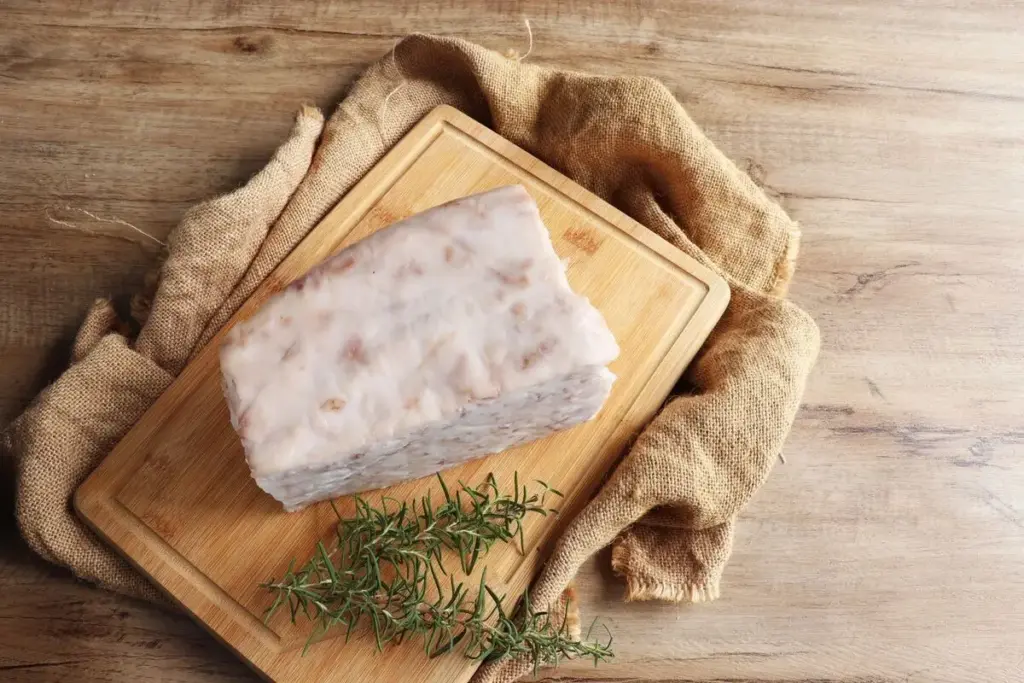
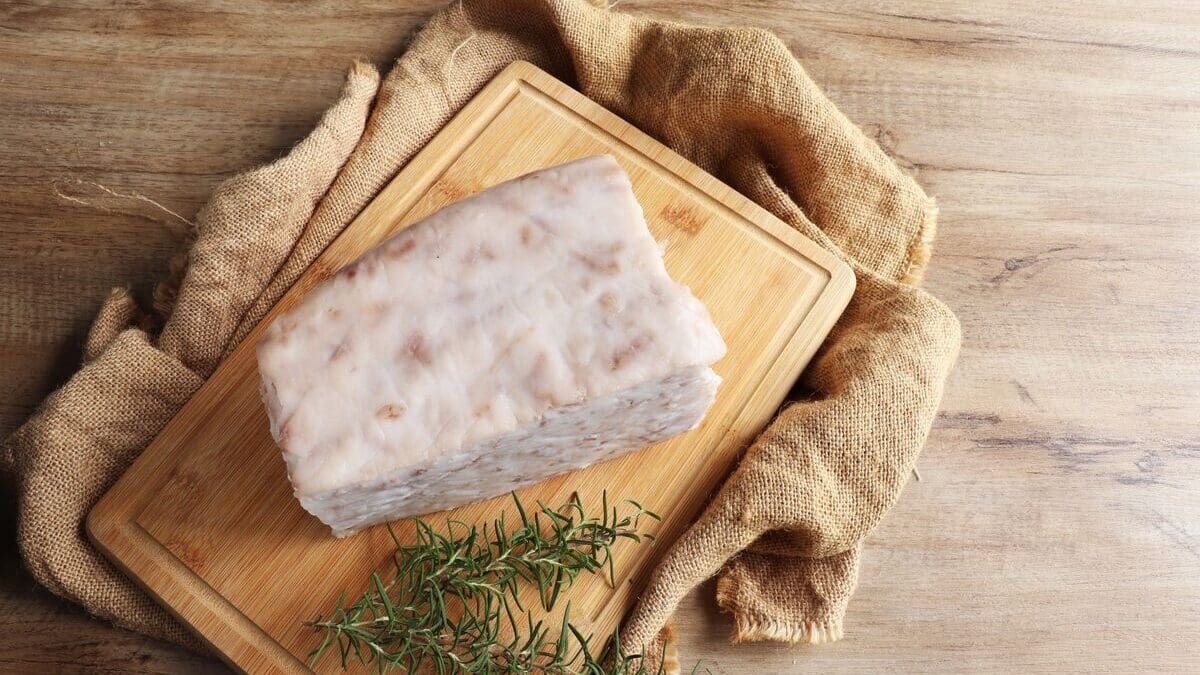
Beef tallow has made a striking, highly visible return to modern kitchens, supermarket shelves, and social media feeds. Once relegated to history books as a relic of 20th-century fast food preparation—most famously used by fast-food giants until public health pressures forced a mass exodus to vegetable oils in 1990—rendered beef fat is enjoying a robust cultural renaissance. This resurgence is largely powered by shifting federal dietary paradigms, the cultural momentum of the "Make America Healthy Again" (MAHA) movement, and aggressive anti-seed-oil rhetoric across digital platforms.
Yet, beneath the glossy aesthetic videos of melting blocks of tallow and artisan skincare jars lies a tangled web of nutritional contradictions, mathematical impossibilities, and industry-funded science. While contemporary wellness influencers champion beef tallow as a minimally processed, ancestral antidote to modern industrial seed oils, federal health guidelines create a paradoxical framework. They designate saturated fats like tallow as acceptable or even "healthy" while simultaneously maintaining rigid daily maximums for saturated fat intake. When consumers attempt to reconcile these guidelines with recommendations to incorporate multiple servings of full-fat dairy, red meat, and heavy cooking fats, the daily arithmetic simply collapses.
This investigative report examines the nutritional reality of beef tallow, dissects the mathematical flaws in current dietary recommendations, exposes potential conflicts of interest within underlying research, and provides an authoritative verdict on whether this traditional fat deserves a permanent place in a healthy diet.
Detailed Chronology: From Fast-Food Staple to Wellness Icon
To understand how beef tallow recaptured the public imagination, it is necessary to examine the historical trajectory of dietary fat recommendations over the past half-century.
- Pre-1990s: Beef tallow was a commercial kitchen standard. Deep-fried foods, including the iconic McDonald’s french fries, derived their characteristic flavor and crisp texture from rendered beef fat.
- The 1990s Shift: Mounting public health concerns regarding saturated fat, high cholesterol, and cardiovascular disease prompted a massive cultural and corporate pivot. Fast-food chains and food manufacturers rapidly transitioned away from animal fats, replacing them with plant-based vegetable oils and partially hydrogenated oils believed to be heart-healthy.
- The 2010s–Early 2020s: Plant-based seed oils (such as soybean, canola, and corn oil) reigned supreme as the gold standard for home and industrial cooking. Concurrently, medical literature heavily reinforced the association between high saturated fat intake and elevated low-density lipoprotein (LDL) cholesterol.
- January 2026: The release of updated federal dietary guidelines introduced a seismic shift. Influenced heavily by shifting political landscapes and public health advocacy movements like MAHA, the guidelines re-evaluated traditional fats, framing specific animal fats more favorably than in previous decades and encouraging whole-fat dairy and red meat consumption.
- Present Day: Social media algorithms are flooded with anti-seed-oil content, propelling brands like UTZ® and Steak ’n Shake to proudly market their use of beef tallow. Tallow has successfully transitioned from an outdated cooking medium to a premium wellness commodity used in everything from artisanal potato chips to high-end skincare products.
Supporting Context & Metrics: The Saturated Fat Mathematics
The primary tension surrounding the beef tallow boom is not merely philosophical; it is mathematical. To evaluate whether beef tallow can safely fit into a balanced diet, one must analyze the hard nutritional metrics governing daily intake.
Understanding the Daily Limits
Federal health guidelines consistently recommend that daily saturated fat intake should not exceed 10% of total daily caloric intake. For an average 2,000-calorie diet, this equates to approximately 200 calories derived from saturated fat. Because dietary fat contains roughly 9 calories per gram, this establishes a hard ceiling of 22 grams of saturated fat or less per day.
Nutritional Comparison of Cooking Fats
When evaluating beef tallow against alternative cooking oils, the concentration of saturated fat becomes immediately apparent:
| Nutrition Facts (per tablespoon) | Beef Tallow | Vegetable Oil | Olive Oil | Canola Oil | Butter |
|---|---|---|---|---|---|
| Calories | 115 | 120 | 119 | 124 | 102 |
| Total Fat (g) | 12.8 | 13.6 | 13.5 | 14 | 11.5 |
| Saturated Fat (g) | 6.37 | 2.08 | 1.86 | 0.91 | 7.3 |
| Daily Value % Saturated Fat* | 32% | 10% | 9% | 5% | 36.5% |
| Smoke Point | 400–420°F | 450°F | 410°F | 435°F | 350°F |
*Based on a limit of <10% of 2,000 kcal/day (~20g saturated fat).
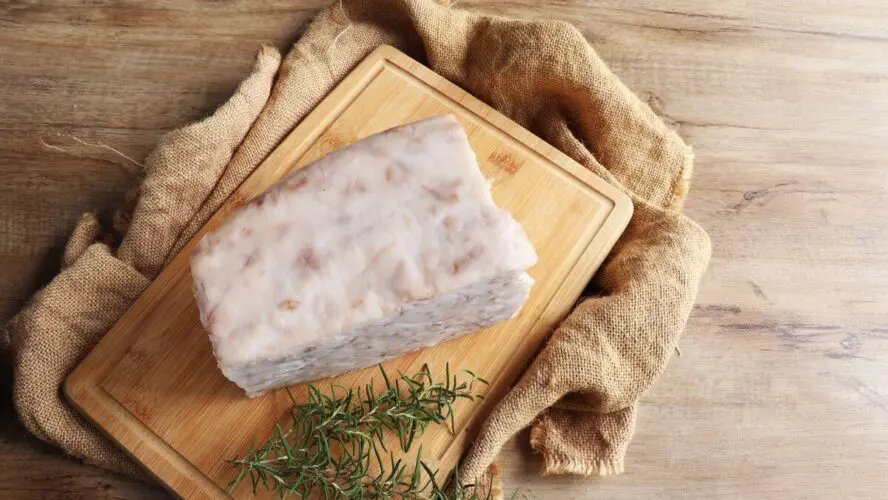
As the data illustrates, a single tablespoon of beef tallow delivers roughly 6.37 grams of saturated fat—consuming nearly one-third of an individual’s entire daily allowance in a single serving. It matches butter nearly pound-for-pound, whereas common plant-based oils hover between 0.9 and 2 grams of saturated fat per tablespoon.

The Full-Fat Dairy Contradiction
The mathematical impossibility of the current guidelines becomes starkly clear when combining different elements of the updated dietary recommendations. Consider a daily meal plan that incorporates standard full-fat dairy recommendations:
- One cup of whole milk: ~4.63 grams of saturated fat
- One cup of full-fat yogurt: ~5.14 grams of saturated fat
- One ounce of cheddar cheese: ~5.38 grams of saturated fat
Consuming just these three routine dairy items immediately accumulates approximately 15 to 16 grams of saturated fat. Adding even a single tablespoon of beef tallow or butter for cooking pushes the daily total to 21–23 grams, instantly breaching the recommended threshold before accounting for any other proteins, snacks, or oils consumed throughout the day.
Official Statements and Institutional Perspectives
The debate over beef tallow highlights a deepening divide between traditional epidemiological consensus and emerging, populist-driven nutritional guidance.

The Traditional Cardiovascular Stance
Mainstream cardiological organizations, including the American Heart Association (AHA), maintain that replacing saturated fats with unsaturated plant fats reduces the risk of cardiovascular disease. Saturated fats are known to increase low-density lipoprotein (LDL) cholesterol levels—the primary driver of arterial plaque buildup, atherosclerosis, and myocardial infarction. Major prospective studies, such as a landmark 2025 JAMA Internal Medicine analysis tracking over 220,000 adults across three decades, consistently demonstrate that substituting just one tablespoon of saturated animal fat (like butter) with plant-based oils (such as olive or avocado oil) correlates with a significant reduction in premature mortality.
The Pro-Tallow Narrative and Structural Bias
Proponents of beef tallow and red meat-heavy diets argue that blanket demonization of saturated fat is outdated. They point to specific fatty acid profiles within tallow, such as stearic acid (a long-chain saturated fatty acid considered more LDL-neutral than palmitic acid) and conjugated linoleic acid (CLA), which experimental models suggest may exhibit anti-inflammatory or anti-atherogenic properties.
However, independent public health researchers urge caution when evaluating the studies driving the pro-tallow movement. An investigative look into recent literature praising animal proteins and fats reveals significant financial and institutional entanglements. Many supportive review papers and data re-analyses explicitly declare funding or operational backing from agricultural marketing boards, including the Beef Checkoff program, the National Cattlemen’s Beef Association, and the Foundation for Meat and Poultry Research and Education. These institutional conflicts of interest raise legitimate questions regarding the objectivity of studies that conclude animal fats and red meats carry zero cardiovascular or inflammatory risks.
Future Outlook: Navigating the Noise
As the culinary and wellness worlds continue to grapple with the collision between internet health trends and rigorous nutritional science, consumers are left to chart a pragmatic middle course.
- Avoid False Binaries: Plant-based seed oils are not inherently toxic industrial poisons, nor is beef tallow an instantaneous cardiovascular hazard. Both operate within specific biochemical contexts.
- Context Matters More Than the Fat: Cooking an ultra-processed food—such as mass-produced french fries or potato chips—in artisanal, grass-fed beef tallow does not magically transform junk food into health food. The base ingredient and overall dietary pattern remain paramount.
- Prioritize Sourcing and Moderation: For individuals who genuinely prefer the culinary characteristics of beef tallow, sourcing high-quality, grass-fed products—which boast higher concentrations of omega-3 fatty acids and fat-soluble vitamins than grain-fed alternatives—is ideal. Nevertheless, due to its dense saturated fat profile, tallow should be utilized as an occasional culinary tool rather than a foundational daily lipid.
Ultimately, the trend toward beef tallow has outpaced absolute scientific validation. While it does not warrant absolute villainization, neither does it deserve an uncritical pedestal. Balancing culinary enjoyment with rigorous nutritional mathematics remains the most reliable strategy for long-term health.