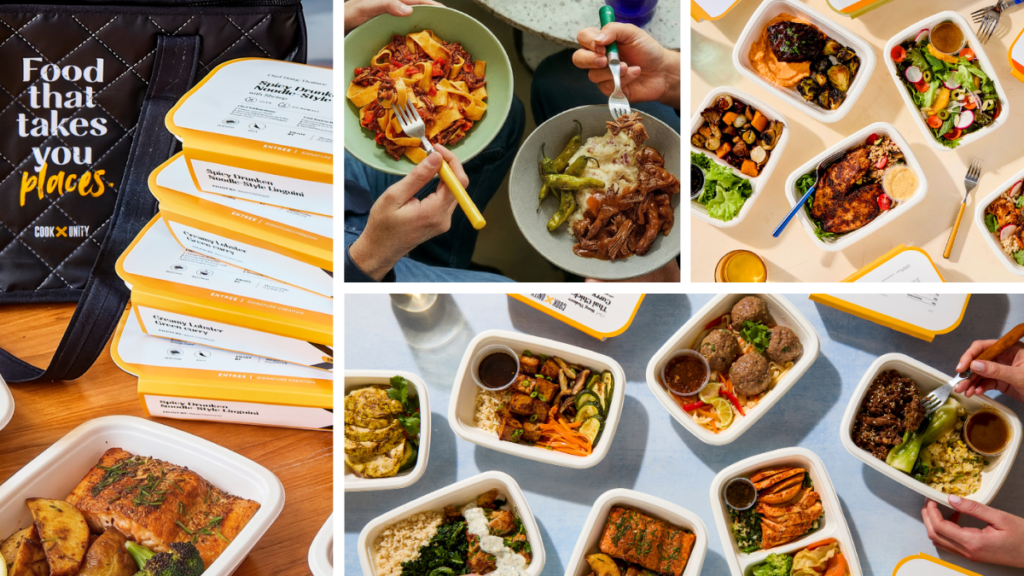
In the contemporary landscape of modern convenience, the perennial question of "What’s for dinner?" rarely goes unanswered. Between app-based takeout, grocery delivery algorithms, freezer aisles packed with processed shortcuts, and the ever-reliable local pizza parlor, hungry consumers are paralyzed by choice rather than scarcity. Yet, within this saturated market, a distinct tension has emerged: traditional meal kits still demand intensive prep work, cleanup, and knife skills, while mass-produced frozen or fresh heat-and-eat meals routinely sacrifice flavor profiles, ingredient freshness, and nutritional integrity for the sake of shelf stability.
Enter CookUnity, a market-disrupting ready-to-eat meal delivery service that claims to bridge the chasm between hyper-convenient convenience foods and high-end restaurant dining. Operating on a decentralized, chef-centric marketplace model rather than a singular centralized production kitchen, CookUnity partners with independent professional chefs to curate a massive, rotating weekly menu of fully prepared, chef-crafted dishes.
To evaluate these claims firsthand, Organic Authority deployed trained chef, recipe developer, and food writer Lizzy Briskin to undergo a comprehensive, hands-on review of a week-long CookUnity subscription. Testing everything from logistical delivery logistics and thermal integrity during peak summer heat to complex flavor profiles, nutritional transparency, and pricing value, this deep-dive analysis explores whether CookUnity truly delivers on its bold promise of restaurant-quality dining at home.
Detailed Chronology: The Week-Long Testing Methodology
To provide an authoritative and unbiased assessment, the evaluation of CookUnity was structured around a rigorous, multi-point rubric designed to mirror the actual consumer experience.
Phase 1: Onboarding and Menu Selection
The evaluation began with digital onboarding via CookUnity’s web platform. The sheer scale of the menu—featuring over 300 rotating weekly options—immediately set the service apart from traditional competitors. Utilizing granular dietary filters (including high-protein, low-sodium, gluten-free, low-carb, and GLP-1-friendly categories), the testing protocol narrowed down a diverse selection of lunches and dinners. Every chosen dish was scrutinized for transparency: full ingredient decks, macronutrient breakdowns, heating instructions, and the biographical profile of the originating chef were readily accessible.
Phase 2: Logistics, Delivery, and Thermal Resilience
Testing took place during the height of July and August, when ambient temperatures routinely exceeded 90 degrees Fahrenheit. This presented an ultimate stress test for cold-chain logistics. CookUnity boxes are shipped via regional delivery zones across the United States.
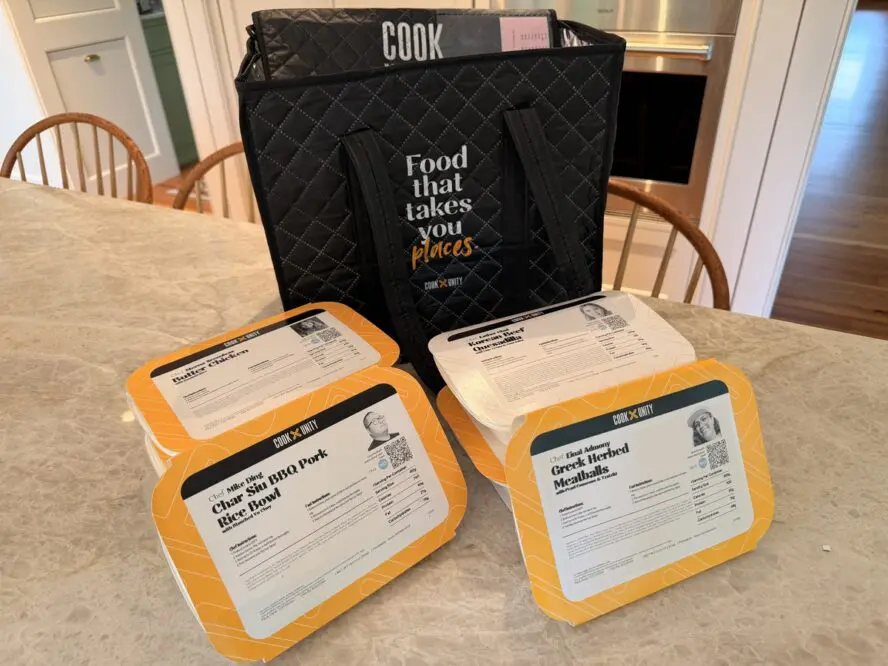
Upon arrival, the delivery packaging—consisting of heavily insulated liners and frozen gel packs—was meticulously inspected. Despite the punishing summer heat, the cold-chain held firm: the insulated bag kept the internal compartment chilled, and the gel packs remained mostly frozen. The meals themselves were cold to the touch, with crisp, vibrant vegetables and securely sealed proteins showing zero signs of spoilage or compromised packaging integrity.
Phase 3: Preparation and Culinary Execution
Over the course of seven days, the meals were subjected to standardized heating protocols. While CookUnity containers are explicitly microwave-safe, alternate heating methods (such as toaster ovens and stovetops) were utilized for specific dishes to assess texturized recovery.
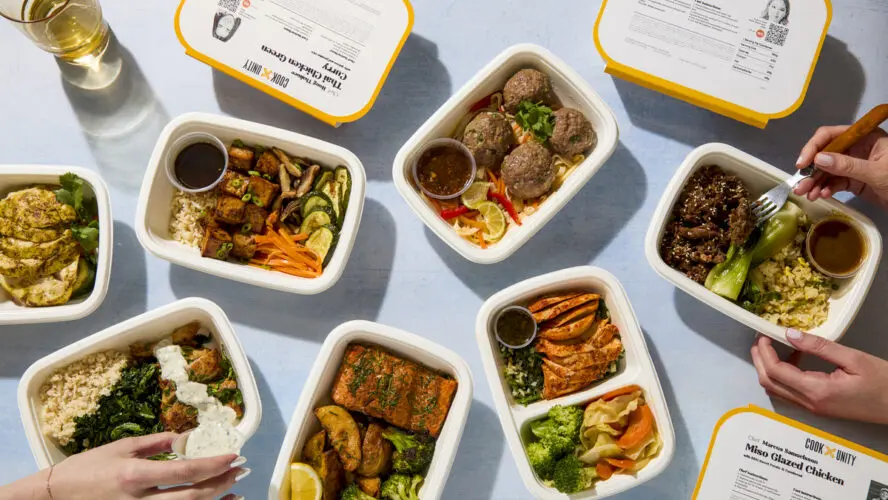
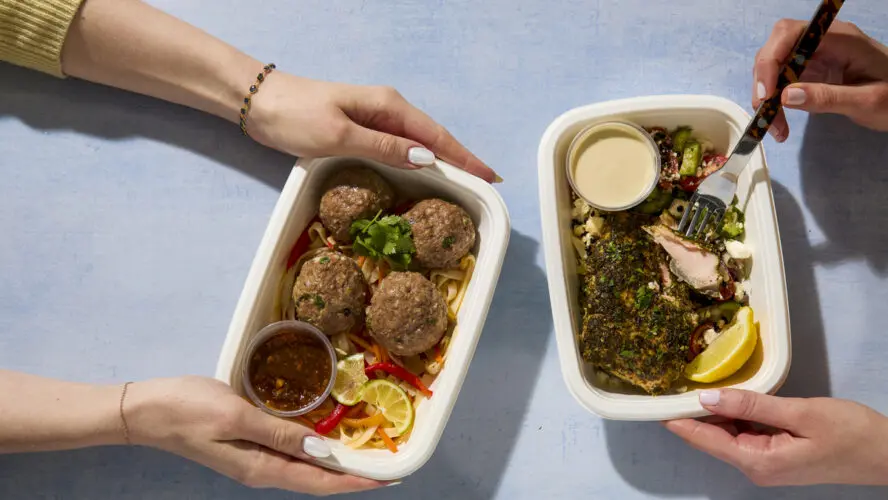
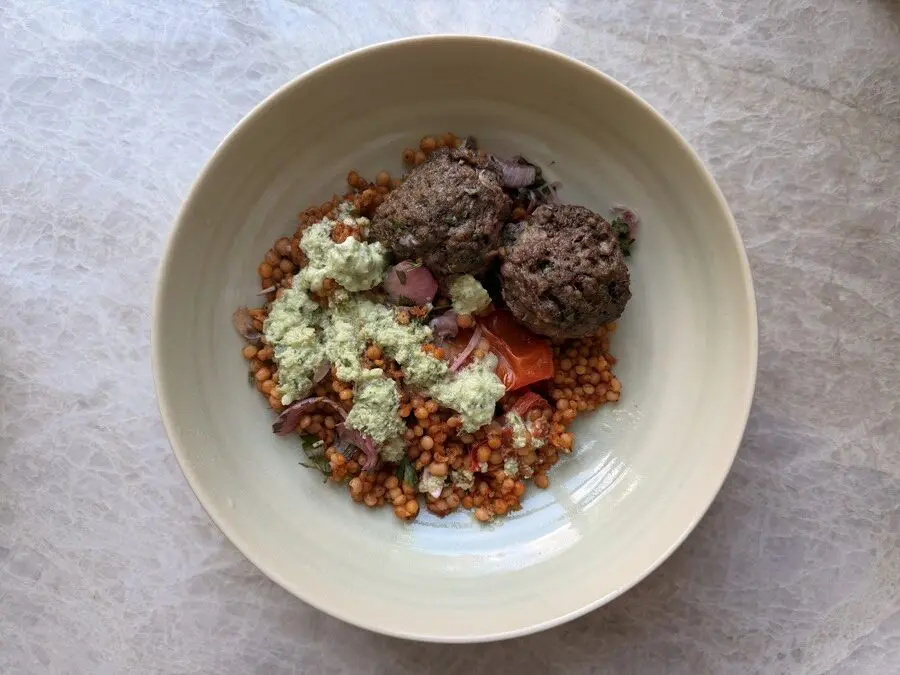
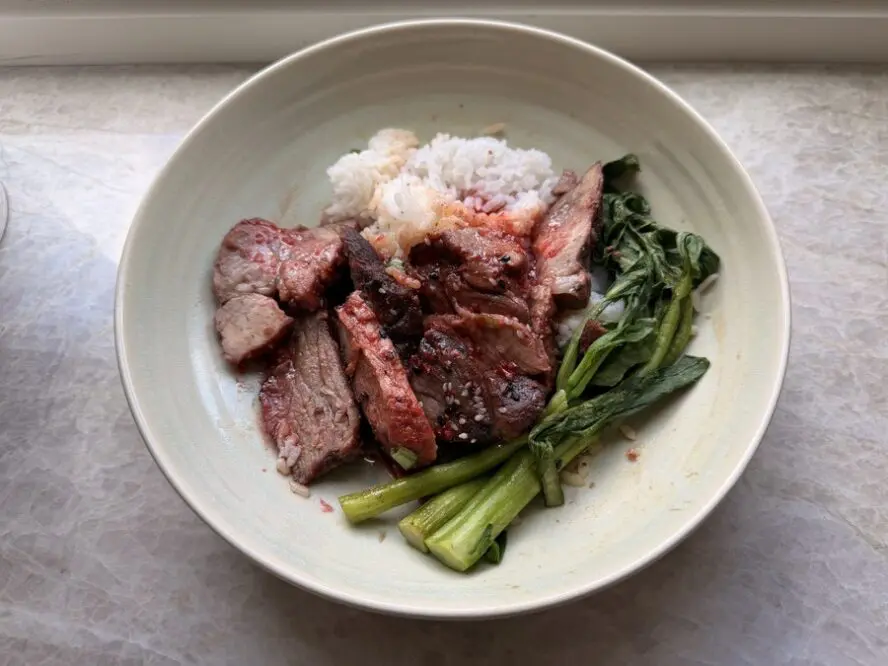
The Good: Complex sauces, deep reductions, and intricate condiments (such as those featured in the Char Siu BBQ Pork Rice Bowl and Greek Herbed Meatballs) shone through brilliantly. The seasoning on proteins was consistently sophisticated, far outpacing the flat flavor profiles of standard grocery-store ready meals.
The Challenges: Microwave reheating occasionally introduced textural anomalies; delicate proteins and starch-heavy components (like certain pastas and lean meats) occasionally bordered on rubbery when rushed through high-wattage microwaves. However, utilizing alternative heating methods easily circumvented these minor issues.
Supporting Context & Metrics: Evaluating the CookUnity Experience
To contextualize the findings, CookUnity’s performance was measured across seven distinct consumer metrics, graded on a professional scale to give readers a granular breakdown of its strengths and weaknesses.
Comprehensive Scoring Rubric
Evaluation Criteria
Score
Analytical Notes & Market Context
Menu Variety & Customization
9/10
Over 300 weekly options; highly accurate dietary filters; exceptional chef diversity spanning various global cuisines.
Food Quality & Sourcing
7/10
Fresh, premium ingredients upon arrival, though lacking centralized transparency regarding organic sourcing standards.
Nutritional Value
7.5/10
Detailed, highly accurate macro breakdowns and diverse nutritional profiles, though certain dishes run high in sodium.
Taste & Preparation
7.5/10
True restaurant-quality depths and complex sauces, though minor consistency fluctuations occur across different independent chefs.
Price & Value
6.5/10
Highly competitive within the prepared-meal category ($12.59+ per meal), but represents a premium expenditure relative to home cooking.
Convenience & Delivery
8/10
Robust cold-chain logistics, flexible scheduling, and zero-prep execution, tempered only by minor geographic delivery limitations.
Customer Service
8/10
Responsive support channels, straightforward subscription pausing/skipping, and hassle-free issue resolution.
The Marketplace Model vs. Centralized Production
Unlike traditional meal delivery services that mass-produce food out of one or two centralized industrial kitchens, CookUnity functions as a culinary incubator. Independent chefs contribute their own proprietary recipes to the marketplace. This architecture explains both the service’s greatest asset and its primary challenge:
The Advantage: Unmatched culinary creativity. Consumers can experience everything from spicy Korean barbecue to comforting truffle mac and cheese, rotating seamlessly between styles and techniques.
The Challenge: Minor inconsistencies. Because multiple kitchens and chefs prepare the meals across different regional hubs, an occasional dish may miss the mark—skewing slightly over-salted or under-sauced compared to a peer recipe.
Official Statements and Industry Insights
In analyzing the broader market impact of services like CookUnity, industry experts point to a fundamental shift in consumer behavior. Modern working professionals, dual-income households, and fitness enthusiasts are increasingly willing to pay a premium to reclaim their evening hours without resorting to fast food or highly processed frozen dinners.
"With CookUnity, I could really taste that a restaurant chef created the dish. I found the sauces and condiments were deep and complex, the proteins were nicely seasoned, and the vegetables were delicately prepared."
— Lizzy Briskin, Trained Chef and Food Writer
Furthermore, the brand’s commitment to cold-chain reliability was proven under extreme duress:
"Despite the 90-plus degree day, my meals arrived cold and in good condition. The veggies were still crisp and colorful, and the proteins were moist and tender."
While the service occupies a luxury tier—with plans ranging dynamically depending on volume and introductory promotions such as the exclusive OrganicAuthority community code (Organic50 for 50% off the first week)—industry analysts note that its pricing structure undercuts average metropolitan restaurant takeout while eliminating tips, delivery fees, and the friction of cooking and cleaning.
Future Outlook: Where the Prepared Meal Industry is Heading
As the direct-to-consumer food delivery market continues to mature, the trajectory of premium services like CookUnity points toward deeper personalization, tighter functional nutrition integration, and expanded regional logistics networks.
1. Functional and Health-Targeted Expansion
With the rapid rise of specialized nutritional regimes—such as high-protein fitness diets, diabetic-friendly low-glycemic meal plans, and the burgeoning demand for GLP-1 supportive weight-management diets—prepared meal services must adapt. CookUnity’s integration of precise macro tracking and targeted filters positions it well to capture health-conscious consumers who view food as a critical component of preventative wellness.
2. Supply Chain Transparency and Sourcing Evolution
A primary critique uncovered during this review is the current lack of uniform transparency regarding organic ingredient sourcing. As consumer awareness around regenerative agriculture, pesticide usage, and ethical supply chains intensifies, the next frontier for chef-driven marketplaces will likely involve tighter labeling standards and partnerships with certified organic and local purveyors.
3. Geographic Scaling and Infrastructure
While CookUnity currently services major metropolitan and suburban zones across the United States through its regional hubs, expanding coverage into underserved rural and midwestern markets remains a logistical hurdle. Overcoming these barriers through decentralized micro-kitchen networks will dictate the ceiling of the brand’s nationwide market penetration.
Final Verdict: Is CookUnity Worth the Investment?
Weighing the pros and cons, CookUnity successfully carves out a definitive space as one of the premier prepared meal delivery services on the market. It is not designed for consumers whose primary objective is rock-bottom grocery budgeting, nor is it tailored exclusively for those demanding a 100% certified-organic protocol.
However, for busy professionals, working parents, fitness enthusiasts, and food lovers who routinely find themselves staring down the barrel of expensive takeout or exhausted by the nightly cooking-and-cleaning cycle, CookUnity is a revelation. It transforms the mundane chore of weeknight eating into an exploratory culinary experience, offering genuine restaurant-caliber dishes that require nothing more than a microwave or oven and five minutes of patience.
For those looking to test the service, leveraging introductory offerings—such as the exclusive Organic50 discount code for 50% off the first week—provides an accessible entry point to explore a rotating menu that keeps the timeless question of "What’s for dinner?" remarkably fresh.