

Executive Overview
As the autumn season settles across the United Kingdom, turning lawns into carpets of crisp, fallen foliage and prompting the final clearance of seasonal flowerbeds, gardeners face a familiar annual challenge: managing organic waste. While autumn traditionally heralds a period of garden dormancy, horticultural experts increasingly recognize it as the most critical time of the year to lay the foundational groundwork for the following spring. Successfully clearing away decaying matter not only protects plants from fungal diseases and pest overwinters but also presents a prime opportunity to supercharge sustainable gardening practices right at home.
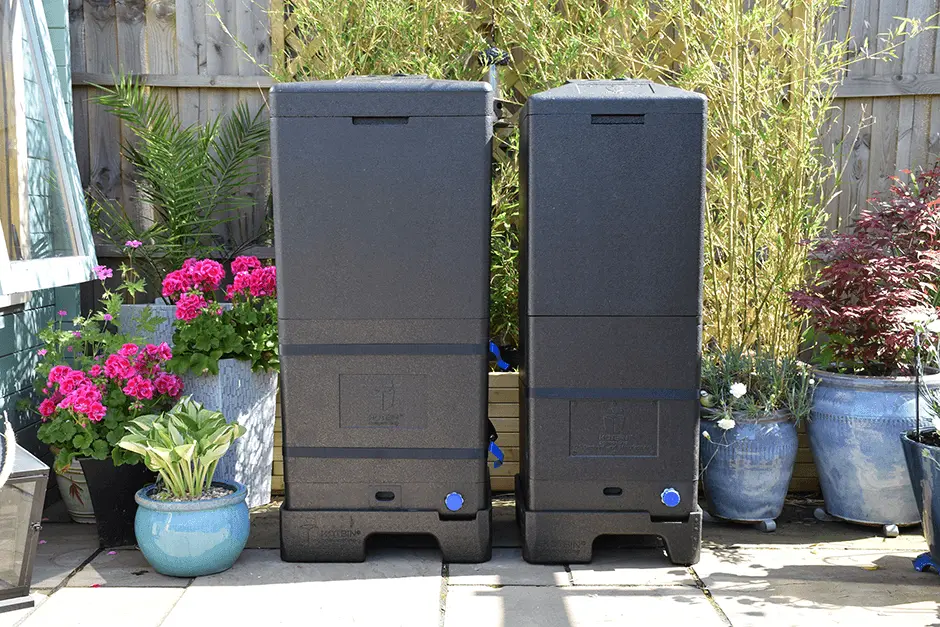
In a timely initiative aimed at revolutionizing domestic waste management, BBC Gardeners’ World Magazine has partnered with innovative composting pioneer HOTBIN to launch an exclusive, high-value giveaway. This competition offers two lucky participants the chance to secure a top-tier, scientifically engineered composting system designed to turn everything from autumn leaves and stubborn weeds to everyday kitchen scraps—including cooked leftovers and small bones—into nutrient-dense, peat-free compost in as little as 30 days.
With household sustainability under greater scrutiny than ever before, this collaboration bridges the gap between environmental responsibility and practical garden productivity. Recognized as a BBC Gardeners’ World Magazine Best Buy—acclaimed specifically as the fastest composter tested and the premier choice for compact spaces—the HOTBIN unit removes the traditional guesswork, long waiting times, and foul odors usually associated with organic decomposition.
This comprehensive report examines the mechanics of rapid hot composting, details the exclusive prizes up for grabs, explores the broader environmental metrics surrounding household food waste, and provides a clear guide on how UK residents can participate in this major seasonal giveaway before the deadline on November 9, 2026.
Detailed Chronology: The Evolution of Domestic Composting and the Rise of Rapid Thermal Systems
The Traditional Composting Bottleneck
For generations, home composting has followed a slow, passive trajectory. Traditional cold compost heaps rely on mesophilic microorganisms that break down organic matter at ambient temperatures. While effective over the long term, this method comes with significant structural drawbacks. Cold heaps typically require between nine months to two years to fully mature. Furthermore, because these piles rarely reach elevated temperatures, weed seeds remain viable, and pathogens survive the decomposition process. Most crucially, traditional cold heaps cannot safely process cooked food, dairy, meat scraps, or pet waste without attracting vermin, meaning significant portions of average household waste streams are routinely diverted straight to municipal landfill sites or general refuse bins.
The Thermal Breakthrough
The introduction of aerobic thermophilic composting—popularized commercially by systems like the HOTBIN—marked a paradigm shift in how domestic waste is processed. By harnessing the natural metabolic heat generated by billions of bacteria when supplied with the correct balance of carbon-rich materials ("browns") and nitrogen-rich materials ("greens"), thermal composting systems elevate internal temperatures to between 40°C and 60°C (and occasionally higher).
This elevated thermal environment acts as a biological accelerator. Complex organic molecules are broken down at a radically accelerated rate, allowing materials that normally take seasons to rot to transform into rich soil conditioners within weeks. Over the past decade, advancements in insulation materials and aeration engineering have allowed manufacturers to scale these industrial-grade principles down to sleek, domestic units suitable for suburban gardens, urban courtyards, and small patios.
The BBC Gardeners’ World Magazine Best Buy Validation
The culmination of this technological evolution reached a milestone when independent testing panels at BBC Gardeners’ World Magazine rigorously evaluated a wide spectrum of domestic composting systems. Subjecting each unit to stringent stress-tests measuring decomposition speed, thermal retention, ease of harvesting, spatial efficiency, and build quality, the review board designated the HOTBIN as a definitive Best Buy.
The evaluation highlighted two standout metrics that elevated the system above its competitors:
- Unrivaled Speed: The HOTBIN proved to be the fastest composter ever tested by the publication, achieving harvestable compost in a fraction of the time required by standard bins.
- Spatial Optimisation: Despite boasting substantial volumetric capacities (available in 100-litre and 200-litre models), the vertical, compact footprint secured its status as the ideal solution for small spaces where sprawling garden heaps are simply not feasible.
This official endorsement cemented the product’s reputation as a gold standard in modern horticulture, paving the way for targeted collaborative initiatives—such as the current giveaway—to bring high-efficiency composting into everyday British households.
Supporting Context & Metrics: The Environmental Imperative of At-Source Waste Processing
The UK Food Waste Crisis
To fully appreciate the significance of high-performance domestic composting, one must examine the broader macroeconomic and environmental metrics governing organic waste in the United Kingdom. According to comprehensive data compiled by environmental action charity WRAP (Waste and Resources Action Programme), UK households generate millions of tonnes of food and garden waste annually. A staggering percentage of this organic material is needlessly dispatched to landfills or energy-from-waste incinerators.
When organic matter enters the anaerobic (oxygen-starved) environment of a landfill, it decomposes without access to air, releasing methane—a greenhouse gas with a global warming potential significantly more potent than carbon dioxide over a 20-year timescale. By diverting food scraps, vegetable peelings, and cooked leftovers away from municipal waste streams and processing them aerobically at home, individuals can directly mitigate their personal carbon footprints.
The Peat-Free Horticultural Mandate
Concurrently, the British horticultural industry is undergoing a historic transition away from the use of peat in growing media. Peat bogs are among the world’s most effective natural carbon sinks, capturing millions of tonnes of carbon dioxide. For decades, however, commercial horticulture relied heavily on extracted peat for potting soils and soil improvers.
With government regulations and industry pledges increasingly restricting and ultimately banning the sale of peat to amateur gardeners, the demand for high-quality, homemade, peat-free alternatives has skyrocketed. Composting kitchen and garden waste does not merely solve a disposal problem; it manufactures the exact organic soil amendment required to sustain modern, eco-friendly gardening. Nutrient-rich compost improves soil structure, enhances water retention, buffers soil pH, and supplies a slow-release spectrum of macro- and micronutrients essential for robust plant health.
The Mechanics of the HOTBIN System
The technical superiority of the HOTBIN lies in its advanced engineering and thermal retention properties:
- High-Density Expanded Polypropylene (EPP) Insulation: Unlike traditional thin-walled plastic bins that fluctuate wildly with ambient weather conditions, the thick EPP walls of the HOTBIN act much like a high-performance thermos flask. They trap the biological heat generated by the aerobic bacteria, maintaining internal operating temperatures between 40°C and 60°C even during freezing winter months.
- All-Season Operation: Because the thermal core remains active year-round, decomposition does not halt when autumn turns to winter. Gardeners can continue feeding the bin throughout the colder months, maintaining a continuous cycle of waste reduction.
- Expanded Diet Capability: Traditional composting rules dictate strict prohibitions against meat, fish, dairy, cooked food, citrus peels, and dog/cat waste due to odor and pest risks. The intense heat of the HOTBIN safely breaks down these complex lipids and proteins quickly, effectively vaporizing pathogens and preventing scavenging pests from breaching the sealed unit.
Official Statements and Prize Details
What the Winners Will Receive
The current collaborative giveaway is designed to provide winners with an all-inclusive toolkit capable of launching their hot composting journey immediately upon delivery. Two distinct prize bundles are available, allowing winners to tailor their selection to their specific garden dimensions and household waste volumes.
Option A: The HOTBIN Mini 100-litre Essentials Bundle (Valued at £243)
- The HOTBIN Mini Composter (100 Litres): Engineered specifically for smaller households (1–3 people), urban gardens, courtyards, or patios. It delivers the same high-temperature performance as its larger counterpart while occupying a minimal spatial footprint.
- The HOTBIN Plinth: A robust structural base designed to elevate the composter off the ground. Beyond facilitating better air circulation underneath the unit, the plinth raises the harvest hatch height, making it remarkably easy to slide a collection bucket underneath to harvest rich liquid fertiliser (often referred to as "liquid gold").
- The HOTBIN Garden Kneeler: An ergonomic, high-density comfort accessory designed to protect joints during prolonged gardening sessions, whether weeding autumn beds, planting spring bulbs, or harvesting finished compost.
Option B: The HOTBIN 200-litre Essentials Bundle (Valued at £313)
- The HOTBIN 200-litre Composter: The flagship full-sized unit, perfectly proportioned for medium-to-large households (3–5+ people) or gardens with substantial volumes of autumn leaves, perennial cuttings, and lawn clippings.
- The HOTBIN Plinth: Custom-engineered for the 200-litre footprint to streamline liquid fertiliser collection and ease access to the lower harvest door.
- The HOTBIN Garden Kneeler: Premium ergonomic support ensuring physical comfort throughout rigorous seasonal garden maintenance routines.
Expert Perspectives on Sustainable Horticulture
Horticultural scientists and sustainability advocates have consistently praised the integration of thermal composting into domestic routines.
“The greatest hurdle for urban and suburban gardeners has always been the sheer friction of traditional composting—waiting two years for a heap to rot down, or struggling with pests because meat and cooked scraps were added by mistake,” notes a leading organic gardening specialist. “Systems like the HOTBIN fundamentally rewrite the rules. By demonstrating that high-efficiency biological processes can be housed in a clean, compact unit, brands are empowering ordinary citizens to take direct, measurable ownership of their household waste. Winning a bundled kit like this represents an immediate upgrade to any garden’s ecological productivity.”
Future Outlook: The Next Generation of Sustainable Urban and Suburban Living
The Convergence of Waste Management and Food Production
As urban planning and residential architecture increasingly embrace the principles of the circular economy, the boundary between consumer and producer is blurring. The modern kitchen is no longer viewed solely as a destination for raw ingredients, but as the starting point of an intricate biological loop.
When food trimmings, coffee grounds, eggshells, and garden clippings are systematically fed into an insulated thermal composter, they are transformed within weeks into dark, crumbly humus. This humus is then returned directly to raised beds, vegetable patches, and container gardens to nourish the next generation of edible crops. This closed-loop model minimizes reliance on commercial chemical fertilisers and drastically reduces the volume of organic matter transported via carbon-heavy municipal collection fleets.
Looking Ahead to 2026 and Beyond
Initiatives such as the BBC Gardeners’ World Magazine and HOTBIN giveaway are indicative of a broader cultural shift. As climate consciousness deepens and municipal authorities face mounting financial and environmental pressures regarding waste processing, empowering citizens at the grassroots level will remain paramount.
Technological refinements in domestic waste reduction show no signs of slowing. Future iterations of aerobic composters are expected to incorporate smart-sensor technology—monitoring internal moisture levels, carbon-to-nitrogen ratios, and core temperatures in real-time via smartphone applications. Yet, even in its current state of refined mechanical engineering, the HOTBIN represents an accessible, highly effective vanguard for sustainable living.
Conclusion and Call to Action
Transforming your garden for winter while slashing your household’s environmental impact has never been more achievable. Whether you are battling mountainous piles of autumn foliage, seeking a reliable way to process kitchen scraps without attracting pests, or aiming to produce your own peat-free organic fertiliser for the upcoming growing season, securing a high-performance hot composting system offers a definitive, long-term solution.
Competition Reminder:
- Eligibility: Open to UK residents aged 18 and over.
- Deadline: Entries must be submitted by 23:59 on 9 November 2026.
- Action: Visit the official BBC Gardeners’ World Magazine competition portal, review the full terms and conditions, submit your correct answer to the designated question, and take your first step toward mastering the art of rapid, sustainable home composting.



