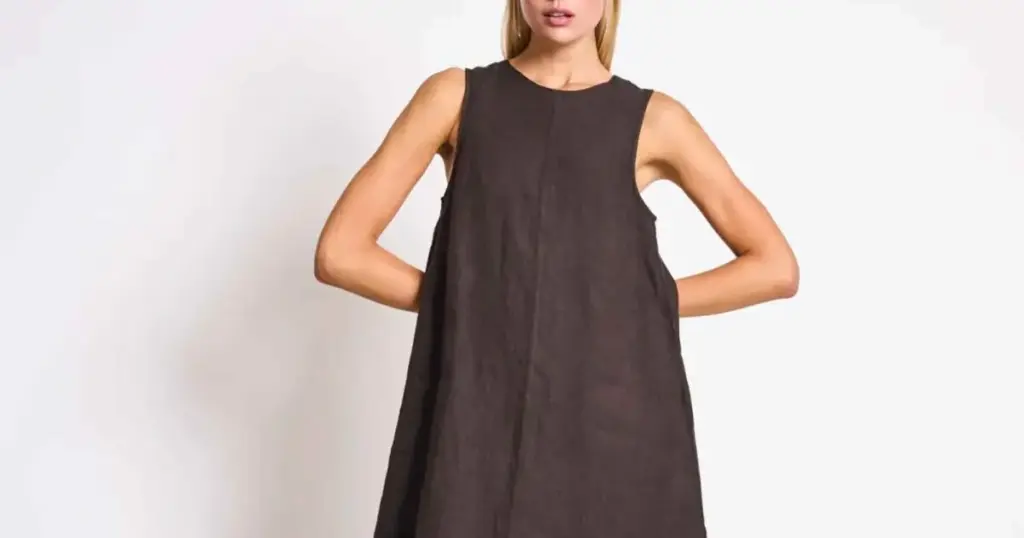
Executive Overview
As climate change accelerates, extreme weather events have transitioned from seasonal anomalies to predictable, alarming realities. Across Europe and much of the Northern Hemisphere, consecutive summers bring unprecedented heatwaves that shatter historical temperature records. In these sweltering conditions, the immediate human instinct is pure survival: shedding layers, seeking shade, and grabbing whatever garment promises the most immediate relief. In the rush to stay cool, considerations of environmental impact, ethical manufacturing, and material provenance often fall by the wayside.
However, a warming planet demands a paradigm shift in how we approach our wardrobes. The good news for conscious consumers is that nature has already provided the ultimate solutions. Many of the world’s most breathable, high-performance warm-weather materials—such as organic linen, hemp, and innovative plant-based fibers—are also among the most ecologically responsible.
This comprehensive guide explores the intersection of climate resilience and sustainable fashion. By examining how to curate a heatwave-ready wardrobe without compromising ethical standards, we highlight actionable strategies across five key categories: lightweight materials, eco-conscious activewear, sun protection, non-toxic suncare, and sustainable swimwear. Alongside these strategies, we spotlight pioneering ethical brands that are proving style, comfort, and planetary stewardship can coexist even under the harshest sun.
Detailed Chronology: The Evolution of the Summer Wardrobe Crisis
To understand why our approach to hot-weather dressing requires a modern overhaul, it is helpful to look at how the fashion industry and climate patterns have evolved over the past few decades.
- The Late 20th Century (The Rise of Synthetics): Following the mass commercialization of polyester, nylon, and acrylic in the mid-20th century, the global fashion market underwent a profound shift. Cheap, durable, and wrinkle-resistant synthetic fibers became the backbone of both everyday apparel and athletic wear. Consumers were conditioned to equate synthetic fabrics with convenience, overlooking their petroleum origins and thermodynamic shortcomings.
- The Fast Fashion Boom (Turn of the Millennium): The proliferation of fast fashion accelerated the production of ultra-cheap, disposable garments. Summer collections became dominated by thin, low-quality virgin polyester and nylon blends. While inexpensive, these garments trap heat and moisture, turning summer outfits into suffocating microclimates while inundating landfills and oceans with microplastics.
- The Climate Realignment (2010s–Present): As global temperatures reached record highs year after year, heatwaves intensified in both frequency and duration. Consumers began experiencing the physical limitations of synthetic clothing firsthand. Simultaneously, scientific disclosures regarding microplastic shedding from synthetic activewear and swimwear sparked a consumer awakening. The modern sustainable fashion movement recognized an urgent need: clothing must evolve to protect wearers from extreme heat while protecting ecosystems from further degradation.
Supporting Context & Metrics: The Science of Summer Fabrics and Environmental Impact
To make informed choices during a heatwave, consumers must understand the mechanics of textiles and their ecological footprints. The materials we choose dictate not only our personal comfort—measured by breathability and moisture management—but also our planetary footprint, measured by water consumption, carbon emissions, and end-of-life biodegradability.
Opting for Lighter, Responsible Materials
In warm, sticky environments, heavy fabrics are non-starters. Yet, not all lightweight materials are created equal. Traditional cotton, while breathable, is notoriously water-intensive and often relies heavily on synthetic pesticides unless certified organic.
- Organic Linen and Hemp: These are the gold standards for sustainable summer wear. Derived from flax and cannabis plants respectively, they require minimal irrigation and chemical intervention. When left unblended and free of toxic synthetic dyes, they are fully biodegradable. Furthermore, linen and hemp fibers possess natural hollow structures that allow maximum airflow, drying rapidly and keeping the skin cool.
- TENCEL Lyocell and Recycled Cotton: TENCEL Lyocell, produced from sustainably managed wood sources in a closed-loop system that recycles 99% of non-toxic solvents, offers exceptional breathability and moisture absorption. Combined with recycled cotton, these materials divert waste from landfills while delivering the lightweight feel essential for scorching days.
Spotlight: Brands Leading the Material Revolution
Several innovative labels are anchoring their collections in these superior, lower-impact materials:
- JAN & ‘N JUNE: Hailing from Hamburg, this transparent, fair-fashion label was founded by young female entrepreneurs who sought to bridge the gap between minimalist, high-end design and affordability. Offering sizes XS to XL, JAN & ‘N JUNE utilizes sustainable materials to craft contemporary, breathable essentials that honor both people and the planet. Explore their ratings on Good On You or shop their collection directly.
- SUI: Based in Delhi, Indian label SUI creates gorgeous, breezy womenswear designed for inclusivity, offering sizes 2XS to 2XL. Crafted in their local workshop, SUI embodies artisanal care and eco-conscious design. View SUI’s brand rating and browse their latest styles.
- CARPASUS: For menswear, Swiss brand CARPASUS delivers fine shirts, ties, socks, and pocket squares (EU sizes 36–46) using GOTS-certified organic cotton. By manufacturing locally and maintaining strict supply chain traceability, CARPASUS ensures living wages for workers while drastically minimizing its carbon footprint. Check CARPASUS’s rating and shop their menswear line.
Activewear and Sun Protection: Rethinking Performance and Shielding
Choosing Non-Synthetic, Breathable Activewear
Even when resting, rising temperatures trigger perspiration. Traditional activewear relies heavily on virgin polyester and nylon—materials that act like plastic wrap, blocking airflow and trapping heat while shedding microscopic plastic fibers into water systems with every wash.
Forward-thinking activewear brands are disrupting this model by utilizing high-performance, plant-based alternatives like bamboo-viscose and TENCEL Lyocell. These fabrics offer natural moisture-wicking and odor-resistant properties without the ecological baggage of synthetics.
- Tripulse: This Swedish activewear brand champions high-performing, plastic-free garments designed to protect both people and the planet. Believing that physical and mental fitness fuels positive global change, Tripulse offers size-inclusive options ranging from XS to 6XL. Discover Tripulse’s impact rating and shop their sustainable activewear.
Blocking Out the Sun
Escaping the direct glare of a summer heatwave is nearly impossible, but accessorizing responsibly can mitigate UV exposure without harming the environment.
- Sunglasses: Look for frames crafted from recycled plastics, sustainably harvested bamboo, wood, or bio-acetate rather than virgin petroleum plastics.
- Hats: Apply the core principles of breathable textiles. Opt for wide-brimmed hats made from organic linen, hemp, or certified organic cotton.
- tentree: Canadian eco-pioneer tentree plants ten trees for every item purchased, contributing to global ecosystem restoration and community employment (with over 65 million trees planted to date). Their Earth-first apparel (sizes XS–XL) is manufactured under safe working conditions using lower-impact and recycled materials. Check tentree’s rating and explore their collection.
Sunscreen and Swimwear: Protecting Skin and Marine Ecosystems
Suncare Without Pollutants
Protecting skin from UV radiation is essential, but conventional sunscreens often contain chemical pollutants—such as oxybenzone, nano zinc oxide, and titanium dioxide—that wash off in oceans and rivers, contributing to coral bleaching and aquatic toxicity.
- Odylique: Specializing in vegan beauty and suncare products tailored for sensitive skin, Odylique ensures all ingredients meet the stringent organic standards of the Soil Association. Explore Odylique’s range and view their ethical rating.
Sustainable Swimwear
Taking a refreshing dip in natural bodies of water is one of the greatest reliefs during a heatwave, yet traditional swimwear is one of the most environmentally challenging categories in fashion, dominated by virgin nylon and spandex.
To minimize impact, look for garments crafted from regenerated materials like ECONYL (made from recycled ghost fishing nets and industrial waste) or natural antimicrobial hemp. Combined with mindful washing habits and garment longevity, these alternatives significantly reduce the footprint of bikinis, trunks, and one-pieces.
- Natasha Tonic: This innovative brand utilizes a natural hemp-based fabric that is naturally antimicrobial, UV-resistant, and exceptionally durable. Each piece is hand-printed in sizes XS to XL, ensuring unique designs that are gentle on both skin and oceans. See Natasha Tonic’s rating and shop their swimwear.
- ColieCo: Operating out of Portugal, ColieCo crafts premium lingerie, underwear, and swimwear (sizes 2XS–3XL) using a made-to-order model. Every garment is manufactured exclusively from responsibly sourced, lower-impact fabrics. Check ColieCo’s rating and shop with an exclusive 10% discount (applied automatically at checkout).
Official Statements and Industry Perspective
As consumer demand for climate-adaptive fashion grows, industry watchdogs emphasize the need for systemic accountability. Editors at Good On You, the world’s leading authority on ethical brand ratings, emphasize that sustainability and climate resilience are deeply interconnected:
"Heatwaves are testing our endurance, but they are also testing the integrity of our consumer choices. We do not need to sacrifice our ethics for the sake of comfort. By understanding material science—favoring linen, hemp, and TENCEL over petroleum-based synthetics—we can protect our bodies from extreme heat while safeguarding the planet from further environmental degradation. The brands leading this charge prove that style, transparency, and responsibility can seamlessly merge."
Future Outlook
Looking ahead, the intersection of climate change and fashion will likely define the retail landscape of the mid-21st century. As summer temperatures continue to climb, extreme weather readiness will move from a niche market concern to a baseline consumer expectation.
Industry analysts project accelerated investment in regenerative agriculture, closed-loop recycling infrastructure, and bio-based textile innovations. Consumers will increasingly demand absolute transparency regarding supply chain emissions, water usage, and end-of-life recyclability. By shifting away from disposable, heat-trapping synthetics and supporting verified ethical brands, shoppers can actively participate in building a more resilient, equitable, and sustainable fashion future.
Editor’s Note
Good On You publishes the world’s most comprehensive ratings evaluating fashion and beauty brands based on their impact on people, the planet, and animals. Explore thousands of rated brands today using the Good On You Directory.
Ethical brand ratings. There’s an app for that. Wear the change you want to see by downloading the Good On You app to discover ethical brands and check how your favorite labels measure up.