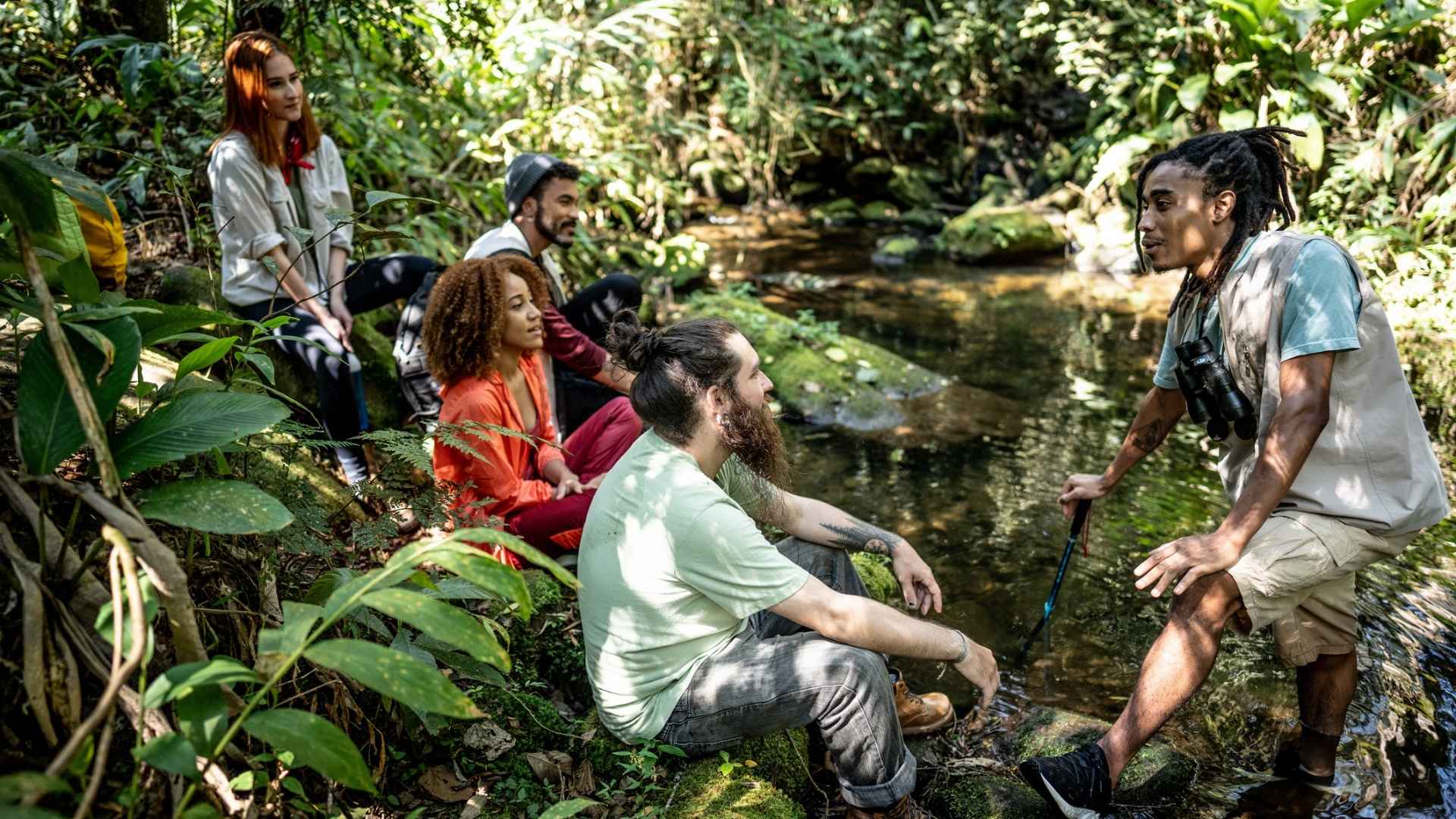
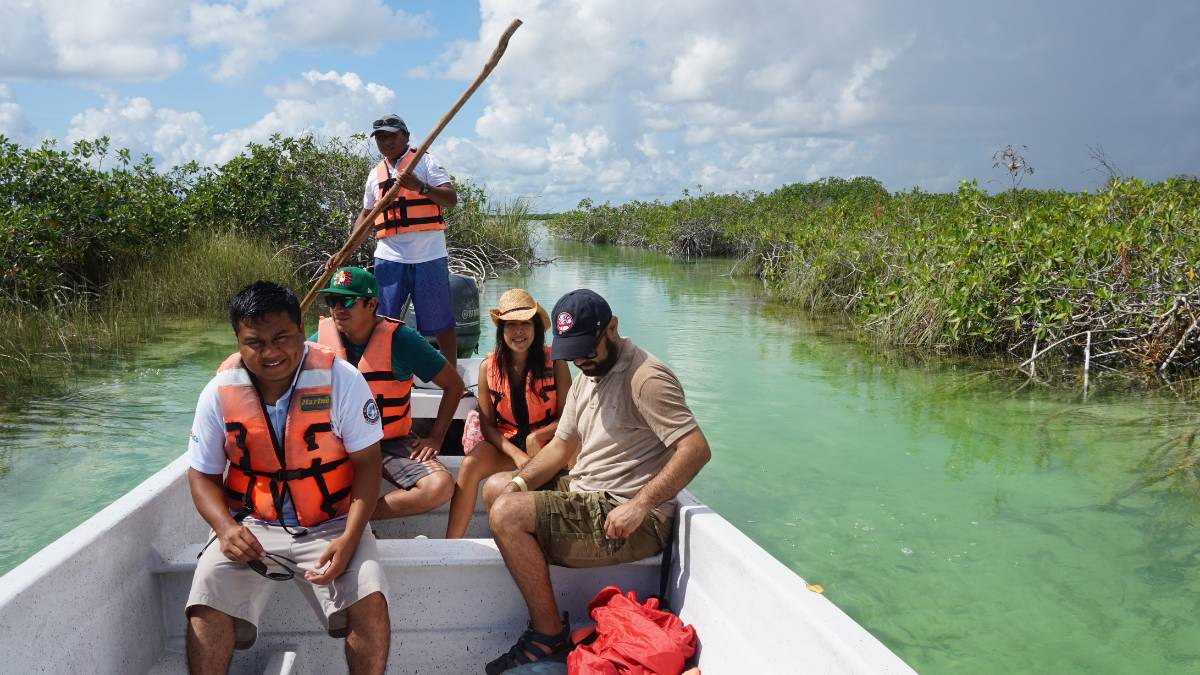
As modern globetrotters become increasingly conscious of their environmental and socioeconomic footprints, the tourism industry faces a profound reckoning. Traditional mass tourism—characterized by unregulated visitor volumes, excessive carbon emissions, and exploitative economic models—has left a trail of degradation across some of the planet’s most fragile ecosystems and vulnerable communities. In response, a transformative paradigm has emerged: ecotourism. Far more than a mere marketing buzzword or a clever rebranding of nature-based travel, true ecotourism is a rigorous, principle-driven methodology designed to actively protect natural habitats, preserve cultural integrity, and ensure that local populations thrive alongside the travel economy.
The concept of ecotourism rests on a foundational commitment: that travel must be a restorative force. It is not enough for an itinerary simply to minimize harm; authentic ecotourism demands that every journey generates measurable, positive outcomes for conservation and community development. By moving beyond passive appreciation, ecotourism bridges the gap between global explorers and local stewards, establishing a symbiotic relationship where tourism revenue directly underpins ecological preservation and indigenous sovereignty.
However, as consumer demand for "green" travel surges, the industry has become plagued by "greenwashing"—superficial marketing campaigns that cloak unsustainable practices in eco-friendly terminology. To help travelers discern authentic experiences from deceptive marketing, and to provide tourism operators with a practical blueprint for operations, this comprehensive analysis examines the seven core principles of ecotourism. Through a deep dive into real-world case studies spanning the Galápagos Islands, Chilean Patagonia, the Mexican Caribbean, the high Himalayas, and beyond, we explore what these principles truly demand on the ground, offering an authoritative guide for conscious travelers and industry leaders alike.
Detailed Chronology and Evolution of Ecotourism
To understand where ecotourism stands today, it is essential to trace its historical trajectory from a niche conservation philosophy into a global socio-economic movement.
The Late 20th Century (The Genesis): The term "ecotourism" began circulating in academic and conservation circles in the 1970s and 1980s, galvanized by a growing realization that developing nations often sacrificed natural resources for short-term economic gains. Conservationists argued that if protected areas could generate direct financial returns through low-impact visitation, local governments and communities would have a powerful incentive to preserve them rather than exploit them.
The 1990s (Institutionalization and Standards): As commercial interest grew, the need for formal definitions became urgent. The International Ecotourism Society (TIES) defined ecotourism in 1990 as "responsible travel to natural areas that conserves the environment, sustains the well-being of the local people, and involves interpretation and education." Concurrently, iconic destinations like the Galápagos Islands began implementing landmark regulatory frameworks—such as the Special Law for the Galápagos in 1998—to cap cruise tourism and safeguard isolated marine and terrestrial ecosystems.
The 2000s–2010s (Community Empowerment and Certification): The paradigm shifted from mere conservation for nature to conservation with people. Indigenous cooperatives, such as the Maya-run cooperatives in Mexico’s Sian Ka’an Biosphere Reserve and the Paiter Suruī people in the Brazilian Amazon, began taking ownership of tourism operations on their ancestral territories. Global standard-setting bodies, including the Global Sustainable Tourism Council (GSTC), emerged to establish universal baseline criteria for sustainability in travel.
The Present Day (The Imperative of Adaptive Management): Today, ecotourism faces the dual pressures of post-pandemic revenge travel and accelerating climate change. Destinations worldwide are moving past static visitor caps toward sophisticated, data-driven adaptive management strategies. From Sedona’s community-informed transit shifts to Bolivia’s indigenous-run Chalalán Ecolodge, modern ecotourism is defined by continuous engagement, radical transparency, and an unwavering commitment to shared socio-ecological benefits.
Supporting Context & Metrics: The Seven Pillars in Action
Authentic ecotourism operates through seven interdependent principles. Each principle addresses a specific vulnerability in the tourism ecosystem, transforming potential threats into opportunities for regeneration.
Principle #1: Minimize Negative Environmental and Wildlife Impacts
Nature-based tourism frequently brings travelers into fragile environments where foot traffic, engine noise, waste generation, and wildlife harassment can cause irreversible ecological damage. This principle calls for aggressive harm reduction, low-impact infrastructure, waste minimization, and adaptive visitor management.
The Galápagos Islands (Ecuador): Isolated for millions of years, the Galápagos archipelago hosts wildlife that evolved without natural predators, rendering species exceptionally vulnerable to human disturbance. Today, 97% of the land is designated as a national park, surrounded by a highly biodiverse marine reserve. Since 1998, cruise tourism has been strictly capped, and all visitors must travel with licensed naturalist guides along designated trails. Furthermore, renewable energy investments have dramatically reduced the risk of catastrophic fuel spills—a vital precaution given historical tanker accidents that decimated local marine iguana populations.
Svalbard Archipelago (Norway): In the high Arctic, even minor disturbances can have outsized ecological consequences. Operators like Svalbard Wildlife Expeditions combat this by centering their itineraries on non-motorized travel. Guests explore by foot, kayak, or skis, eliminating engine noise and drastically cutting carbon emissions while adhering strictly to leave-no-trace protocols.
Principle #2: Minimize Negative Impacts on Communities and Cultures
Nature is never merely an aesthetic attraction; it is the physical and cultural foundation of local communities. Unchecked tourism can degrade sacred natural sites, exhaust scarce resources (such as water in arid regions), and price residents out of shared spaces.
Sedona, Arizona (USA): Facing severe congestion, traffic pollution, and noise from traditional tourism, this desert community pivoted toward a community-informed management model. Sedona invested in alternative transit solutions, redirected foot traffic away from saturated trails, increased trail maintenance funding, and placed strict limits on helicopter flight paths over residential neighborhoods to preserve the quality of life for its residents.
Principle #3: Provide Financial Benefits for Conservation
Ecotourism is inherently transactional in its dedication to regeneration. Visitor expenditures—such as park fees, trekking permits, and direct donations—must be funneled directly back into ecosystem protection, habitat restoration, and anti-poaching operations.
Torres del Paine National Park (Chile): Welcoming over 350,000 annual visitors to its granite peaks and glaciers, the park utilizes the Legacy Fund to channel contributions from travelers and lodges into priority restoration projects, including fixing eroded trails, reforesting wildfire-scarred areas, and protecting the endangered huemul deer.
Volcanoes National Park (Rwanda): To safeguard the critically endangered mountain gorilla population—which has rebounded from the brink of extinction to approximately 600 individuals—Rwanda instituted a USD $1,500 gorilla trekking permit fee. This revenue directly finances specialized tracking teams, snare-removal patrols, veterinary care, and habitat expansion.
Principle #4: Provide Economic Benefits for Local Communities
For conservation to endure, local populations must reap tangible economic rewards from the protection of their natural surroundings. Ecotourism creates living-wage employment, supports community enterprises, and preserves traditional livelihoods.
Sian Ka’an Biosphere Reserve (Mexico): A Maya-run cooperative offers low-impact, small-group excursions led by indigenous guides. By cutting out outside intermediaries, participating communities have seen household incomes rise by roughly 30%, establishing a viable, sustainable economic alternative to environmentally destructive practices like illegal logging and poaching.
Rural Nepal: The Community Homestay Network (CHN) pairs nature exploration with immersive cultural homestays. By training local hosts—predominantly women—in hospitality and enterprise management, the network has generated over USD $139,000 in direct local value across 28 distinct communities.
Principle #5: Empower Indigenous and Local Communities as Equal Partners
Historically, indigenous peoples have been relegated to the periphery of the tourism industry, serving merely as cultural props or underpaid labor. Ecotourism subverts this dynamic by positioning communities as decision-makers, co-owners, and architects of tourism policy on their ancestral lands.
The Paiter Suruī People (Brazilian Amazon): Rather than working for external tour operators, the indigenous Paiter Suruī founded their own agency to manage visitor access to their territory. Community members host forest walks, share oral histories, and operate botanical gardens and traditional eateries, ensuring that tourism strictly aligns with their cultural preservation and environmental defense priorities.
Principle #6: Build Awareness and Respect
Education is the beating heart of ecotourism. It transforms a standard vacation into an intellectual and emotional exchange, ensuring that travelers depart with a profound comprehension of local ecosystems and human cultures.
Pacuare Reserve (Costa Rica): At this renowned conservation site, visitors participate in guided night patrols to monitor nesting leatherback turtles. Working alongside professional researchers, travelers assist in data collection and gain firsthand insight into marine conservation, turning the coastline into an active outdoor classroom.
Principle #7: Create Positive Experiences for Both Visitors and Hosts
The ultimate litmus test of ecotourism is mutual fulfillment: satisfying, high-quality journeys for travelers that concurrently reinforce the long-term well-being and autonomy of the host destination.
Madidi National Park (Bolivia): The Chalalán Ecolodge stands as a global benchmark for community-run tourism. Fully owned and managed by the indigenous people of San José de Uchupiamonas, the lodge channels 100% of its revenues into vital community infrastructure, including potable water systems, health clinics, and educational resources, while offering travelers unforgettable wildlife encounters in one of the world’s most biodiverse tropical forests.
Official Statements and Industry Insights
The transition toward rigorous ecotourism standards has garnered strong backing from international conservation leaders and sustainable development advocates.
"Ecotourism is not merely a niche sector of the travel market; it is a fundamental re-imagining of how humanity interacts with the natural world," notes a senior policy advisor at the Global Sustainable Tourism Council (GSTC). "When managed correctly, traveler expenditure becomes the most powerful shield we have against deforestation, poaching, and habitat loss. However, this requires absolute transparency and accountability from operators who claim the ‘eco’ mantle."
Representatives from community-led initiatives echo this sentiment, emphasizing that true sustainability cannot exist without self-determination.
"For generations, conservation was something imposed upon indigenous peoples from the outside," shares a community leader from the Paiter Suruī cooperative in the Brazilian Amazon. "Ecotourism, when done right, flips that paradigm. It empowers us to protect our forests on our own terms, using our traditional knowledge, while providing our families with economic dignity."
Future Outlook: The Road Ahead for Conscious Travel
As the global tourism market continues its rapid expansion, the principles of ecotourism will transition from an ethical luxury to an absolute necessity. Climate change, biodiversity loss, and the pressures of overtourism demand that the entire travel value chain—from multinational booking platforms and boutique eco-lodges to individual travelers—embraces rigorous operational standards.
Looking forward, several key trends will define the future of ecotourism:
Mandatory Impact Disclosures: Much like carbon accounting in corporate supply chains, tourism operators will increasingly be required to transparently report their ecological and social dividends.
Technological Integration in Visitor Management: Destinations will leverage real-time data analytics, AI-driven crowd monitoring, and dynamic pricing models to manage carrying capacities and protect sensitive micro-climates.
Deepened Indigenous Leadership: The international travel community will increasingly defer to indigenous land-management strategies, recognizing that ancestral stewardship is often the most effective conservation tool on Earth.
Putting Ecotourism into Practice
Understanding the seven principles of ecotourism is merely the starting point; the true test lies in execution. Whether embarking on a weekend wilderness trek or planning an international expedition, every traveler holds the power to shape the future of our planet through intentional choices.
When evaluating an eco-operator or lodge, look beyond glossy marketing brochures. Scrutinize their operational transparency: How do they manage waste? Are their economic benefits demonstrably flowing to local households? Are indigenous voices centered in the leadership? By utilizing reliable resources, studying independent sustainability assessments, and consulting expert guides on how to spot greenwashing, travelers can ensure that their journeys act as a force for regeneration.
For industry enterprises seeking to elevate their standards, engaging with global networks—such as becoming a Sustainable Travel International member—provides access to essential tools, peer-reviewed resources, and continuous training. Ultimately, whether you are a traveler packing your bags or a destination manager planning the next fiscal year, ecotourism begins with awareness and is sustained entirely through deliberate, principled action.