Executive Overview
Every year, millions of travelers flock to high-altitude retreats, national parks, and rugged interior mountain ranges in search of pristine air, sweeping vistas, and an intimate connection with the wild. Yet, a profound environmental paradox underpins this modern pilgrimage. The very vehicles that transport vacationers to these fragile ecosystems are choking them with exhaust, clogging narrow valley arteries, and shattering the acoustic peace that draws people to nature in the first place.
As peak season congestion reaches a tipping point across iconic global destinations, destination management organizations are grappling with an urgent crisis: traditional tourism infrastructure is buckling under the weight of automotive volume. From the congested gateways of North American national parks to winding European alpine passes, the historical reliance on private motor vehicles is proving fundamentally unsustainable.
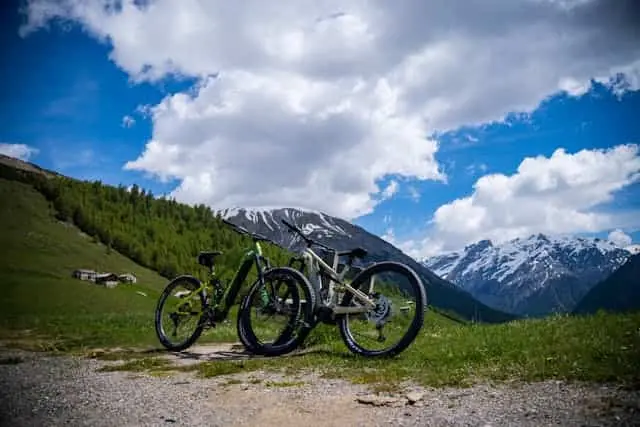
Enter the electric mountain bike (e-mountain bike)—a technological innovation that is rapidly evolving from a niche recreational hobby into a vital instrument of sustainable mobility. By replacing short car journeys between trailheads, lodges, and town centers with human-electric hybrid transit, visitors can drastically reduce their carbon footprints while experiencing landscapes with a sensory clarity that no windshield can provide. Far from a passing fad, the integration of e-bikes into mountain travel represents a paradigm shift: a movement toward low-impact exploration that safeguards local ecosystems, revitalizes strained communities, and redefines what it means to travel responsibly.
Detailed Chronology: The Evolution of Mountain Tourism and the Automobile
To understand the current crisis of mountain congestion, one must examine how motorized travel came to dominate landscapes that were historically shaped by foot and hoof.
The Era of Isolation and Slow Travel (Pre-1950s)
For centuries, access to remote mountain ranges was restricted by geography. Travel was slow, deliberate, and physically demanding. Early mountaineers and explorers navigated valleys via rail, horseback, or on foot. Communities nestled within these deep basins operated on localized, sustainable economies. The human footprint was small, and the sensory experience of the mountains was uninterrupted by internal combustion engines.
The Post-War Automotive Boom and Infrastructure Expansion (1950s–1990s)
Following the Second World War, the rise of car ownership transformed global leisure habits. Governments invested heavily in highway systems designed to bring wilderness within reach of the urban middle class. Mountain roads were widened, switchbacks were paved, and parking lots were carved out at the base of iconic trailheads. While this democratization of travel opened up the outdoors to millions, it planted the seeds of chronic over-tourism. Towns originally designed for mining or logging found themselves transformed into sprawling tourist hubs ill-equipped to handle the seasonal influx of metal and glass.
The Tipping Point: Modern Over-Tourism (2000s–Present)
By the early 21st century, the sheer volume of visitors exposed the structural limitations of mountain infrastructure. National parks and resort towns began implementing restrictive band-aids: mandatory reservation systems, crowded shuttle buses, and vehicle bans in core canyons. For example, before Zion National Park instituted its shuttle system, thousands of private cars choked the narrow canyon daily, turning what should have been a peaceful sanctuary into a congested parking lot.
Simultaneously, the maturation of lithium-ion battery technology and high-torque electric motors birthed the modern e-bike. Initially viewed with skepticism by purists, e-mountain bikes quickly matured into sophisticated, reliable all-terrain vehicles capable of conquering steep grades. Today, they stand at the vanguard of a counter-movement, offering a viable technological antidote to the century-old dominance of the private automobile in fragile natural habitats.
Supporting Context & Metrics: The Hidden Toll of Mountain Traffic
The romance of the open mountain road often masks a harsh ecological reality. Mountain geography inherently concentrates human activity into narrow valleys and river corridors, amplifying the environmental damage caused by vehicular emissions.
Air Quality and Emissions in High-Altitude Sanctuaries
It is a common misconception that remote natural areas are immune to urban-style air pollution. In reality, mountainous topography frequently traps pollutants through thermal inversions, concentrating vehicle exhaust in valley bottoms.
Data from the National Parks Conservation Association (NPCA) reveals a startling statistic: 96 percent of U.S. national parks are located in areas with unhealthy air quality levels, with vehicle emissions serving as a primary driver. This persistent smog degrades visibility, harms sensitive alpine flora, and poses health risks to both wildlife and human visitors.
The Math of Mobility: Cars vs. E-Bikes
The environmental contrast between driving a conventional car and riding an e-bike is stark. While internal combustion engines burn fossil fuels continuously—particularly under the heavy load of climbing steep mountain grades—an e-bike utilizes a high-efficiency electric motor to supplement human pedal power.
Academic research underscores the transformative potential of shifting modes of transport. A comprehensive study conducted by researchers at Portland State University demonstrated that replacing just 15 percent of urban and regional car trips with e-bikes could reduce overall carbon emissions by 12 percent.
When applied to mountain tourism, where vacations are defined by frequent short trips between lodging, dining, and trailheads, the savings multiply. Researchers calculate that each e-bike deployed to replace car travel can eliminate approximately 225 kilograms of CO2 emissions annually.
Beyond carbon reduction, e-bikes offer structural relief to local environments in several key ways:
- Mitigation of Traffic Congestion: E-bikes occupy a fraction of the physical footprint of an SUV, freeing up valuable valley real estate and eliminating gridlock on narrow access roads.
- Acoustic Preservation: Combustion engines generate persistent low-frequency road noise that echoes off canyon walls. E-bikes operate near-silently, preserving the natural soundscapes essential for wildlife communication.
- Infrastructure Longevity: Heavy vehicles accelerate the wear and tear of asphalt and gravel roads. E-bikes exert negligible pressure on infrastructure, reducing municipal maintenance costs.
- Ecosystem Protection: By keeping visitors on designated multi-use paths and out of impromptu roadside parking pull-offs, e-bikes prevent the trampling of fragile alpine meadows and root systems.
Official Statements & Expert Perspectives
As destination stakeholders search for sustainable solutions, transportation experts, conservationists, and tourism boards are increasingly aligning behind active, electrified mobility.
Dr. Elena Vance, a leading researcher in sustainable tourism logistics at the Alpine Research Institute, emphasizes the psychological and behavioral shift that occurs when travelers abandon their cars:
"When people travel through a mountain landscape encased in a two-ton steel cage, they consume the destination as passive spectators. They rush from viewpoint to viewpoint, treating the environment as a backdrop. When you place a visitor on an e-mountain bike, the dynamic changes instantly. They become part of the ecosystem. They hear the wind in the canopy, smell the pine sap, and pace themselves with the rhythm of the landscape. It transforms tourism from an extractive activity into an immersive, low-impact exchange."
Municipal leaders in high-traffic resort communities are echoing these sentiments. Marcus Sterling, a regional urban planner specializing in mountain gateway communities, notes that infrastructure expansion is no longer a viable answer to traffic:
"We cannot pave our way out of congestion. Building more parking lots simply attracts more cars, destroying the very natural assets people drove hundreds of miles to see. By actively incentivizing e-bike rentals, expanding charging infrastructure, and integrating bike paths with local transit, we can decouple economic vitality from vehicular pollution. E-bikes are not just a recreational toy; they are a municipal transit strategy."
Conservation advocates also point to the reduced stress placed on native fauna. Wildlife biologists have long documented how the sudden acceleration, headlights, and engine roar of automobiles startle native ungulates and predators, disrupting foraging and migration patterns. The low-profile, predictable movement of e-bike riders allows for harmonious coexistence along shared wilderness interfaces.
Future Outlook: Paving the Way for Responsible E-Bike Tourism
Looking ahead, the integration of e-mountain bikes into global mountain travel is poised to accelerate, driven by technological advancements and evolving traveler values. However, realizing the full potential of this transition requires deliberate planning, infrastructure investment, and responsible stewardship.
1. Infrastructure and Accessibility
Future mountain communities will increasingly adopt "car-lite" or car-free core models. Seamless trip planning tools will allow travelers to book train or shuttle transit to a mountain gateway, where integrated e-bike rental networks will take over local mobility. Standardized charging stations powered by renewable solar microgrids will dot trailheads, ensuring riders can easily recharge for extended backcountry excursions.
2. Trail Harmonization and Regulations
As e-mountain bike adoption surges, land managers must continue refining trail access policies. Clear classification systems—distinguishing between low-powered pedal-assist models and throttle-controlled vehicles—will ensure safety and protect sensitive ecological zones. Education campaigns will be paramount, teaching visitors the tenets of ethical riding: yielding to traditional users, respecting seasonal wildlife closures, and packing out all waste.
3. The Digital and Retail Ecosystem
Preparing for a sustainable mountain vacation now begins long before travelers pack their bags. Accessing reliable gear, planning routes, and securing well-maintained equipment through trusted online outdoor retailers ensures that visitors arrive fully prepared, minimizing the frantic, last-minute consumerism that burdens small mountain economies.
Conclusion
The allure of the mountains has always been rooted in their timelessness, majesty, and capacity to restore the human spirit. Yet, protecting these sanctuaries requires a conscious evolution in how we travel. By trading the steering wheel for handlebars, visitors can transcend the role of polluters and become stewards of the landscapes they love.
As mountain destinations navigate the complexities of modern tourism, the e-mountain bike stands out as a beacon of sustainable progress—proving that the best way to conquer a mountain pass is not by burning fossil fuels, but by harnessing the clean, quiet power of human-electric synergy.