Executive Overview
For decades, the concept of travel has been inexorably linked to expansion—flying thousands of miles across oceans, discovering untouched horizons, and absorbing the raw beauty of the natural world. Yet, as the global footprint of tourism swells to unprecedented pre-pandemic heights and beyond, a sobering realization has taken root: the very act of visiting nature is often destroying it. The paradox of nature tourism has spawned a massive marketplace of environmentally themed getaways, but beneath the glossy veneers of eco-lodges and sustainable marketing campaigns lies a complex web of realities.
True ecotourism is not merely about trading a concrete hotel room for a canvas tent in the jungle, nor is it defined by strapping on hiking boots or snorkeling over a coral reef. According to leading conservation frameworks, authentic ecotourism is a rigorous, highly managed discipline. To qualify, a travel experience must actively contribute to habitat conservation, provide tangible financial benefits to local and Indigenous communities, strictly minimize its environmental footprint, respect cultural heritages, and cultivate a deeper, lasting environmental consciousness in the traveler.
This investigative feature examines the modern landscape of ecotourism. By breaking down its core operational pillars—wildlife viewing, hiking and recreation, marine tourism, cultural immersion, and citizen science—we explore how responsible travel functions on the ground. Furthermore, this report exposes the pervasive threat of greenwashing, scrutinizes real-world case studies from Kenya to Nepal, and provides a blueprint for travelers seeking to ensure their journeys safeguard, rather than exploit, the planet.
Detailed Chronology: The Evolution of Ecotourism from Niche Idealism to Global Industry
To understand where ecotourism stands today, it is essential to trace its trajectory from a fringe environmental concept to a multi-billion-dollar global sector.
- The Late 20th Century (The Genesis of Sustainable Travel): Emerging in the late 1970s and 1980s, ecotourism was born out of a growing disillusionment with mass tourism. Conservationists and academics began arguing that parks and protected areas could not survive on government subsidies or philanthropy alone; they needed economic engines that could pay for themselves. Early models focused almost exclusively on wildlife preservation and low-impact trekking, primarily in developing nations rich in biodiversity.
- The 1990s (Institutionalization and Certification): As the term "ecotourism" entered the mainstream lexicon, it quickly became a marketing buzzword. Recognizing the danger of unregulated growth, international bodies, non-governmental organizations (NGOs), and academics began formulating formal definitions, codes of conduct, and certification schemes. The goal was to establish a clear benchmark separating genuine conservation initiatives from standard commercial travel packages bearing superficial green labels.
- The 2000s to 2010s (The Rise of Community-Based Tourism): The paradigm shifted from purely protecting wildlife to empowering human populations. It became evident that conservation efforts fail if local communities are marginalized or barred from their ancestral lands. The emphasis pivoted heavily toward community-led ecotourism, ensuring that indigenous populations held ownership, governance, and financial stakes in tourism enterprises.
- The Present Era (The Reckoning with Overtourism and Greenwashing): Today, ecotourism faces its greatest crucible. The democratization of travel, combined with social media’s amplification of remote destinations, has driven unprecedented human traffic into fragile ecosystems. Simultaneously, corporate greenwashing has reached sophisticated heights. The modern era requires a transition from passive appreciation to active verification, pushing travelers, operators, and regulatory bodies to demand radical transparency and measurable conservation outcomes.
Supporting Context & Metrics: Deconstructing the Core Pillars of Ecotourism
Not all outdoor activities are created equal. To evaluate whether a specific venture honors the tenets of sustainability, we must examine how different branches of ecotourism operate under strict ethical guidelines.
1. Wildlife Viewing: Observation Without Intrusion
Responsible wildlife viewing offers the rare privilege of watching animals behave naturally within thriving ecosystems. Whether tracking primates through dense rainforests, observing elephants roam across open savannas, or watching cetaceans from a safe distance, the operational baseline must prioritize animal welfare.
- The Red Lines: Authentic ecotourism strictly prohibits restrictive enclosures, staged encounters, or exploitative animal interactions. Practices such as feeding, touching, or deliberately altering animal behavior for the sake of a photograph are entirely antithetical to conservation.
- The Human Element: Local guides are the linchpins of safe, ethical wildlife viewing. Their deep familiarity with animal calls, tracks, and stress signals ensures that human presence remains non-disruptive. Furthermore, when wildlife viewing is tied to community-led initiatives, it transforms local poachers into dedicated stewards of the land.
Case Study: Loisaba Conservancy, Kenya
In northern Kenya’s open plains, the Loisaba Conservancy protects 56,000 acres (23,000 hectares) of critical wildlife habitat. Dawn across the acacia-studded grasslands reveals lions, endangered African wild dogs, and giraffes moving freely through the landscape. Loisaba also functions as a vital movement corridor for elephants and houses a specialized sanctuary supporting the return of black rhinos after decades of absence.
To protect this ecosystem, Loisaba enforces strict viewing protocols:
- Sightings are capped at a maximum of three vehicles per animal sighting.
- A mandatory minimum distance of 20 meters must be maintained from wildlife.
- Vehicles must remain on designated tracks, and noise levels must be kept to a minimum.
Trained local Samburu and Maasai guides interpret these landscapes for visitors, explaining elephant herd dynamics and the precarious status of endangered species. Crucially, ecotourism funds 50% of the conservancy’s operating budget, underwriting anti-poaching patrols, habitat restoration, and vital community programs including healthcare outreach and sustainable grazing initiatives.
2. Hiking and Recreation: Traveling by Foot and Pedal
Trekking through rainforests, cycling along rugged coastlines, snowshoeing across alpine valleys, or walking elevated boardwalks through mangrove wetlands offers a slower, more intimate style of travel. These activities bring visitors into remote rural economies that are routinely bypassed by mass tourism.
- The Leave No Trace Ethic: To qualify as ecotourism, recreational activities must adhere strictly to Leave No Trace principles. Staying on designated paths prevents soil erosion and protects sensitive alpine or forest vegetation. All waste must be packed out, and visitors are expected to respect private property and local zoning laws.
- Economic Distribution: Utilizing local guides enriches the journey through traditional ecological knowledge—such as identifying edible plants or recounting the history of ancient trade routes—while ensuring that tourism revenue directly benefits families living adjacent to the trails.
Case Study: The Annapurna Conservation Area Project (ACAP), Nepal
Set against the soaring, snow-capped peaks of Nepal’s central Himalayas, ACAP is the country’s largest conservation area and its most iconic trekking destination. Historically, soaring visitor numbers exerted severe pressure on local forest resources and exacerbated waste generation. This crisis catalyzed the creation of ACAP as a pioneering community-based model designed to manage tourism sustainably.
Visitors traverse the region, staying in thousands of family-run teahouses, lodges, and campsites. ACAP provides comprehensive training in hospitality, sanitation, and sustainable cooking to empower local residents. Trekking entry fees are directly reinvested into environmental initiatives, including:
- Protecting endangered snow leopards from retaliatory poaching.
- Managing sustainable community forestry programs.
- Maintaining eco-friendly infrastructure, such as designated trails, waste management stations, and purified drinking water points.
3. Marine Tourism: Navigating Fragile Aquatic Ecosystems
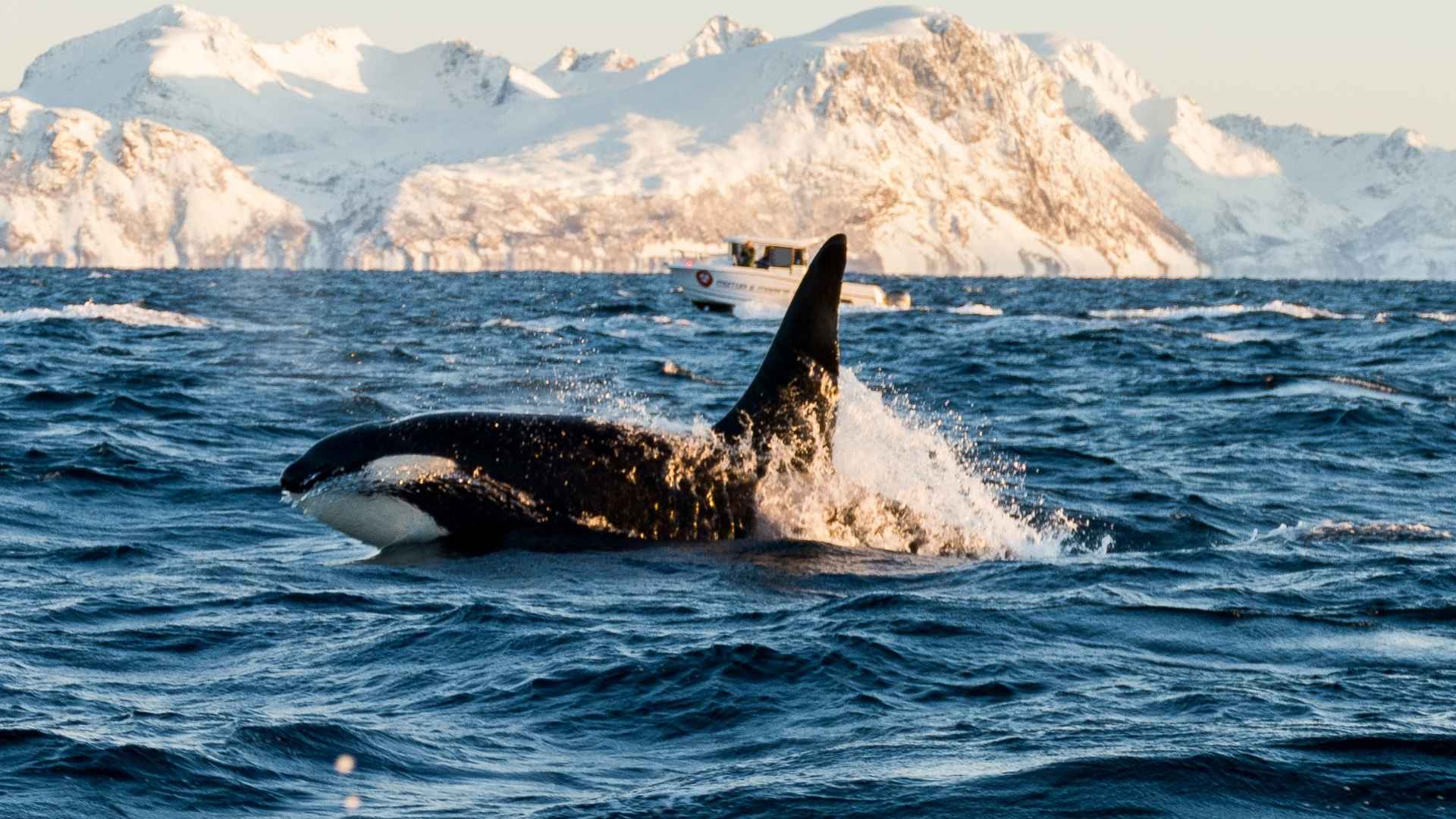
Oceans occupy a mysterious, vital place in the human imagination. Coral reefs function as bustling underwater metropolises, rays glide through crystalline shallows, and deep drop-offs remind us of the vast, unexplored expanse of our blue planet. Marine ecotourism—encompassing snorkeling, scuba diving, kayaking, paddleboarding, and small-group boat excursions—provides direct access to these aquatic realms.
- Mitigating Aquatic Impact: Responsible marine tourism requires zero physical contact with corals and marine wildlife. It also demands the elimination of harmful chemical pollutants, such as oxybenzone-rich sunscreens that bleach coral reefs. Boat operators must adhere to strict navigation rules, cutting engines near marine mammals and dropping anchors exclusively on sandy bottoms rather than fragile seagrass beds or coral heads.
Case Study: Dive Ninja Expeditions, Baja California, Mexico
Operating off Mexico’s Baja Peninsula, Dive Ninja Expeditions redefines marine ecotourism through small-group scuba and snorkel programs that prioritize conservation. Their operations align with Green Fins environmental standards, enforcing strict no-touch and no-feeding policies alongside a total ban on single-use plastics. As one of the earliest designated PADI Eco Centers in Mexico, their sustainability metrics are independently verified.

Rather than relying on extractive industries like commercial shark fishing, local boat captains and dive masters earn sustainable livelihoods through ecotourism. Through integrated citizen-science expeditions, Dive Ninja generates vital data for shark research and marine debris cleanups, funneling between 20% and 50% of profits straight back to local conservation partners.
4. Cultural Ecotourism: Honoring Indigenous Heritage
Cultural ecotourism bridges the gap between human traditions and environmental stewardship, offering insight into how Indigenous communities interact with and protect their surrounding landscapes. When executed responsibly, these encounters foster deep cultural understanding while ensuring that heritage is never commodified or exploited.
- Community-Led Governance: Authentic cultural tourism must be initiated, managed, and controlled by the host community. Visitors must follow local etiquette, seek permission before entering sacred spaces, and ensure that financial proceeds flow directly to local families or cooperative funds.
Case Study: Wae Rebo, Flores, Indonesia
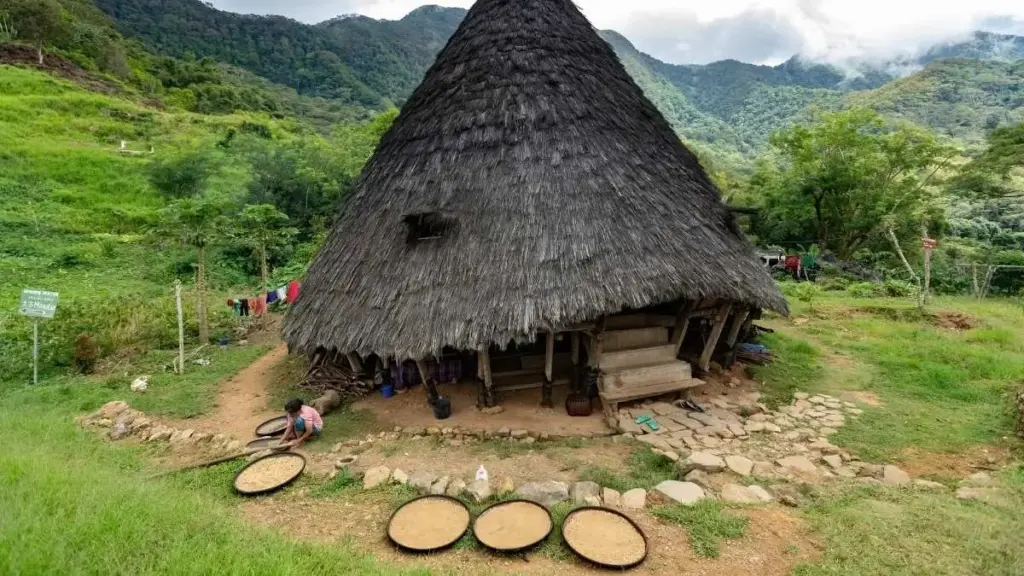
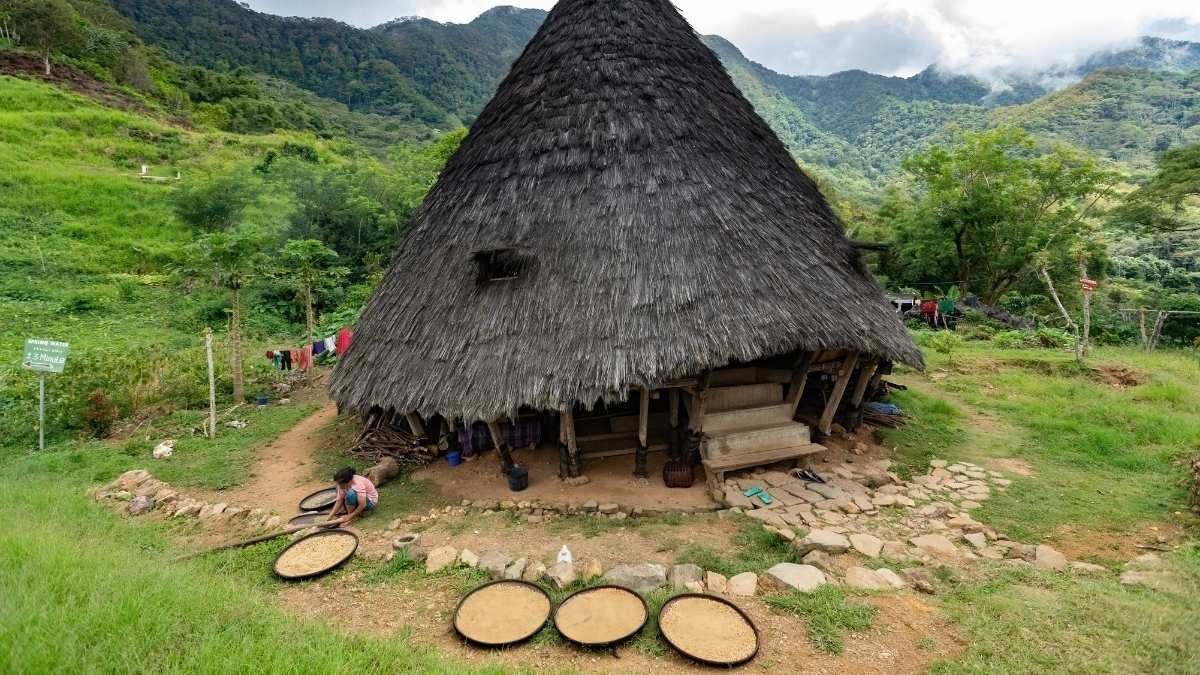
Perched high in the mist-shrouded mountains of Flores, Wae Rebo is an ancient Manggarai village renowned for its iconic, cone-shaped thatched houses (mbaru niang) and deeply preserved Indigenous culture. The village’s remote geography—accessible only via a strenuous forest trek—naturally regulates visitor numbers.
Travelers sleep in community-managed guesthouses, dine on locally foraged food, and participate in traditional coffee harvesting and processing ceremonies. Guided forest walks highlight the intricate relationship between the Manggarai people and their forested watershed. Revenue generated from these visits is utilized directly to maintain the structurally demanding mbaru niang homes and preserve local handicraft traditions.
5. Citizen Science and Voluntourism: Active Conservation Participation
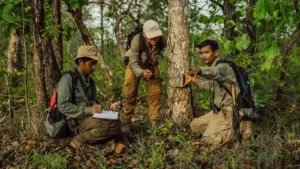
Citizen science and structured voluntourism transform passive travelers into active research assistants. By engaging in coral reef restoration, wildlife telemetry tracking, or trail maintenance, participants gain profound insights into ecological challenges while providing underfunded conservation projects with essential labor and financial backing.
- Scientific Rigor and Ethical Standards: Credible programs are firmly grounded in peer-reviewed science, supervised by qualified professionals, and designed to support—not displace—local employment. They never assign complex technical labor to untrained amateurs or utilize wildlife in staged environments.
Case Study: Earthwatch Institute
Operating in over 30 countries across savannas, polar regions, and tropical rainforests, the Earthwatch Institute connects everyday volunteers with field scientists. For over two decades in South Africa, for example, Earthwatch volunteers monitored the breeding success, chick growth, and foraging habits of critically endangered African penguins. The longitudinal data gathered by these volunteers directly informed legal protections and commercial fishing restrictions around critical penguin colonies.
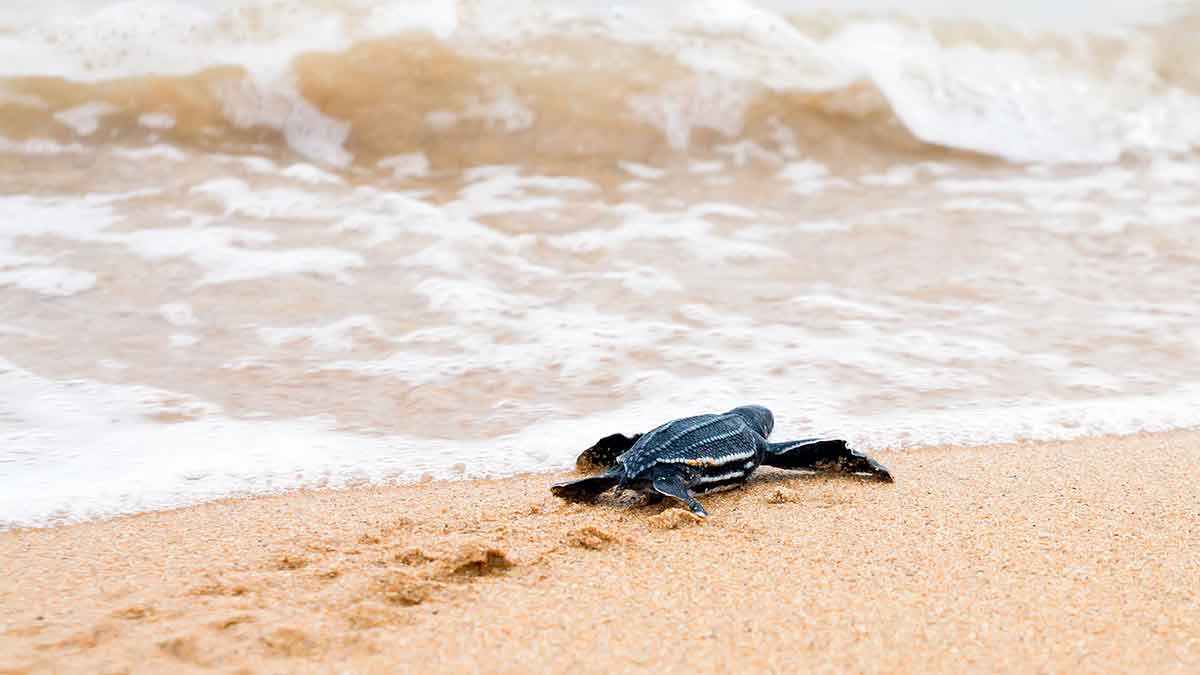
In Costa Rica, Earthwatch volunteers conduct nighttime sea turtle nest surveys and relocate vulnerable eggs from high-risk erosion zones, helping more than 26,000 hatchlings successfully reach the ocean. With 96% of Earthwatch projects employing, training, or engaging local community members, the model bridges academic research with grassroots economic empowerment.
Official Statements: Industry Leaders on the Future of Sustainable Travel
The shift toward rigorous accountability has prompted global travel authorities to issue stark warnings against superficial environmentalism.
"The era of slapping an ‘eco’ label on a standard tour package and calling it sustainable is officially over," notes Dr. Elena Vance, Senior Director of Marine Conservation at the Global Sustainable Tourism Alliance. "Travelers are increasingly sophisticated, but so are greenwashers. True ecotourism requires radical transparency, audited supply chains, and, above all, the explicit consent and financial empowerment of the local communities who share their backyards with the world."
Echoing this sentiment, Marcus Thorne, executive coordinator for community-based tourism networks in East Africa, emphasizes the human dimension of conservation:
"You cannot separate wildlife from the people who live alongside them every single day. If a tourism initiative does not put money into the pockets of local schools, healthcare systems, and landowners, then conservation is merely an idealistic slogan written for wealthy visitors. Ecotourism must be a partnership, not a spectacle."
What Is Not Ecotourism: Spotting and Avoiding Greenwashing
As the global appetite for sustainable living grows, tourism operators have rushed to capture the "eco-conscious" consumer demographic. Unfortunately, much of this marketing relies on greenwashing—the practice of making misleading or outright false claims about environmental performance.
Travelers must remain vigilant for the following red flags:
- Vague Terminology: The use of unverified buzzwords like "eco-friendly," "nature-loving," "green," or "earth-conscious" without any accompanying third-party certification or concrete operational data.
- Wildlife Exploitation Disguised as Conservation: Facilities offering captive animal petting, elephant riding, dolphin swimming enclosures, or performance shows under the guise of "education" or "rescue."
- Exclusive Economic Extraction: Luxury lodges located in fragile ecosystems that import all staff, food, and supplies from outside the region, leaving local communities with nothing more than menial labor and environmental degradation.
- Lack of Transparency: Operators who refuse to disclose where their financial proceeds go, what percentage of revenue supports conservation, or how they manage their waste and energy consumption.
If an experience alters natural wildlife behavior, degrades local ecosystems, misrepresents Indigenous cultures, or excludes local populations from governance and profit, it fails to qualify as ecotourism—regardless of how polished the marketing campaign appears.
Future Outlook: The Road Ahead for Responsible Exploration
Looking forward, the future of ecotourism hinges on a collective transition from voluntary self-regulation to mandatory, audited accountability. As climate change accelerates and biodiversity loss threatens critical global biomes, the tourism sector can no longer afford to operate as an extractive industry disguised as recreation.
Emerging technologies—such as blockchain-verified supply chains for eco-lodges, AI-driven visitor management systems to combat overtourism in national parks, and strict digital auditing tools for carbon and waste output—are beginning to reshape the industry. Moreover, the growing movement toward regenerative travel promises to take ecotourism a step further: rather than merely "leaving no trace," future travel models aim to leave destinations measurably healthier and more resilient than they were before.
For the modern traveler, the directive is clear. Planning your next journey with ecotourism principles at the forefront ensures that your exploration acts as a force for good. By choosing certified operators, respecting local wildlife protocols, supporting community-led enterprises, and actively questioning the marketing claims of the tourism industry, travelers can help forge a future where exploring the world ensures its preservation for generations to come.