Executive Overview
The global electric vehicle (EV) market stands at a complex crossroads. Fresh data from Benchmark Mineral Intelligence reveals that worldwide EV sales reached 4 million units in the first quarter of 2026, marking a 3% decline compared to the same period in 2025. While headline figures suggest a cooling period for the electrification movement, a deeper dive into the numbers reveals a radically fragmented picture. Rather than a uniform global slowdown, the EV transition is experiencing a dramatic tug-of-war characterized by surging adoption in Europe and Oceania, persistent policy headwinds in China, a notable contraction in North America, and escalating geopolitical and economic pressures—most notably soaring conventional fuel prices.
A late-quarter rebound cushioned the blow. March 2026 global sales hit 1.75 million units, jumping 66% from a sluggish February and creeping 3% higher than March 2025. Yet, this monthly recovery masks deep regional fractures. Europe has firmly established itself as the undisputed growth engine of the global market, fueled by generous incentives, aggressive carbon targets, and consumer panic driven by Middle Eastern geopolitical conflicts that have sent traditional fuel costs skyrocketing. Meanwhile, North America has stumbled significantly, and China continues to grapple with domestic policy shifts that have suppressed local demand, forcing its domestic manufacturers to look aggressively outward.
As the automotive industry adjusts to these fluctuating demand curves, traditional automakers are trimming high-stakes EV developments, even as alternative brands—particularly aggressive Chinese entries—carve out unprecedented market share abroad. This comprehensive report explores the shifting dynamics of the Q1 2026 EV landscape, breaking down regional performances, economic catalysts, and the road ahead for sustainable mobility.
Detailed Chronology: How Q1 2026 Unfolded
To understand the trajectory of the electric vehicle market in early 2026, one must examine the month-by-month catalysts that shaped consumer behavior and manufacturer strategies across the globe.
January 2026: A Sluggish Start and Policy Adjustments
The year began under a cloud of regulatory adjustments and post-holiday corrections. China’s market experienced its customary seasonal slump surrounding the Chinese New Year celebrations, compounded by sweeping changes to domestic subsidy frameworks that left buyers hesitant. Simultaneously, North America faced the hangover of shifting federal incentives, with U.S. consumer tax credits undergoing major structural shifts that temporarily paralyzed dealership momentum. Conversely, early warning signs of geopolitical instability in the Middle East began to ripple through global energy markets, setting the stage for subsequent shocks at the fuel pump.

February 2026: The Global Trough
February proved to be the lowest point for global EV momentum in the quarter. Supply chain inventories reached awkward imbalances, particularly for Chinese manufacturers ramping up export shipments faster than foreign ports and dealerships could absorb them. In North America, sales lingered in a deep trough as high interest rates and broader macroeconomic caution kept prospective buyers on the sidelines. However, beneath the surface quiet, European markets were quietly preparing for a massive March surge, underpinned by tightening corporate fleet requirements and looming fuel price volatility.
March 2026: The Great Regional Divergence
March completely transformed the quarterly metrics, rescuing Q1 from a catastrophic drop with a massive 1.75 million global sales figure—a 66% spike over February. However, this rebound did not lift all boats equally.
- Europe shattered all historical records, surpassing half a million monthly sales for the first time in history. The UK’s bi-annual registration plate change collided with severe fuel price spikes, triggering an unprecedented wave of showroom traffic.
- China bounced back sharply from its New Year lull, doubling its February volume, though failing to close the year-to-date deficit compared to 2025.
- North America showed faint pulses of life, with U.S. sales climbing past 100,000 units for the first time since late 2025, though the region remained deeply in the red year-over-year.
- Oceania and emerging regions recorded astronomical growth percentages, completely outpacing traditional legacy markets as fuel supply anxiety drove consumers away from internal combustion engines (ICE) entirely.
Supporting Context & Metrics: Regional Breakdowns
Europe: The Uncontested Growth Engine
Europe is currently carrying the global EV market on its shoulders. The region posted its strongest month on record in March, driven by a 72% month-over-month jump and a 37% year-over-year surge. Both battery electric vehicles (BEVs) and plug-in hybrid electric vehicles (PHEVs) achieved record-breaking volumes.
The catalysts behind Europe’s boom are multifaceted. Chief among them is a rapid escalation in fuel prices, exacerbated by conflict in the Middle East. In France, escalating pump prices—even with retail supplier caps implemented by energy giants like TotalEnergies—triggered panic buying and localized supply disruptions at fuel stations. This energy crunch propelled French BEV sales up 69% year-over-year, far eclipsing the robust 36% growth registered during the first two months of the year.
Across the continent, multiple nations set all-time highs for BEV registrations:
- The United Kingdom: Benefited from the traditional March registration plate refresh, combined with punishing fuel costs, culminating in record sales and 31% year-over-year growth.
- Continental Standouts: Austria, Belgium, Finland, France, Italy, Portugal, and Spain all reported record-breaking individual months for pure electric vehicle adoption.
Compounding this domestic surge is the relentless expansion of Chinese automakers across European borders. In Italy, for example, emerging Chinese manufacturer Leapmotor captured approximately 30% of all BEV sales in Q1 alone. When factoring in other Chinese brands, their collective footprint accounts for nearly 40% of the Italian electric market—a development that continues to stoke regulatory and competitive anxiety among legacy European industrial giants.
+-------------------------------------------------------------------------+
|                    Q1 2026 Regional EV Performance Summary               |
+---------------------+-----------------------+---------------------------+
| Region              | Q1 2026 vs Q1 2025    | Key Driving Factors       |
+---------------------+-----------------------+---------------------------+
| Europe              | Strong Growth (+37%)  | Fuel spikes, subsidies,   |
|                     |                       | Chinese market entry      |
+---------------------+-----------------------+---------------------------+
| China               | Down 21% (YTD)        | Policy shifts, domestic   |
|                     | (March rebound)       | slowdown, export push     |
+---------------------+-----------------------+---------------------------+
| North America       | Down 27%              | Incentive restructuring,  |
|                     |                       | manufacturer pullbacks    |
+---------------------+-----------------------+---------------------------+
| Rest of World       | Surging (>100% in NZ) | Fuel supply anxiety,      |
| (Oceania, etc.)     |                       | rising pump prices        |
+---------------------+-----------------------+---------------------------+
China: Domestic Cooling and the Export Dilemma
As the world’s largest electric vehicle market, China dictates the baseline of global trends. While March brought a sharp recovery that nearly doubled February’s output, China’s year-to-date sales remain down 21% compared to Q1 2025.
Domestic demand has been stifled by structural policy changes and the phased reduction of legacy consumer incentives. To compensate for the sluggish domestic absorption, Chinese automakers have intensified their export strategies, flooding international shipping lanes with affordable BEVs. However, this strategy has introduced a secondary challenge: overseas inventories are swelling significantly. Ports and logistics hubs across target export markets are reporting a buildup of unsold vehicles, indicating that aggressive manufacturing output is temporarily outpacing retail demand abroad.
North America: A Cooling Climate and Strategic Retreats
North America endured a severe contraction to start the year, with Q1 EV sales tumbling 27% year-over-year. Both the United States and Canada registered steep declines as consumers grappled with the expiration or restructuring of various federal tax credits and high financing costs.
Nevertheless, March offered a glimmer of hope. Driven by rising domestic gasoline prices, the U.S. market surpassed 100,000 monthly EV sales for the first time since the expiration of broad federal incentives in Q3 2025.

Despite this late-quarter bounce, legacy automakers are visibly tightening their belts and re-evaluating capital allocation. In a major strategic shift, Honda recently scrapped the development of its ambitious "Honda 0 Series" EV lineup. Furthermore, plans for the high-profile "Afeela" autonomous electric vehicles—born from Honda’s joint venture with tech titan Sony—were similarly shelved, underscoring a broader industry trend of scaling back speculative EV platforms in favor of near-term profitability.
The Rest of the World: Explosive Growth in Oceania
While legacy markets grapple with policy friction and economic headwinds, emerging EV markets are experiencing exponential acceleration.
New Zealand emerged as a standout global performer in March 2026, registering a staggering 263% year-over-year increase in BEV registrations, pushing its annualized 2026 growth rate past the 100% threshold. Australia followed closely behind, with March BEV sales leaping 89% year-over-year. Though this represented a slight cooling from earlier in the year—when growth ran at a blistering 111%—it was more than enough to establish a new all-time monthly sales record, outperforming the previous peak by over 2,000 units.
Fuel economics played a decisive role in Oceania as well. In the wake of escalating conflicts in the Middle East, fuel prices across parts of Oceania climbed by more than 20%. The immediate threat of supply chain disruption and punishing fuel costs galvanized consumers to accelerate their transition away from petroleum dependency.
Official Statements and Industry Insights
Market analysts and industry executives have offered stark assessments of the Q1 2026 data, emphasizing that the global transition to electrification is no longer a linear trajectory, but rather a complex, multi-speed phenomenon influenced heavily by macroeconomic shocks.

Industry analysts tracking Benchmark Mineral Intelligence noted that while the quarterly dip of 3% is modest on paper, the underlying regional divergence signals a critical structural shift. "The global EV narrative is fracturing," notes one senior energy commodities strategist. "We are no longer looking at a unified global march toward electrification. Instead, we see Europe aggressively pressing its climate and energy-security advantages, Asia managing domestic overcapacity through aggressive exportation, and North America hitting a temporary consolidation phase dictated by policy volatility and consumer cost-of-living pressures."
Automotive manufacturing executives have echoed these sentiments behind closed doors. With traditional profit margins under pressure from high interest rates and fierce price wars—particularly led by low-cost Chinese imports—boardrooms are placing a premium on capital discipline. The cancellation of high-profile joint ventures and next-generation platforms in North America and Japan highlights a pragmatic retreat from overly aggressive timelines, favoring modular architectures that can pivot between hybrid and pure electric powertrains depending on regional demand.
Future Outlook: Navigating the Remainder of 2026
As the automotive industry looks past the first quarter toward the remainder of 2026, several critical variables will dictate whether global EV sales can recover their momentum or continue to plateau.
- Geopolitical Energy Pressures: The ongoing instability in the Middle East and its direct correlation to global oil prices will remain a primary external driver. If fuel costs remain elevated or climb further, consumer resistance to internal combustion engines is expected to harden, providing an ongoing tailwind for BEV and PHEV adoption in fuel-sensitive regions like Europe and Oceania.
- Trade Policy and Tariffs: The influx of affordable Chinese electric vehicles into Europe and emerging markets is triggering aggressive defensive posturing from local regulators. Anticipated trade barriers, tariffs, and localized content requirements will likely shape how deeply Chinese automakers can penetrate Western markets in the second half of the year.
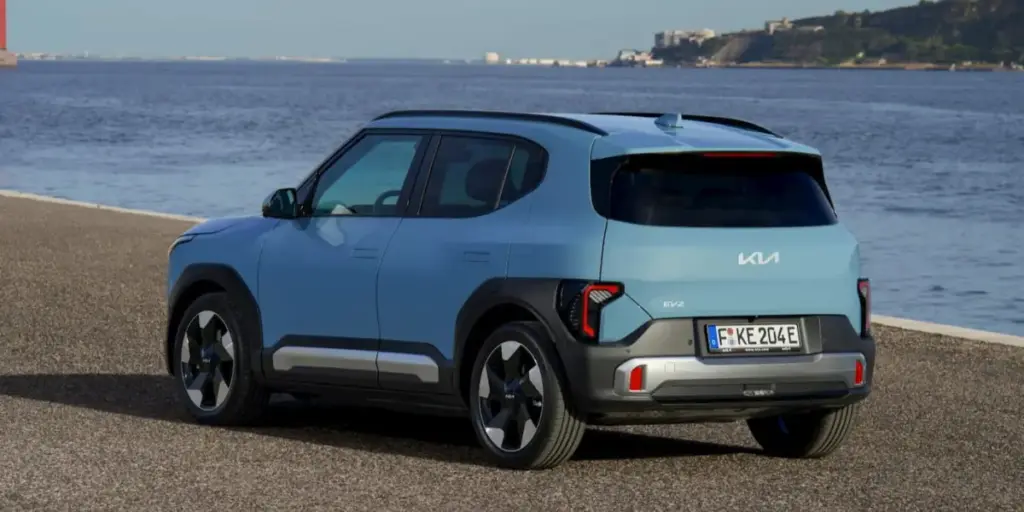
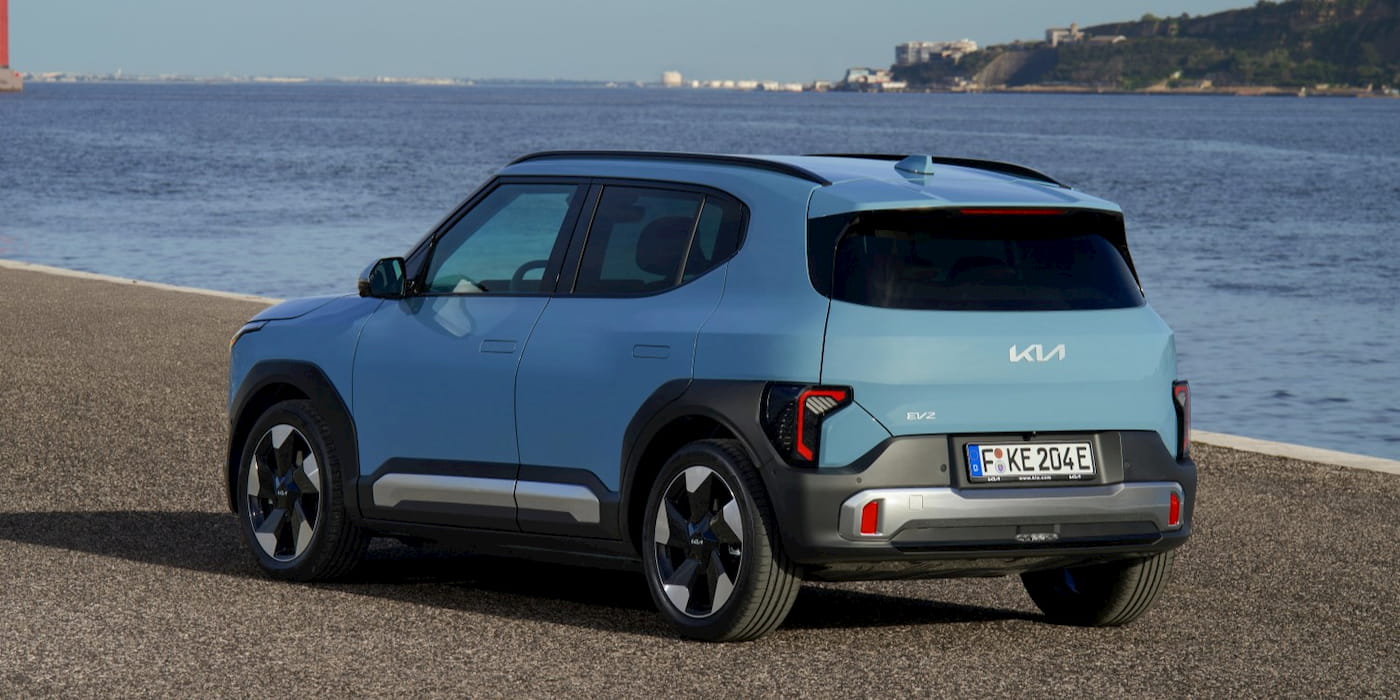
- Product Cadence and Affordability: The success of upcoming affordable EV models—such as Kia’s highly anticipated EV2 lineup in Europe—will test whether lower price points can successfully unlock mainstream consumer segments currently priced out of the market by inflation and high interest rates.
- North American Policy Landscape: In North America, much will depend on how automakers recalibrate their product portfolios in the wake of cancelled platforms. With hybrids experiencing a resurgence as a bridge technology, manufacturers will need to balance consumer demand for transitional powertrains with long-term zero-emission mandates.
Ultimately, Q1 2026 has proven that the electric vehicle revolution is resilient, even if its path forward is uneven. While traditional strongholds like North America undergo a painful recalibration and China manages domestic oversupply, regions like Europe and Oceania are demonstrating that when economic and geopolitical catalysts align, consumer appetite for clean mobility remains profoundly potent.