On August 10, 2026, China’s primary economic planning body, the National Development and Reform Commission (NDRC), alongside the National Energy Administration (NEA), officially released the 15th Five-Year Plan for the Development of the Coal Industry (2026–2030). Arriving at a critical juncture in Beijing’s long-term climate trajectory, the document provides the foundational policy architecture for China’s energy sector during the final half-decade leading up to its national commitment to peak carbon dioxide emissions "before 2030."
Rather than signaling an abrupt phase-down or establishing a rigid, government-mandated year for coal consumption to peak, the blueprint reinforces coal’s role as the indispensable "bottom-line guarantee" for national energy security. Driven in part by heightened volatility in global energy markets—amplified by ongoing conflicts in the Middle East—Chinese policymakers have prioritized system stability, supply chain resilience, and technological modernization over strict volumetric phase-out schedules.
While state-affiliated policy institutes previously floated the possibility of coal consumption cresting around 2027, the newly published document adopts a broader mandate: ensuring coal use successfully reaches its peak at some point within the 2026–2030 window while laying the structural groundwork for a gradual green transition. The plan charts a strategy characterized by industrial consolidation in four northern energy hubs, the institutionalization of strategic coal reserves, a strategic pivot toward coal as a chemical feedstock, and expanded coalbed methane (CBM) capture. Consequently, the framework serves less as an environmental phase-out directive and more as a sophisticated blueprint to build a highly centralized, modernized, and resilient fossil fuel infrastructure capable of underwriting China’s broader clean energy transition.
Detailed Chronology
The publication of the 15th Five-Year Plan for coal represents the culmination of a multi-year policy evolution aimed at balancing decarbonization goals with macroeconomic stability.
+-----------------------------------------------------------------------------------+
| CHRONOLOGY OF POLICY EVOLUTION & INDUSTRY METRICS                                  |
+-----------------------------------------------------------------------------------+
| 2024               | Government announces initial goal of 300 Mt/yr coal reserve    |
|                    | capacity to cushion energy supply shocks.                    |
+--------------------+--------------------------------------------------------------+
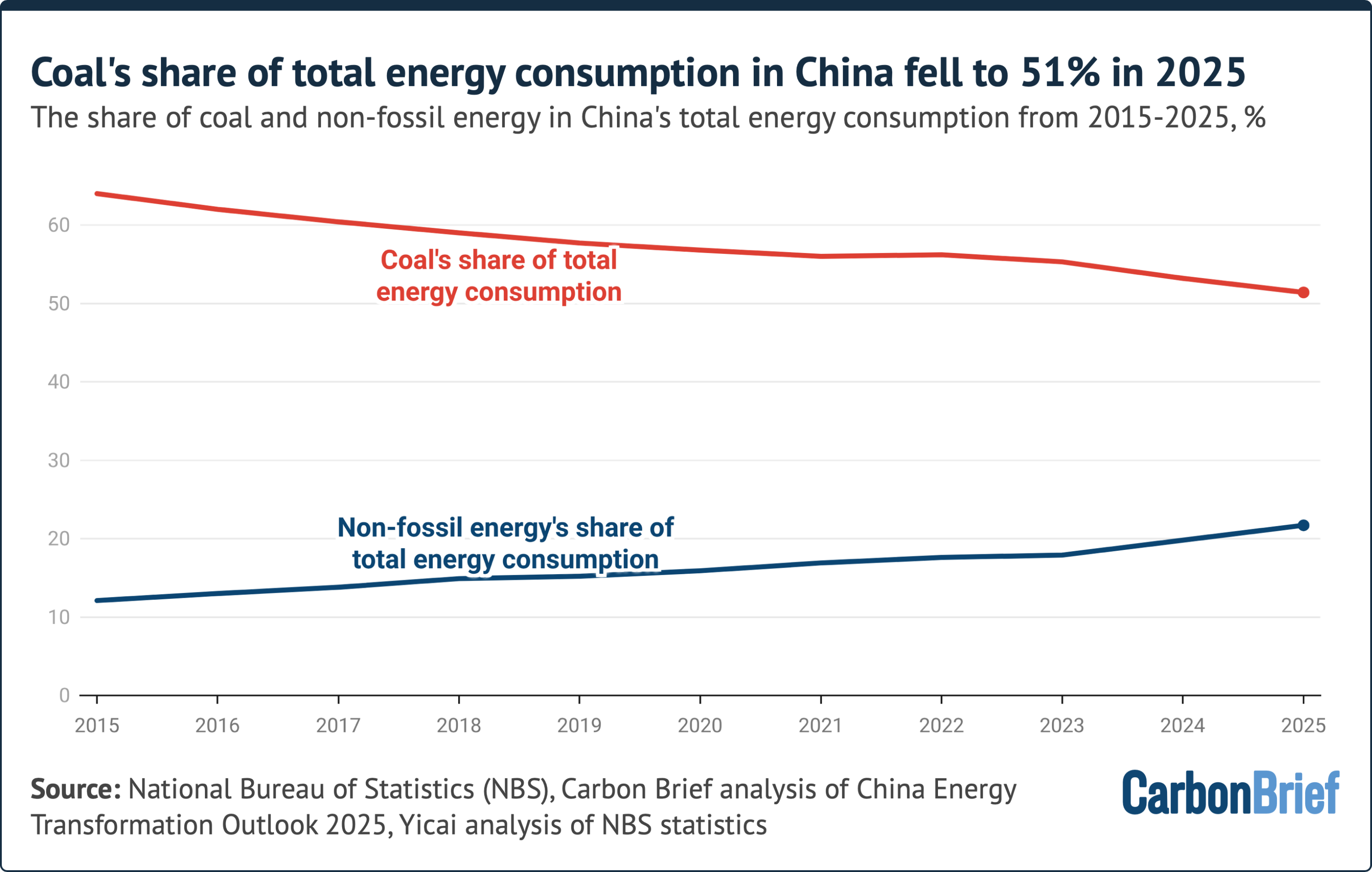
| 2025               | Non-fossil energy surpasses 50% of China's power mix; coal    |
|                    | accounts for 82% of mining production from top 4 provinces.  |
+--------------------+--------------------------------------------------------------+
| April 2026         | Central policy frameworks dictate "strict control" of fossil |
|                    | fuels and establish local government evaluation systems.      |
+--------------------+--------------------------------------------------------------+
| June 2026          | NDRC/NEA release 15th FYP for a "New-Type Energy System,"   |
|                    | revising reserve capacity targets to >=100 Mt/yr by 2030.    |
+--------------------+--------------------------------------------------------------+
| H1 2026            | Coal generation falls below 50% of electricity mix; total    |
|                    | energy consumption share drops to 51.4%.                     |
+--------------------+--------------------------------------------------------------+
| August 10, 2026    | NDRC & NEA jointly issue the 15th Five-Year Plan for Coal    |
|                    | Industry Development (2026–2030).                            |
+-----------------------------------------------------------------------------------+
2024: Chinese authorities first introduce a formalized policy framework establishing a coal "reserve-production capacity" system, initially setting an ambitious target of 300 million metric tonnes per year to absorb unexpected demand surges or grid imbalances.
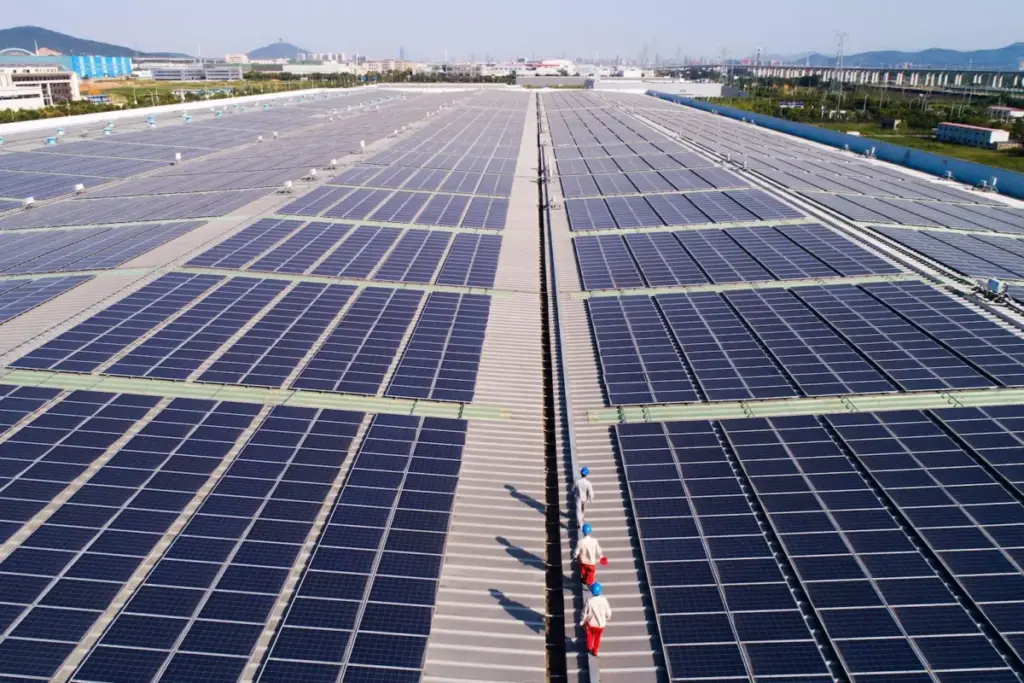
2025: Accelerating clean energy installations allow non-fossil sources to surpass 50% of China’s overall power generation mix. Meanwhile, structural mining shifts lead to four northern provinces generating 82% of national coal output.
April 2026: Beijing issues high-level policy guidelines mandating the "strict control" of fossil fuel consumption. The directives establish a standardized performance grading framework to hold local governments accountable for regional energy intensity and coal consumption metrics.
June 2026: The NDRC and NEA publish the 15th Five-Year Plan for Building a New-Type Energy System. This overarching policy document recalibrates the reserve capacity target, establishing a refined baseline target of 100 million metric tonnes or more of coal reserve-production capacity per year by 2030.
First Half of 2026 (H1 2026): Structural shifts become visible in operational metrics. Coal’s contribution to total power generation dips below 50% for the first time, while its share of primary energy consumption contracts to 51.4%, down from historically dominant levels.
August 10, 2026: The NDRC and NEA officially promulgate the 15th Five-Year Plan for the Development of the Coal Industry (2026–2030), establishing the definitive policy framework governing coal extraction, reserve management, corporate restructuring, and chemical utilization through the end of the decade.
Supporting Context & Metrics
Structural Consolidation and the "Big Four" Production Bases
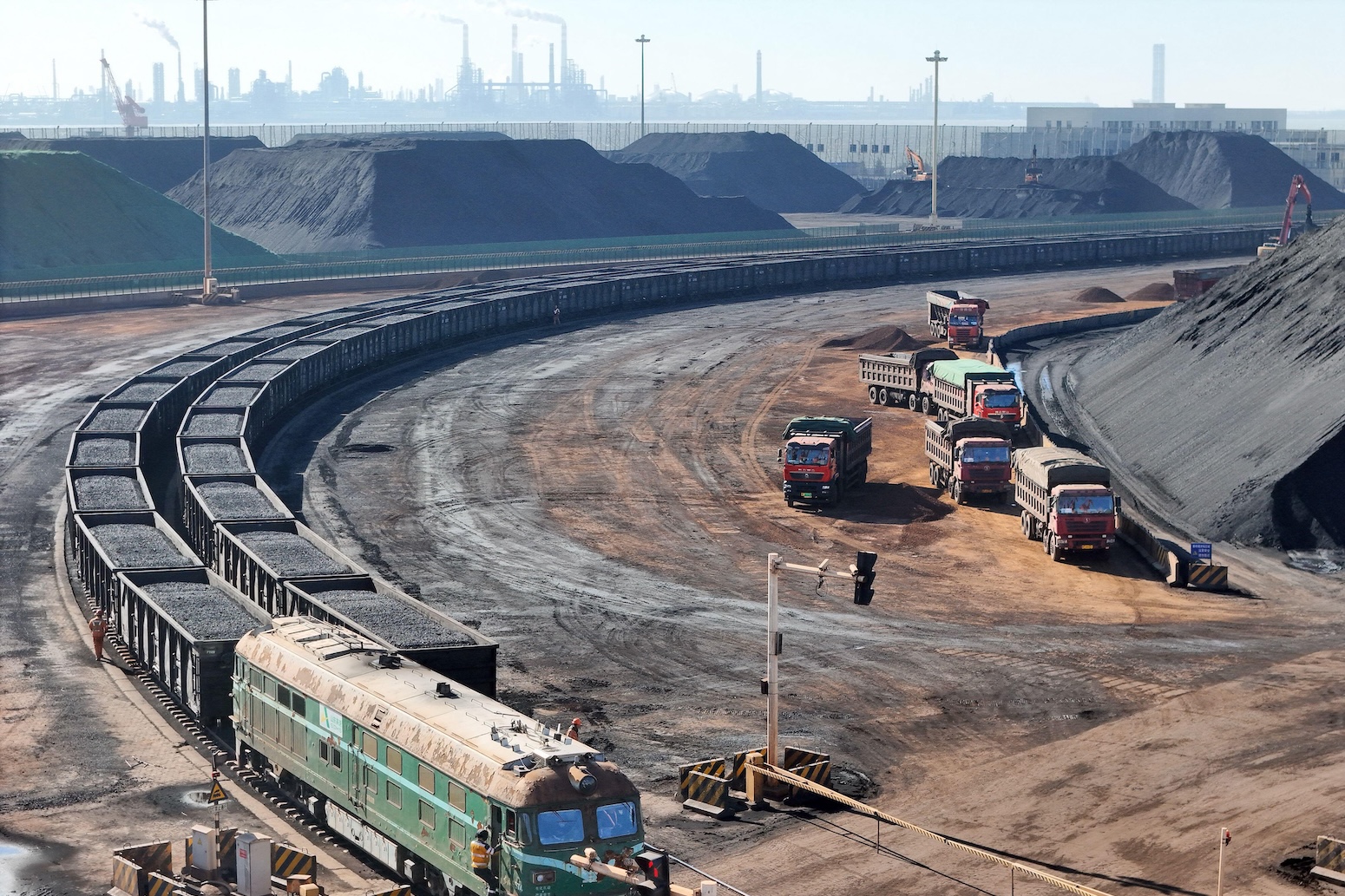
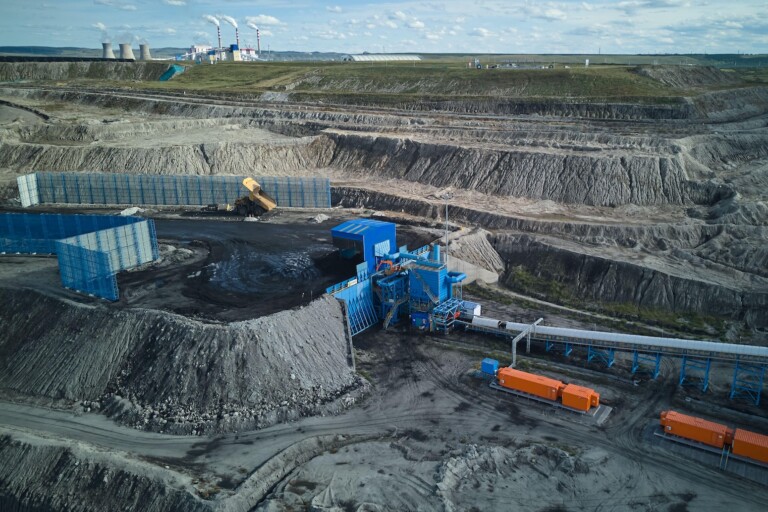
A cornerstone of the 15th Five-Year Plan is the institutionalization of geographic and industrial consolidation. To ensure high efficiency, safety, and centralized oversight, China is systematically phasing out smaller, inefficient extraction operations in favor of massive, highly mechanized mining complexes located in its resource-rich northern provinces.
        CHINA'S GEOGRAPHIC COAL PRODUCTION CONCENTRATION (2030 TARGET)

        +-------------------------------------------------------------+
        |  Shanxi | Inner Mongolia | Shaanxi | Xinjiang               |
        |                                                             |
        |  Targeted to supply OVER 80% of total national coal output   |
        +-------------------------------------------------------------+
        |  Rest of China                                              |
        |  Supplies < 20% of national production                      |
        +-------------------------------------------------------------+
Geographic Target: By 2030, over 80% of China’s total coal output will originate from four designated "coal-supply security bases": Shanxi, Inner Mongolia, Shaanxi, and Xinjiang. This target codifies an existing trend, as these four provinces accounted for roughly 82% of production in 2025.
Mine Scale Mandates: Except for southern Xinjiang, all newly constructed or expanded coal mines within these core production bases must meet a strict minimum capacity threshold of 1.2 million metric tonnes per year.
The "Single Ledger" Regulatory Framework: To curb uncoordinated expansion by regional authorities, all proposed coal production capacity during the 2026–2030 period must be vetted and recorded in a centralized "single ledger" controlled directly by Beijing prior to project commencement.
Recalibrating Reserve Capacities and System Flexibility
As intermittent renewable generation (wind and solar) expands across China’s national grid, the institutional role of coal is shifting from a continuous baseload power provider to a flexible, dispatchable backup mechanism.
                      PRIMARY ROLES OF COAL IN CHINA

    PAST ROLE                               FUTURE ROLE (2026-2030+)
+------------------------+              +-----------------------------------+
|  Continuous Baseload   |  =========>  |  Systemic Grid Regulation         |
|  Primary Energy Source |              |  Strategic Dispatchable Reserve   |
|  Unregulated Growth    |              |  High-Value Chemical Feedstock    |
+------------------------+              +-----------------------------------+
Reserve Production Goal: The plan reconfirms the target to establish a deployable "coal reserve-production capacity" of at least 100 million metric tonnes annually by 2030. This buffer ensures that production can be rapidly ramped up during extreme weather events or international supply chain shocks.
Absence of Volumetric Caps: Departing from the 12th and 13th Five-Year Plans, which contained explicit cap figures for total national coal production, the 15th Five-Year Plan deliberate refrains from imposing a hard, absolute quantitative ceiling on national mining volume, preserving operational flexibility for energy planning agencies.
Methane Mitigation and Coalbed Methane (CBM) Targets
Addressing non-carbon-dioxide greenhouse gases, the plan places heavy emphasis on the capture, development, and utilization of coalbed methane (CBM) and mine drainage gas.
Production and Utilization Baselines: By 2030, the policy targets an annual coalbed methane extraction volume of 26 billion cubic meters, alongside 6.5 billion cubic meters of mine-gas utilization.
Regional Anchor (Ordos Basin): The Ordos Basin, spanning multiple northern jurisdictions, is slated to deliver at least 18 billion cubic meters of the total CBM extraction target.
Regulatory Focus: While the plan outlines aggressive infrastructure targets for methane capture to enhance mine safety and bolster domestic natural gas reserves, it explicitly lacks an absolute cap on overall sector-wide methane emissions, relying instead on utilization quotas.
Official Statements
The strategy laid out in the 15th Five-Year Plan reflects a careful synthesis of government mandates and market realities, captured through statements from key leaders, state media organs, and independent policy experts.
State Apparatus and Official Media
High-level messaging from Beijing emphasizes coal’s irreplaceable function as a domestic economic stabilizing agent during periods of global geopolitical unrest.
"Coal is [China’s] greatest source of confidence in ensuring a stable energy supply."
— Wang Hongzhi, Head of the National Energy Administration (NEA), during a state press conference reported by the People’s Daily.
State media coverage has consistently aligned with this framing. The People’s Daily highlighted that despite "severe volatility" in global energy markets stemming from Middle East conflicts, China’s centralized energy system has effectively "withstood these shocks" due to its domestic coal capacity. Furthermore, coverage by Xinhua and China Daily framed the acceleration of coalbed methane development as a "vital strategic move" aimed at building an "energy powerhouse" while securing energy self-sufficiency.
Analytical Perspectives
Independent analysts note that while the plan acknowledges the imperative of peaking carbon emissions, its operational core is oriented around risk management and sector modernization rather than rapid fossil fuel liquidation.
"This is clearly neither a coal phase-out nor phase-down plan. It grants China considerable flexibility over the pace of the transition… China’s coal transition is not simply about reducing the quantity consumed, but creating a more concentrated, efficient, flexible, and resilient coal system."
— Kevin Tu, Non-Resident Fellow at Columbia University’s Center on Global Energy Policy.
Tu further emphasizes that the strategic pivot toward coal as a chemical feedstock is among the plan’s most consequential dimensions:
"The policy signal is not to exit coal chemicals, but to make them more efficient, higher-value, and potentially less carbon-intensive through green hydrogen and carbon capture."
"Beijing’s regulatory interventions, if any, will be limited to making sure the peaking timelines do not blow past 2030. Market and technological progress, rather than state directives alone, will determine exactly when coal consumption peaks."
— Li Shuo, Director of the China Climate Hub at the Asia Society Policy Institute.
Li added that geopolitical tensions in the Middle East will further reinforce coal’s dual role as a low-cost power source and a secure non-petroleum chemical input, predicting expanded capacity in coal-to-chemicals.
"Overall, this five-year plan is targeted at the coal industry, not the energy transition itself… The single-ledger requirement for new capacity indicates the central government is trying to prevent local authorities from rushing to approve new projects as consumption approaches its plateau."
— Yang Biqing, Energy Analyst at Ember.
"The document functions more as a coal exploration and modern industrial plan rather than a coal transition plan. While it calls for ‘smart’ and ‘green’ mining development, it does not directly confront the structural greenhouse gas footprint spanning extraction through combustion."
— Tom Wang, Executive Director of People of Asia for Climate Solutions.
"The plan lays out key infrastructure targets for coalbed methane, but it does not establish an absolute methane-emissions reduction target. The true climate impact will depend heavily on the specific implementation frameworks rolled out by regional agencies."
— Sun Xiaopu, Senior China Counsel at the Institute for Governance & Sustainable Development (IGSD).
Future Outlook
The launch of the 15th Five-Year Plan for the Coal Industry underscores a pragmatic reality in China’s macro-energy planning: the clean energy transition and fossil fuel security are being managed as parallel, mutually reinforcing imperatives rather than a zero-sum trade-off.
Reconfiguring Coal from Power Fuel to Chemical Feedstock:
As wind, solar, and nuclear power continue to assume a larger share of electricity generation, direct coal combustion for power will gradually plateau. In response, the plan instructs energy enterprises to treat coal "equally" as a fuel and a raw chemical feedstock. The strategic push to construct "coal-to-oil and coal-to-gas bases" provides an economic lifeline for coal producers while offering a domestic buffer against volatile crude oil imports. To manage the high emissions intensity of the chemical sector—China’s fastest-growing source of industrial emissions—the state will mandate the integration of green hydrogen, electrification, and Carbon Capture, Utilisation, and Storage (CCUS) technologies into chemical manufacturing.
Corporate Diversification and Managed Exit:
State-owned coal majors are explicitly instructed to evolve into multi-energy conglomerates. The plan calls on coal entities to expand directly into renewable power generation, hydrogen production, and advanced materials. Concurrently, as legacy mines in southern and eastern provinces face economic exhaustion, the policy directs companies to formulate disciplined mine-closure roadmaps, carefully managing debt resolution, land ecological restoration, and workforce redeployment to prevent localized economic instability.
Centralized Supply Control via the "Single Ledger":
By conditioning all new mining capacity on central government listing within the national "single ledger," Beijing retains tight oversight over market supply. This mechanism is specifically engineered to prevent regional governments from launching speculative infrastructure rushes ahead of the carbon peaking deadline, ensuring that total national production dynamically matches real economic demand without creating structural oversupply.
Global Climate and Market Implications
By preserving operational flexibility and declining to impose a hard year for peaking coal consumption prior to 2030, China retains full control over the pace of its energy transition. If electricity demand surges driven by rapid industrial electrification or severe climatic events, thermal generation can be readily dispatched from strategic reserves. Conversely, if renewable deployment continues its exponential growth trajectory, market forces and clean technology adoption will naturally force coal consumption into decline well before the 2030 terminal boundary.
Ultimately, the 15th Five-Year Plan confirms that Beijing views coal not as an industrial relic to be hastily abandoned, but as an essential stabilization ballast. By hardening its coal supply chains, concentrating extraction in modernized northern hubs, and expanding chemical transformation pathways, China aims to insulate its economy from external geopolitical shocks while methodically building out the low-carbon infrastructure of the future.