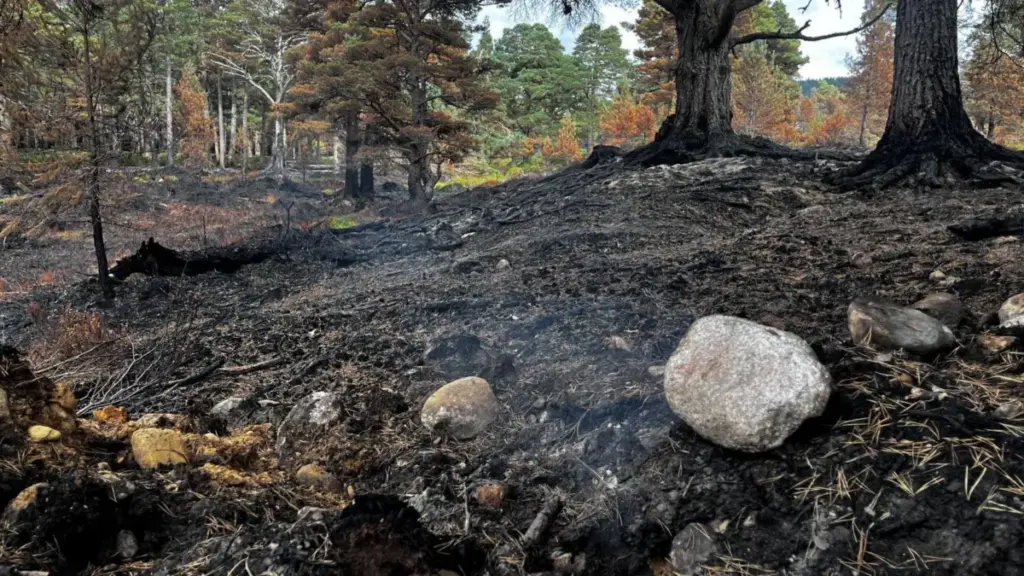
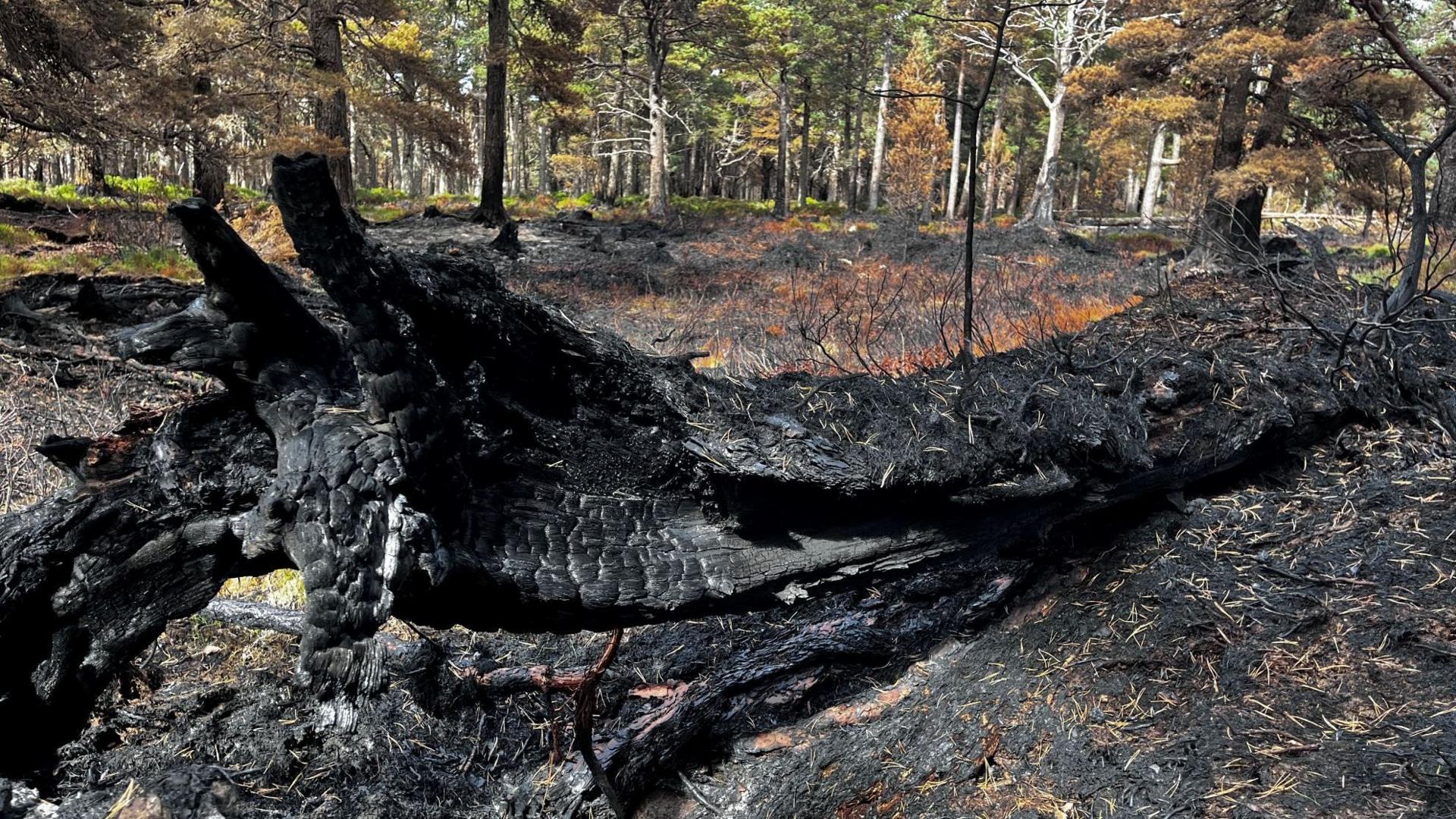
Six weeks after the flames were ostensibly beaten back, the smell of charred pine and smouldering earth still hangs heavy across the Cairngorms National Park. Driving through the Abernethy nature reserve, the devastation is staggering: more than 2,500 hectares (approximately 10 square miles) of rare moorland, ancient forest, and fragile peatland have been reduced to ash. The blaze, which burned continuously for over a month during a prolonged summer dry spell, forced the evacuation of an entire local village and cast a suffocating pall of smoke visible more than 60 miles away in Aberdeen.
Yet, the danger has not entirely passed. Weeks after professional firefighters withdrew their primary units, park managers are still playing a tense game of ecological "whack-a-mole," racing across the charred terrain to extinguish subterranean hot-spots. Peat fires, burning invisibly beneath the surface, can smoulder for months before erupting anew.
The catastrophe has forced a profound reckoning among conservationists, sporting estates, and government agencies across Scotland. Traditionally divided by bitter ideological battles over "rewilding," land use, and traditional moorland management, stakeholders are now grappling with an uncomfortable reality: climate change is rapidly transforming Scotland’s uplands into tinderboxes. In response, organizations like RSPB Scotland are overhauling their land management strategies, focusing on wider fire breaks, restored wetlands, strategic grazing, and a diversification of tree species. As extreme weather events become more frequent, the Cairngorms wildfire may well be remembered as a historic turning point—forcing opposing factions to build a unified defensive front against an escalating climate threat.
Detailed Chronology of the Crisis
The disaster that struck the Cairngorms this summer did not happen in a vacuum; it was the culmination of weeks of unseasonably dry weather, soaring temperatures, and an accumulation of natural fuel across the landscape.
Late Spring: Prolonged dry spells across the Scottish Highlands create exceptionally dry ground conditions. In April, recognizing the escalating threat, the Cairngorms National Park Authority takes proactive measures, introducing strict bylaws making it illegal to light campfires or use barbecues during the summer months. Early data suggests this intervention successfully curbed potential human ignitions, recording just 36 unauthorized fires compared to 94 during the same period the previous year.
Early Summer: Despite preventative measures, a spark catches. What begins as a localized fire rapidly outpaces initial containment efforts. Fueled by dry heather, high winds, and dense forest canopies, the blaze surges through the Abernethy nature reserve and surrounding estates.
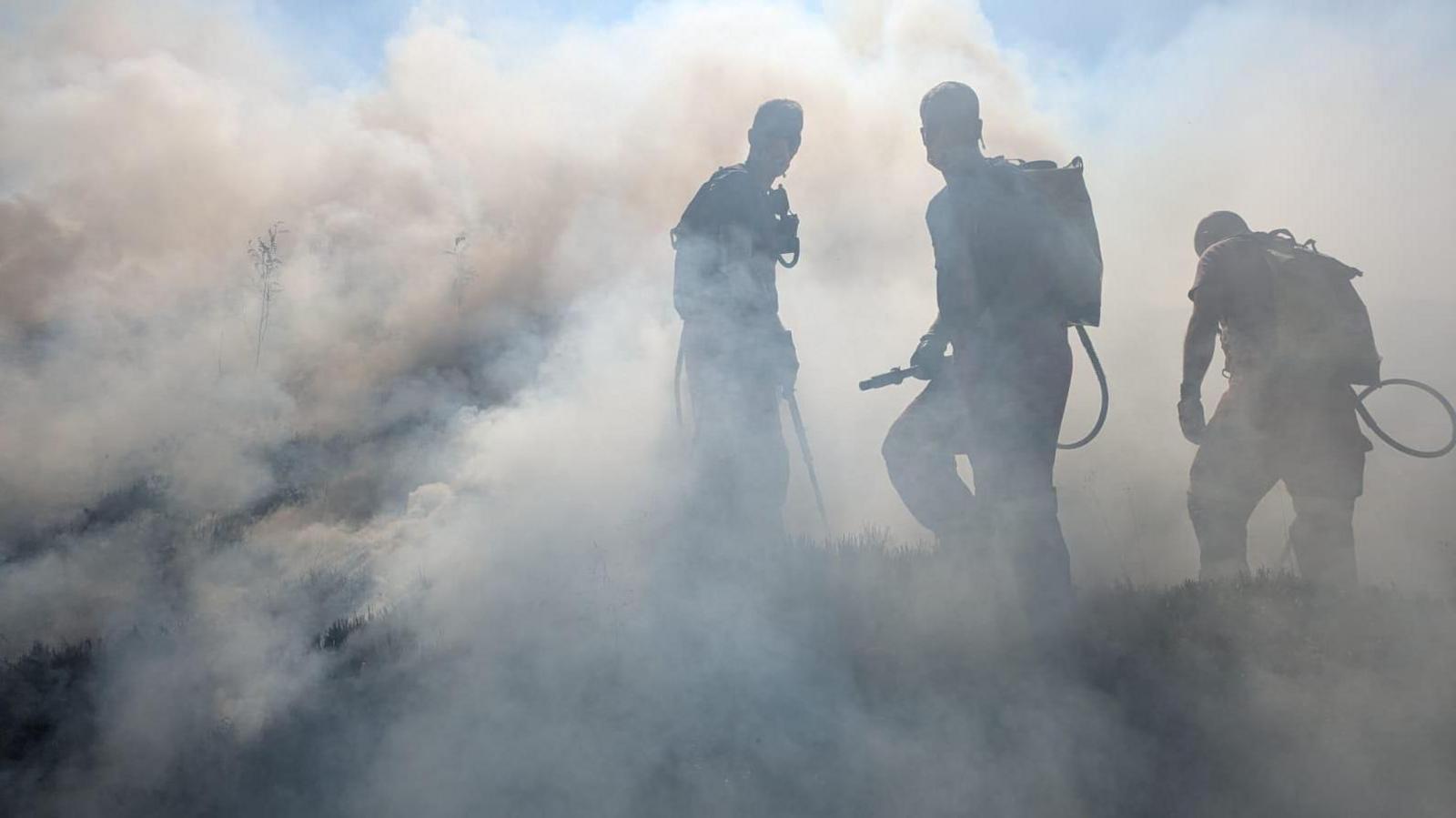
The Peak of the Blaze: The fire intensifies, consuming thousands of hectares of moorland and forest. The Scottish Fire and Rescue Service mobilizes extensive resources, but the scale of the fire—spanning difficult, remote terrain—demands an unprecedented multi-agency response. Reserve staff, neighbouring estate workers, and local volunteers work side-by-side with professional firefighters in grueling, round-the-clock shifts.
Evacuations and Regional Impact: As the inferno rages, thick smoke blankets the region, forcing the complete evacuation of a nearby village. The atmospheric plume is so massive that it is detected by meteorological instruments and smelled 60 miles away in Aberdeen.
Aftermath and Continuous Threat: After more than a month of continuous firefighting, the major flames are finally extinguished, and emergency crews pull back. However, the victory is provisional. Weeks later, residual heat trapped in the carbon-rich peat gives rise to fresh flare-ups, requiring site managers to maintain constant vigilance over the smoking ruins.
Supporting Context & Metrics: The Anatomy of a Highland Fire
Understanding why the Cairngorms fire proved so catastrophic requires examining the complex interactions between vegetation, climate change, and historical land use practices.
The Fuel Load Problem
In many upland areas managed for conservation or sporting purposes, vegetation such as heather, bracken, gorse, and dense pine can accumulate over years, creating what fire experts term a high "fuel load." When ignited under drought conditions, this organic matter acts as a high-energy propellant.
Traditional sporting estates have long utilized muirburn—the controlled, rotational burning of heather—to reduce this fuel load and encourage young shoots for red grouse. However, conservation charities like RSPB Scotland have historically avoided the practice, focusing instead on ecological restoration and natural regeneration. The recent fire has exposed the vulnerabilities of both approaches, proving that unmanaged wilderness can burn with catastrophic intensity if adequate structural defenses are absent.
The Peatland Paradox
Scotland’s landscape is heavily defined by peatlands, which store vast quantities of carbon. However, approximately 80% of Scotland’s peatland is degraded to some degree—often dried out by historical drainage ditches. Dry peat is not merely a surface hazard; it acts as an underground fuel source, allowing fires to burrow deep beneath the earth, making them exceptionally difficult to extinguish with water alone.
Conversely, healthy, "near-natural" or restored wet peatlands act as natural firebreaks. High water tables keep the landscape saturated, effectively halting the subterranean spread of flames. A prominent example occurred during a major wildfire near Melvich, Sutherland, in 2019, where the fire reached an area of peatland that had been re-wetted two decades prior. Academic studies following the incident confirmed that any damage to the wet peatland was entirely superficial, proving the immense defensive value of landscape hydration.
Official Statements and Industry Perspectives
The aftermath of the Cairngorms disaster has triggered intense debate across Scotland regarding regulatory frameworks, land management policies, and the urgent need for a cohesive national wildfire strategy.
The Call for a Proportional Safety Regime
The urgency of the situation was underscored when Scotland’s chief fire officer published an open letter calling for a comprehensive overhaul of wildfire planning. The fire service urged the implementation of a "more formal and proportionate fire safety regime" for rural and upland environments, bringing them closer to the stringent safety standards legally required for urban businesses.
The Muirburn Debate
Simultaneously, the Scottish Government is finalizing the rollout of a licensing scheme for muirburn. While ministers designed the licenses to enhance environmental sustainability on moorlands, organizations like Scottish Land & Estates argue that controlled burning remains an indispensable tool for mitigating wildfire risks by actively managing fuel loads.
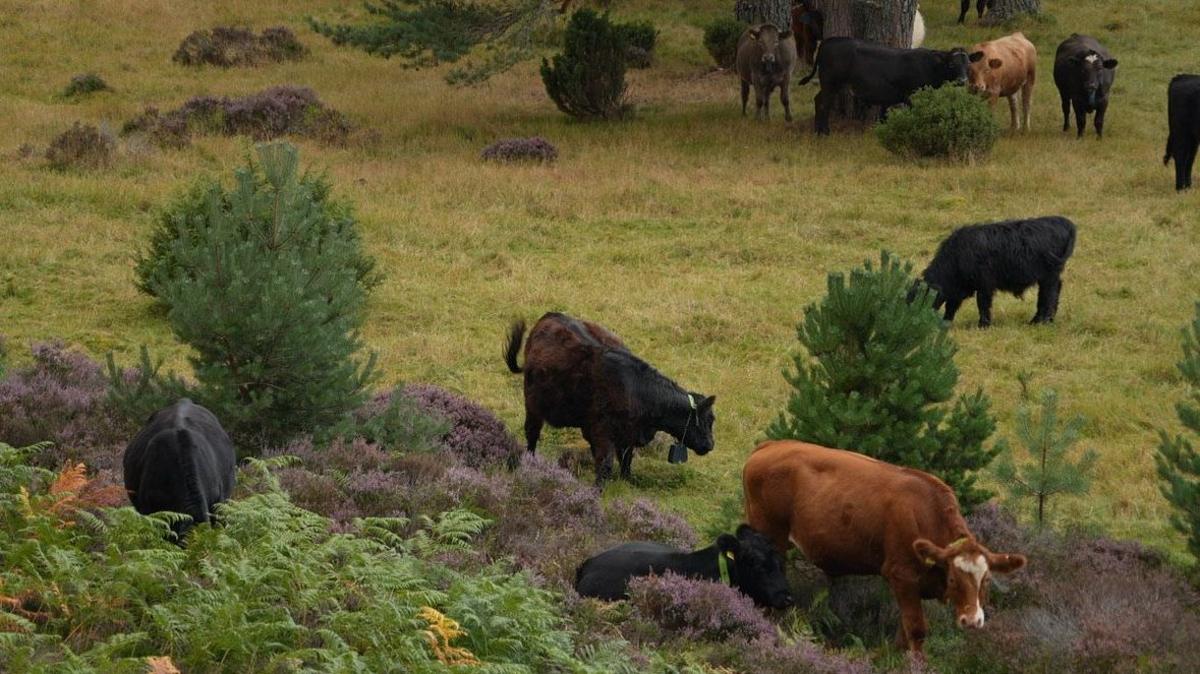
RSPB Scotland site manager Ben Oliver-Jones acknowledges that while the charity does not practice muirburn, the underlying issue of reducing fuel loads cannot be ignored. To address this without fire, the Abernethy reserve has turned to alternative methods, including the introduction of grazing cattle to consume and trample vegetation, alongside mechanical cutting and mulching.
Bridging the Ideological Divide
Historically, a deep ideological gulf has separated traditional sporting estate owners from modern ecological restoration proponents (often associated with the polarizing term "rewilding"). However, the shared trauma of fighting a month-long inferno side-by-side has fostered an unexpected spirit of cooperation.
Dee Ward, owner of the Rottal Estate in the Angus Glens, has worked collaboratively with the RSPB for years, engaging in peatland restoration, native tree planting, and wader conservation. He believes that ideological extremes have long clouded sensible debate:
"There are people that are very anti-grouse shooting. Fair enough, that’s your choice. But that’s clouding their view about muirburn because they’re saying because grouse shooters do it, it must be bad. We need to look at land management practices through the lens of preventing wildfires and consider sharing appropriate methods."
Similarly, Michael Bruce, owner of the Glen Tannar Estate in Aberdeenshire—who specializes in controlled moorland burning and assists the Scottish Fire and Rescue Service with wildfire forecasting—stresses that there is no single "silver bullet."
"Estates need to build up layers of defence," Bruce notes. "Wildfires find the gaps." He also highlights a critical gap in scientific research, pointing out that over the past 25 years, Scotland has seen very few long-term, consistent academic studies modeling wildfire behavior, a deficiency that must be addressed immediately given the changing climate.
Future Outlook: Building Defenses for a Warming Climate
As Scotland looks toward the future, land managers and conservationists agree that piecemeal responses will no longer suffice. Climate projections indicate that summers will become increasingly characterized by longer, hotter, and drier spells, turning the Scottish uplands into recurring tinderboxes.
To climate-proof the Cairngorms and similar landscapes, RSPB Scotland and partnering estates are implementing a four-pillar adaptation strategy:
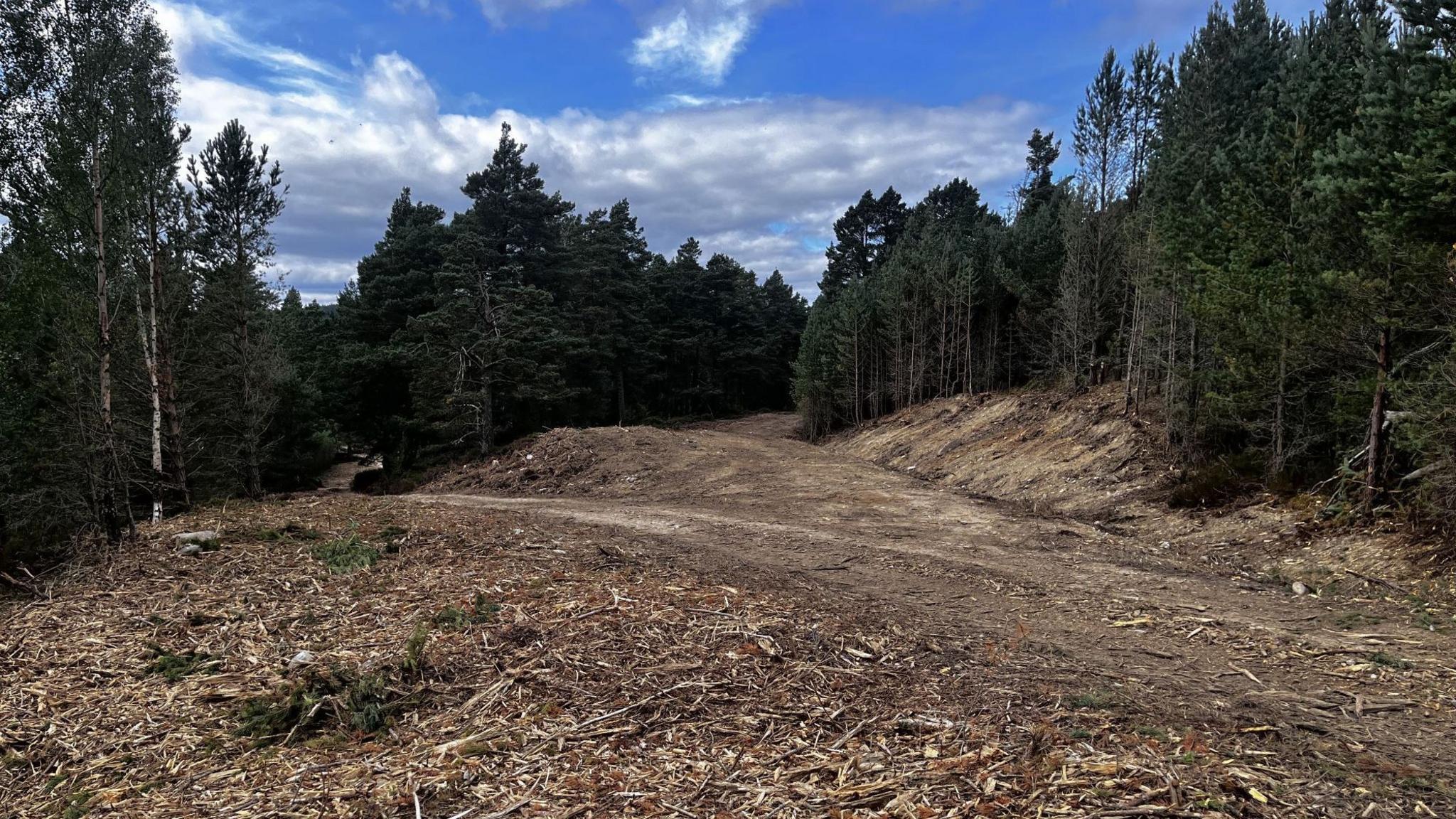
Wider Fire Breaks: Recognizing that high winds can easily propel six-metre-high flames across narrow forest tracks, the estate is aggressively widening its fire breaks. Heavy machinery is being deployed to clear vegetation up to three times the potential flame height along major trails, creating strategic gaps to halt lateral fire spread.
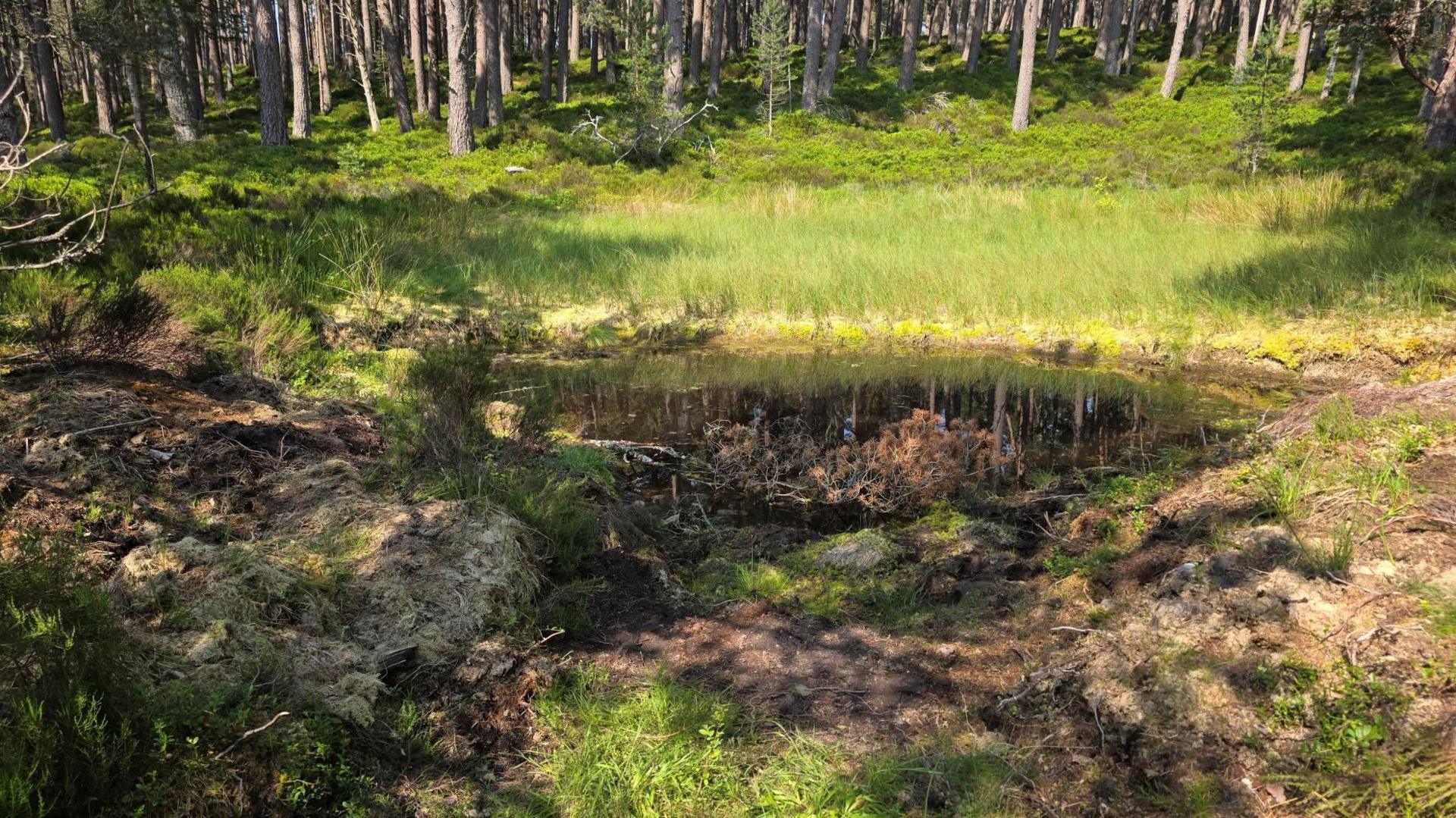
Hydrological Restoration: Building on successful small-scale trials—such as a June incident where a small fire was successfully extinguished using water from an insect habitat pond funded by the Scottish Government’s Nature Restoration fund—managers are actively raising water tables and creating network systems of permanent ponds and wetlands.
Strategic Grazing and Mechanical Fuel Reduction: Utilizing cattle and heavy machinery to control flammable undergrowth like gorse, bracken, and heather, thereby dampening the intensity of potential fires without relying exclusively on burning.
Diversification of Tree Species: While the Abernethy reserve protects the nation’s finest remnant of the ancient Caledonian pine forest, Scots pine contains flammable natural resins. The charity plans to reintroduce a higher proportion of broadleaved, moisture-rich species—such as birch, aspen, rowan, and alder—which occurred naturally in the original forest and burn significantly less intensely.
Preventing and tackling major wildfires demands substantial financial investment at a time of broader economic pressures. Yet, as the events of this summer demonstrate, the cost of inaction is catastrophic. For five weeks, individuals with vastly differing philosophies on land stewardship stood shoulder-to-shoulder in the smoke and ash of the Cairngorms. That shared struggle may ultimately provide the common language needed to safeguard Scotland’s natural heritage for generations to come.