As the global energy landscape accelerates its transition toward decentralized, renewable generation, the electrical grid faces unprecedented strain. Extreme weather events, surging energy demands driven by electrification, and the intermittent nature of wind and solar power have forced grid operators to rethink how electricity is stored and distributed. In response, forward-thinking jurisdictions are looking beyond stationary battery farms and turning their attention to an untapped, highly mobile resource already sitting in millions of driveways, school bus depots, and municipal parking lots: Electric Vehicles (EVs).
In a landmark move that could redefine the intersection of transportation and utility infrastructure, the Commonwealth of Massachusetts is launching a first-of-its-kind Vehicle-to-Everything (V2X) Demonstration Program. Spearheaded by the Massachusetts Clean Energy Center (MassCEC), this ambitious initiative will supply and install free, state-of-the-art bi-directional charging hardware to a diverse cross-section of participants, including school districts, municipal entities, and residential homeowners.
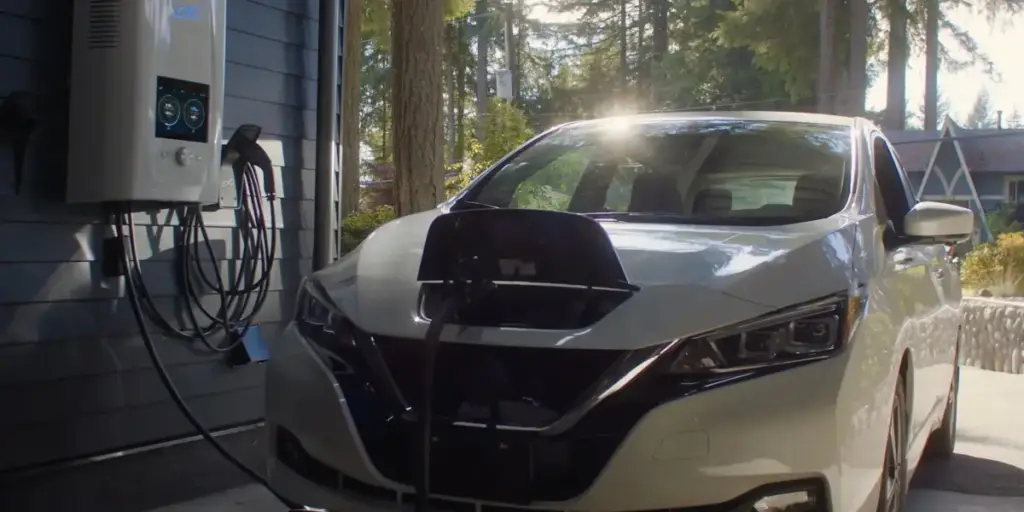
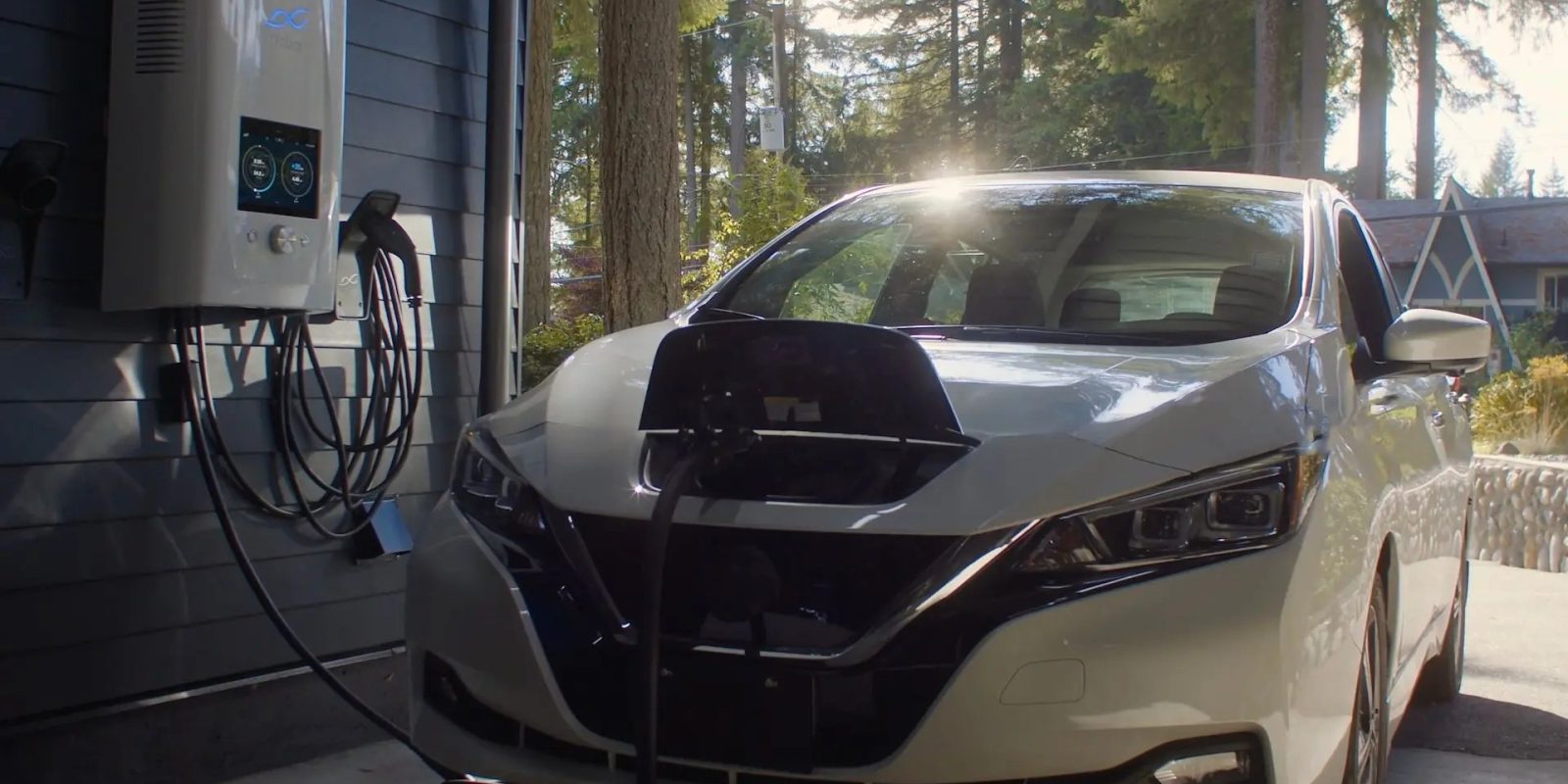
By enabling EVs to not only draw power from the grid but also feed electricity back into buildings and local distribution networks, the program transforms everyday vehicles into mobile energy storage units. The initiative targets a collective injection capacity of more than 1 megawatt (MW) of power back into the grid during peak demand response events—equivalent to offsetting the electricity consumption of approximately 300 average U.S. homes for an hour.
Far more than a simple technology trial, this program serves as a real-world sandbox for Virtual Power Plants (VPPs). By testing how bi-directional charging can alleviate grid congestion, prevent costly transmission upgrades, and enhance community resilience against blackouts, Massachusetts is establishing a blueprint for a cleaner, smarter, and more resilient energy future.
Detailed Chronology: From Concept to Deployment
The path toward Massachusetts’ V2X demonstration program reflects a deliberate, multi-year evolution in state energy policy, prioritizing climate resiliency, equity, and grid modernization.
Laying the Groundwork for Clean Transportation
For years, Massachusetts has maintained a national leadership role in aggressive decarbonization targets, codified under the Global Warming Solutions Act and subsequent climate legislation. However, as EV adoption rates climbed—spurred by state rebates and federal incentives—energy planners recognized that unmanaged overnight or peak-hour charging could create severe distribution bottlenecks.
Rather than viewing EVs purely as a new load on the grid, state energy agencies began evaluating their potential as grid assets. The concept of bi-directional charging, where high-capacity vehicle batteries act as decentralized energy reservoirs, moved from theoretical academic studies to practical policy exploration.
Designing the Demonstration Framework
MassCEC was tasked with bridging the gap between emerging V2X technology and real-world implementation. Recognizing that high hardware costs and complex utility interconnection processes were major deterrents for municipalities, school boards, and individual consumers, the agency structured the V2X demonstration program to remove these financial and administrative roadblocks entirely.
By offering hardware and professional installation at zero cost to participants, MassCEC engineered a pilot explicitly designed to lower the barrier to entry. The selection process prioritized geographic diversity, institutional readiness, and environmental justice, ensuring that marginalized communities—which historically bear the brunt of local air pollution and grid unreliability—would share equitably in the benefits of clean energy innovation.
The 2026 Rollout and Operational Timeline
With participants officially selected, the program has entered its deployment phase:
Spring 2026: System engineering, site assessments, and electrical infrastructure preparations begin across selected municipal and residential locations.
Summer 2026: All bi-directional charging stations are scheduled to be fully installed, commissioned, and operational.
Late 2026 and Beyond: Continuous data collection, performance monitoring, and utility integration will take place across all sites. MassCEC plans to leverage this operational data to publish a comprehensive V2X Guidebook in late 2026, offering a standardized framework covering system design, software management, regulatory navigation, and cost-benefit analysis for broader adoption.
Supporting Context & Metrics: Unlocking the Power of Mobile Storage
To fully grasp the significance of the Massachusetts V2X demonstration, one must examine the mechanics of bi-directional charging and the macro-level challenges facing modern electrical grids.
How V2X Technology Works
Standard EV chargers operate on a one-way street: alternating current (AC) or direct current (DC) flows from the grid into the vehicle’s lithium-ion battery pack. Bi-directional chargers, however, incorporate advanced power electronics that allow electricity to flow in reverse.
Under standard operating conditions, a vehicle charges during off-peak hours when electricity is cheap and generated predominantly by baseload or renewable sources. During a V2X event—such as a grid emergency, a severe weather outage, or a period of extreme peak demand—the vehicle’s battery discharges energy back through the charger to power a home (Vehicle-to-Home or V2H), a municipal building (Vehicle-to-Building or V2B), or directly back into the utility distribution network (Vehicle-to-Grid or V2G).
MassCEC’s projection that the participating cohort will deliver over 1 MW of power back to the grid during demand response events is a critical milestone. To put this into perspective:
Peak Shaving: During scorching summer afternoons or freezing winter nights, air conditioning and heating loads push grids to their absolute limits. Discharging 1 MW from a localized fleet of school buses, municipal trucks, and residential cars can instantly relieve strain on local transformers and substations.
Cost Avoidance: Utilities spend billions annually upgrading grid infrastructure to handle brief, sporadic peaks in energy demand. Virtual power networks created by aggregated EV batteries can shave these peaks, reducing the need for expensive substation overhauls and ultimately stabilizing electricity rates for ratepayers.
Resilience: For critical infrastructure—such as municipal water pumps, emergency shelters, and schools—having access to multi-kilowatt-hour vehicle batteries provides an invaluable layer of backup power during extreme weather outages, mitigating reliance on diesel generators.
Participant Breakdown and Equity Focus
The diversity of the program’s participants ensures robust data collection across different use cases:
School Districts (5): Acton-Boxborough Regional, Arlington, Boston, Concord, and Lincoln. Electric school buses represent an ideal V2X use case, featuring massive battery capacities (often exceeding 150–200 kWh) and predictable daily operating schedules that leave them parked and available for grid support during peak afternoon hours.
Municipal Projects (4): Sterling, Needham, Plymouth, and Warwick. Town-owned utility trucks and municipal fleet vehicles will test how local governments can optimize energy use across public facilities.
Residential Users (30): Individual homeowners scattered across the state will provide crucial insights into residential V2H integration, user experience, and consumer-focused value propositions.
Environmental Justice Focus: Crucially, over one-third of the program’s total funding is dedicated to supporting participants living in environmental justice communities, ensuring that the economic and resilience benefits of clean energy tech reach historically underserved populations.
Official Statements and Industry Perspective
State leaders and energy experts have universally praised the initiative, emphasizing its alignment with broader economic and environmental objectives.
Massachusetts Energy and Environmental Affairs Secretary Rebecca Tepper highlighted the paradigm shift represented by the program:
"Virtual power plants are the future of our electrical grid. Bi-directional charging unlocks new ways to protect communities from outages and lower costs for families and public fleets."
Industry analysts point out that while the technological capability of bi-directional charging has been proven in laboratories and select pilot projects globally, regulatory and standardization hurdles have slowed commercial scaling. Automakers have been historically hesitant to endorse full V2X deployment due to warranty concerns regarding battery degradation, while utilities have grappled with complex interconnection standards and liability frameworks.
By absorbing the capital expenditure costs of hardware deployment and actively coordinating with regional utility providers, MassCEC is effectively accelerating the regulatory learning curve. The data harvested from the Massachusetts pilot will provide tangible metrics on battery health, round-trip efficiency, and economic yield, giving utilities and automakers the empirical confidence needed to roll out commercial V2X programs at scale.
Future Outlook: The Road Ahead for V2X in Massachusetts and Beyond
As the 2026 deployment window approaches, the eyes of the North American energy sector are firmly fixed on Massachusetts. The insights gleaned from this demonstration program will extend far beyond state borders.
Overcoming Remaining Barriers
Despite its immense promise, the widespread adoption of V2X faces ongoing challenges that the MassCEC pilot aims to address:
Standardization and Interoperability: Ensuring seamless communication between diverse EV models (from electric sedans to heavy-duty electric school buses), bi-directional chargers, and utility management software is paramount.
Battery Longevity Concerns: While modern lithium-ion batteries exhibit high durability, continuous cycling for grid support must be managed intelligently to prevent premature capacity degradation. The pilot’s data collection will help establish industry best practices for battery management systems (BMS).
Regulatory and Tariff Structures: To incentivize participation long-term, utilities must implement clear, attractive time-of-use (TOU) tariffs and demand-response compensation structures that adequately reward vehicle owners for sharing their stored energy.
A Blueprint for Scalability
By late 2026, the release of MassCEC’s anticipated V2X Guidebook will provide municipalities, urban planners, and utility commissioners across the country with a ready-made manual for replicating these initiatives.
If successful, the Massachusetts demonstration could trigger a domino effect across the United States. As electric vehicle adoption continues its inevitable climb, the transition from passive transportation to active grid assets will no longer be an experimental luxury—it will be a structural necessity. Through visionary state leadership, zero-cost deployment models, and community-centric integration, Massachusetts is proving that the solution to our grid challenges is already driving down our streets.