Executive Overview
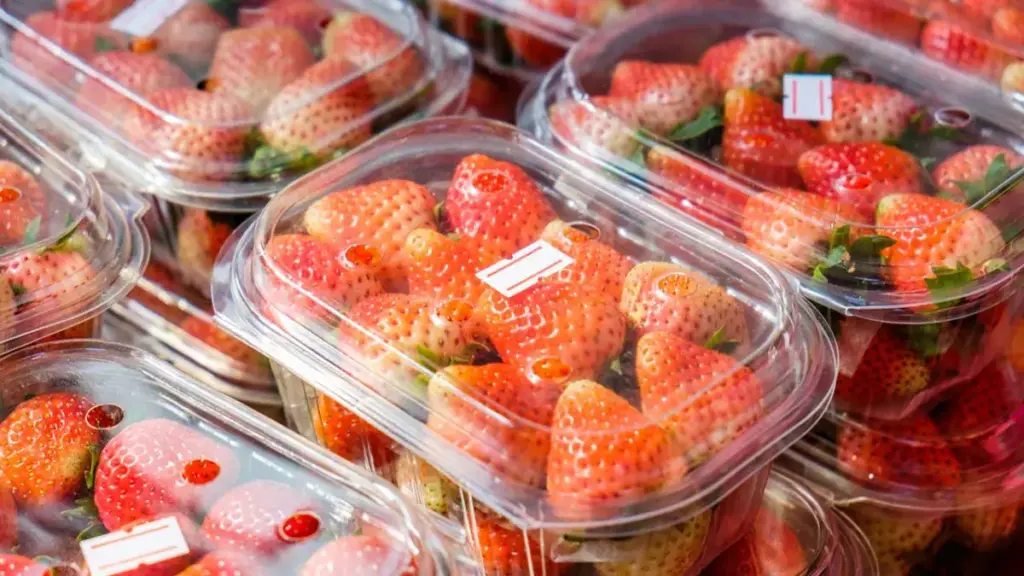
By 2028, the American grocery run will look and feel subtly but fundamentally different. Clamshell containers holding strawberries will be replaced by ventilated cardboard boxes; takeout salads will arrive in molded fiber bowls; and microwaveable meals will sit in clear or white plastic trays rather than the long-ubiquitous black plastic. These visual and tactile shifts are not mere aesthetic trends. They represent the early, visible tremors of a seismic regulatory shift initiated by California’s landmark Plastic Pollution Prevention and Packaging Producer Responsibility Act, widely known as SB 54.
Passed in 2022, with its finalized implementing regulations taking effect in May 2026, SB 54 represents the most comprehensive packaging law in United States history. By mandating a 25% reduction in single-use plastic packaging by 2032 and requiring that 100% of single-use packaging sold in the state be recyclable or compostable, the law seeks to systematically dismantle the "take-make-waste" linear economy.
┌────────────────────────────────────────────────────────┐
│               SB 54 CORE TARGETS (2032)                │
├───────────────────────────┬────────────────────────────┤
│  Single-Use Plastic Red.  │   Recyclable/Compostable   │
│          -25%             │           100%             │
└───────────────────────────┴────────────────────────────┘
Crucially, the reach of SB 54 extends far beyond California’s borders. Because of the sheer economic scale of the Golden State—the world’s fifth-largest economy—multinational consumer brands are reformulating their packaging nationwide rather than designing, manufacturing, and distributing separate inventory for a single state.
However, this transition is anything but smooth. On June 2, 2026, a coalition of prominent environmental advocacy groups—including Oceana, the Natural Resources Defense Council (NRDC), and the Californians Against Waste Foundation—filed a major lawsuit in the San Francisco Superior Court. The plaintiffs allege that the final regulations approved by CalRecycle contain industry-friendly loopholes, including unauthorized exclusions for large categories of plastic packaging and indefinite exemptions that threaten to undermine the law’s original intent.
This unfolding legal and corporate battle underscores the high stakes of America’s transition toward Extended Producer Responsibility (EPR)—a policy framework that shifts the financial and operational burden of waste management from taxpayers to the companies that produce the waste.
Detailed Chronology
The implementation of SB 54 is structured as a multi-decade roadmap designed to give producers, waste haulers, and municipal recycling facilities time to adapt. However, the regulatory timeline is already facing intense scrutiny and legal friction.
2022: SB 54 Passed ──► May 2026: Regs Take Effect ──► June 2026: Lawsuit Filed ──► 2027: 10% Plastic Red. ──► 2032: Full ComplianceThe Rulemaking Phase and the June 2026 Lawsuit
Following the passage of SB 54 in 2022, CalRecycle spent nearly four years drafting, revising, and finalizing the administrative rules governing the law’s execution. These permanent regulations officially took effect on May 1, 2026. Under the rules, producers had until June 1, 2026, to register with the Circular Action Alliance (CAA)—the sole approved Producer Responsibility Organization (PRO) tasked with administering the program—or register independently.
The peace was short-lived. On June 2, 2026, environmental groups filed suit, arguing that the finalized regulations strayed dangerously from the statutory text. Specifically, the lawsuit contends that CalRecycle overstepped its authority by:
- Creating broad exemptions for specific categories of flexible and multi-layered plastics.
- Allowing producers to claim indefinite timelines for compliance under the guise of "technological infeasibility."
- Failing to establish guardrails against chemical recycling technologies (such as pyrolysis and gasification), which environmentalists argue are carbon-intensive and highly polluting.
Despite this legal challenge, the implementation schedule remains legally binding unless a court issues an injunction.
Milestone Compliance Timeline (2026–2032)
The following table outlines the statutory deadlines and the corresponding changes that consumers and industry stakeholders will observe:
| Target Date | Statutory Requirements | Expected Market Realities & Consumer Impact |
|---|---|---|
| May 1, 2026 | Permanent regulations take effect. Producers must register with the Circular Action Alliance (PRO) or CalRecycle. | Minimal shelf-level changes; surge in corporate announcements, packaging audits, and redesign contracts. |
| January 1, 2027 | Full program implementation begins. Single-use plastic packaging must be reduced by 10% from the 2023 baseline. Non-compliant producers are barred from selling in CA. | Introduction of lightweighted packaging, elimination of unnecessary double-packaging (e.g., outer plastic film over cardboard boxes). |
| January 1, 2028 | 30% of covered single-use plastic packaging and food service ware must be actively recycled in practice. | Phasing out of hard-to-sort materials. Visible shift to clear PET, aluminum, and certified compostable molded fiber. |
| January 1, 2030 | Recycling rate targets rise to 40%. Source reduction of plastics must reach 20%. | Widespread adoption of store-level refill stations, concentrated product pods, and standardized reusable container programs. |
| January 1, 2032 | Final targets apply: 25% absolute source reduction, 65% actual recycling rate, and 100% of packaging must be recyclable or compostable. | Complete overhaul of the retail landscape. Traditional plastics are restricted to highly specialized, non-substitutable medical or safety applications. |
Note: Expanded polystyrene (EPS) food service ware has already been restricted in California since January 1, 2025, due to the industry’s failure to demonstrate a 25% recycling rate by that date.
Supporting Context & Metrics
To appreciate the necessity of SB 54, one must examine the scale of the plastic waste crisis. For more than half a century, plastic has reigned as the default packaging material due to its low cost, durability, and lightweight nature. However, this economic convenience has extracted a devastating environmental toll.
The Macro Metrics of Waste
Data from the U.S. Environmental Protection Agency (EPA) illustrates the exponential growth of plastic waste in the municipal solid waste (MSW) stream:
U.S. Municipal Solid Waste Composition (Plastic % of Total)
1960: [░] 0.4%
2018: [████████████] 12.2%
According to data compiled by Greenprint, packaging is the single largest driver of this crisis:
- 36% of all manufactured plastic is dedicated to single-use packaging.
- 85% of that packaging ends up directly in landfills, bypassing recycling systems entirely due to contamination, design flaws, or lack of municipal infrastructure.
The Four Materials Facing Immediate Obsolescence
SB 54 systematically targets materials that are economically or mechanically incompatible with modern recycling infrastructure. Four specific categories are slated for rapid phase-out or complete redesign:
┌──────────────────────────────────────────────────────────────────────────┐
│                      TARGETED PACKAGING MATERIALS                        │
├──────────────────────────┬───────────────────────────────────────────────┤
│ 1. Expanded Polystyrene  │ Chemically hazardous, high transport costs,   │
│    (EPS / Styrofoam)     │ breaks into microplastics easily.             │
├──────────────────────────┼───────────────────────────────────────────────┤
│ 2. Black & Dark Plastics │ Absorbs Near-Infrared (NIR) light, making     │
│                          │ automated sorting machines blind to them.     │
├──────────────────────────┼───────────────────────────────────────────────┤
│ 3. Polyvinyl Chloride    │ Contaminates PET recycling streams; contains  │
│    (PVC Clamshells)      │ toxic phthalates linked to health issues.     │
├──────────────────────────┼───────────────────────────────────────────────┤
│ 4. Oxo-Degradable        │ Fragment into microplastics rather than       │
│    Plastics              │ biodegrade; major source of greenwashing.     │
└──────────────────────────┴───────────────────────────────────────────────┘
1. Expanded Polystyrene (EPS)
Commonly known as Styrofoam, EPS is highly problematic. Because it is composed of 95% air, it is economically unviable to transport for recycling. Furthermore, it easily fragments into tiny, toxic beads that absorb marine pollutants and enter the food chain. Epidemiological data from Toxic-Free Future links exposure to styrene, the chemical building block of EPS, to elevated risks of leukemia, lymphoma, and central nervous system disorders.
2. Black and Dark-Colored Plastics
Frequently used for microwaveable meals and takeout containers, black plastic is chemically recyclable but mechanically unrecyclable in modern Material Recovery Facilities (MRFs). MRFs utilize Near-Infrared (NIR) optical sorting technology to identify plastic polymers. Because the carbon black pigment used in these containers absorbs NIR light, the sorting machines cannot detect the plastic type. Consequently, these containers are routed to landfills.
3. Polyvinyl Chloride (PVC) Clamshells and Blister Packs
Often used to package fresh berries or retail toys, PVC is a severe contaminant in the recycling stream. Even a minuscule amount of PVC (as low as 0.1% by weight) mixed into a batch of Polyethylene Terephthalate (PET) recycling ruins the entire run, rendering the recycled plastic brittle and yellowed. Additionally, PVC contains plasticizers like phthalates, which peer-reviewed studies have linked to endocrine disruption, diabetes, and reproductive toxicity.
4. Oxo-Degradable Plastics
Marketed heavily as "biodegradable" or "eco-friendly," these conventional plastics are laced with chemical additives that accelerate fragmentation when exposed to UV light or heat. Rather than truly degrading into organic matter, they disintegrate into billions of microplastics, creating an invisible but persistent form of environmental pollution that is impossible to remediate.
Official Statements & Stakeholder Perspectives
The implementation of SB 54 has created a complex web of competing interests, with regulators, environmentalists, and corporate coalitions offering starkly different perspectives on the law’s current trajectory.
The Regulatory Position
CalRecycle has consistently defended its finalized regulations as a pragmatic compromise that ensures the law is enforceable. In official communications, the agency emphasizes that:
"SB 54 is not a ban on plastics; it is a mandate for structural accountability. Our regulations establish the necessary administrative infrastructure to collect billions of dollars in producer fees, which will directly modernize California’s recycling and composting systems. We are confident our rules will withstand legal scrutiny and deliver the environmental outcomes the legislature intended."
The Environmental Litigants
Conversely, the environmental groups behind the June 2026 lawsuit argue that CalRecycle capitulated to intense industry lobbying during the rulemaking phase. An official statement from the Natural Resources Defense Council (NRDC) warns:
"The final rules approved by CalRecycle threaten to snatch defeat from the jaws of victory. By carving out ambiguous exemptions and leaving the door wide open for unproven, polluting ‘chemical recycling’ technologies, the agency has diluted a landmark law. We filed this lawsuit to protect the integrity of SB 54 and ensure that corporate polluters are held to the strict letter of the law."
The Producer Responsibility Organization (PRO)
The Circular Action Alliance (CAA), which represents major consumer brands such as Unilever, Nestlé, and Procter & Gamble, occupies a difficult middle ground. Tasked with managing compliance on behalf of thousands of companies, the CAA stated:
"Our members are committed to achieving the ambitious targets set by SB 54. However, transforming global supply chains cannot happen overnight. The transition requires massive capital investments in packaging redesign, material sourcing, and waste infrastructure. We support a regulatory framework that provides clarity, flexibility, and realistic pathways to compliance without disrupting the supply of essential consumer goods."
Future Outlook
As SB 54 moves from administrative rule-making to on-the-ground enforcement, its ripple effects will reshape the retail landscape, municipal infrastructure, and consumer habits across North America.
The "California Effect" and Interstate Coordination
The regulatory shift is already triggering the "California Effect"—a phenomenon where the stringent standards of a single large state become the de facto national standard. For a manufacturer, maintaining two separate packaging lines—one for California and another for the rest of the United States—is a logistical and financial nightmare.
Consequently, packaging redesigned to comply with SB 54 is rapidly appearing on shelves in Texas, Illinois, and New York.
       ┌──────────────────────────────┐
       │   CALIFORNIA'S REGULATION    │
       │           (SB 54)            │
       └──────────────┬───────────────┘
                      │
                      ▼
       ┌──────────────────────────────┐
       │  "THE CALIFORNIA EFFECT"     │
       │ National brands standardize  │
       │  packaging to avoid split    │
       │      distribution lines      │
       └──────────────┬───────────────┘
                      │
                      ▼
       ┌──────────────────────────────┐
       │     DE FACTO US STANDARD     │
       │   Cleaner packaging on US    │
       │      shelves nationwide      │
       └──────────────────────────────┘
This transition is further accelerated by regional coordination. Oregon is currently implementing its own Recycling Modernization Act, while Colorado, Maine, and Minnesota are rolling out their respective EPR frameworks. If these states align their material lists and reporting standards, they will form a powerful regulatory bloc representing more than a quarter of the U.S. consumer market.
How Retail Aisles Will Transform
Shoppers can expect distinct changes across various departments over the next five years:
- Fresh Produce: The transition from clear plastic PET/PVC clamshells to molded pulp punnets and ventilated FSC-certified cardboard boxes.
- Prepared Foods & Takeout: A shift toward unlined or PLA-lined (polylactic acid) fiber containers. Because PLA-lined containers may have shorter shelf-lives or lower moisture barriers, consumers may need to transfer leftovers to durable containers at home to preserve freshness.
- Personal Care: A decline in single-use plastic bottles in favor of ultra-concentrated pods, dissolvable tablets, and in-store refill stations.
- E-Commerce: The total elimination of plastic film air pillows and polystyrene packing peanuts, replaced by 100% recyclable curbside paper-based void-fills.
Infrastructure Funding via EPR Fees
One of the most transformative aspects of SB 54 is its funding mechanism. The law is projected to generate up to $500 million annually in environmental mitigation fees paid by producers.
┌────────────────────────────────────────────────────────┐
│             ALLOCATION OF PRODUCER FEES                │
├───────────────────────────┬────────────────────────────┤
│  Municipal MRF Upgrades   │ Organic Waste Expansion    │
│  (AI, Robotic Sorting)    │  (Industrial Composting)   │
└───────────────────────────┴────────────────────────────┘
This revenue will not disappear into general state funds; it is legally earmarked for:
- Upgrading Material Recovery Facilities (MRFs): Funding the purchase of advanced robotic sorting systems, artificial intelligence-driven optical sorters, and high-capacity wash lines to process post-consumer plastics.
- Expanding Industrial Composting Infrastructure: Building out regional high-heat composting facilities capable of processing certified compostable bioplastics and food-soiled paper packaging, which cannot break down in backyard compost piles.
Consumer Navigation & Shopping Guide
During this multi-year transition, consumers must learn to distinguish between genuine sustainable progress and sophisticated greenwashing.
Spotting Genuine Compliance vs. Greenwashing
When evaluating packaging at the point of sale, shoppers should look for verifiable, third-party certifications rather than vague marketing claims:
                  ┌──────────────────────────────┐
                  │   IS IT TRULY COMPOSTABLE?   │
                  └──────────────┬───────────────┘
                                 │
                  ┌──────────────┴──────────────┐
                  ▼                             ▼
       [ YES: Certified Logos ]       [ NO: Vague Marketing ]
       • BPI Certified Compostable    • "Earth-Friendly"
       • ASTM D6400 Standard          • "Biodegradable" (uncertified)
• TUV Austria OK Compost • "Plant-Based Plastic" (uncertified)- Look for the BPI Logo: The Biodegradable Products Institute (BPI) logo is the gold standard for compostability in North America. It guarantees that the material will completely biodegrade in an industrial composting facility without leaving toxic residues or microplastics.
- Check for ASTM D6400: This scientific standard indicates that the material has been rigorously tested to break down under specific heat and moisture conditions. If a bioplastic does not carry this certification, it should be treated as conventional plastic.
- Utilize the "How2Recycle" Label: This standardized labeling system provides clear, localized instructions on whether a package is widely recycled, requires store drop-off, or must be thrown in the trash.
- Be Skeptical of "Plant-Based" Claims: Many "plant-based" plastics (such as Bio-PET) are chemically identical to petroleum-based plastics. While they reduce fossil fuel reliance during production, they do not biodegrade and present the exact same pollution challenges post-consumer.
Three Critical Questions to Ask Brands
To drive market accountability, consumers should actively query their favorite brands via customer service lines or social media:
- "Does this packaging utilize post-consumer recycled (PCR) content, and if so, what percentage?"
- "Is the barrier lining of your paper packaging certified compostable, or does it contain a permanent plastic laminate that prevents recycling?"
- "What is your brand’s timeline for transitioning to mono-material packaging to ensure easy sorting at local MRFs?"
Additional Resources
For readers seeking to track the implementation of SB 54, monitor ongoing litigation, or research circular design standards, the following organizations provide authoritative data and updates:
- CalRecycle SB 54 Homepage: The official state portal for regulatory text, list of covered materials, and compliance deadlines.
- The Circular Action Alliance (CAA): The approved Producer Responsibility Organization managing compliance and reporting frameworks.
- The Association of Plastic Recyclers (APR): Provides comprehensive design guides detailing which materials and colorants are compatible with modern recycling systems.
- The Ellen MacArthur Foundation: A global leader in circular economy research, offering deep dives into packaging design and global EPR trends.