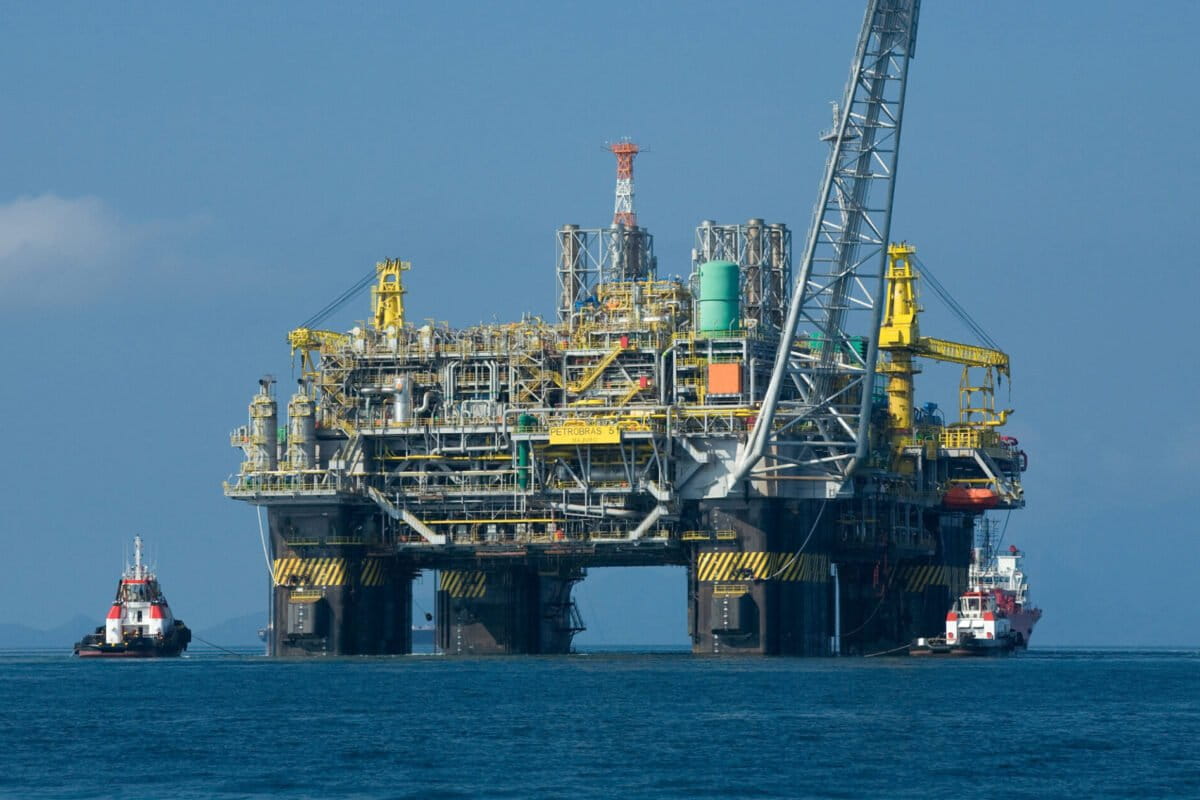
A newly forged bilateral partnership between Brazil’s state-owned energy giant, Petrobras, and Mexico’s Petróleos Mexicanos (Pemex) has ignited intense debate across Latin America. Signed on June 23, the two-year memorandum of understanding (MoU) formally establishes a collaborative framework aimed at intensifying offshore oil and gas extraction, developing mature fields, and exploring deepwater reserves in the Gulf of Mexico. While proponents within the Mexican administration frame the agreement as a strategic step toward regional cooperation and technological exchange, environmental organizations, marine scientists, and energy analysts are sounding the alarm.
Critics argue that the partnership locks both nations into decades of expanded fossil fuel production, directly conflicting with global climate commitments and threatening fragile marine ecosystems. The agreement comes on the heels of major safety failures by Pemex, including a catastrophic natural gas well blowout in Veracruz and a massive pipeline leak that contaminated over 500 miles of Mexican shoreline. Compounding these environmental fears is a distinct lack of transparency surrounding the MoU’s text, forcing independent watchdogs and energy experts to question the true trade-offs of the deal. The situation presents a profound political paradox: Mexican President Claudia Sheinbaum, a former climate scientist and IPCC report co-author who campaigned on environmental credentials and a 2030 renewable energy target, now presides over an administration expanding deepwater drilling and reopening the door to domestic fracking.
Detailed Chronology of Events
The unfolding geopolitical and industrial landscape surrounding the Petrobras-Pemex agreement is marked by a series of critical operational failures, regulatory milestones, and political announcements that trace a trajectory toward heightened extractivism in the Gulf of Mexico.
Early 2026: Pemex experiences a severe operational crisis marked by major safety incidents. In February, an exploratory natural gas well near Las Choapas in the state of Veracruz suffers a catastrophic blowout, releasing uncontrolled smoke and gas for nearly five months.
March 2026: A massive oil spill materializes in the Gulf of Mexico, ultimately contaminating 933 kilometers (approximately 580 miles) of vulnerable shoreline.
April 2026: Following weeks of public pressure and mounting ecological evidence, Pemex formally admits fault, conceding that the widespread coastal pollution was the direct result of a structural leak in one of its offshore pipelines.
June 23, 2026: Brazil’s Petrobras and Mexico’s Pemex officially announce a two-year memorandum of understanding to collaborate on industrial processes, deepwater exploration, and the revitalization of mature fields in the Gulf of Mexico. The complete text of the MoU is withheld from publication.
June 24, 2026: During her daily morning press conference, Mexican President Claudia Sheinbaum downplays the significance of the partnership. She frames the deal as a mutually beneficial exchange—wherein Pemex shares its fertilizer production expertise in exchange for Petrobras’s offshore exploration knowledge—while emphasizing an overarching national goal to achieve 38% renewable energy generation by 2030.
August 2026: Financial reports from outlets like Bloomberg reveal that the joint exploration efforts are initially targeting a complex, deepwater geological formation in the southern region of the Gulf, off the coast of Campeche.
Mid-2026: Alongside the Petrobras partnership, the Sheinbaum administration moves to lift historical restrictions, officially reopening Mexico to domestic fracking development despite fierce pushback from environmental groups regarding water security and ecological impact.
Supporting Context & Metrics
To fully understand the gravity of the Petrobras-Pemex accord, analysts must examine the physical realities of offshore drilling in the Gulf of Mexico, the historical context of declining fossil fuel extraction in Mexico, and the ecological value of the marine environments now facing industrial encroachment.
The Geography of Extraction and the Shadow of the MPA
Mexico has historically extracted the vast majority of its hydrocarbons from the southern sector of the Gulf of Mexico, primarily clustered around Campeche Bay. However, decades of intensive extraction have led to a steady decline in domestic output, driving the administration to seek technical interventions to reverse production curves.
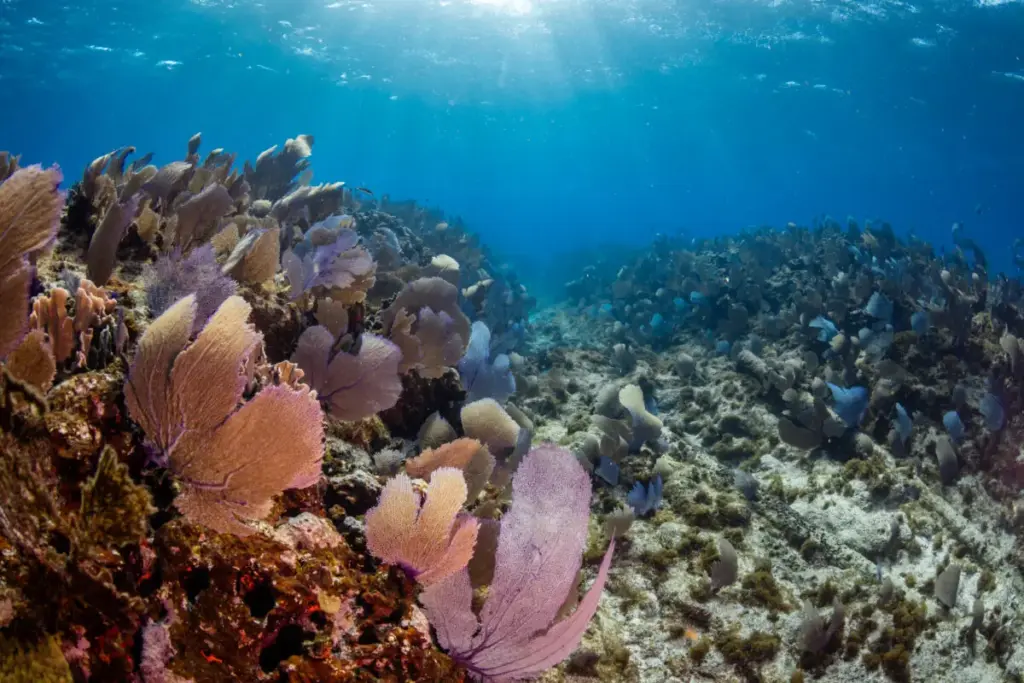
The primary target of the new initiative—deepwater areas off Campeche—directly borders critically sensitive ecological zones. In 2024, the Mexican government established the Southern Gulf of Mexico Reefs National Park, designated as the largest marine protected area (MPA) in the Gulf. Encompassing a vast network of coral reefs that support upwards of 3,000 marine species, the MPA acts as an essential ecological corridor. Marine scientists place particular emphasis on the Campeche Bank, a complex cluster of cold-water reefs that serves as a vital biological "stepping stone" for the regional connectivity and genetic structuring of coral and algal communities. While direct drilling is legally banned within the boundaries of the national park, deepwater operations in adjacent blocks expose these sensitive habitats to catastrophic pollution risks in the event of a well blowout or industrial spill.
Quantifying the Risks of Deepwater Drilling
Environmental advocates point out that the strategic pivot toward mature shallow-water fields and extreme deepwater basins exponentially raises environmental hazards. Mature wells, often located in shallow coastal waters, sit in close geographic proximity to fragile shorelines, ensuring that any localized mishap rapidly fouls coastal communities and mangroves. Conversely, deepwater operations introduce distinct engineering complexities.
Empirical research on offshore drilling in the Gulf of Mexico underscores a linear relationship between well depth and incident rates. Historical data analyzing safety and environmental performance indicates that safety and environmental incidents increase by an average of 8.5% for every 30.48 meters (100 feet) of additional well depth. Operating in ultra-deepwater environments compounds these risks, as containment, intervention, and remediation efforts become exponentially more difficult hundreds or thousands of meters below the ocean surface.
Official Statements and Stakeholder Perspectives
The lack of a published MoU has created an information vacuum, prompting sharp divisions among government leaders, corporate representatives, and civil society watchdogs.
Government and Corporate Stance
Mexican President Claudia Sheinbaum has sought to reassure the public that the agreement does not compromise national sovereignty or surrender control of the state-owned oil enterprise. During her June 24 press briefing, she insisted:
"We’re not going to sign a contract which means losing control of Pemex."
Highlighting the ideological alignment between Brazil and Mexico’s ruling parties, Sheinbaum positioned the collaboration as a balanced exchange of technical expertise rather than a privatization effort. She further emphasized that the partnership runs parallel to a historic domestic investment push aimed at ensuring that 38% of Mexico’s total energy matrix derives from renewable sources by the decade’s end.
Petrobras has maintained a guarded posture regarding the operational specifics of the agreement. In correspondence with investigators, a Petrobras spokesperson declined to answer detailed inquiries, citing ongoing negotiations:
"Discussions regarding the memorandum of understanding signed with Pemex are ongoing, and the company does not comment on negotiations currently in progress. Any updates will be communicated to the market and the public in due course. Petrobras further reaffirms its commitment to transparency, in compliance with disclosure regulations."
Civil Society and Independent Analysis
Independent energy experts and environmental defenders remain deeply skeptical of these assurances, pointing to the stark contrast between public rhetoric and industrial reality.
Leonardo Beltrán Rodríguez, an energy consultant and former Mexican deputy energy secretary who also served on Pemex’s board of directors, highlighted the severe historical deficiencies in Pemex’s operational safety record:
"Safety is one of the things Pemex has not been very good at […] So if they can learn or at least observe [Petrobras’s] practice I think that would be fantastic. But if you ask me, should they be more public about the partnership? Absolutely."
Beltrán noted a profound domestic transparency deficit. Because Petrobras is publicly traded and Pemex must service international debt obligations, both entities are ultimately beholden to foreign financial regulators, such as the U.S. Securities and Exchange Commission and the New York Stock Exchange.
"Eventually we’ll know a little bit more. But it’s incredible that’s only because they have the obligation elsewhere, not domestically," he added.
Renata Terrazas, vice president for Mexico at the marine environmental advocacy group Oceana, questioned the foundational logic of the partnership during a video interview:
"This is an effort from the Mexican administration to increase oil barrels, but at what cost? Right now we’re just guessing. There’s no transparency about what this actually means, and that’s one of the things that we fear the most."
Terrazas warned that the pursuit of mature and deepwater fields pushes both corporations into inherently volatile operational zones. If the primary driver of the agreement is to mend Pemex’s systemic safety gaps, she argues, it remains entirely unclear what Petrobras expects to receive in reciprocal value—a quid pro quo that Beltrán suggests will likely manifest as operational rights for Petrobras within lucrative offshore blocks in Mexican waters.
Greenpeace Mexico has adopted an even more critical view of the administration’s trajectory. Nancy Viridiana Lázaro Lembrino, senior oceans campaigner for the organization, rejected the government’s narrative of energy sovereignty:
"The whole narrative is about energy sovereignty, but the reality is totally different. It’s sacrificing the environment and the well-being of people for nothing."
Lázaro Lembrino expressed profound disappointment in President Sheinbaum’s administration, noting the tragic irony of a leader who built her political platform on her academic background as a climate scientist and co-author of Intergovernmental Panel on Climate Change (IPCC) reports.
"She lost the environmental cause so long ago," Lázaro Lembrino stated, pointing to the concurrent reopening of Mexico to fracking and the systemic sidelining of climate science in national policymaking. "It’s definitely tiring pushing back. A lot of people are being affected by energy policy right now, but they’re not taking the science into account."
Future Outlook
The Petrobras-Pemex memorandum of understanding serves as a micro-cosm of the broader tension gripping Latin America’s energy sector: the fraught transition between declared climate ambitions and the persistent, institutional inertia of extractivism. As the two-year agreement unfolds, several critical trajectories will dictate the ultimate fallout of the pact:
Regulatory Scrutiny and Information Access: With domestic transparency largely absent, civil society organizations and international financial watchdogs will rely heavily on disclosures required by foreign stock exchanges to piece together the binding commitments, asset swaps, and operational concessions embedded within the partnership.
Ecological Vulnerability in the Gulf: Any physical expansion of deepwater drilling near the Campeche Bank and the Southern Gulf of Mexico Reefs National Park places a ticking clock on regional marine biodiversity. Given Pemex’s recent history of catastrophic blowouts and pipeline failures, the margin for error in these ultra-deep environments is effectively zero.
The Credibility Gap in Climate Policy: For the Mexican administration, reconciling the aggressive expansion of deepwater oil exploration and the re-authorization of hydraulic fracturing with its stated target of achieving 38% renewable energy by 2030 will remain a defining political challenge. As environmental advocates continue to mobilize against policy rollbacks, the administration’s professed commitment to ecological preservation faces an increasingly skeptical public and international scientific community.