Executive Overview
As climate change accelerates, extreme weather events have transitioned from rare anomalies to seasonal certainties. Across Europe and much of the Northern Hemisphere, recurrent summer heatwaves are rewriting temperature records, pushing urban infrastructure to its limits, and fundamentally altering how we live our daily lives. In the midst of a sweltering afternoon, the human instinct for survival and comfort takes over. When temperatures soar past 40°C (104°F), the immediate priority is naturally self-preservation: finding shade, staying hydrated, and throwing on whatever lightweight garment promises the slightest breeze against sticky skin.
In these moments of high thermal stress, ethical and environmental considerations in fashion often fall by the wayside. Consumers routinely reach for cheap, synthetic fast-fashion items—polyester blouses, nylon activewear, and acrylic blends—under the false assumption that thinness equals breathability. Yet, this reactionary behavior contributes directly to the very crisis driving the heatwaves. The fashion industry is responsible for roughly 10% of global carbon emissions and significant water pollution, driven heavily by synthetic material production and high-turnover consumer cycles.
Fortunately, a false dichotomy exists between staying cool and staying sustainable. As this comprehensive guide explores, many of the world’s most breathable, skin-friendly, and temperature-regulating textiles are also the most environmentally responsible. From organic linen and hemp to innovative plant-based activewear and eco-conscious suncare, navigating a heatwave without compromising your ecological values is entirely possible. By consciously curating a hot-weather wardrobe rooted in circularity, fair labor, and regenerative agriculture, consumers can protect themselves from the elements while protecting the planet.
Detailed Chronology: The Evolution of Heatwaves and Consumer Fashion Choices
To understand why sustainable summer dressing has become an urgent topic of discussion, one must examine how climate realities and consumer habits have intersected over the past decade.
2015–2018: The Rise of Extreme Summer Anomalies
During this period, unprecedented heat domes began settling over continental Europe and North America with alarming regularity. Urban centers transformed into heat islands. Market research from these years indicates a sharp, reactionary surge in fast-fashion purchases—specifically ultra-cheap, petroleum-based polyester and nylon garments marketed as "summer essentials." Consumers sought instant relief, inadvertently flooding landfills with single-season synthetic wear that trapped body heat and exacerbated discomfort while releasing millions of microplastics into the water systems.
2019–2021: The Awakening of Conscious Cool
As climate science firmly linked rising frequencies of heatwaves to anthropogenic greenhouse gas emissions, public consciousness shifted. Consumers began questioning the lifecycle of their wardrobes. Environmental watchdogs and rating systems, such as Good On You, experienced exponential spikes in traffic searches for "breathable sustainable fabrics." Independent designers and fair-trade labels began prioritizing natural, lightweight alternatives—such as TENCEL Lyocell, organic cotton, and hemp—proving that ethical fashion could perform under extreme thermal pressure.
2022–Present: Mainstreaming Climate-Adaptive Ethical Fashion
Today, soaring summer temperatures are no longer viewed as isolated events, prompting a systemic shift in how ethical brands design seasonal collections. Brands are moving away from trend-driven, disposable summer capsules and instead focusing on climate-adaptive, multi-functional garments. Innovations in plant-based performance wear, bio-acetate accessories, and eco-certified suncare have matured, offering consumers a holistic toolkit to handle extreme heat without sacrificing ethical integrity.
Supporting Context & Metrics: The Science of Heat, Fabrics, and the Planet
Understanding why certain materials work better in the heat—both for human comfort and planetary health—requires a closer look at the physics of textiles and the environmental toll of conventional manufacturing.
The Problem with Synthetics in Hot Weather
Polyester, nylon, acrylic, and spandex are fundamentally forms of plastic derived from petroleum. When exposed to high body temperatures and sweat, synthetic fibers fail to absorb moisture. Instead, they trap humidity against the skin, fostering bacterial growth (and subsequent body odor) while causing the wearer to feel hotter and stickier. Furthermore, washing synthetic clothing releases an estimated 500,000 tons of microfibers into the ocean annually—equivalent to over 50 billion plastic bottles.
The Triumph of Natural and Regenerative Fibers
Conversely, natural and semi-synthetic alternatives offer superior thermal regulation:
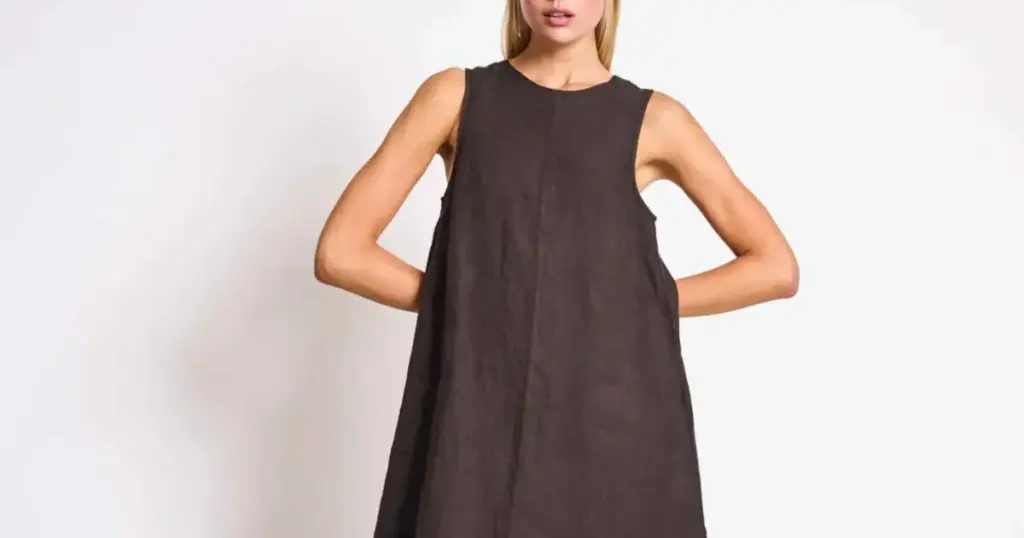
- Organic Linen and Hemp: Derived from flax and cannabis sativa plants respectively, these fibers require minimal water and pesticides compared to conventional cotton. Their hollow structure allows air to circulate freely, wicking moisture away from the skin and drying rapidly. When left un-dyed or treated with non-toxic, biodegradable dyes, they return harmlessly to the earth at the end of their lifecycle.
- TENCEL Lyocell and Bamboo-Viscose: Sourced from sustainably managed wood pulp, these semi-synthetic fibers combine the silky drape of rayon with exceptional moisture management and breathability, making them ideal replacements for petroleum-based activewear.
Curated Brand Spotlights for Hot Weather
Several pioneering labels rated highly by ethical assessors are leading the charge in offering sustainable relief during high-temperature conditions:
- JAN & JUNE: Hailing from Hamburg, Germany, this minimalistic, transparent, and fair-fashion label was created by young female entrepreneurs. Specializing in inclusive sizing (XS–XL) and affordable, sustainable style, JAN & JUNE proves that ethical commitments do not have to come with an inaccessible price tag.
- SUI: Operating out of its workshop in Delhi, Indian label SUI crafts gorgeous womenswear (sizes 2XS–2XL) that honors traditional artisan techniques while maintaining a deeply responsible ethos.
- CARPASUS: For menswear, Swiss brand CARPASUS delivers fine shirts, ties, and socks crafted from GOTS-certified organic cotton. By manufacturing locally and strictly tracing its supply chain, CARPASUS ensures living wages for workers while drastically minimizing its carbon footprint.
- Tripulse: Addressing the activewear dilemma, this Swedish brand creates high-performing fitness apparel using plastic-free, plant-based materials like TENCEL. Catering to an expansive size range (XS–6XL), Tripulse champions physical and mental wellness alongside ecological stewardship.
- tentree: A Canadian powerhouse in earth-first fashion, tentree plants ten trees for every item purchased, having surpassed 65 million trees planted globally. Their lower-impact, recycled materials are produced under safe, fair working conditions.
- Odylique: Suncare is an integral part of beating the heat safely. Odylique formulates organic, vegan beauty and suncare products specifically designed for sensitive skin, meeting the rigorous organic standards of the Soil Association while avoiding ecological pollutants like oxybenzone.
- Natasha Tonic & ColieCo: For sustainable swimwear, Natasha Tonic utilizes antimicrobial, UV-resistant natural hemp fabrics printed by hand, while Portuguese brand ColieCo crafts exquisite, made-to-order swimwear and lingerie from responsibly sourced, lower-impact fabrics in sizes 2XS–3XL.
Official Statements and Industry Insights
Ethical fashion advocates and brand founders emphasize that adapting to climate change requires a fundamental redesign of how we consume clothing.
"When heatwaves hit, consumers often experience decision fatigue. The knee-jerk reaction is to wear as little as possible, or buy cheap, synthetic garments that promise quick drying," notes a leading advocate from the Good On You editorial team. "However, true climate resilience in fashion means recognizing that our clothing is our second skin. If our second skin is made of plastic, we suffer, and the planet suffers. Choosing breathable, biodegradable materials is an act of environmental defense."
Sustainable activewear and swimwear pioneers echo this sentiment. Founders of brands like Tripulse and Natasha Tonic argue that the outdoor and fitness sectors have greenwashed polyester by labeling it "high performance." In reality, true performance must account for end-of-life disposal, microplastic shedding, and skin health. By proving that hemp, TENCEL, and organic cotton can excel in high-sweat, high-heat environments, these brands are setting a new industry standard.
Future Outlook: The Roadmap for Climate-Resilient Wardrobes
As global temperatures continue to rise over the coming decades, the intersection of climate adaptation and ethical fashion will only deepen. Industry analysts predict several key transformations:
- Material Innovation and Bio-Couture: Expect a surge in regenerative, lab-grown, and agricultural waste-derived textiles engineered specifically for thermal regulation. Materials derived from agricultural residues, algae, and advanced cellulose processing will replace virgin synthetics entirely in progressive markets.
- Circular Suncare and Cosmetics: Regulatory pressure and consumer awareness will phase out reef-harming chemical sunscreens (containing oxybenzone and octinoxate) in favor of strictly certified organic, mineral-based, and ecotoxicologically tested alternatives.
- Localized Micro-Manufacturing: To reduce carbon footprints and rapidly respond to regional climate shifts, ethical brands will increasingly rely on localized supply chains—such as SUI’s Delhi workshop or CARPASUS’s localized European manufacturing—minimizing transit emissions and supporting fair-wage community economies.
- Mainstream Adoption of Ethical Ratings: As extreme weather makes the human cost of climate change visible at our doorstep, tools that empower consumers to verify brand impacts—such as the Good On You app and directory—will transition from niche ethical guides to essential mainstream shopping assistants.
In conclusion, navigating a heatwave sustainably requires mindfulness, preparation, and a rejection of disposable fast-fashion mentalities. By opting for lighter natural materials, rejecting microplastic-shedding activewear, blocking the sun with bio-acetate and organic fibers, applying reef-safe suncare, and investing in durable, low-impact swimwear, consumers can stay cool while helping to cool the planet.
Editor’s Note: Good On You publishes the world’s most comprehensive ratings of fashion and beauty brands’ impact on people, the planet, and animals. Use the official directory to search thousands of rated brands before making your next warm-weather purchase.