Executive Overview
Across the rural landscapes of continental Europe, a high-stakes ecological and socio-economic conflict is unfolding. Beneath the placid surface of idyllic river valleys and protected UNESCO biospheres, an aggressive industrial expansion is underway, spearheaded by transnational agro-industrial conglomerates. At the center of this storm is the MHP Group—Europe’s largest poultry producer—and its billionaire architect, Yuriy Kosiuk, often dubbed the "Chicken King."
Following a wave of fierce, community-led resistance that successfully stalled massive poultry installations in the Croatian town of Sisak, corporate agricultural interests have pivoted their gaze toward the country’s northeast. Here, along the border with Hungary, a contentious industrial megafarm project threatens the Mura-Drava-Danube Biosphere Reserve, a pristine sanctuary widely celebrated as the “Amazon of Europe.”
This investigative report examines the escalating hostilities between local grassroots coalitions and international corporate power. By analyzing environmental impact metrics, community-led mobilization strategies, and the structural vulnerabilities of rural ecosystems facing industrial overreach, this article explores a defining modern dilemma: whether Europe’s remaining natural heritage will be preserved as a living ecosystem or sacrificed on the altar of hyper-industrialized food production.
Detailed Chronology: From Budapest to the Banks of the Drava
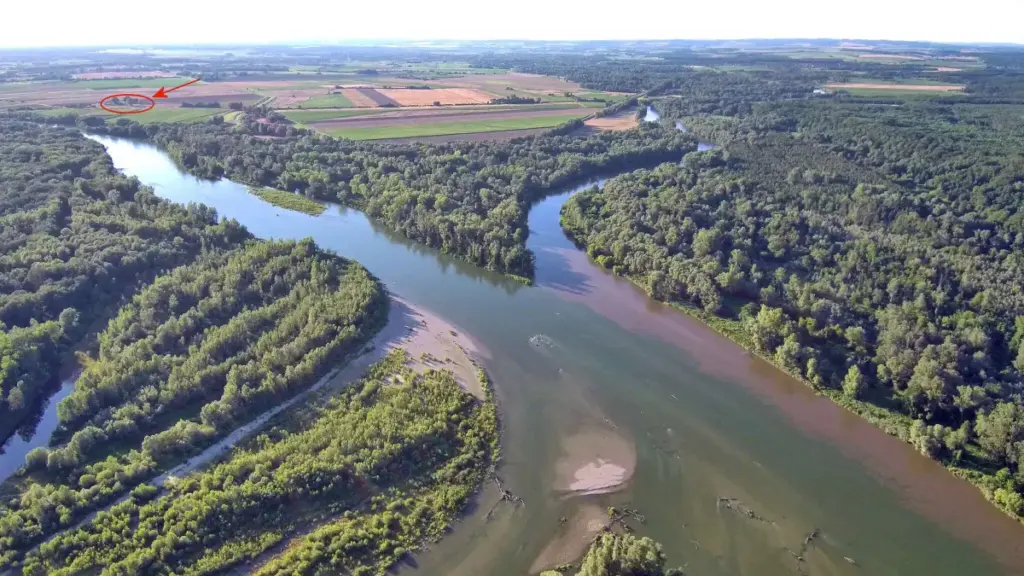
The journey into the heart of this environmental conflict begins along the cross-border artery of the Drava River, where the waters divide Hungary and Croatia. This confluence zone—encompassing the Mura, Drava, and Danube rivers—forms a staggering 930,000-hectare UNESCO Biosphere Reserve stretching across 700 kilometers of complex aquatic habitats.
The Escalation Timeline
- Early Planning and Permitting Phase: Industrial proposals for the Veliki Pažut facility quietly wound their way through bureaucratic channels, invoking little initial public awareness. The project, tied to the corporate footprint of Perutnina Ptuj–Pipo (a subsidiary connected to broader regional poultry operations), aimed to embed a massive industrial feeding and processing hub directly adjacent to sensitive ecological zones.
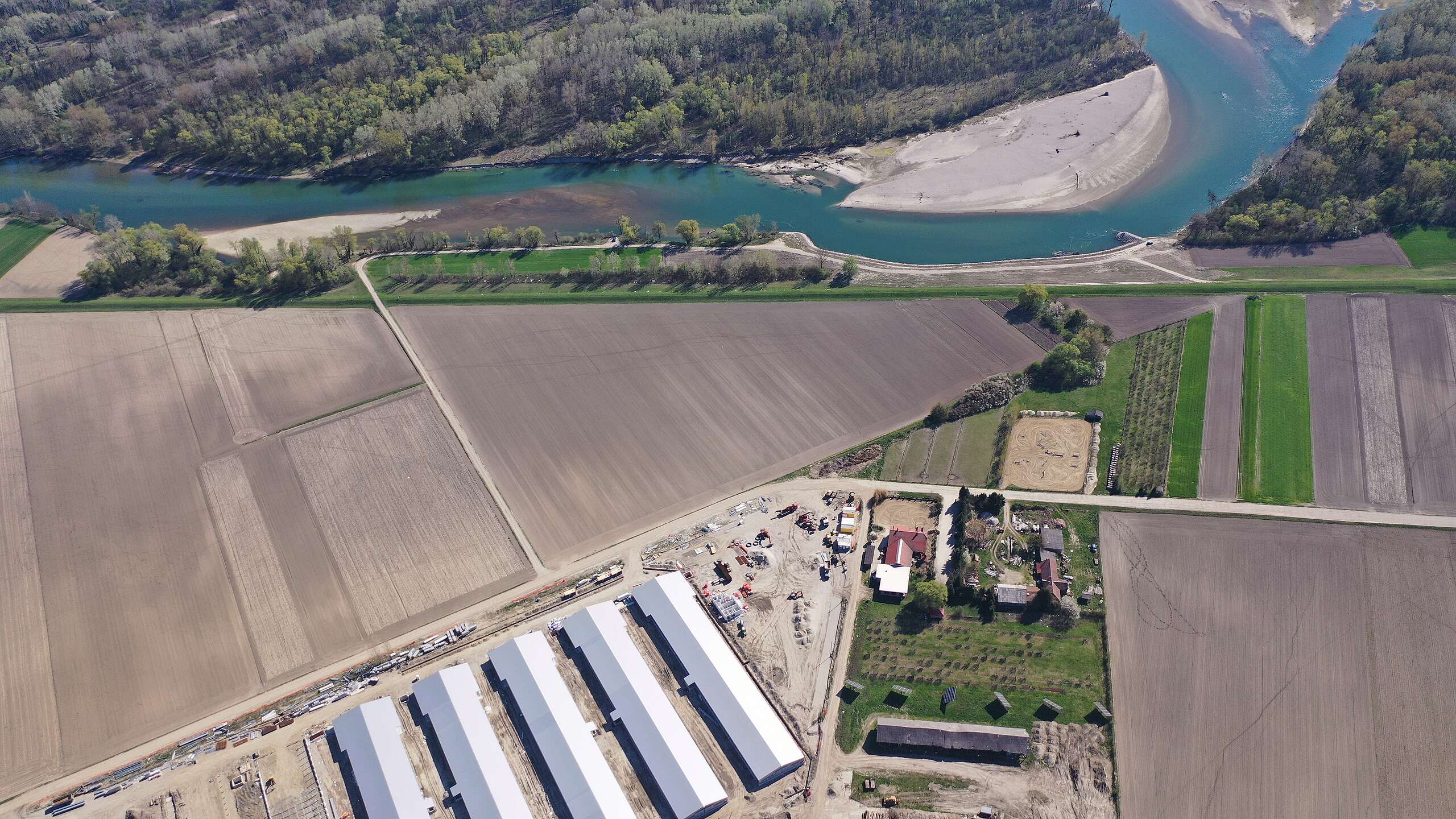
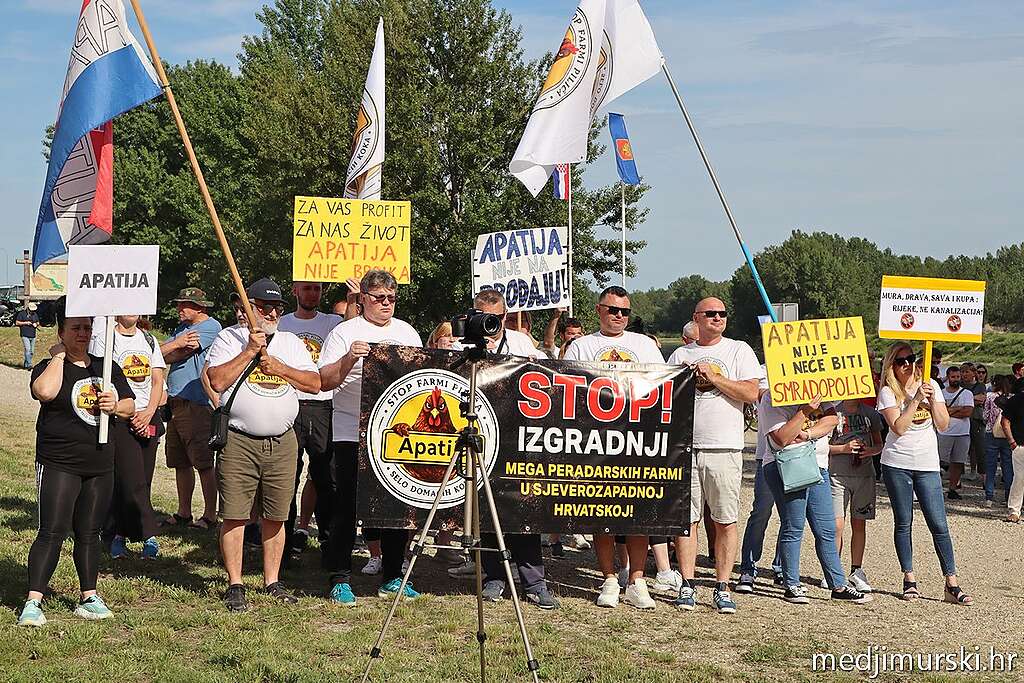
- Spring 2026: Local residents, organized under the banner of the Legrad-Donja Dubrava Citizens’ Initiative, uncovered the scale of the impending development. Realizing that an industrial facility capable of housing millions of animals annually was slated for construction just downstream from fragile river ecosystems, local resistance galvanized.
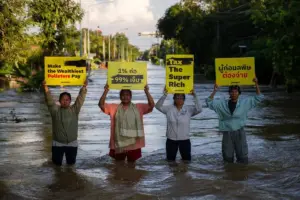
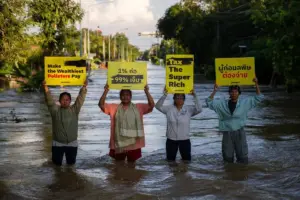
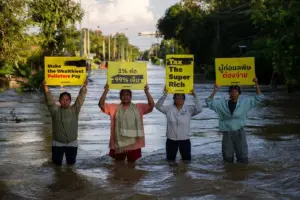
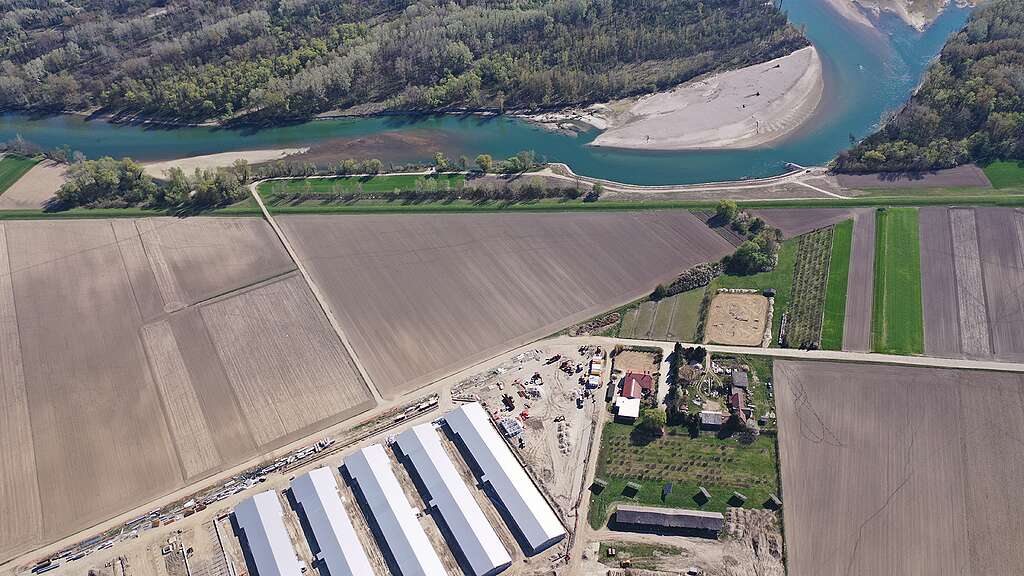
- May 2026 (The "Kayaktivism" Mobilization): Defying traditional forms of passive petitioning, approximately 60 grassroots activists launched a flotilla of kayaks onto the Drava River. This high-visibility action captured striking visual documentation demonstrating the alarming geographical proximity of the proposed megafarm site to vital waterways.
- The Protestival of Donja Dubrava: Building on the momentum of their river demonstrations, the community traded paddles for microphones, organizing a massive cultural and political gathering on the riverbank. Dubbed a "Protestival," the event brought together hundreds of local citizens, environmental advocates, traditional Croatian folk musicians, and prominent international rock artists like Darko Rundek in a unified stand against corporate extraction.
- Current Status: With corporate backers reportedly pushing to accelerate opening timelines to as early as the upcoming month, local defenders remain on high alert, utilizing legal challenges, public demonstrations, and direct-action networking to halt the operational rollout.
Supporting Context & Metrics: The Scale of the Veliki Pažut Threat
To understand the ferocious opposition of the Legrad-Donja Dubrava Citizens’ Initiative, one must evaluate the raw operational metrics of the Veliki Pažut industrial poultry facility. According to official environmental impact assessments and regional planning documents lodged with the Croatian Ministry of Economy and Sustainable Development, the project is designed for staggering output volumes:
- Animal Capacity: The facility is engineered to house and process approximately 1.8 million broiler chickens annually across an expansive 50,000-square-meter industrial footprint.
- Groundwater Extraction: To service the intensive cooling, sanitation, and operational requirements of the complex, the facility’s dedicated wells are projected to pump 30 million liters of groundwater annually.
- Wastewater Generation: The industrial cycle will yield an estimated 1 million liters of wastewater per year, raising acute concerns regarding local aquifer contamination and runoff management within a porous, high-water-table river basin.
Ecological Value at Risk
The region targeted by this development is far from an ordinary agricultural plot. The Mura-Drava-Danube Biosphere Reserve represents one of Central Europe’s most critical ecological corridors. Its dynamic floodplain forests, shifting gravel and sand banks, oxbow lakes, and complex braided river systems provide sanctuary for an extraordinary array of flora and fauna.
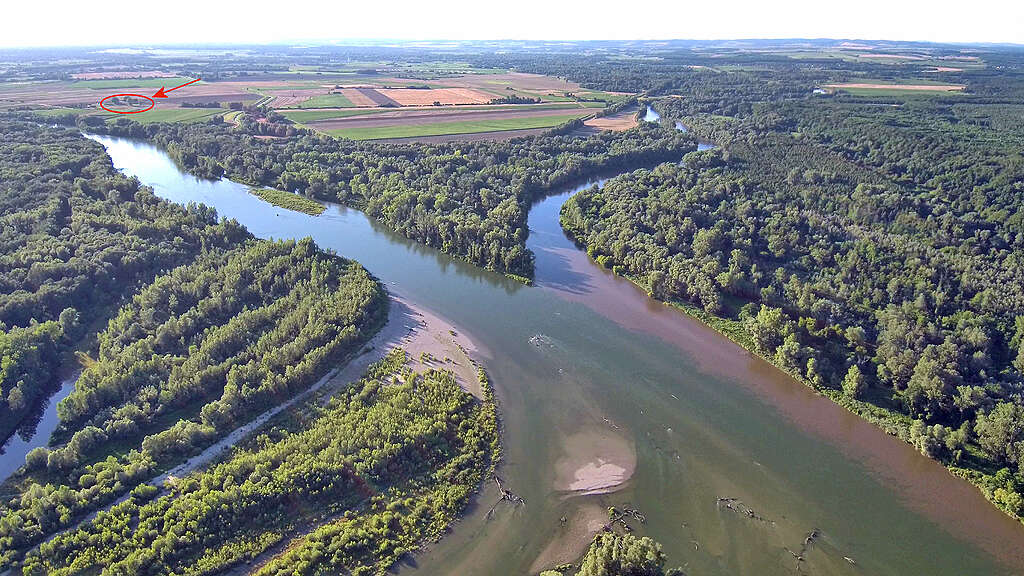
Ornithologically, the zone is a continental treasure. It hosts vital breeding populations of rare and endangered bird species, including black storks (Ciconia nigra) and marsh harriers (Circus aeruginosus). Crucially, the reserve boasts the highest density of breeding pairs of white-tailed eagles (Haliaeetus albicilla) found anywhere in continental Europe. Introducing intensive, high-ammonia, high-waste industrial agricultural infrastructure into this fragile habitat presents an existential threat to its biodiversity balance.
Official Statements and Grassroots Perspectives
The conflict in northern Croatia encapsulates a classic David versus Goliath paradigm: a coalition of everyday citizens standing against a globally integrated agricultural superpower.
Voices from the Frontlines
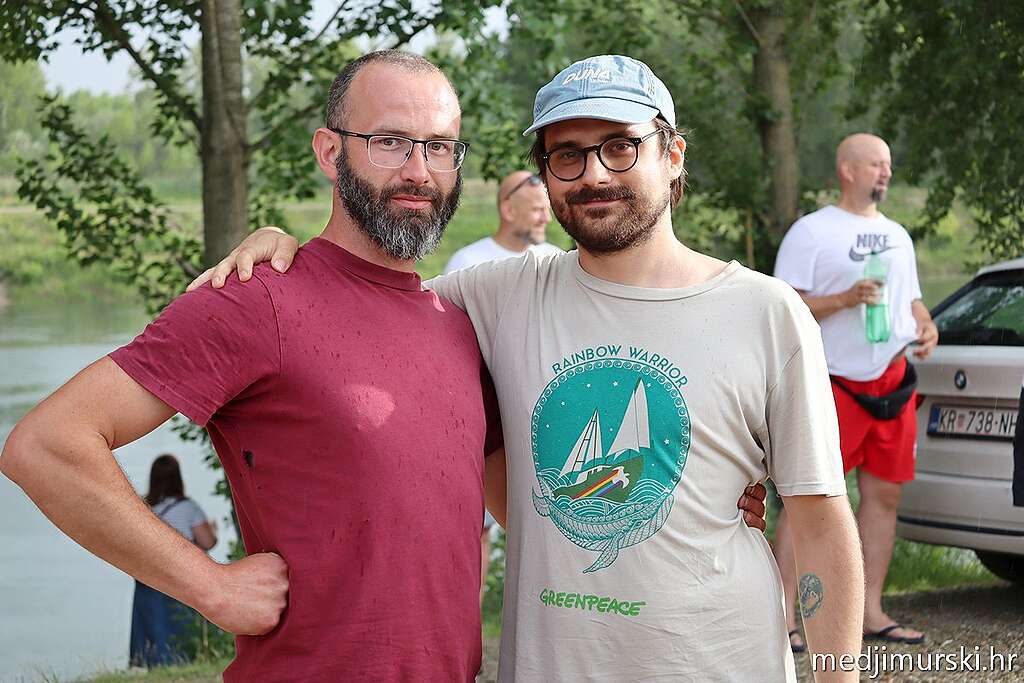
Korina and Emil, local residents and frontline coordinators of the resistance, emphasize that their movement is driven by necessity rather than political ambition. During guided site assessments moving from existing regional megafarms operated under the corporate umbrella of Perutnina Ptuj–Pipo to the proposed expansion grounds, the reality of industrial encroachment becomes starkly apparent.
"We can’t let Big Ag use our rivers as a sewer for their industrial waste," local community advocates stated during the height of the Donja Dubrava demonstrations. "This is not merely about a construction permit or zoning rights; it is about whether our homes, our waters, and our natural heritage are preserved for future generations or signed over to corporate balance sheets."
The Corporate Playbook
From the perspective of international environmental organizations such as Greenpeace, the situation in Croatia is a textbook manifestation of a global corporate strategy. Multinational agribusiness conglomerates frequently target peripheral or emerging markets within Central and Eastern Europe to scale up production, attracted by less stringent localized regulatory oversight, available land, and substantial state subsidies for agricultural development.
The strategy follows a familiar pattern:
- Acquisition and Consolidation: Purchasing regional processing plants and integrating local supply chains under centralized corporate control.
- Rapid Expansion: Pushing through high-capacity industrial units under the banner of economic growth and job creation.
- Externalized Costs: Leaving local municipalities to manage the long-term environmental burdens, including groundwater depletion, soil nitrification, odor pollution, and the expensive remediation of contaminated watersheds.
Future Outlook: The Global Battleground of Big Ag
The struggle on the banks of the Drava River does not exist in a vacuum. Water systems are inherently interconnected; the Danube River—which collects flows from the Drava, snakes through Hungary, and forms critical borders across the Balkans—eventually empties into the broader sea networks. Contamination introduced at the hyper-local level inevitably contributes to downstream ecological degradation on a continental scale.
The victories achieved by local populations, such as the successful pushback against the Chicken King’s initiatives in Sisak, demonstrate that coordinated grassroots resistance can successfully halt corporate overreach. However, the recurring attempts to establish massive poultry production hubs across Croatia indicate that the MHP Group and its network of subsidiaries view the region as a strategic frontier for European market dominance.
Pathways Forward
To counter the systemic threats posed by industrial animal agriculture, environmental scientists, civil society groups, and policy advocates emphasize the urgent need for structural transformation:
- Strengthening Regulatory Safeguards: Rigorous, independent environmental impact assessments must be mandatory for all high-capacity agricultural installations, closing loopholes that allow phased or fragmented expansions to bypass public scrutiny.
- Protecting Biosphere Integrity: Strict zoning laws should permanently prohibit heavy industrial activities within or immediately adjacent to designated UNESCO biospheres and Natura 2000 ecological networks.
- Transitioning to Agroecology: Policymakers must redirect public subsidies away from mega-scale meat and dairy conglomerates and invest instead in sustainable, localized agroecological farming models that respect ecological boundaries and support rural communities.
As the residents of Legrad and Donja Dubrava continue their vigil on the riverbanks, their message to transnational agribusiness remains uncompromising and universal. Whether in the bustling urban centers along the Danube or the quiet floodplain forests of the Drava, the line in the sand has been drawn: Not here, not anywhere.