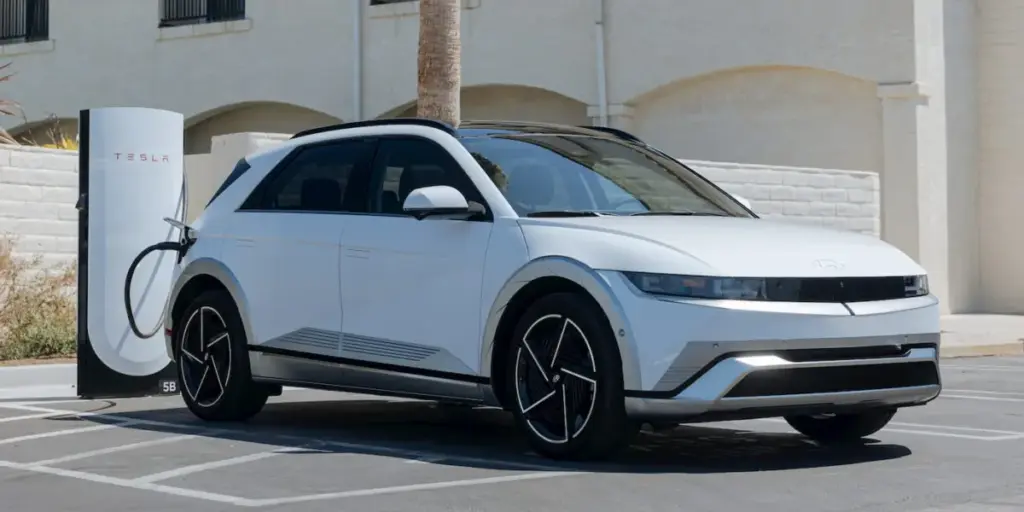
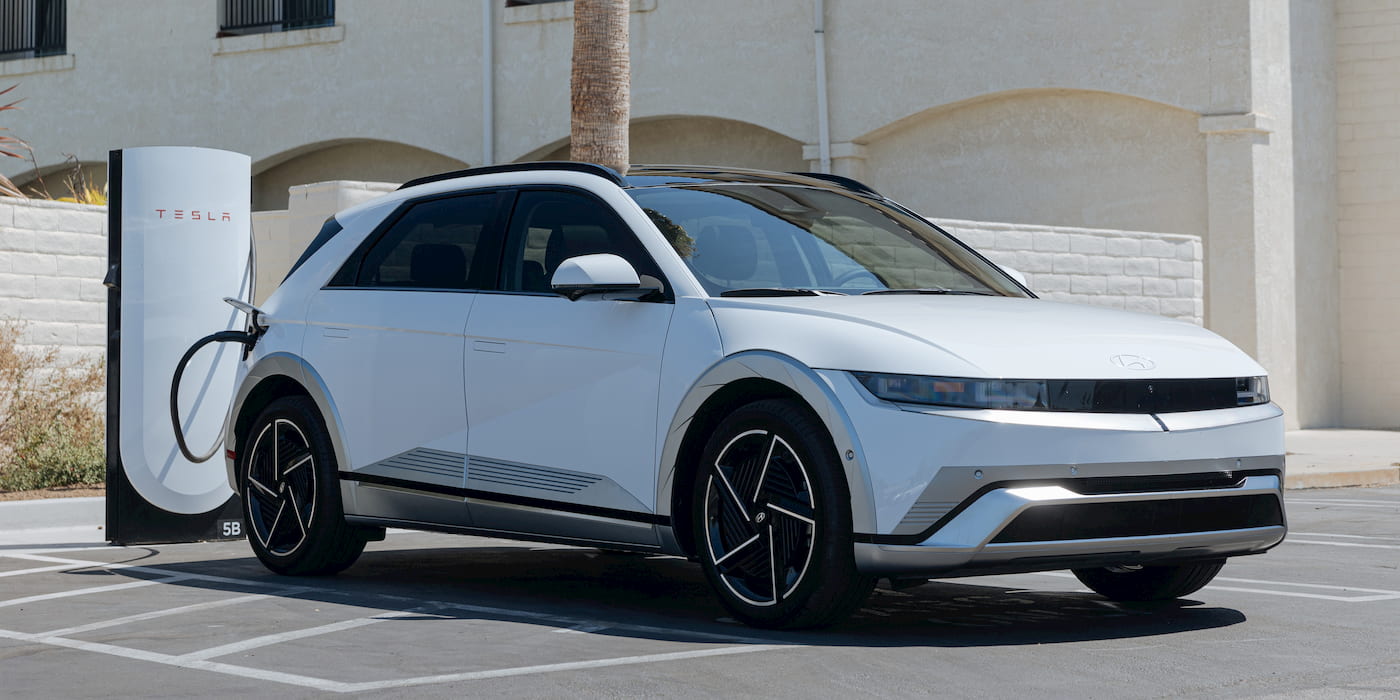
The United States electric vehicle (EV) market has officially entered a new, highly anticipated chapter of transition. Following the expiration of the pivotal $7,500 federal EV tax credit on September 30, initial market estimates released by Kelley Blue Book—a prominent division of Cox Automotive—paint a clear picture of an industry undergoing a sharp, yet largely expected, post-incentive correction.
In October, national EV sales plummeted significantly from the historic highs recorded just a month prior. Concurrently, the average transaction price (ATP) for a new electric vehicle crept upward, driven by a structural shift away from high-volume, entry-level models toward more luxury-oriented segments.
While the headline numbers suggest a severe contraction—with monthly sales tumbling nearly 50% from September’s unprecedented blowout—industry insiders and market analysts argue that the data tells only part of the story. Rather than signaling a permanent collapse in consumer demand, the October figures reflect the immediate hangover of a frantic, incentive-driven buying frenzy.
Furthermore, despite the loss of federal backing, automakers, dealerships, and state-level programs are stepping into the void with creative discounting, aggressive leasing structures, and targeted rebates. As the market searches for a sustainable footing, the broader narrative is not one of impending doom, but rather of a vital recalibration point for the American automotive sector.
Detailed Chronology of the October Market Correction
To truly comprehend the scale of the October downturn, one must examine the frantic market dynamics that preceded it throughout the third quarter of 2025.
The September Surge: A Last-Minute Rush
Throughout September, the US automotive landscape experienced an unprecedented surge in EV adoption. Knowing that the statutory expiration date of September 30 for the federal $7,500 tax credit was looming fast, original equipment manufacturers (OEMs) and dealership networks launched an aggressive blitz of incentives. Consumers were met with a compounding cocktail of manufacturer rebates, localized dealer discounts, and the federal credit, effectively driving down the cost of electric mobility to historic lows.
Showrooms were flooded, and inventory was cleared off lots at an astonishing pace, culminating in what many analysts dubbed a record-shattering month for EV transactions. Dealerships operated on thin margins just to clear volume, setting an artificially high baseline for market volume that could not possibly be sustained indefinitely.
The October Hangover: Hitting the Supply-and-Demand Wall
When the calendar turned to October 1, the market environment shifted overnight. Without the financial cushion of the $7,500 federal tax credit, the economic equation for everyday car buyers altered instantly.
According to initial data compiled by Kelley Blue Book, US EV sales fell precipitously to 74,835 units in October. This figure represents a dramatic 48.9% decline compared to the record-breaking heights of September. When viewed on a year-over-year basis, October sales were down 30.3% compared to the same period in 2024.
This dramatic contraction was primarily concentrated in the lower-cost and mass-market segments. Because the federal credit disproportionately incentivized budget-conscious buyers to pull the trigger on more affordable EVs, the sudden removal of these incentives squeezed entry-level volume out of the market entirely. Consequently, the overall vehicle mix skewed heavily toward premium and luxury offerings, pushing the average transaction price upward even as overall unit sales dropped.
Supporting Context and Market Metrics
A granular analysis of the Kelley Blue Book data reveals how different segments and key industry players weathered the post-credit storm.
Pricing Pressures and the Rise of the Luxury Mix
While unit volume fell off a cliff, pricing moved in the opposite direction. The average transaction price (ATP) for a new electric vehicle climbed 1.6% month-over-month, reaching $59,125 in October. This figure sits 2.3% higher than the ATP recorded in October 2024, marking a 2025 high for EV transaction costs.
To contextualize this figure, the average price paid for a new EV in October sat a staggering $9,359 above the broader automotive industry average. This widening gap underscores a persistent structural challenge: the American EV market remains heavily weighted toward luxury price points, while true affordability continues to elude a large segment of the car-buying public.
Tesla’s Relative Resilience
As the undisputed titan of the American EV market, Tesla did not escape the October downturn unscathed, but the company managed to hold its ground far better than the broader segment.
Tesla’s internal average transaction price actually fell 1.1% from September to October, settling at $53,526—a notable 5.5% decrease compared to its pricing in October 2024. While sales for its high-volume pillars, the Model 3 and Model Y, experienced downward pressure month-over-month, Tesla’s overall sales performance proved resilient relative to the wider industry. Total Tesla sales decreased by 35.3% from September and 23.6% year-over-year. While these drops are certainly steep, they represent significantly smaller contractions than the 48.9% month-over-month plunge experienced by the overall EV segment, highlighting the brand’s enduring market share and pricing agility.
Official Industry Statements
The sudden shift in market dynamics has prompted deep reflection and strategic commentary from top financial and automotive analysts across the country.
Weighing in on the state of the market, Stephanie Valdez Streaty, senior analyst at Cox Automotive, noted that the industry was fully prepared for a disruptive transition period:
"We expected this shift in the electric vehicle market. With the IRA-backed sales incentives gone, lower-cost EV volume was hit hard, pushing the mix toward more luxury and driving October’s EV ATP to a 2025 high of $59,125 — now $9,359 above the industry average. Affordability has always been the core challenge with EV sales, and this reset only underscores how critical it is to bring more attainable EV options to market."
Valdez Streaty’s assessment highlights a fundamental truth that automakers have wrestled with for years: consumer adoption rates are intimately tied to upfront vehicle affordability. With federal subsidies temporarily or permanently sidelined depending on legislative updates, the burden falls squarely on automotive engineers and financial arms to structure vehicles and financing packages that make sense for the average American household.
Future Outlook: Navigating Beyond the Federal Safety Net
As the automotive sector looks ahead toward the close of 2025 and into 2026, the burning question remains: What does the post-federal tax credit EV market look like for everyday consumers?
The Death of Subsidies is Not the Death of Deals
While the expiration of the $7,500 federal tax credit was undoubtedly a major blow to the market’s momentum, industry observers point out that federal backing was never the only game in town.
Market trackers monitoring monthly lease programs have discovered surprising pockets of value. In many cases, creative manufacturer-backed lease incentives and captive finance programs have managed to keep monthly lease payments remarkably low—in some instances, matching or even beating the financial terms available before the federal credit expired.
Furthermore, the cessation of federal credits has forced localized markets to step up. Numerous US states continue to offer lucrative state-level rebates, cash-back incentives, and tax exemptions for battery-electric vehicle purchases. Simultaneously, dealership networks burdened with existing inventory are aggressively slashing prices and rolling out dealer-funded cash incentives to maintain showroom traffic.
The Total Cost of Ownership Advantage
Beyond upfront transaction prices and promotional lease rates, industry advocates emphasize that the long-term value proposition of electric vehicles remains fundamentally intact.
No matter how tax credits fluctuate, the operational economics of driving an EV compared to an internal combustion engine (ICE) vehicle continue to favor electrification. Electricity as a fuel source remains significantly cheaper and less volatile than gasoline on a per-mile basis. When factoring in drastically reduced maintenance costs—thanks to fewer moving parts, the absence of oil changes, and regenerative braking minimizing brake pad wear—the total cost of ownership (TCO) over a typical vehicle lifecycle heavily favors EVs.
The Road Ahead for Manufacturers
Ultimately, October’s sales contraction serves as a reality check for the automotive industry. The era of relying on government-backed artificial stimulants to drive mass adoption is giving way to a more mature, highly competitive retail market.
To achieve sustained growth moving forward, automakers must accelerate the development and deployment of genuinely affordable, mass-market electric vehicles. Until those vehicles arrive in high volume showroom floors nationwide, navigating the EV market will require savvy consumers to look beyond headline figures, leverage state-level programs, and take advantage of competitive manufacturer lease deals that prove great bargains are still very much available.