As global temperatures continuously shatter historical records, heatwaves are increasing in both frequency and severity. This escalation presents a fundamental operational challenge to power systems worldwide: at the exact moment extreme heat drives electricity demand to annual peaks—primarily powered by air conditioning and refrigeration—it simultaneously degrades the output and efficiency of virtually every electricity generation technology.
During June and July 2026, when ambient temperatures in parts of Europe surged beyond 40°C (104°F), the physics of thermal and electrical systems triggered widespread infrastructure strain. Nuclear power plants curtailed output or completely shut down; natural gas turbines experienced sharp efficiency losses; wind speeds dropped significantly under persistent high-pressure systems; power lines sagged; and battery storage systems diverted output toward internal cooling.
Despite these systemic physical constraints, public discourse around grid reliability remains politically charged. Critics frequently point to the "intermittency" of solar and wind generation as the primary cause of summer grid fragility, while downplaying the thermal vulnerabilities inherent in legacy natural gas and nuclear facilities. Empirical data reveals a nuanced reality: extreme heat is a universal stressor on power infrastructure. Managing a warming climate requires a realistic thermodynamic assessment of all power sources, paired with rapid grid modernization, long-duration storage, and enhanced regional interconnection.
Detailed Chronology: The Summer 2026 Grid Strain and Historical Precedents
The summer of 2026 provided a real-time case study of how extreme heat strains power grids.
June–July 2026: European Heatwave and Thermal Curtailments
In mid-June 2026, a massive atmospheric "heat dome" settled over Western and Central Europe. In France, where nuclear energy provides approximately 70% of the national electricity mix, daily power demand surged by nearly 20% over a two-week span as commercial and residential cooling systems operated continuously.
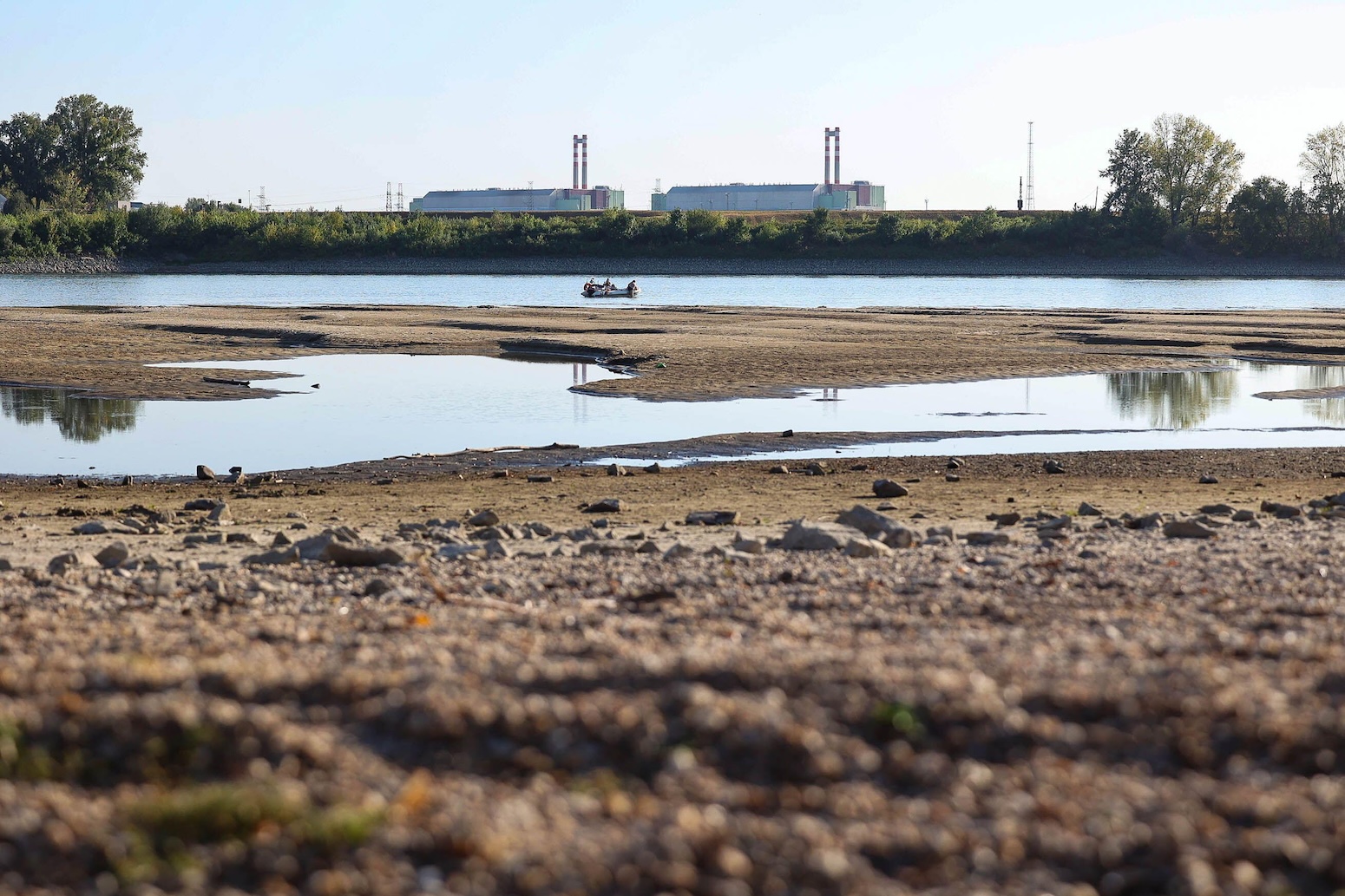
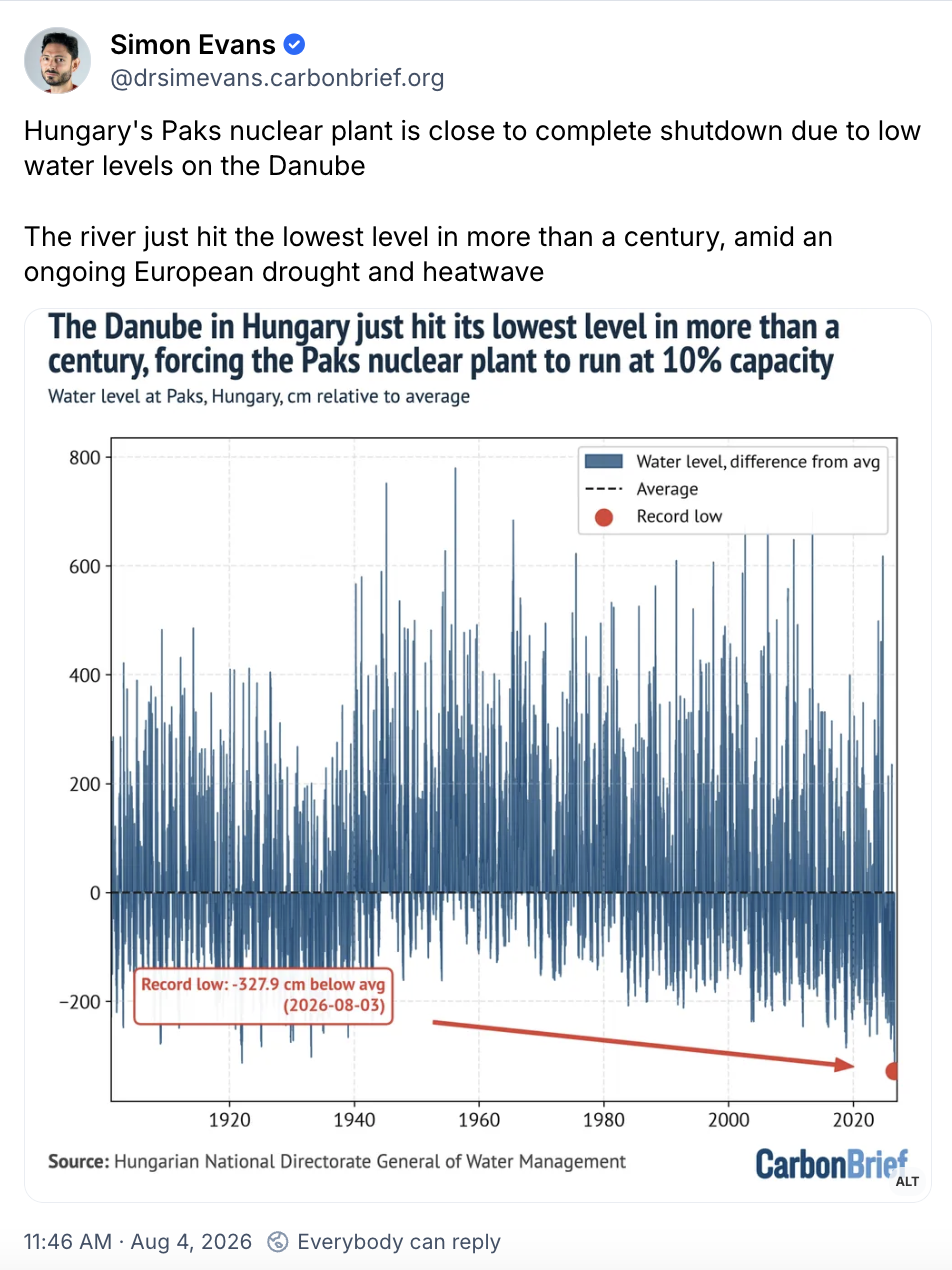
By mid-July, the rising temperature of key rivers—including the Rhône and the Garonne—forced French grid operator EDF to shut down three of its 57 nuclear reactors and reduce generation at seven others. This resulted in an immediate 9% dip in national nuclear output. Concurrently, in Southeastern Europe, prolonged drought severely lowered water levels along the Danube River. On August 3, 2026, energy data provider Montel reported that approximately 2.44 gigawatts (GW)—or 40%—of Southeastern Europe’s nuclear capacity was offline due to water shortages impacting plants in Romania and Hungary.
       EUROPEAN POWER GRID STRESS MATRIX (SUMMER 2026)
+-----------------------------------------------------------------+
| System Vector       | Physical Cause       | Grid Impact        |
+-----------------------------------------------------------------+
| Nuclear Generation  | Elevated River Temps | Output curtailed   |
| (France/Romania)    | & Low Water Levels   | by 9% to 40%       |
+-----------------------------------------------------------------+
| Gas Turbines        | Lower Air Density    | Capacity dropped   |
| (UK/France)         | & High Ambient Temp  | up to 13% at 40°C  |
+-----------------------------------------------------------------+
| Wind Infrastructure | High-Pressure Stagnant| Generation dropped |
| (Central Europe)    | Weather ("Heat Dome")| 30% to 50% below   |
|                     |                      | seasonal average   |
+-----------------------------------------------------------------+
| Solar PV            | Negative Temp        | Efficiency dropped |
| (EU-wide)           | Coefficient          | ~0.4%/°C (Outweighed|
|                     |                      | by record total TWh)|
+-----------------------------------------------------------------+
Market impacts were immediate. In Great Britain, on June 24, 2026, the National Electricity System Operator (NESO) was forced to secure imported balancing power at prices reaching £1,400 per megawatt-hour (MWh)—nearly 20 times the average summer electricity price—to offset low wind speeds and thermal plant deratings.
Historical Patterns of Vulnerability
The events of 2026 fit into a documented, decades-long pattern:
France Nuclear Curtailments: Heatwave-induced nuclear cutbacks were recorded in 2003, 2006, 2015, 2018, 2019, 2022, and 2025. In the record-breaking heat of summer 2003, French river-cooled nuclear plants lost 5.5 terawatt-hours (TWh) of power generation.
California Rolling Blackouts (August 2020): During an August heatwave, California experienced brief rolling blackouts when electricity demand exceeded available capacity. While political debate initially focused on solar power fading at sunset, post-event analyses revealed that natural gas plants accounted for roughly 79% of the unexpected capacity outages on August 14 due to thermal derating and mechanical failures.
Every major generation technology interacts with extreme heat through distinct thermodynamic, physical, or meteorological mechanisms.
                  HEATWAVE IMPACT BY ENERGY SOURCE

       [NUCLEAR] --------------> High river water temps reduce
                                 cooling; legal limits protect ecosystems.

       [GAS] ------------------> Hotter, less dense air reduces
                                 combustion efficiency and capacity.

       [WIND] -----------------> Stagnant high-pressure heat domes
                                 cause low wind speeds.

       [SOLAR] ----------------> Panels lose 0.4-0.5% efficiency per °C
                                 above 25°C, but high sunlight compensates.

       [STORAGE] --------------> High ambient heat forces BESS units
                                 to consume power for self-cooling.
1. Nuclear Power: Hydrological Limits and Regulatory Constraints
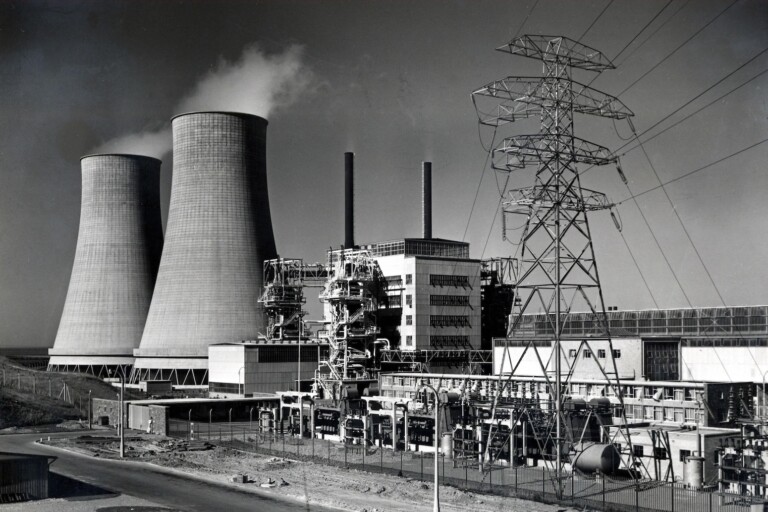
Nuclear power plants generate electricity via thermal fission, creating steam to turn turbines. To complete the Rankine thermodynamic cycle, that steam must be condensed back into water using external cooling water drawn from rivers, lakes, or the ocean.
Around 14% of the global nuclear fleet (roughly 60 out of 440 reactors worldwide) relies on once-through river cooling. When river water temperatures rise, two distinct limits are reached:
Thermodynamic Loss: Warmer intake water reduces the condenser’s vacuum efficiency. For every 1°C increase in cooling water temperature, cycle efficiency drops by approximately 0.6% to 1.0%.
Environmental Regulations: Operating licenses strictly limit the temperature of the water released back into rivers to protect aquatic species from thermal shock. Consequently, reactors are often curtailed or shut down for legal compliance rather than mechanical failure.
Drought presents a more acute operational threat than water temperature. Low river volumes mean intake pipes cannot safely draw the required water volumes, leading to extended plant shutdowns until significant rainfall occurs.
2. Natural Gas: Air Density and Efficiency Losses
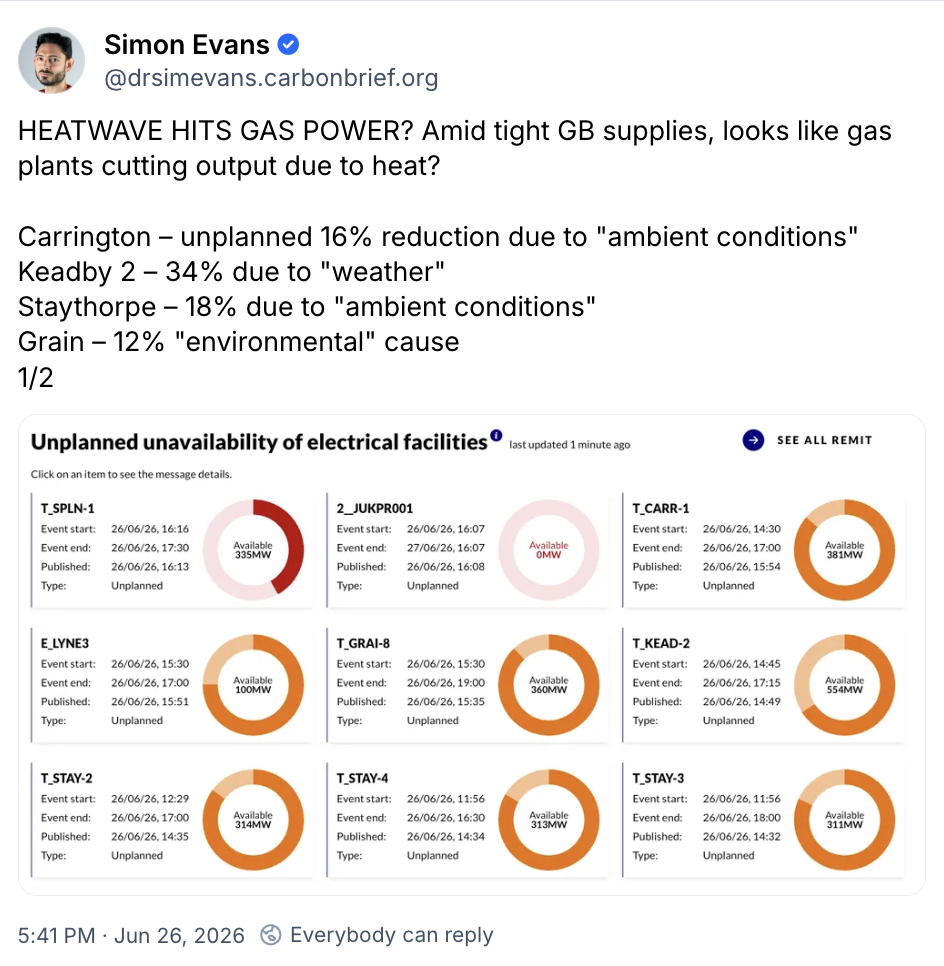
Natural gas facilities—particularly Combined-Cycle Gas Turbines (CCGTs) and open-cycle peaking units—are often classified as "firm, dispatchable" capacity. However, gas turbines depend heavily on mass airflow for combustion and turbine cooling.
Air Density Drop: Hot air is less dense than cool air. As ambient temperatures rise, the mass of air entering the turbine compressor drops, reducing the oxygen available for combustion and decreasing net power output.
Performance Metrics: According to Electric Insights, at an ambient temperature of 40°C (104°F), a standard gas-fired power station suffers a 13% reduction in total capacity and a 7% loss in overall efficiency compared to operating at 20°C (68°F). Simple-cycle gas turbines lose approximately 10% of their power output for every 10°C rise in temperature.
Transmission Line Sag: High ambient temperatures also affect electricity transmission lines. Power lines sag as their conductive metals expand under heat, reducing their safe current-carrying capacity by up to 16% for every 10°C increase in ambient air temperature.
3. Wind Power: Atmospheric Stagnation
The relationship between heatwaves and wind power is primarily atmospheric rather than mechanical.
Extreme summer heatwaves in mid-latitude regions are frequently caused by stationary high-pressure systems, known as "heat domes." These atmospheric conditions block dynamic weather fronts, resulting in prolonged periods of warm, stagnant air with very low surface wind speeds. A study published in Communications Earth & Environment (analyzing global climate data from 1980 to 2023) found that high temperatures correlate with significantly reduced wind speeds across three-quarters of the globe. During heatwaves in Europe, Northern Asia, and Australia, wind power generation drops by an average of 30% to 50%.
However, because wind generation is seasonally lower in summer, system operators routinely plan for low wind output during hot months, relying on complementary daytime generation from solar infrastructure.
4. Solar Photovoltaics (PV): Thermal Coefficients vs. Irradiance
A common misconception is that solar panels stop functioning efficiently when it gets too hot.
Standard silicon solar panels are rated at a reference temperature of 25°C (77°F). For every degree Celsius above 25°C, panel efficiency decreases by a factor known as the temperature coefficient, typically -0.2% to -0.5% per °C. On a 40°C summer day, cell operating temperatures can reach 65°C, causing an operational efficiency drop of roughly 8% to 15%.
However, this efficiency loss is routinely offset by the sheer volume of solar irradiance available during clear summer heatwaves:
In the EU, solar generation reached a record 52 TWh in June 2026, outperforming the previous monthly record set in May 2026 (47 TWh).
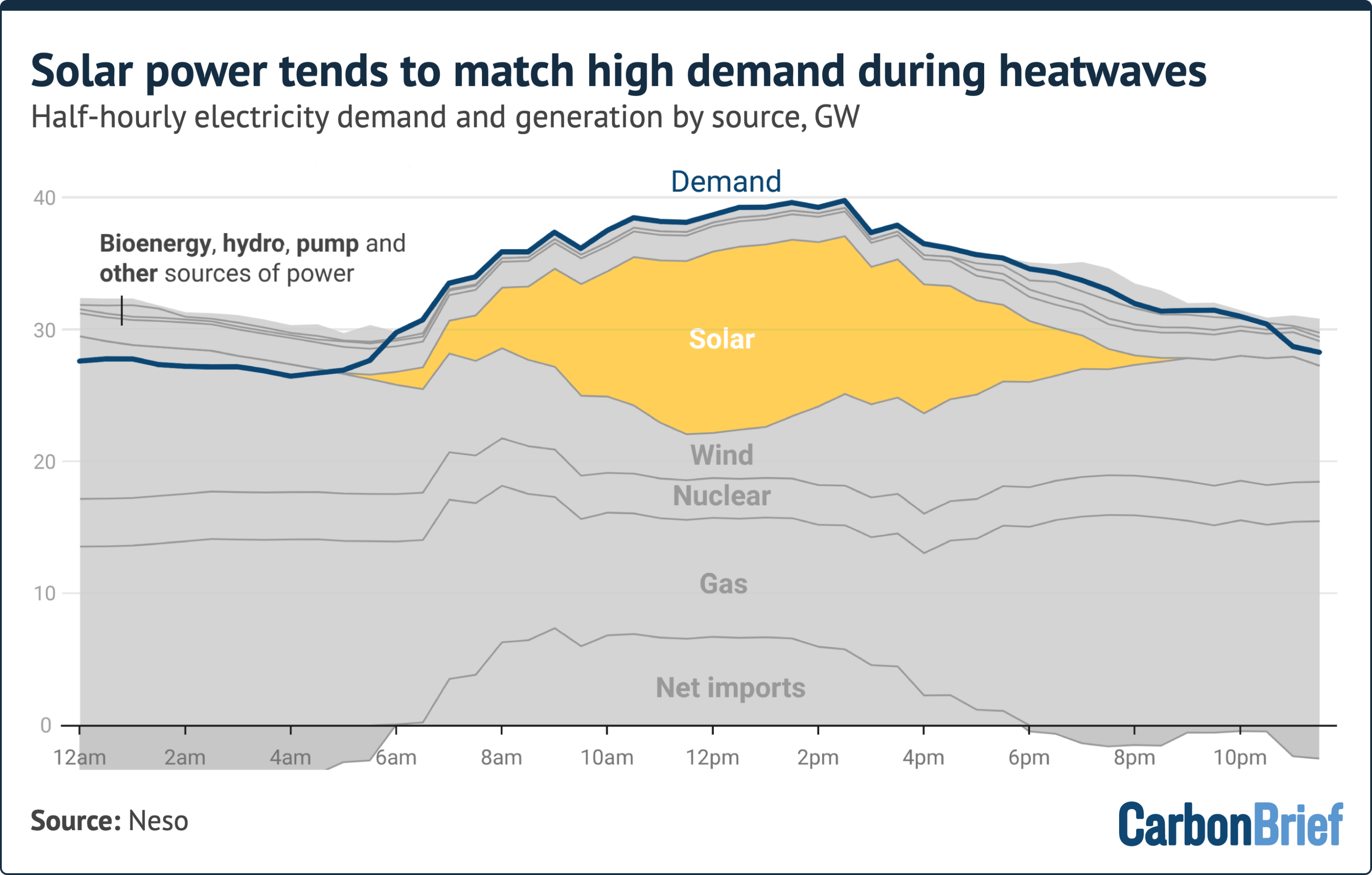
In Great Britain on June 26, 2026 (the hottest day of the summer to that point), solar generation peaked at 13.9 GW in the early afternoon, matching the grid’s afternoon peak demand driven by cooling systems.
The main operational challenge for solar is not daytime heat derating, but the evening ramp. As the sun sets, solar generation drops sharply while air conditioning demand often remains high into the night, creating steep net-load ramps for grid operators to manage.
5. Energy Storage: Thermal Management and Parasitic Loads
Utility-scale Battery Energy Storage Systems (BESS)—predominantly lithium-ion installations—play a vital role in storing daytime solar energy for discharge during the evening demand ramp.
Thermal Thresholds: Lithium-ion batteries operate optimally between 15°C and 35°C. When ambient temperatures exceed 40°C, internal BESS thermal management systems (chillers and HVAC units) must run continuously to prevent thermal runaway.
Parasitic Load: Powering internal cooling systems increases the "parasitic load" of the battery facility, reducing the net power the BESS can discharge to the grid. Extended operation at extreme temperatures can also accelerate chemical cell degradation over time.
Official Statements & Expert Commentary
Experts across academia, research institutions, and industry organizations emphasize that grid operational challenges during heatwaves stem from physical realities across all fuel sources, requiring systemic planning rather than finger-pointing.
On Nuclear Infrastructure and Hydrological Risks
Michael Tadrous, Researcher at McMaster University’s DeGroote School of Business:
"The impact [of heatwaves on nuclear] is real, but it is far smaller than many headlines suggest, and the effect of heat is gradual. Warmer intake water makes a reactor slightly less efficient—even an extreme 15°C rise in cooling-water temperature would cost a large reactor only about 6% of its output.
"The real pressure point during a heatwave is usually legal rather than technical. Plants return their cooling water to the river a few degrees warmer than they drew it, and the law limits how warm that water may be in order to protect aquatic life."
Henry Preston, Spokesperson for the World Nuclear Association:
"In contrast to high river temperatures, which can quickly return to acceptable levels once a heatwave passes, low river levels can persist for much longer if drought conditions continue. As a result, low water levels may have a more prolonged impact on plant operations than elevated water temperatures."
On Gas Power and Transmission Vulnerabilities
Dr. Iain Staffell, Associate Professor in Sustainable Energy at Imperial College London:
"Simple gas turbines—the kind which turn on rapidly to meet peak demand—are hit harder [by direct heat than solar], with their power output falling by about 10% per 10°C rise… The issue is less that gas plants can’t deliver, but that we have to pay through the nose to persuade more to turn on at critical times, adding to sky-high energy bills."
On Grid System Balancing and Flexibility
Dr. Chris Rosslowe, Senior Energy Analyst for Europe at Ember:
"Power systems are less reliant on wind power in the summer months, and its lower-than-average output is already expected and planned for. Heatwaves often bring still, but clear conditions, highlighting the benefit of wind and solar as a duo—poor conditions for one often mean good conditions for the other.
"Problems arise when the sun goes down, but demand for cooling remains high. In the early evening hours, when gas power typically ramps up to replace solar, we have seen prices spike to extreme levels, made worse by high international gas prices."
Pawel Czyzak, Europe Programme Director at Ember:
"Heatwaves will not go away—they will only get more severe in the future. Solutions that can help mitigate their impacts, such as battery storage, interconnection, demand flexibility, and dynamic tariffs, should become a key part of grid planning and power market design."
Future Outlook & Adaptation Strategies
As climate change accelerates, power grid operators and energy producers are adopting structural, technological, and regulatory solutions to maintain system reliability during extreme heat events.
To reduce vulnerability to high river temperatures and water scarcity, nuclear and gas plant operators are investing in updated cooling infrastructure:
Auxiliary Cooling Towers: French utility EDF is evaluating the installation of secondary wet-cooling towers at river-based nuclear stations to cool discharged water before returning it to river basins, staying within environmental limits.
Closed-Loop and Dry Cooling: Newer thermal facilities are increasingly designed with closed-loop cooling circuits or air-cooled condensers (dry cooling), eliminating direct reliance on river water intakes, albeit at a slightly higher capital cost and lower baseline efficiency.
2. Scaling Battery Storage and Long-Duration Assets
Battery storage deployment continues to expand rapidly, with over 108 GW of utility-scale battery storage added globally in 2025 alone, according to the International Energy Agency (IEA).
Pairing large-scale solar arrays with 4-to-8-hour battery storage systems allows grid operators to absorb excess daytime solar output and dispatch it seamlessly during the critical evening cooling peak (6:00 PM to 10:00 PM). This reduces reliance on expensive, thermal-derated gas peaker units.
3. Regional Grid Interconnection and Demand Response
High-Voltage Direct Current (HVDC) Interconnects: Expanding cross-border transmission allows regions experiencing localized heat domes to import power from neighboring areas with higher wind generation or cooler weather.
Demand-Side Response (DSR) & Smart Tariffs: Incentivizing consumers and industrial facilities to shift non-essential power consumption away from evening peak hours helps smooth the demand curve, reducing total stress on generation assets.
4. Regulatory Framework Evolution
Governments are revising environmental frameworks to balance aquatic ecosystem protection with grid reliability. During life-safety emergencies caused by extreme heat, environmental water-temperature caps are sometimes temporarily waived under strict monitoring protocols. Simultaneously, long-term climate adaptation criteria are increasingly integrated into energy infrastructure licensing and grid planning standards worldwide.