
Executive Overview
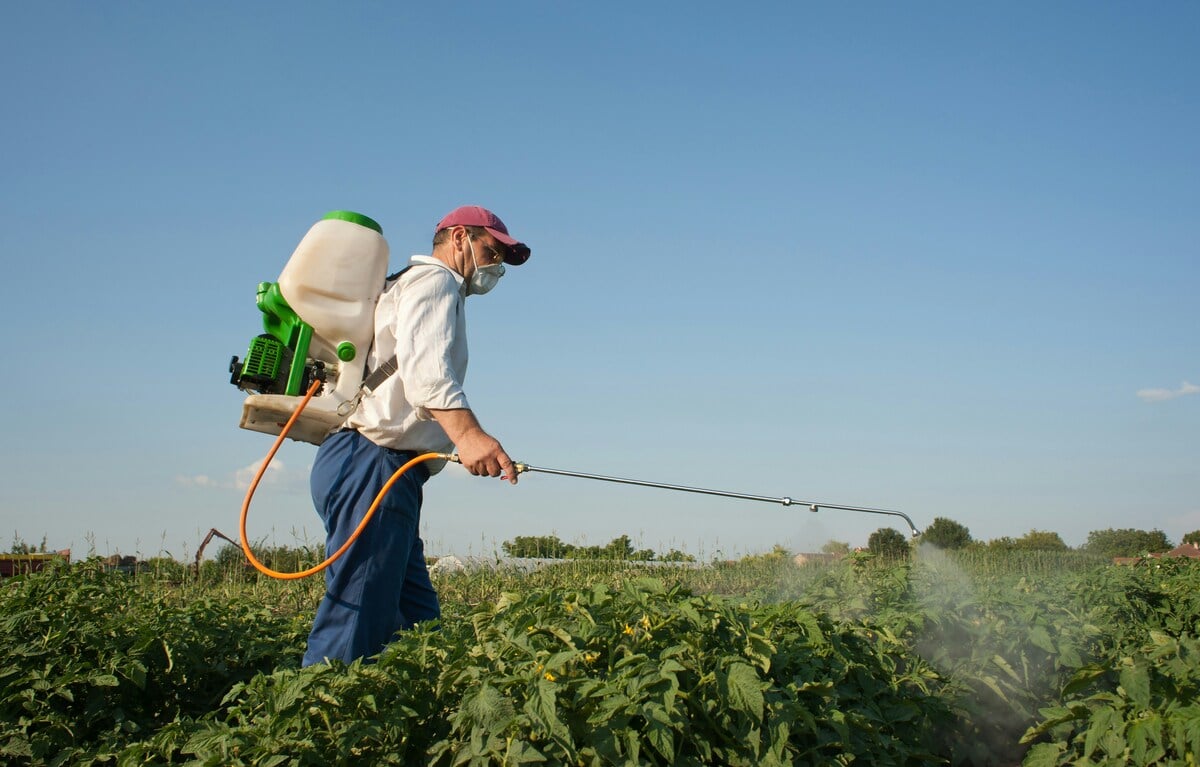
For decades, the foundation of modern industrial agriculture has relied on a reassuring, if scientifically fragile, premise: while agricultural chemicals and synthetic pesticides are undeniably toxic in massive quantities, exposure to trace amounts or low doses is harmless. Chemical manufacturers, regulatory agencies, and agribusiness conglomerates have long argued that "the dose makes the poison," asserting that human bodies can easily metabolize and clear minuscule residues of weedkillers and insecticides found in everyday food and water supplies.
That foundational argument has now suffered a devastating blow.
A landmark study published in the Annals of Global Health has definitively dismantled the low-dose safety myth. Researchers evaluated ten high-priority agricultural chemicals—selected from a broader European Union initiative reviewing more than 200 pesticides—and uncovered a deeply unsettling reality: 80 percent of the tested chemicals possess the capacity to induce genetic damage in human cells, even at exceptionally low levels of exposure.
Compounding the crisis, every single one of the eight toxic pesticides identified in the study is currently registered for commercial use in the United States. For certain substances, such as the fungicides cyprodinil and deltamethrin, this study marks the very first empirical evidence linking them to human cellular destruction. Most alarmingly, when examining glyphosate—the world’s most widely utilized broad-spectrum herbicide—researchers observed clear, measurable cell damage at micro-doses. This suggests a terrifying biological truth: when it comes to genetic integrity, there may be no such thing as a safe level of human exposure.
This scientific indictment arrives at a volatile intersection of public health and jurisprudence. Even as laboratory evidence points toward the pervasive dangers of these chemicals, legal pathways for victims are narrowing. Following a monumental U.S. Supreme Court decision protecting federal pesticide labeling precedence, roughly 65,000 active lawsuits against multinational agricultural giant Bayer AG face an uncertain future, setting up a high-stakes clash between mounting toxicological proof and corporate liability.
Detailed Chronology: From Laboratory Benches to the Supreme Court
To understand the gravity of the current regulatory and legal landscape, it is essential to trace the timeline of scientific discovery, public health alarms, and judicial maneuvering that has brought the debate over agricultural chemicals to a boiling point.
1. The Historical Defense of Low-Dose Tolerances
Since the mid-20th century, the regulatory framework governing pesticides in the United States—overseen primarily by the Environmental Protection Agency (EPA)—has operated on linear toxicology models. Regulators established acceptable daily intake (ADI) levels and maximum residue limits (MRLs) based on the assumption that toxic effects scale linearly with dose size. Below a certain threshold, it was presumed that cellular repair mechanisms could offset chemical stress. Chemical manufacturers leaned heavily on this paradigm, arguing that trace residues on crops were biologically insignificant.
2. The Turning Point: WHO Classification (2015)
A seismic shift occurred in March 2015 when the International Agency for Research on Cancer (IARC), an specialized intergovernmental agency of the World Health Organization (WHO), reclassified glyphosate from a general pesticide to a "probable human carcinogen" (Group 2A). This designation triggered global scrutiny, inspiring independent researchers, toxicologists, and public health advocates to look closer at the cumulative, low-dose impacts of chronic pesticide exposure on everyday populations.
3. Grassroots Litigation and Legal Milestones (2019–2024)
As scientific concern grew, so did public outrage. In 2019, groundskeeper John Durnell filed a landmark lawsuit in Missouri against Monsanto (acquired by Bayer in 2018), alleging that chronic exposure to Roundup—his primary tool for weed management—caused him to develop non-Hodgkin’s lymphoma. Durnell claimed the company failed to adequately warn consumers about the carcinogenic risks of glyphosate. A state jury agreed, awarding him $1.25 million in damages.
Durnell’s case became a symbolic proxy for tens of thousands of similar plaintiffs. By mid-2026, the total pool of active lawsuits in the United States regarding Roundup’s health impacts hovered around 65,000.
4. The Annals of Global Health Breakthrough (2026)
Moving beyond epidemiological correlations, toxicologists zeroed in on cellular mechanisms. By testing ten prioritized pesticides using ultra-low dose protocols, the study published in the Annals of Global Health provided direct, empirical proof of genotoxicity at levels previously dismissed as irrelevant by regulatory bodies.
5. The Supreme Court Ruling and the Threat of Mass Dismissals (June 2026)
Just as the biological evidence against agricultural chemicals reached unprecedented clarity, the judicial system dealt consumer advocates a heavy blow. The U.S. Supreme Court ruled in favor of Bayer in a critical appeal, determining that state-level failure-to-warn lawsuits are preempted by federal pesticide laws (specifically the Federal Insecticide, Fungicide, and Rodenticide Act, or FIFRA). The high court ruled that individual states do not possess the constitutional authority to mandate warning labels that contradict or supersede federal approvals granted by the EPA. According to analyses by Farm Progress, this sweeping decision threatens to dismiss or severely undermine thousands of pending lawsuits against Bayer, effectively shielding manufacturers from state-level tort liability.
Supporting Context & Metrics: The Science of Genotoxicity
The findings published in the Annals of Global Health are not merely an academic exercise; they represent a fundamental challenge to the way regulatory agencies evaluate chemical safety.
Understanding the Methodology
The research team set out to investigate substances flagged by European Union exploratory panels that had reviewed over 200 distinct agricultural chemicals. Out of that massive pool, ten pesticides of primary concern were selected for rigorous toxicological screening.
The results were stark:
- 80% Genotoxicity Rate: Eight out of the ten tested pesticides demonstrated the ability to cause direct or indirect damage to human DNA.
- 100% Registration: Every single one of those eight toxic chemicals is currently approved and actively registered for agricultural and commercial use within the United States.
- Unprecedented Discoveries: For widely used agricultural compounds like cyprodinil (a broad-spectrum fungicide) and deltamethrin (a synthetic pyrethroid insecticide), this study provided the first-ever empirical documentation of potential human cellular damage.
- The Glyphosate Threshold Illusion: Most critically, when analyzing glyphosate, researchers noted that cellular damage occurred at astonishingly low doses. This obliterates the long-standing regulatory defense that dietary or environmental residues are too small to matter.
Why Low-Dose Testing Matters
In traditional toxicology, high-dose animal studies are standard because they are easier to model statistically. However, chronic human exposure rarely occurs in massive, acute spikes; instead, it manifests as a slow, continuous drip of low-level residues ingested via food, absorbed through the skin, or inhaled near agricultural zones.
"Low-dose testing in toxicology is fundamental," noted senior author Daniele Mandrioli, a prominent researcher and secretary general at the esteemed Collegium Ramazzini. "Often, effects of low doses are underestimated simply because they are not studied."
When chemicals interact with human cells at micro-concentrations, they can disrupt endocrine function, trigger oxidative stress, induce chromosomal aberrations, and initiate cellular mutations that lay the groundwork for malignancies like non-Hodgkin’s lymphoma, leukemia, and other chronic illnesses.

Official Statements & Perspectives
The friction between corporate survival, public health protection, and judicial precedent has generated intense commentary from scientists, legal experts, and industry representatives.
The Scientific Community Speaks Out
Independent toxicologists and public health advocates have hailed the Annals of Global Health study as a long-overdue correction to corporate-funded safety narratives. Public health advocates point out that regulatory frameworks in North America rely heavily on safety data provided by the chemical manufacturers themselves—data that historically prioritized acute toxicity over chronic, low-dose genomic disruption.
"For decades, the public has been told that the presence of trace pesticide residues on our dinner plates is statistically negligible," says an independent food safety policy analyst. "This study proves that biology does not care about administrative thresholds. DNA can be altered at levels that regulatory agencies have routinely labeled ‘safe.’"
The Industry and Legal Defense
Conversely, chemical manufacturers and agricultural industry groups maintain that their products undergo rigorous safety evaluations before entering the market. Following the recent U.S. Supreme Court decision, representatives for Bayer have emphasized that federal oversight—administered by the EPA—should serve as the uniform national standard for product safety and labeling.
Industry legal teams argue that allowing individual states to impose disparate warning labels creates an impossible regulatory patchwork for interstate commerce, asserting that scientific consensus continues to support the safety of glyphosate when used according to manufacturer instructions. However, critics counter that relying on federal standards frozen in past decades leaves citizens vulnerable to emerging scientific insights.
Future Outlook: Where Do We Go From Here?
The convergence of unyielding laboratory science and restrictive judicial rulings leaves the future of public health, agricultural policy, and chemical regulation at a perilous crossroads.

1. The Regulatory Reckoning
Pressure is mounting on federal bodies like the EPA to overhaul their risk-assessment models. If low-dose genotoxicity is a widespread characteristic of modern agricultural chemicals, current acceptable daily intake (ADI) limits must be aggressively re-evaluated. Public health organizations are calling for mandatory, independent multi-generational testing for all registered pesticides, shifting the burden of proof away from citizens and onto chemical conglomerates.
2. The Adaptation of Tort Law
With the U.S. Supreme Court restricting state-level failure-to-warn lawsuits, plaintiffs’ attorneys are being forced to pivot. Future legal challenges against pesticide manufacturers may need to focus on federal fraud, suppression of internal safety data, or negligence in manufacturing processes rather than standard state labeling laws. Alternatively, consumer advocacy groups are turning their attention toward legislative fixes at the federal level to ensure citizens retain their day in court when injured by corporate negligence.
3. Consumer Choices and the Organic Movement
As trust in federal regulatory safety margins erodes, consumers are increasingly voting with their wallets. The demand for organically grown produce—which prohibits the use of synthetic pesticides, herbicides, and genetically modified crops designed to withstand chemical saturation—is projected to climb. Furthermore, urban gardeners, landscapers, and everyday homeowners are accelerating a grassroots shift away from residential weedkillers like Roundup, opting instead for mechanical and biological weed management strategies.
Conclusion
The new study in the Annals of Global Health pulls back the curtain on a comfortable illusion. The long-standing comfort blanket of "low-dose safety" has been shredded by hard, empirical evidence demonstrating that common agricultural chemicals can damage human DNA even in microscopic amounts.
As legal protections for chemical giants tighten and the body of independent toxicological science grows, society faces an unavoidable reckoning. We can no longer pretend that trace exposures are biologically inert. Protecting public health will require a courageous modernization of regulatory science, a renewed commitment to transparency, and a societal transition toward agricultural practices that honor the fragile integrity of the human genome.