Executive Overview
Nestled in the picturesque landscape near the village of Muff in County Donegal, Republic of Ireland, the delicate ecosystem of Lisnagra Woods is facing an unprecedented ecological crisis. What should be a tranquil haven for local biodiversity and a restorative sanctuary for families, dog walkers, and nature enthusiasts has, over the course of the spring and summer months, been transformed into an obstacle course for high-powered all-terrain vehicles (ATVs) and quad bikes.
Local residents and community leaders report that every weekend brings a fresh wave of motorized disruption. Heavy quad bikes tear through the fragile undergrowth, turning walking paths into deep, impassable quagmires and threatening the survival of vulnerable wildlife populations. Chief among those at risk is a rare and thriving colony of native red squirrels (Sciurus vulgaris), alongside other woodland inhabitants such as pine martens (Martes martes) and nesting bird species.
With the crucial winter-prep season underway—a time when small mammals must forage, gather, and cache vital food supplies to survive the colder months—the ongoing noise, pollution, and physical destruction of their habitat threaten to inflict irreversible damage. Local stakeholders, led by dedicated residents like Margaret Peoples and local public representatives such as Sinn Féin Councillor Terry Crossan, are now demanding immediate, decisive intervention from state forestry bodies and law enforcement agencies to reclaim the woods for nature and the community.
Detailed Chronology: A Summer of Escalating Destruction
The systematic degradation of Lisnagra Woods did not happen overnight, but the intensity and frequency of unauthorized quad bike usage reached a critical tipping point over the recent summer months.
Spring Onset
As weather conditions improved during the early spring, local residents first noticed an uptick in the presence of off-road vehicles accessing the peripheries of the woodland. Initially dismissed by some as isolated incidents of irresponsible behavior, the incursions quickly developed into a formalized weekend routine. Groups of riders, often operating powerful quad bikes without regard for signage or environmental boundaries, began treating the dense forestry tracks as a recreational racetrack.

Summer Escalation
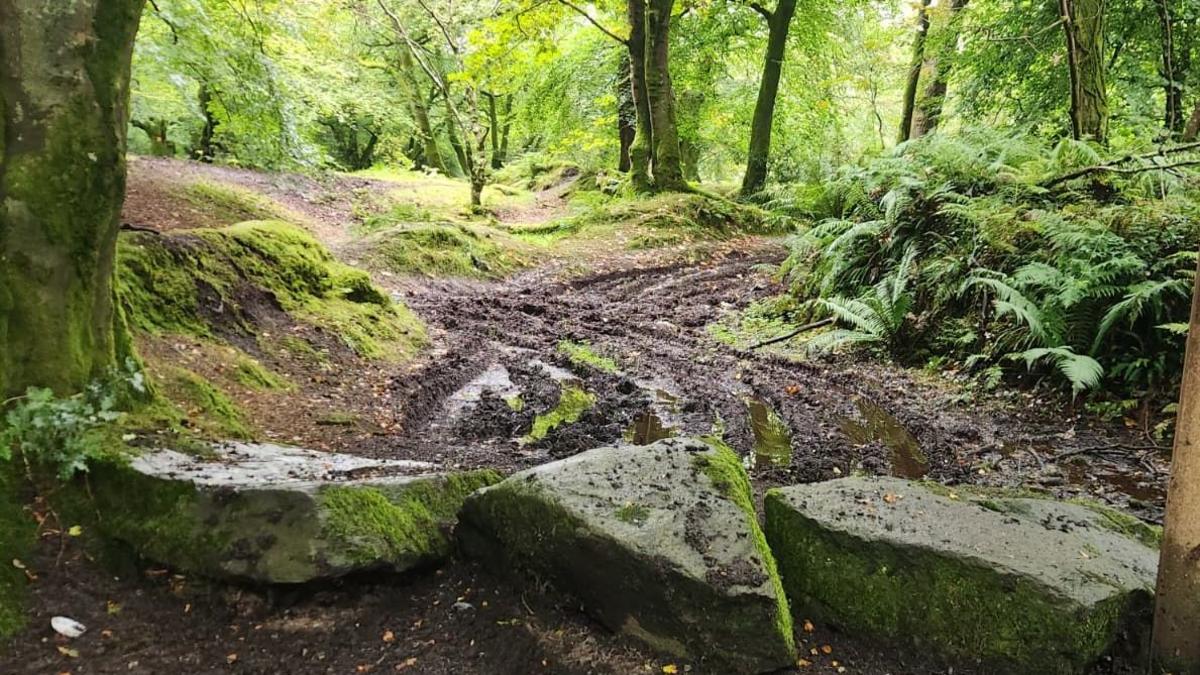
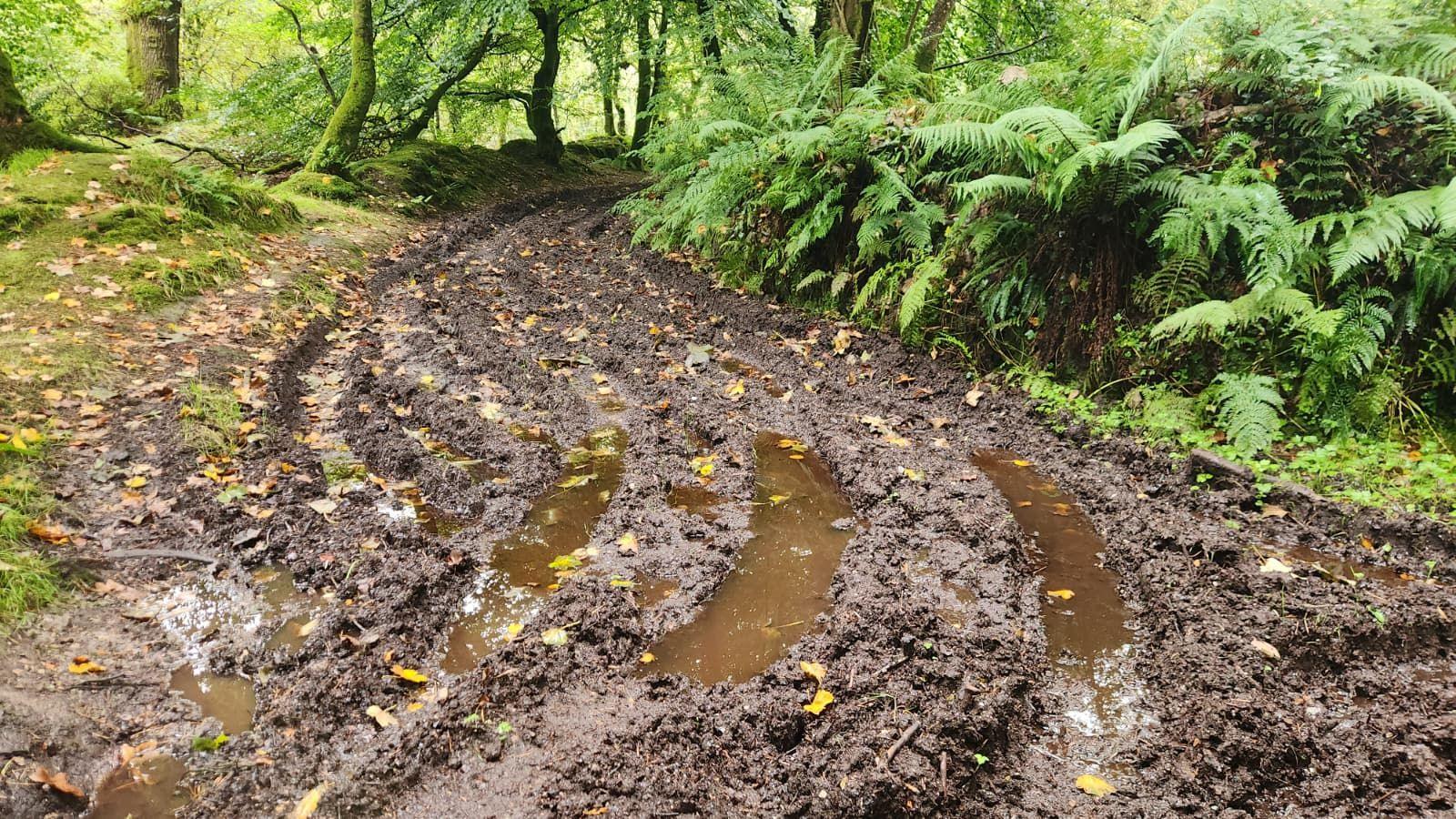
Throughout June, July, and August, the situation deteriorated markedly. Weekend after weekend, the roar of internal combustion engines shattered the natural acoustic profile of the forest. The physical impact on the terrain mirrored the sensory disruption. Repeated passes by heavy vehicles broke down soil structures, stripped away protective mosses and leaf litter, and carved deep, water-filled ruts into historical walking trails.
By late summer, large sections of Lisnagra Woods had been reduced to absolute quagmires, rendering them entirely inaccessible to elderly residents, parents pushing strollers, and recreational walkers. The physical barrier of mud and muck was compounded by a palpable sense of intimidation, as pedestrians frequently had to leap off narrow paths to avoid speeding vehicles tearing around blind forest corners.
The Autumn Crunch
As autumn sets in, the crisis enters its most dangerous phase for the local ecosystem. September and October represent the critical biological window during which woodland mammals must secure their winter larders. The disruption caused by ongoing weekend motorized activity directly clashes with the biological imperatives of the forest’s most vulnerable residents, prompting desperate calls from the community for emergency mitigation strategies.
Supporting Context & Metrics: The Fragile Ecology of Lisnagra Woods
To understand the gravity of the situation in County Donegal, one must examine the broader ecological context of Irish woodlands, the specific vulnerabilities of native species, and the legal frameworks governing public and private forestry land.
The Plight of the Native Red Squirrel
Ireland’s native red squirrels are a protected species and a treasured symbol of the country’s natural heritage. Unlike their invasive grey counterparts (Sciurus carolinensis), red squirrels are acutely sensitive to habitat fragmentation and environmental disturbance.

During the autumn months, red squirrels enter a frantic period of hyper-phagia and caching. They must traverse the forest floor and lower canopy continuously to locate, harvest, and bury tree seeds, hazelnuts, and pinecones. The introduction of heavy quad bikes into this environment creates a multi-layered threat:
- Habitat Destruction: Quad tires crush the vital fungal networks (mycorrhizae) and undergrowth layers that support forest regeneration and seed distribution.
- Foraging Disruption: Continuous noise and physical threat drive squirrels away from prime foraging zones, reducing their calorie-gathering efficiency ahead of the lean winter months.
- Stress and Mortality: Elevated stress hormones in small mammals compromise their immune systems and reduce winter survival rates.
Beyond the Squirrel: Pine Martens and Avian Life
It is not only red squirrels bearing the brunt of this motorized intrusion. The undergrowth of Lisnagra Woods supports a rich tapestry of fauna:
- Pine Martens: These elusive, solitary mustelids rely on quiet, undisturbed forest interiors and dense cover to hunt and raise their kits. The relentless rumble of off-road engines drives them away from established territories.
- Avian Populations: Local ornithological observations highlight a stark decline in ambient birdsong throughout both morning and afternoon periods in Lisnagra Woods. The acute noise pollution disrupts bird communication, mating rituals, and territorial defense mechanisms, leading local avians to abandon sections of the woodland entirely.
The Physical Infrastructure of the Forest
Managed largely under the purview of state and semi-state forestry models—such as Coillte, the state-owned commercial forestry company that manages extensive tracts across the Republic of Ireland—woodlands like Lisnagra are engineered for timber production, carbon sequestration, and public recreation. They are not designed, zoned, or surfaced to withstand the high-torque, abrasive forces of unauthorized off-road vehicles.
When quad bikes churn up forest tracks, they destroy expensive drainage channels, accelerate soil erosion, and cause run-off silt to clog nearby freshwater streams, threatening aquatic life as well as terrestrial ecosystems.
Official Statements and Community Voices
The local backlash against the misuse of Lisnagra Woods has united residents and local government in a shared mission to protect the environment.

Margaret Peoples: "It’s Their Home – We’re Only Visitors"
Speaking candidly on the BBC Radio Foyle North West Today programme, local resident Margaret Peoples (from nearby Carnamoyle) voiced the profound frustration felt by families who have seen their local amenity degraded.
"These quads have been cutting the place up every weekend," Peoples stated during her broadcast interview. "It’s been happening all summer, and it’s making the place nearly unusable for people coming with their kids, or for a walk with the dog or whatever, because it’s very badly cut up and mucky at the minute."
Highlighting the deeper ecological stakes, Peoples emphasized that human recreation should never come at the expense of native wildlife:
"The damage that they’re doing to the forest floor and the undergrowth, where the small mammals—your squirrels, your rabbits, your pine martens—are at this time of year gathering up for the winter, they’re wrecking that. We have a colony of red squirrels here who are having to deal with all this disturbance… These things need peace and quiet to thrive. It’s their home. We’re only visitors there, and we need to respect that if they’re going to survive and thrive."
Peoples concluded with a direct appeal to the riders, urging them to relocate their hobby to designated, purpose-built motorsport tracks or private lands where environmental damage can be properly managed.
Councillor Terry Crossan: Pushing for Institutional Action
The community’s concerns have been officially championed by Sinn Féin Councillor Terry Crossan, who has taken active steps to escalate the issue to the highest possible authorities. Crossan has formally engaged with Coillte Ireland—the forestry company responsible for managing approximately 440,000 hectares of forested land across the Republic—as well as An Garda Síochána, the national police service.
"This has been going on for quite some time and is happening on a regular basis," Councillor Crossan explained when assessing the physical state of the woods. "This activity in the Lisnagra area is causing severe loss of habitat and is having a detrimental impact on wildlife, especially the red squirrels and pine martens."
Crossan drew explicit attention to the dual threats of environmental degradation and public safety hazards:
"Any noise pollution or damage to habitat or vegetation all has a very serious impact, with a lot of areas in the wood being turned into an absolute quagmire. Beyond the ecological damage, you have serious potential dangers to families and children walking in these woods while heavy vehicles are traveling at high, uncontrolled speeds. I have contacted Coillte and An Garda Síochána over these repeated incidents of quad bikes being ridden in the woodland, and hopefully we will see some action in the immediate future."
Future Outlook: Protecting Lisnagra Woods for Generations to Come
As the autumn leaves begin to fall and the pressure on Lisnagra’s wildlife intensifies, the coming weeks will prove critical in determining the future governance and protection of the woodland.
Resolving the crisis will require a multi-pronged approach involving local authorities, landowners, law enforcement, and the community:
- Enhanced Physical Security and Barriers: Coillte Ireland and local authorities are under increasing pressure to install strategic bollards, height-restricted gates, and sturdy fencing at unauthorized access points to prevent quad bikes and scramblers from entering vulnerable trailheads while maintaining pedestrian access.
- Increased Garda Patrols: Community leaders are calling for a visible enforcement presence by An Garda Síochána around Lisnagra Woods during peak weekend hours. The seizure of unauthorized and uninsured off-road vehicles operating in public spaces serves as a powerful deterrent.
- Public Awareness Campaigns: Educating younger demographics and local vehicle owners about the severe ecological consequences of off-road driving in sensitive natural habitats is vital. Many casual riders may fail to recognize the devastating impact noise pollution and soil compaction have on creatures like the red squirrel.
- Designated Off-Road Facilities: Long-term solutions must include the creation or promotion of legal, regulated motorsport facilities in County Donegal. Providing enthusiasts with an appropriate outlet for their hobby is widely recognized as the most effective method for curbing illegal green-laning and forest vandalism.
For now, however, the immediate focus remains fixed on the emerald canopy of Lisnagra Woods. As Margaret Peoples poignantly reminded listeners across the Northwest, the forest is, first and foremost, a sanctuary for its non-human inhabitants. Until effective deterrents are put in place, the community will remain on high alert, serving as an organic neighborhood watch to ensure that the rightful residents of Muff’s woodlands are given the peace, quiet, and protection they need to survive the winter and thrive for generations to come.