Executive Overview
Nestled at the southern edge of the Australian continent, Tasmania stands today as a global masterclass in ecological equilibrium. While traditional mass tourism often exacts a heavy toll on fragile natural environments, the island state has aggressively pivoted toward a model of regenerative, highly regulated ecotourism. From the pink granite crowns of Freycinet National Park to the brooding, sea-scoured cliffs of Tasman National Park and the ancient, moss-draped canopies of the Tasmanian Wilderness World Heritage Area, Tasmania offers some of the most visually arresting and biologically distinct terrain on Earth.
However, the true story of modern Tasmanian travel lies beneath the surface of its postcard-perfect scenery. It is a narrative rooted in rigorous environmental stewardship, strict legislative frameworks, and an active partnership between regional authorities, award-winning tour operators, and conservation scientists. By championing a travel economy that prioritizes zero-impact principles, active habitat preservation, and deep community engagement, Tasmania is redefining what it means to be a modern traveler. This comprehensive report investigates the systemic frameworks, top-tier sustainable itineraries, and economic advantages underpinning Tasmania’s rise as a premier destination for conscious global explorers.
Detailed Chronology: The Evolution of Tasmania’s Conservation and Tourism Model
To understand how Tasmania became a beacon of sustainable travel, one must trace the historical trajectory of its land management and economic transition. The island’s relationship with its wilderness has evolved through distinct, highly impactful phases over the last half-century.
1. The Industrial Era and Early Protections (Pre-1980s)
For much of the 19th and 20th centuries, Tasmania’s vast wilderness was viewed primarily through the lens of extraction. Logging, mining, and hydro-electric industrialization threatened to fragment large swaths of pristine, ancient temperate rainforests. However, grassroots environmental movements steadily gained momentum. The battle to save Lake Pedder in the early 1970s, followed by the historic campaign to stop the damming of the Franklin River in the early 1980s, galvanized the international conservation movement and forced a legislative pivot. These conflicts established a profound precedent: Tasmania’s economic survival was inextricably linked to the preservation of its natural capital.
2. World Heritage Designation and Ecotourism Inception (1982–2000s)
The inscription of the Tasmanian Wilderness as a UNESCO World Heritage Area across multiple phases in the late 20th century transformed the island’s global profile. During this era, forward-thinking regional entrepreneurs and government bodies recognized that traditional tourism infrastructure would degrade these newly minted protected zones. This realization sparked the conceptualization of "ecotourism" within the state—a model designed to welcome visitors while placing stringent limits on infrastructural footprints, waste generation, and wildlife disruption.
3. The Institutionalization of Best Practices (2010s–Present)
In recent years, Tasmanian tourism has evolved past passive conservation into an active, regenerative framework. Guided by organizations such as the Tourism Industry Council of Tasmania (TICT), the state introduced rigorous certification schemes, local tourism awards, and structured partnerships with conservation groups. Tour operators are no longer merely evaluated on customer satisfaction, but on their ecological contributions, carbon-reduction pathways, and educational rigor. Today, Tasmania’s approach serves as a case study for destinations worldwide grappling with the double-edged sword of global travel demand.
Supporting Context & Metrics: The Architecture of Sustainable Travel
To maintain its status as an elite ecotourism destination, Tasmania relies on a delicate balance of spatial planning, wildlife management, and economic integration. The numbers and policies driving this ecosystem reveal an intricate commitment to long-term preservation.
Spatial Preservation and Biodiversity Metrics
Over 40% of Tasmania’s landmass is formally protected within national parks, state reserves, and World Heritage areas. This spatial segregation ensures that the island’s unique endemic flora and fauna—such as the iconic Tasmanian Devil (Sarcophilus harrisii), the quoll, and ancient flora like the Huon Pine—remain insulated from unchecked human encroachment.

- Freycinet National Park: Encompassing over 16,000 hectares, this peninsula absorbs hundreds of thousands of visitors annually while maintaining pristine ecological health through tightly managed boardwalks, strict waste-pack-out policies, and restricted vehicular zones.
- Wilderness Zoning: The South Coast Track and other remote multi-day wilderness trails utilize a permit system that strictly caps daily trekker numbers. This prevents soil compaction, protects sensitive alpine and coastal vegetation, and preserves the profound acoustic and visual solitude that defines the Tasmanian bush.
The Economics of Regeneration
Ecotourism in Tasmania is not merely an ideological pursuit; it is a vital economic engine. Rural and regional communities—often historically reliant on cyclical and environmentally destructive extractive industries—now find stable, year-round employment through boutique accommodations, specialized guide services, and interpretive wildlife centers.
Studies from regional tourism boards indicate that travelers utilizing certified ecotourism operators spend significantly more of their capital within local supply chains. From farm-to-table culinary enterprises utilizing indigenous and hyper-local ingredients to community-run conservation trusts funded directly by tourist contributions, the financial loop of responsible travel directly fortifies the landscapes it showcases.
Official Statements and Industry Insights
The paradigm shift toward high-yield, low-impact tourism in Tasmania has garnered praise from conservationists, regional policymakers, and industry leaders alike.
Dr. Aris Thorne, a leading conservation biologist specializing in temperate ecosystems, notes the unique vulnerability and resilience of the island:
"Tasmania represents a living laboratory. Because it is an island state, we have distinct ecological boundaries. When tour operators and travelers respect these borders through structured ecotourism protocols, we can actually mitigate the pressures of global climate change on endemic species. The Tassie Devil conservation programs operating on the east coast are a prime example: tourism directly funds the genetic insurance populations required to fight devastating diseases like DFTD [Devil Facial Tumor Disease]."
Echoing this sentiment, regional tourism development officials emphasize the necessity of the "quality over quantity" mantra. A spokesperson for the Tasmanian sustainable tourism sector stated:
"We do not measure our success by breaking visitor arrival records year over year. We measure our success by the integrity of our waterways, the stability of our native wildlife populations, and the depth of understanding our visitors carry home with them. Ecotourism is our shield against environmental degradation and our bridge to a regenerative economic future."
Top-Tier Ecotour Experiences in Tasmania
For travelers seeking to immerse themselves in Tasmania’s wild heart while upholding the principles of responsible exploration, the island offers a curated portfolio of experiences tailored to diverse activity levels and interests.

+-----------------------------------------------------------------------------------+
|                        TASMANIAN ECOTOURISM MATRIX                                |
+---------------------------+---------------------------+---------------------------+
| Experience Category       | Primary Location          | Core Conservation Focus   |
+---------------------------+---------------------------+---------------------------+
| Coastal & Peninsula Hikes | Freycinet Peninsula       | Granite ecosystem         |
|                           |                           | protection & trail ethics |
+---------------------------+---------------------------+---------------------------+
| Dramatic Seascape Walks   | Tasman National Park      | Geological interpretation |
|                           |                           | & marine life safety      |
+---------------------------+---------------------------+---------------------------+
| Wildlife Rehabilitation   | East Coast Natureworld    | Tassie Devil health &     |
|                           |                           | educational outreach      |
+---------------------------+---------------------------+---------------------------+
| Remote Wilderness Treks   | South Coast Track         | Zero-impact backcountry   |
|                           |                           | navigation & heritage     |
+---------------------------+---------------------------+---------------------------+
1. Freycinet and Coastal Walks
The Freycinet Peninsula offers an unmatched synthesis of rugged geology and coastal serenity. Renowned for Wineglass Bay—frequently ranked among the world’s finest beaches—the area features trails ranging from gentle, family-accessible walks to demanding ridge hikes. Responsible operators here utilize established pathways that protect fragile dune ecosystems and prevent the erosion of pink granite slopes. Visitors are continually educated on the delicate interplay between the marine environment and the coastal dry sclerophyll forests.
2. National Park Adventures along the Tasman Peninsula
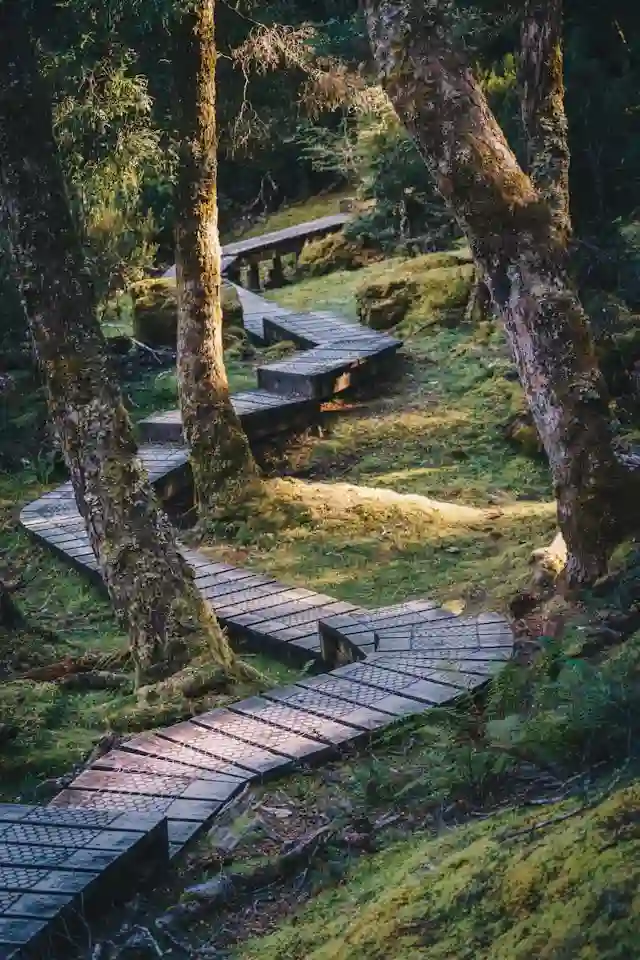
Centred around Port Arthur, Tasman National Park showcases some of the highest sea cliffs in the Southern Hemisphere. Guided walks along these dramatic edges provide immersive lessons in local geology, marine mammal migratory patterns, and indigenous cultural heritage. Boardwalk systems are meticulously engineered to float above sensitive button-grass plains, ensuring that heavy foot traffic leaves zero lasting physical imprint on the substrate.
3. Immersive Wildlife Encounters
For travelers eager to observe Tasmania’s endemic fauna without disturbing natural habitats, facilities such as East Coast Natureworld offer a vital bridge. These centers focus on wildlife rescue, rehabilitation, and education. Daily feeding sessions and interpretative talks demystify the plight of the Tasmanian Devil, turning casual sightseers into informed advocates for wildlife preservation and disease-mitigation research.
4. Remote Wilderness Hiking Trails
For the seasoned adventurer, multi-day routes like the South Coast Track provide an unfiltered encounter with raw nature. Traversing remote beaches, river crossings, and dense mountain ranges within the Tasmanian Wilderness World Heritage Area, these treks require strict adherence to "Leave No Trace" methodologies. Guided groups on these routes are intentionally kept small—typically numbering under ten participants—to minimize camp degradation, reduce wildlife habituation, and preserve the profound wilderness experience.
Future Outlook: The Next Frontier of Regenerative Travel
As global tourism rebounds and accelerates into a new era, Tasmania’s blueprint offers a vital roadmap for destinations worldwide. The challenges ahead are formidable: managing increased global interest, adapting to shifting climate patterns, and ensuring that indigenous voices remain at the center of land management discussions.
The trajectory for the next decade points toward regenerative travel—a philosophy that goes beyond merely "doing no harm" to actively leaving a destination better than it was found. This includes the proliferation of carbon-negative accommodations, expanded indigenous-led cultural tours that share tens of thousands of years of palawa/pakana heritage, and tighter regulatory integration between state agencies and private tourism operators.
For the discerning traveler, planning a Tasmania vacation is no longer just a holiday booking; it is an active vote for ecological preservation and community empowerment. By selecting certified eco-lodges, engaging with small-group guided nature walks, and respecting the strict natural boundaries of the state’s national parks, visitors become co-guardians of an ancient, breathtaking world.
Tasmania proves that human enjoyment and environmental preservation are not mutually exclusive. Through intentional choices, rigorous standards, and deep respect for the land, the island state ensures that its mist-shrouded peaks, wild coastlines, and unique wildlife will endure for generations to come.