Executive Overview
As millions of children return to the classroom each academic year, they sit down to engage with foundational subjects like mathematics, history, literature, and biology. Yet, a quiet, pervasive curriculum has steadily woven its way into kindergarten through 12th-grade (K-12) education nationwide: the gospel of plastics.
A comprehensive investigative report released by the nonprofit Plastic Pollution Coalition reveals that the plastics and petrochemical industries have systematically inserted corporate messaging, specialized lesson plans, worksheets, and interactive science experiments into public school classrooms. Operating under the guise of supporting science, technology, engineering, and mathematics (STEM) education, these corporate-backed programs frequently downplay the staggering environmental and public health consequences of plastic pollution. Instead, they promote industry-friendly talking points that emphasize the ubiquity, affordability, and economic necessity of synthetic materials.
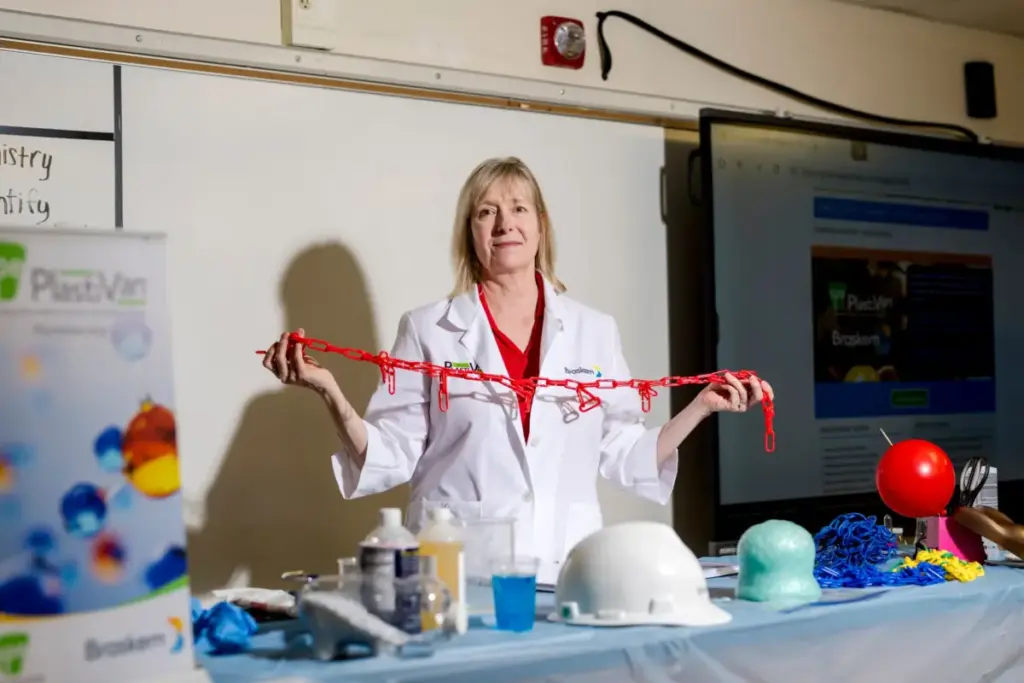
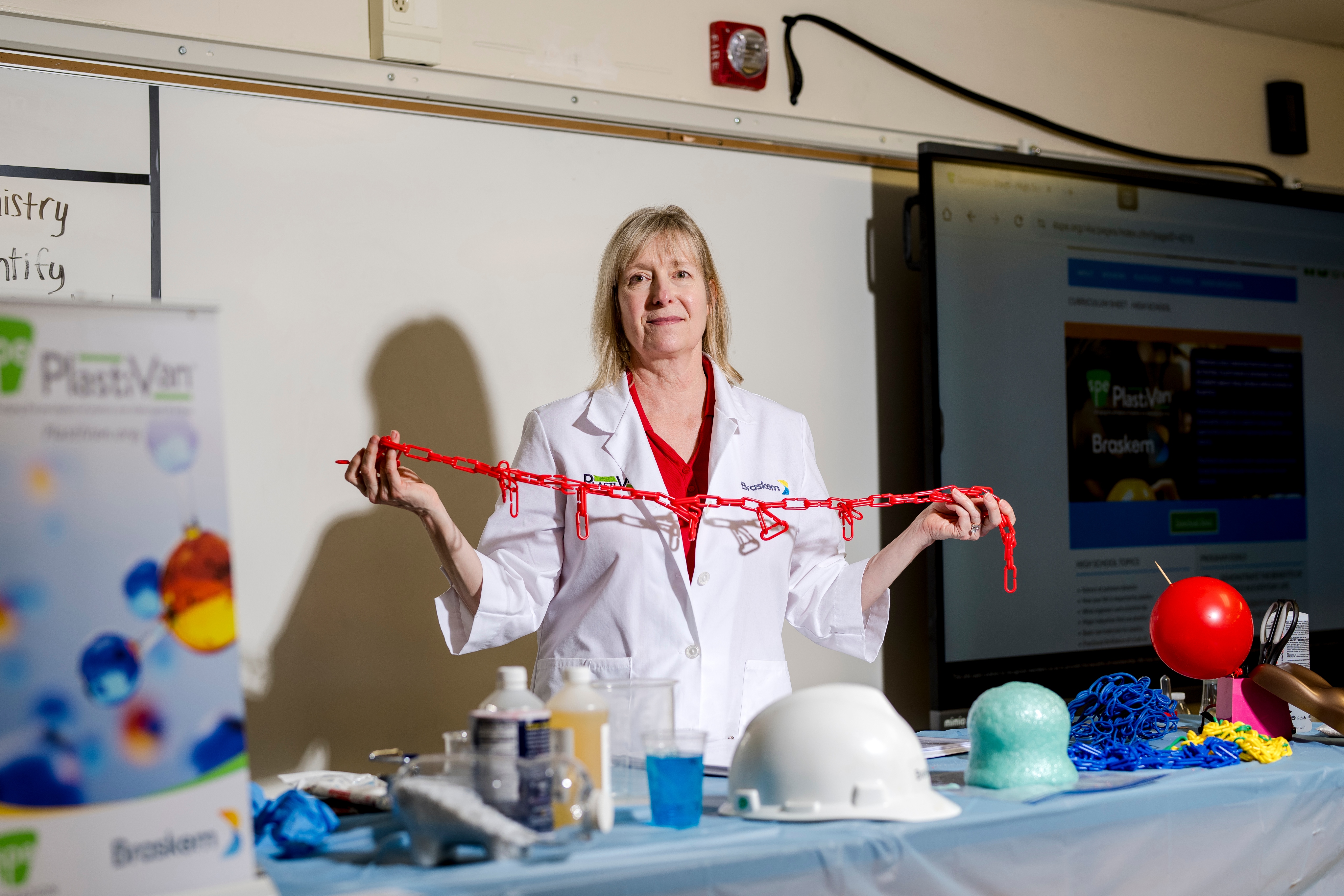
This corporate footprint ranges from traveling showcases like the Society of Plastics Engineers’ "PlastiVan" initiative to hands-on chemical experiments sponsored by corporate chemical giants. While cash-strapped school districts and overburdened educators often welcome free, ready-to-use teaching aids, critics warn that these resources function as sophisticated marketing campaigns. By embedding technical jargon and shifting blame for environmental degradation onto individual consumers, these materials shape public perception from an early age, normalizing a throwaway culture and framing reliance on petrochemicals as an inescapable facet of modern life.
Detailed Chronology and Industry Tactics
The presence of corporate-sponsored educational materials in American schools is far from new. Historical documentation indicates that the plastics industry has deliberately targeted the K-12 demographic for decades, refining its approach to blend seamlessly with shifting educational standards.
Early 2000s to 2010s: Lobbying and Textbooks
The integration of industry talking points into formal educational structures dates back at least to the early 2000s. Between 2009 and 2011, a prominent plastics trade group engaged in intense lobbying efforts directed at the California Department of Education. The goal was to secure the inclusion of a dedicated section titled "The Advantages of Shopping Bags" within state-sanctioned high school textbooks. By framing single-use plastic bags as essential and environmentally sound consumer goods, the industry sought to preempt municipal bans and public pushback against plastic waste.
Simultaneously, the industry invested heavily in experiential learning. Launched in 2011, the Society of Plastics Engineers’ (SPE) "PlastiVan" program began touring schools across the United States. Designed to demonstrate the science behind polymers while generating interest in manufacturing careers, the program has since reached upwards of 132,000 students. While presented as purely educational outreach, critics argue these programs subtly normalize plastics manufacturing while sidestepping waste management realities.
Case Studies in Corporate Curriculum
The Plastic Pollution Coalition report highlights several modern examples of industry-sponsored pedagogical materials currently circulating in schools:
- The Society of Plastics Engineers (SPE): Now operating as a division of the Plastics Industry Association, SPE provides structured lesson plans featuring activities such as a "plastic scavenger hunt." The stated objective is for students to recognize that plastics are ubiquitous and vital to their personal lives and broader society. Accompanying instructional videos, such as one titled Your Bottle Means Jobs, instruct students on how the plastics lifecycle directly supports local employment and economic stability.
- The American Association of Chemistry Teachers: Operating as an initiative backed by the Dow Chemical Company, this association provides elementary and middle school lesson plans that invite students to test the tensile strength of various grocery store plastic bags. Following the experiment, students are directed to "pretend you are an employee for Dow Chemical Company" and design a custom plastic bag for a hypothetical client, effectively merging empirical science education with corporate roleplay.
Petrochemical Hubs and Local Partnerships
The infiltration is often most acute in communities situated adjacent to major petrochemical infrastructure. For instance, in Beaver County, Pennsylvania, energy titan Shell operates a massive 386-acre plastics production complex. To secure social license and foster local goodwill, Shell has funneled millions of dollars into regional educational institutions.
In exchange for incorporating corporate-designed plastics recycling curricula into local grade schools and community colleges, the company has funded school supplies, distributed hundreds of branded backpacks, and even built a new basketball court for a local district. Such symbiotic local partnerships create an environment where questioning the safety or viability of plastics becomes socially and economically fraught for local families dependent on the industry for employment.
Supporting Context & Metrics: The Reality Behind the Classroom Claims
The educational resources distributed by industry trade groups often utilize carefully curated framings. While some acknowledge that plastic waste poses a challenge, they systematically misrepresent both the scale of the crisis and the efficacy of proposed solutions.

The Recycling Myth
A cornerstone of corporate-sponsored lesson plans is the assertion that plastic pollution can be effectively managed through increased consumer recycling. However, global empirical data contradicts this narrative. According to figures from the Organisation for Economic Co-operation and Development (OECD), only 9 percent of all plastics ever produced are recycled worldwide.
Scientists and environmental researchers have repeatedly warned that mechanical recycling cannot physically keep pace with the exponential growth in global plastic production. Furthermore, investigative reporting has revealed that major fossil fuel and chemical conglomerates knew as early as the 1970s and 1980s that widespread plastic recycling was economically unviable and technically impractical. Nevertheless, they heavily promoted the myth of recyclability to deflect public criticism and preserve market demand.
Health and Environmental Impacts
In contrast to the sanitized depiction of plastics found in corporate worksheets, independent scientific literature outlines severe ecological and human health hazards associated with the material:
- Human Exposure: Plastics routinely degrade into micro- and nano-sized particles that infiltrate human bloodstreams, lungs, and placental tissues, exposing individuals to toxic endocrine-disrupting chemicals.
- Ecological Degradation: Beyond devastating marine and terrestrial wildlife—which frequently ingest or become entangled in synthetic debris—plastics clog urban storm drains, compounding the severity of seasonal floods in vulnerable communities.
- Climate Contributions: Throughout their lifecycle—from extraction and refining to degradation in landfills or incineration—plastics release substantial volumes of greenhouse gases into the atmosphere, accelerating global climate change.
Pedagogical Critique
Educators and curriculum specialists argue that industry lesson plans fail basic educational standards. Wendy Johnson, a science education specialist at the National Center for Science Education, points out that these materials frequently lack clear alignment with recognized state STEM frameworks. Instead, they rely on technical industry jargon—such as "stretch blow molding" or "thermosetting"—to project an air of scientific rigor.
"By using all of these technical terms, it’s tricking people into thinking that they’re doing science," Johnson noted. "What the materials really teach are ideological perspectives about the economy, like the desirability of cheap consumer goods." Rather than fostering critical scientific inquiry, the ultimate objective is the institutionalization of corporate talking points.
Official Statements and Industry Silence
The revelations surrounding corporate curriculum infiltration have sparked intense debate among educators, policy advocates, and nonprofit leaders regarding how schools should navigate corporate partnerships.
The Call for Strict Bans
Madison Dennis, senior policy and advocacy manager for the Plastic Pollution Coalition and a co-author of the report, argues that decisive regulatory action is required to protect children from corporate spin.
"When that information is provided to kids, it obfuscates the true impacts of plastic pollution," Dennis stated.
The coalition advocates for the implementation of strict school board policies that categorically ban educational materials sponsored by the chemical, fossil fuel, and plastics industries. Furthermore, advocates suggest that eliminating generous tax subsidies currently granted to petrochemical processing facilities could reclaim billions of dollars for public education, thereby removing the financial desperation that drives school districts to accept corporate handouts.
The Case for Critical Thinking
Conversely, some environmental educators caution against blanket bans on industry-provided content. Katie Allen, executive director of Algalita—a California-based nonprofit that develops independent educational resources on marine plastic pollution—suggests that educators should be trusted to vet and contextualize these materials.
"Once you start banning one thing, where does it end? What I want to do is give educators the benefit of the doubt and allow them to make their own decisions," Allen argued.
Proponents of this view suggest that corporate worksheets can serve as primary source documents for media literacy exercises, allowing teachers to guide students in identifying corporate greenwashing and cultivating critical thinking skills.
A History of Corporate Playbooks
The strategy of targeting public education is not unique to the plastics industry. Public health and environmental watchdogs note that similar infiltration tactics have been documented across multiple controversial sectors over the decades:
- The Tobacco Industry: Historically funded school programs promoting smoking prevention as a matter of personal choice rather than corporate accountability.
- The Junk Food Industry: Developed nutritional modules emphasizing exercise and "energy balance" while downlinking the health consequences of processed sugar consumption.
- The Pesticide and Fossil Fuel Industries: Routinely produce complimentary science kits designed to frame chemical agricultural inputs and natural gas extraction as indispensable pillars of human progress.
Requests for comment sent by investigative journalists to Shell, the Society of Plastics Engineers, the American Association of Chemistry Teachers, and the Beaver County school district went unanswered.
Future Outlook: Navigating Alternatives in STEM Education
As the debate over corporate influence intensifies, educators across the country are demonstrating that high-quality, impactful environmental education is entirely possible without industry backing.
Independent Nonprofits and Grassroots Curricula
A growing ecosystem of independent environmental organizations provides free, scientifically rigorous curricula designed to empower students rather than market products. Organizations like Algalita offer comprehensive lesson plans detailing ocean garbage patches and biomagnification—the process by which toxins accumulate through marine food webs. Similarly, educational groups like The Story of Stuff provide analytical high-school frameworks that examine the systemic social and environmental costs of consumer goods manufacturing.
At the classroom level, retired educators have pioneered hands-on alternatives that turn abstract environmental crises into actionable local solutions. For example, Jacqueline Omania, a retired elementary school teacher in Berkeley, California, converted her classroom into an experimental zero-waste laboratory. Over an 11-year period, Omania and her young students established classroom agreements to systematically eliminate single-use plastics—such as swapping individual plastic glue sticks for communal containers. Beyond personal habit changes, her students engaged in civic advocacy, successfully campaigning local authorities to restrict single-use plastic foodware in Berkeley restaurants.
"There are so many challenges in the world, but plastic is something tangible," Omania reflected. "It’s right there in front of them, and they can see the difference that they’re actually making through their actions."
Path Forward for School Boards
Addressing the root cause of corporate infiltration requires systemic financial support for public education. As Suzie Hicks, a K-8 environmental educator in California, pointed out, teachers are perpetually resource-constrained: "As a teacher, I’m always looking for free stuff."
To safeguard the integrity of American classrooms, policy experts recommend a dual approach: increasing baseline public school funding so educators are not reliant on corporate philanthropy, and enacting clear administrative guardrails to keep commercial interests out of the science curriculum. Only then can students receive an education grounded in objective scientific reality rather than corporate public relations.