Media literacy is traditionally taught as a mechanism for deconstructing news reports, advertisements, and social media feeds. However, a more rigorous application of the discipline—known as metacognition—demands that we turn our critical gaze inward. Metacognition requires media creators, educators, and consumers to step back from their favored subjects, examine the underlying motivations steering their interests, and evaluate the foundational perspectives that shape their worldviews.
In a recent collaborative initiative with the Media Education Lab at the University of Rhode Island, Jane DeMarines, Executive Director of the non-profit organization Climate Diet, engaged in a profound metacognitive review alongside writer Dr. Carolyn Fortuna. Revisiting a podcast interview they originally taped in January 2025, DeMarines and Fortuna analyzed their past dialogue through an ecomedia lens, assessing how cultural perspectives on food systems, methane emissions, and agricultural policy have evolved amidst subtle yet significant societal shifts.
This extensive inquiry highlights a critical blind spot in modern environmental discourse: the immense, resource-intensive footprint of industrial animal agriculture. While climate conversations frequently center on the decarbonization of the energy and transportation sectors, the global food system remains one of the largest and most overlooked contributors to greenhouse gas emissions, deforestation, and biodiversity loss. By examining how food is marketed, consumed, and regulated, this article explores the intersection of ecomedia literacy, systemic behavioral change, and the urgent necessity of adopting a climate-friendly diet.
Detailed Chronology: From Crisis to Change
To understand the current state of ecomedia literacy surrounding food systems, it is essential to trace the timeline of recent discourse, policy shifts, and educational initiatives that have brought the "climate diet" into the public consciousness.
January 2025: The Foundational Conversation
In early 2025, Jane DeMarines hosted Dr. Carolyn Fortuna on the Climate Diet podcast. At the time, the discussion focused heavily on the intersection of individual lifestyle choices—specifically, vegetarianism and reduced meat consumption—and systemic environmental communication. Fortuna, a prominent contributor to CleanTechnica, articulated a pragmatic view of corporate and consumer behavior, arguing that businesses often decarbonize not merely for the common good, but to protect their financial bottom lines. The episode laid bare the tensions between industrial food production and global climate stability, setting the stage for deeper academic and public engagement.
Late 2025 to Mid-2026: Academic Exploration via MediaEd Insights
Recognizing the power of food as a medium of communication, the Media Education Lab at the University of Rhode Island spearheaded a series of curriculum reviews published via CleanTechnica under the banner of MediaEd Insights. These essays expanded the definition of media literacy to encompass "ecomedia"—the study of how media representations shape ecological consciousness. Curricula explored everything from historical trade routes (such as noodles moving from China to Italy) to modern digital ecosystems ("Food Zoom" websites), establishing food as a central text for media literacy education.
August 2026: Metacognitive Reflection and Policy Realities
Eighteen months after their initial recording, DeMarines and Fortuna re-evaluated their 2025 dialogue. This retrospective analysis coincided with a complex sociopolitical landscape defined by new U.S. federal agricultural policies, shifting nutritional guidelines (including controversial updates to the federal food pyramid foregrounding red meat and dairy), and heightened financial pressures on independent climate journalism. Through a rigorous question-and-answer framework, DeMarines reflected on how climate messaging must remain fluid, resilient, and deeply grounded in scientific data to cut through the noise of modern media.
Supporting Context & Metrics: The Hidden Footprint of Industrial Agriculture
To fully grasp the urgency of a climate-friendly diet, one must confront the staggering empirical data surrounding industrial livestock production. According to extensive research by climatologist Gerard Bisshop and other environmental scientists, animal agriculture is responsible for an estimated 51% to 53% of all human-made greenhouse gas emissions when accounting for full lifecycle impacts, including deforestation, opportunity costs of land use, and agricultural emissions.
The Math of Methane and Resource Consumption
Methane ($textCH_4$) is a potent greenhouse gas with a warming potential in the atmosphere drastically higher than carbon dioxide ($textCO_2$) over a short-term horizon. Industrial cattle farming generates massive quantities of methane through enteric fermentation (cow burps) and decomposing waste. Furthermore:
Land Use Inefficiencies: Approximately 80% of the world’s arable land is currently dedicated to livestock grazing and feed production, yet this massive footprint yields only 20% of the global food supply required for human consumption.
Water Footprint: Raising livestock requires extraordinary volumes of water—with individual cattle consuming tens of gallons daily, alongside the millions of gallons needed to irrigate feed crops.
Deforestation: Vast swaths of tropical rainforests, particularly in South America, are systematically cleared to create cattle pastures and grow monoculture soy for animal feed. This practice inflicts a double blow on the global climate: it destroys vital carbon-sink ecosystems and eliminates biodiversity beneath the forest canopy.
Media Literacy and the Illusion of the Local Farmer
Mass media communications often employ affective framing that masks these industrial realities. Agricultural public relations campaigns frequently evoke romanticized imagery of small-scale, local farmers, cultivating cultural goodwill that shields massive multinational agribusiness conglomerates from scrutiny.
Simultaneously, the meat industry has invested heavily in counter-campaigns designed to discredit plant-based alternatives and obscure the scientific consensus linking red meat consumption to both environmental degradation and adverse human health outcomes, such as cardiovascular disease and hypertension.
Official Statements & Insights: A Q&A with Jane DeMarines
In her recent metacognitive review with the Media Education Lab, Jane DeMarines provided deep insights into the mechanics of climate communication, the challenges of audience engagement, and the philosophy driving the Climate Diet non-profit.
Question: Determining the purpose of messages is an important media literacy principle. What is the goal of your podcast and website? Who is the target audience?
Jane DeMarines: "Our goal is to create awareness and get people to think more about what they eat and how it impacts the health of the climate, and their own health. We interview experts in science, particularly climate-related, and food experts… We hope that the audience promotes the benefits of plant-based eating, because I think people tend to trust their friends, as much or in addition to known experts."
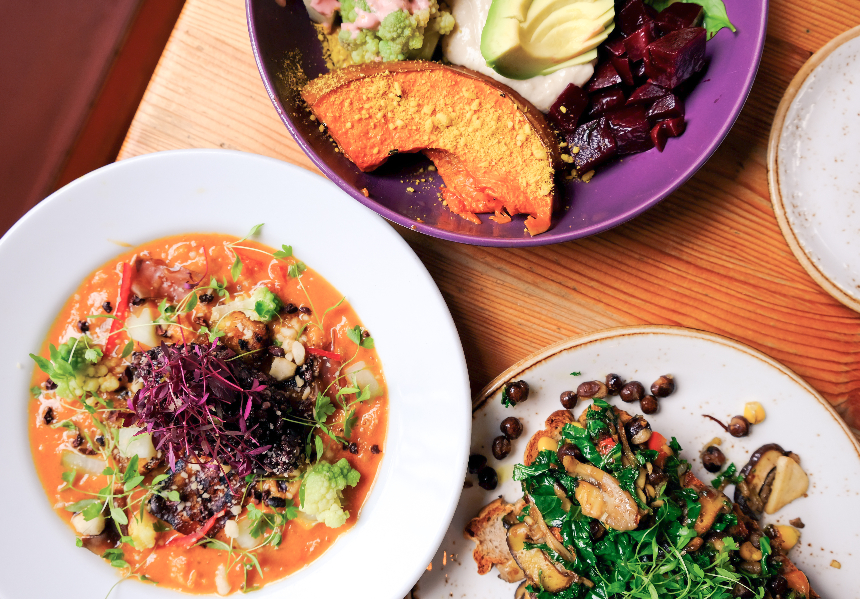
DeMarines noted that the Climate Diet website functions as an educational encyclopedia. Recent expansions include a "Kid’s Corner" for younger demographics and an interactive "Consumer Health Section" that links dietary choices directly to physiological benefits using engaging graphics and clickable human anatomy models. Furthermore, weekly plant-based recipe newsletters boast open rates exceeding 30%, signaling tangible audience engagement.
Question: How do you attract your audience, and has food media become too reliant on social media algorithms and advertiser-driven incentives?
Jane DeMarines: "We know the data from our own media and what works best for us: our email marketing gets the highest response from our weekly plant-based recipes… From a recent national survey we did, we do see the greatest interest and actual consumption of plant-based foods from a younger generation—20-30 year olds, which bodes well for the future of our planet!"
To promote its content, the organization relies on eye-catching promotional collateral developed by a creative marketing team, alongside direct community outreach at vegan conferences and Vegfests where free vegan energy bars serve as a welcoming handshake for prospective followers.
Question: How have you addressed the updated U.S. federal food pyramid, which foregrounds red meat and dairy as necessary elements?
Jane DeMarines: "I have not made comments on it, but do not see it as helpful. Any cardiologist will tell you saturated fat, especially from red meat, clogs your arteries and can lead to high blood pressure, heart conditions, and even cancer. Many sectors of the population are also lactose intolerant, as well."
Question: When discussing the staggering statistics of cattle farming, how do audiences react, and what barriers exist in mainstream media?
Jane DeMarines: "People are surprised to hear the impact of cattle… I think people just don’t think about this much, and much of the meat eaten in the U.S. is coming from Brazil. We need more media to tell this story, but likely would run into advertising conflict for some TV stations."
DeMarines highlighted the historical difficulty of securing high-profile cultural ambassadors for plant-based advocacy, noting that outreach to prominent actors and agencies yielded little engagement. She emphasized that overcoming industry-backed disinformation campaigns requires persistent, data-driven storytelling.
Question: What is your philosophy on encouraging behavioral change without alienating audiences through rigid dogmatism?
Jane DeMarines: "I think rigid adherence is not the best way forward to changing this transition, but our approach is to get people to start a habit by eliminating meat just one day per week. That is doable, and people don’t seem to see it as exceedingly difficult. We also use a ‘Meat Down Pledge’ to move people to a concrete action step."
Future Outlook: Navigating Sustainable Food Systems in a Complex Media Landscape
As society looks toward the horizon of the late 2020s, the intersection of ecomedia literacy, dietary choice, and climate policy remains a dynamic frontier. The fragile state of independent environmental journalism underscores the need for diversified funding models—ranging from community grants and educational partnerships (such as the Climate Diet’s "Power of Food" program in middle schools) to philanthropic support free from corporate entanglements.
Ultimately, shifting global food systems away from hyper-destructive industrial animal agriculture will not happen overnight. However, the steady rise of plant-based consumption among younger demographics (ages 20–30), combined with innovative digital curricula from institutions like the Media Education Lab, offers profound hope.
By applying metacognitive inquiry to our daily consumption habits, media consumers can transition from passive targets of corporate advertising to active participants in planetary health. Whether through a simple "Meat Down Pledge," eliminating meat one day a week, or critically evaluating the ecological narratives embedded in food media, individuals possess the agency to drive meaningful, systemic change—proving that the most impactful climate action often begins right on our dinner plates.