

Executive Overview
As the global race toward vehicle electrification, renewable energy generation, and cutting-edge artificial intelligence accelerates, a quiet yet catastrophic bottleneck threatens to derail progress: a critical shortage of rare earth elements (REEs) and strategic minerals. Supply chains long reliant on precarious geopolitical arrangements and environmentally taxing primary extraction methods are buckling under unprecedented demand.
In response to this existential industrial challenge, two leaders in sustainability and resource recovery have joined forces. Electronics recycling powerhouse ERI and advanced rare earth recycling innovator Cyclic Materials have officially entered into a sweeping global partnership agreement. This strategic alliance is designed to extract, recover, and reintroduce high-purity rare earth elements—alongside essential base metals like copper and aluminum—from the massive, ever-growing mountain of global electronic waste (e-waste).
By routing ERI’s colossal daily intake of discarded electronics directly to Cyclic Materials’ state-of-the-art processing facility in Mesa, Arizona, the partnership aims to construct one of the largest commercial portfolios of rare earth recycling feedstock in the United States. This collaboration promises to bypass the lengthy and contentious permitting processes required for new mines, establishing a rapid, domestic, and circular mineral supply chain crucial for American manufacturing independence.
Detailed Chronology: From Trash to Technology
The genesis of this partnership represents a masterclass in modern industrial symbiosis, bridging the gap between high-volume waste collection and hyper-specialized metallurgical processing.
Step 1: The Gathering Storm of E-Waste
The operation begins at the grassroots level with ERI, headquartered in Fresno, California. As one of the largest and most comprehensive electronics recyclers on the planet, ERI processes an astonishing volume of discarded technology—exceeding one million pounds of electronic waste every single day. Operating a sprawling network of eight specialized recycling centers strategically situated across the United States, ERI captures a massive cross-section of consumer and industrial electronics destined for disposal.
Step 2: AI-Driven Sorting and Separation
Processing millions of pounds of complex electronics requires more than manual labor; it demands cutting-edge technological intervention. ERI utilizes proprietary artificial intelligence (AI)-based software and advanced hardware systems specifically engineered to scan, identify, and categorize incoming streams of e-waste.
These sophisticated algorithms can instantly pinpoint products containing valuable rare earth permanent magnets, sorting the fragmented materials by type, composition, and purity level. This automated triage ensures that high-value components are effectively isolated from generic scrap, maximizing the efficiency of the downstream recycling pipeline.
Step 3: Pyrometallurgical and Hydrometallurgical Recovery
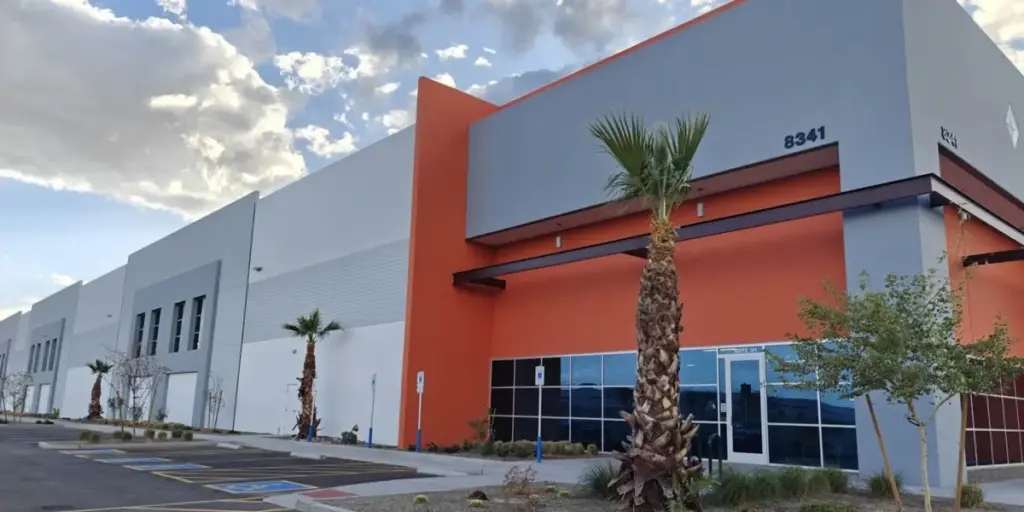
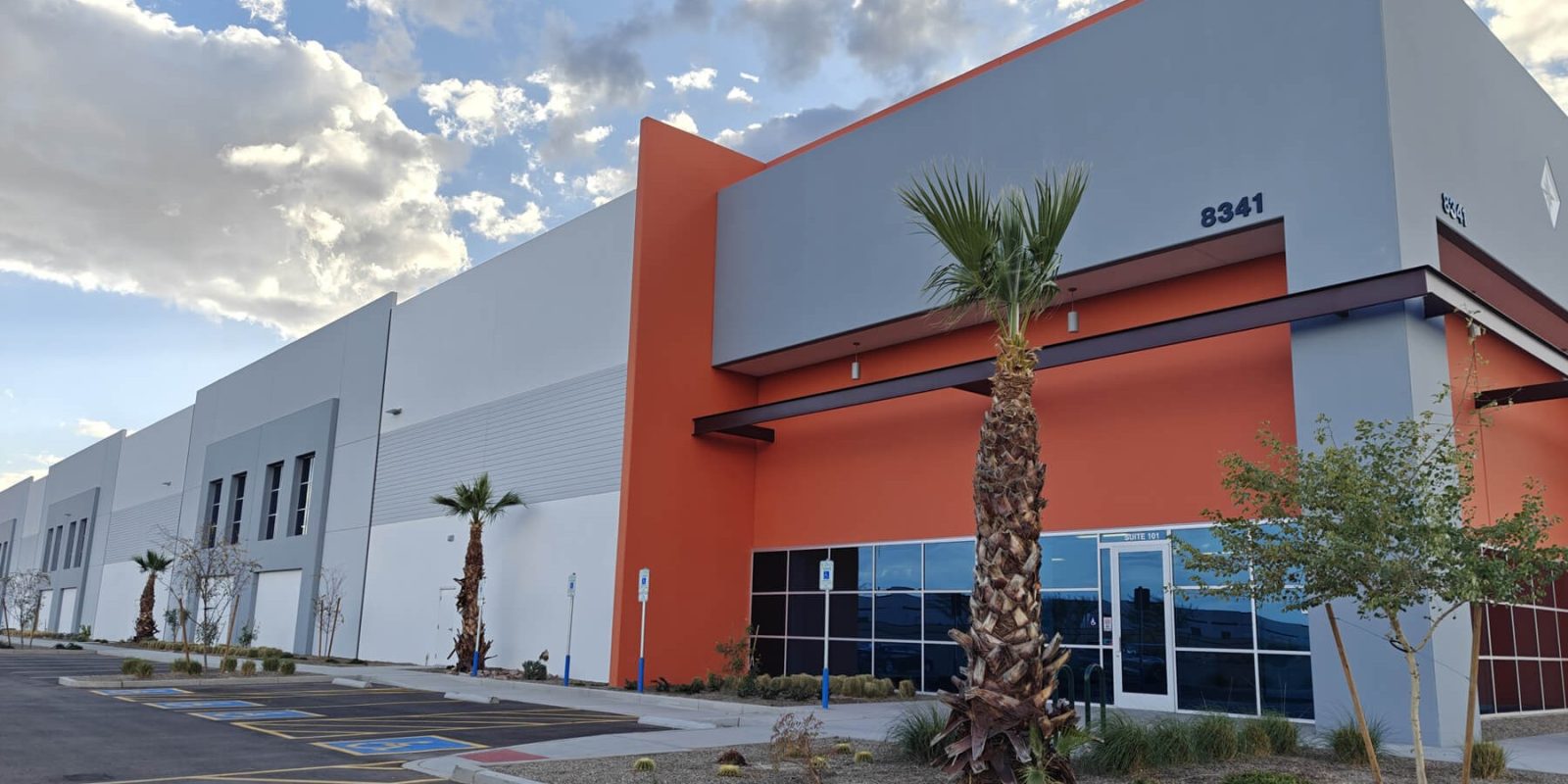
Once ERI’s advanced sorting protocols isolate the magnet-containing materials, the feedstock is transported to Cyclic Materials’ flagship commercial plant in Mesa, Arizona.
Designed to process up to 25,000 metric tonnes of end-of-life electronic components and industrial equipment annually, the Arizona facility employs innovative recycling technologies to break down complex assemblies. Through proprietary chemical and thermal processes, Cyclic Materials strips away impurities to recover heavy rare earth elements (such as neodymium, dysprosium, and praseodymium) with exceptionally high recovery rates. Crucially, the process also recaptures vital industrial commodities, including substantial quantities of copper and aluminum, ensuring virtually zero waste from the feedstock supplied by ERI.
Step 4: Joint Commercial and Government Contracting
Beyond processing operations, the partnership extends into the commercial and public sectors. ERI and Cyclic Materials have established a joint bidding framework to pursue government initiatives and major commercial contracts focused on securing domestic critical material loops. By pooling their resources, technological know-how, and logistical footprints, the companies are positioning themselves as primary vendors for entities seeking verified, sustainably sourced critical minerals.
Supporting Context & Metrics: Why E-Waste is the Mine of the Future
To fully grasp the significance of the ERI-Cyclic Materials alliance, one must examine the staggering macroeconomic and environmental pressures currently reshaping the industrial landscape.
The Geopolitical and Supply Chain Imperative
For decades, the global supply of rare earth elements has been heavily monopolized by a handful of foreign nations, leaving Western manufacturers vulnerable to export quotas, sudden trade disputes, and diplomatic friction. For the automotive, aerospace, and defense sectors, this dependency is an operational vulnerability.

Building a domestic supply chain for critical minerals is no longer merely an environmental talking point; it is a matter of national security and economic resilience. Primary mining—the traditional method of acquiring these elements—presents a myriad of hurdles. Opening a new rare earth mine in the United States or allied nations requires years of rigorous environmental impact assessments, multi-year permitting battles, and billions of dollars in capital expenditure.
Conversely, urban mining—the recovery of minerals from existing products already in circulation—bypasses the ecological devastation of open-pit mining. It avoids the generation of radioactive tailings typically associated with rare earth extraction and delivers high-purity raw materials to the market in a fraction of the time.
The Exponential Rise in Demand
The urgency of this urban mining revolution is driven by three intersecting technological booms:
- Electric Vehicles (EVs): Modern electric powertrains rely extensively on permanent rare earth magnets (specifically neodymium-iron-boron magnets) for high-efficiency traction motors. As EV adoption scales globally, the automotive industry’s appetite for these elements is projected to multiply several times over.
- Renewable Energy Infrastructure: Wind turbines—particularly direct-drive offshore turbines—require massive quantities of rare earth permanent magnets to convert kinetic wind energy into electrical power efficiently.
- Artificial Intelligence and Advanced Manufacturing: The explosive growth of data centers, high-performance computing, robotics, and automation hardware has triggered an unprecedented surge in demand for specialized microelectronics, sensors, and actuators, all of which contain critical minerals.
Despite this immense demand, millions of tons of e-waste containing these precious elements continue to be relegated to landfills or shipped overseas annually. The ERI-Cyclic Materials partnership directly addresses this inefficiency, transforming what was once an environmental liability into an invaluable national asset.
Official Statements: Leadership Perspectives
Key executives from both companies emphasized the transformative nature of the agreement, highlighting its potential to redefine the parameters of the circular economy in North America.
Ahmad Ghahreman, CEO and Founder of Cyclic Materials, stated:

"As one of the world’s largest electronics recyclers, ERI processes an immense volume of products annually, and this partnership will transform that volume into an impactful supply of rare earths for the US. By combining our advanced metallurgical recovery technologies with ERI’s unmatched collection scale, we are creating a streamlined pipeline that turns end-of-life electronics into the high-value raw materials required for the future of American manufacturing."
John Shegerian, Chairman and CEO of ERI, added:
"Cyclic’s innovative technology and state-of-the-art facility provide commercial capabilities that make the circularity of heavy rare earth elements more accessible than ever before. This collaboration allows us to extract maximum value from the e-waste we process daily, providing a tangible, sustainable solution to the critical mineral shortage facing our country."
Future Outlook: The Road Ahead
While ERI and Cyclic Materials have already begun analyzing material samples and identifying high-volume product categories suitable for large-scale recycling, precise timelines regarding the exact commercial release of the recycled rare earths into the broader US supply chain remain tightly under wraps. Currently, the operational focus is centered on product qualification, feedstock stream optimization, and ensuring a steady, reliable flow of materials into the Mesa, Arizona facility.
As the partnership matures, its implications will likely extend far beyond the borders of the United States. Cyclic Materials is already aggressively expanding its rare earth recovery footprint across North America, Europe, and Asia, signaling a global shift toward closed-loop manufacturing models.
For the clean energy sector, the message is clear: the raw materials needed to build the net-zero economy of tomorrow are already here, resting quietly in the discarded laptops, phones, appliances, and industrial machinery of yesterday. Through the visionary alignment of ERI and Cyclic Materials, the bridge from e-waste to advanced technology has finally been built.



