Executive Overview
The classic American road trip has long stood as an undisputed cultural rite of passage. Immortalized in literature, film, and countless digital reels, the allure of traversing the continental United States spans generations, invoking an unquenchable thirst for open horizons, wild public lands, and regional diversity. When one family packed their hybrid Honda with camping gear and duffel bags for a 9,000-mile, five-week trek across 14 national parks, they expected an unforgettable family bonding experience. The timing aligned perfectly: the author’s husband had recently completed a rigorous year of cancer treatments, the children were out of school for the summer, and the author—a veteran climate journalist and scientist by training—was eligible for a professional sabbatical.
Yet, what began as an idyllic adventure to rediscover the nation’s pristine public lands swiftly morphed into a stark, visceral education on the escalating reality of climate change. Rather than encountering isolated weather anomalies, the family navigated an unbroken chain of environmental crises: raging wildfires closing state highways, skies choked with thick smoke, shrunken reservoirs displaying stark bathtub rings, and ancient forests grappling with unprecedented ecological stress.
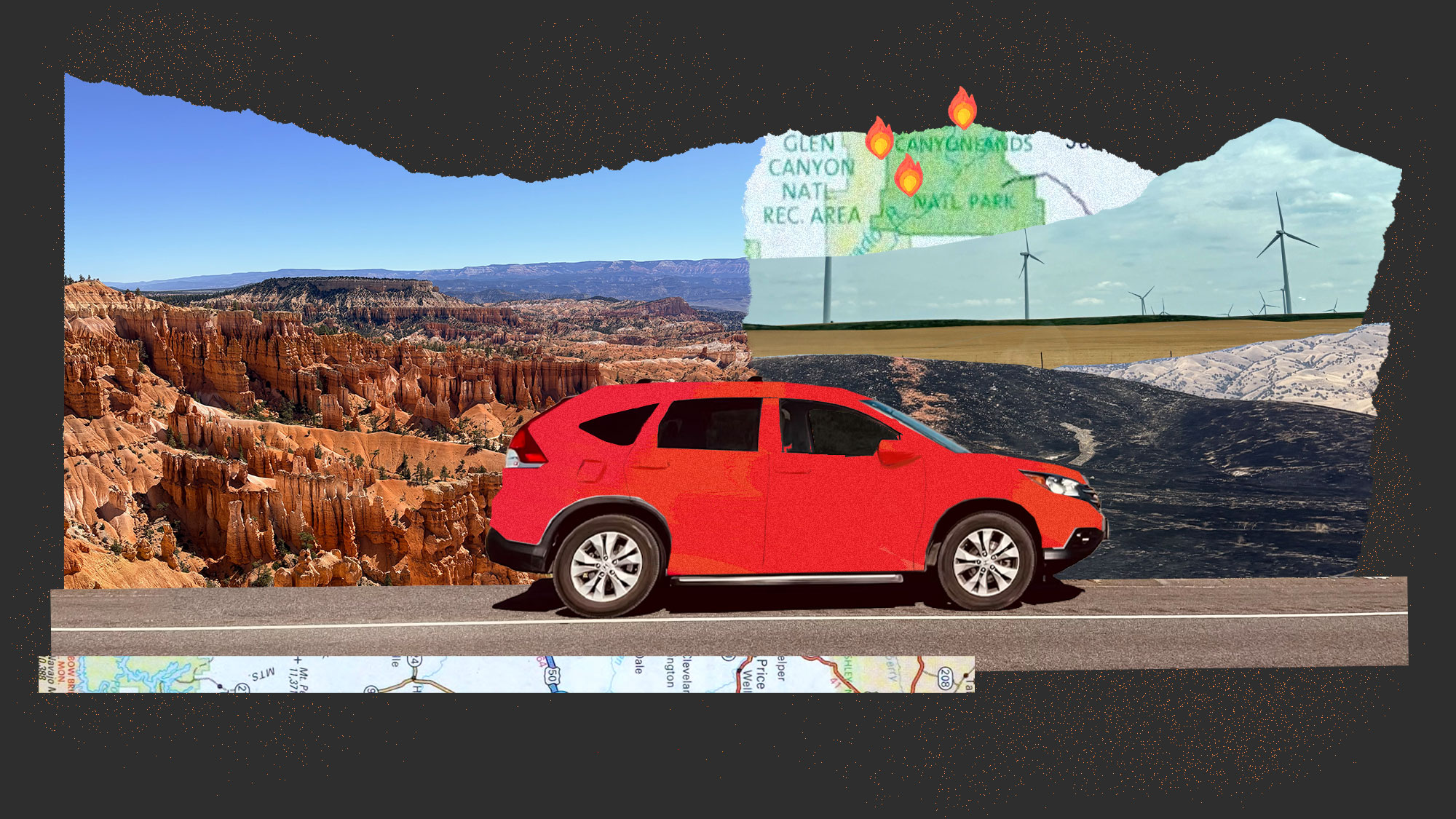
This chronicle explores how the traditional summer holiday has transformed into what scientists now call "danger season." Blending personal narrative with investigative observation, this report examines the expanding footprint of climate change across the American landscape, the stark metrics behind a dramatic surge in billion-dollar weather disasters, and the profound questions left in the wake of an altered natural world.
Detailed Chronology: A Journey Interrupted by Smoke and Flame
The reality of contemporary climate impacts struck less than a week into the journey. Seated in the lobby of a Utah hotel near Moab—the vibrant gateway city for Arches and Canyonlands national parks—the family huddled around an iPhone to map a safe route to Bryce Canyon.
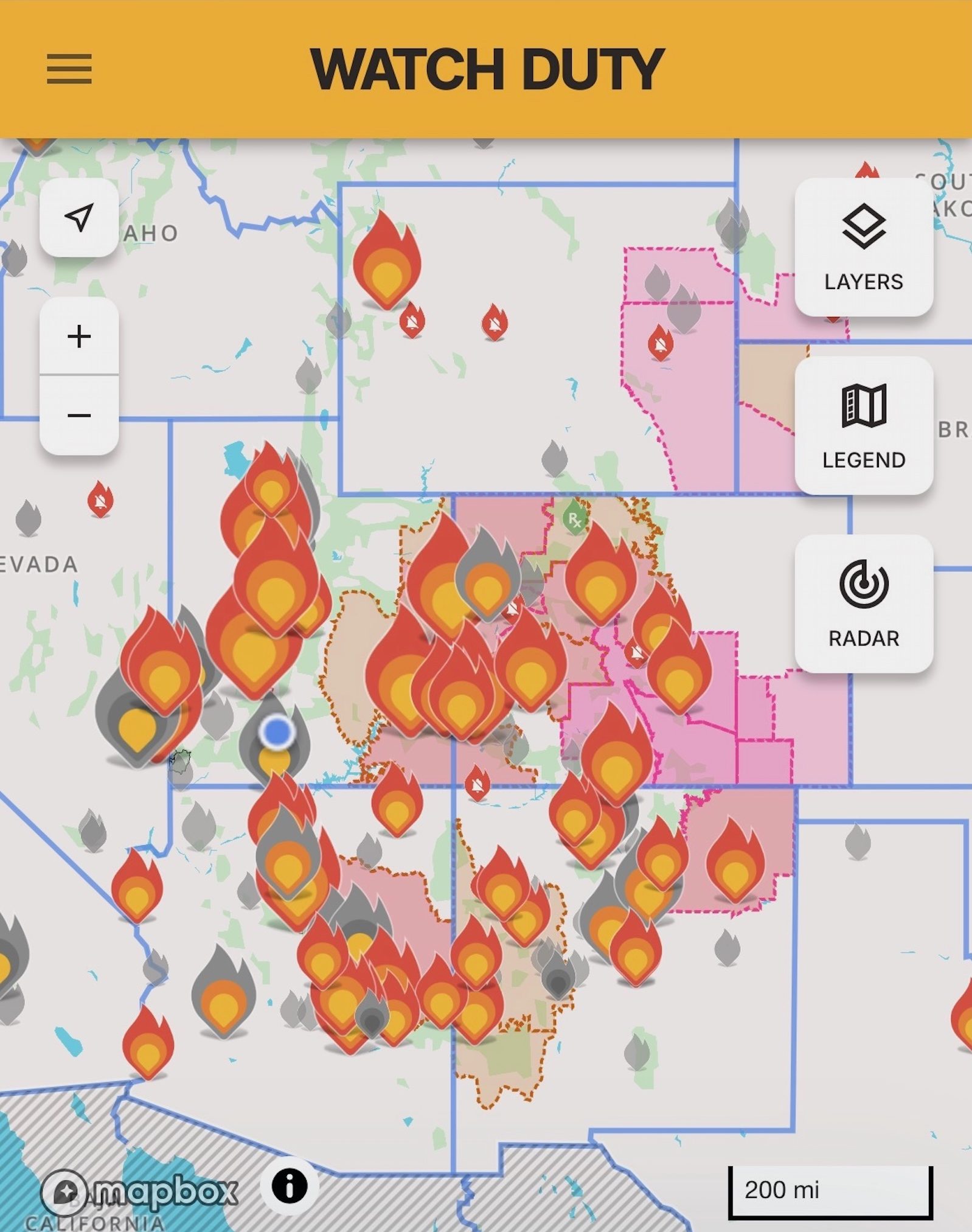
Utah was quite literally on fire. To the west, the Cottonwood Fire had already devoured 94,000 acres of forest and mountain communities, cementing its status as the largest active conflagration in the United States. To the east, the newly erupted Jones Fire near the ghost town of Cisco sent an ominous, gray-black plume towering over the flat horizon, clearly visible from their hotel room. Across the state, more than a dozen simultaneous wildfires turned the skies an apocalyptic orange and forced emergency road closures.
[Moab Base] ---> (Wildfires: Cottonwood & Jones) ---> [Route Optimization via Watch Duty App] ---> [N-95 Masks Secured]Consulting the real-time wildfire tracking app Watch Duty, the author, her husband, and childhood friends Jessie and her husband realized that primary transit arteries like Route 89 and Route 72 were directly threatened by creeping fire fronts. With their 12-year-old son staring anxiously at a screen littered with emergency fire symbols, the adults pivoted. While the children grabbed their bags, Jessie dashed to a local pharmacy to purchase a supply of N-95 respirators. The group ultimately chose a convoluted route along smaller state highways, trading travel time for safety.
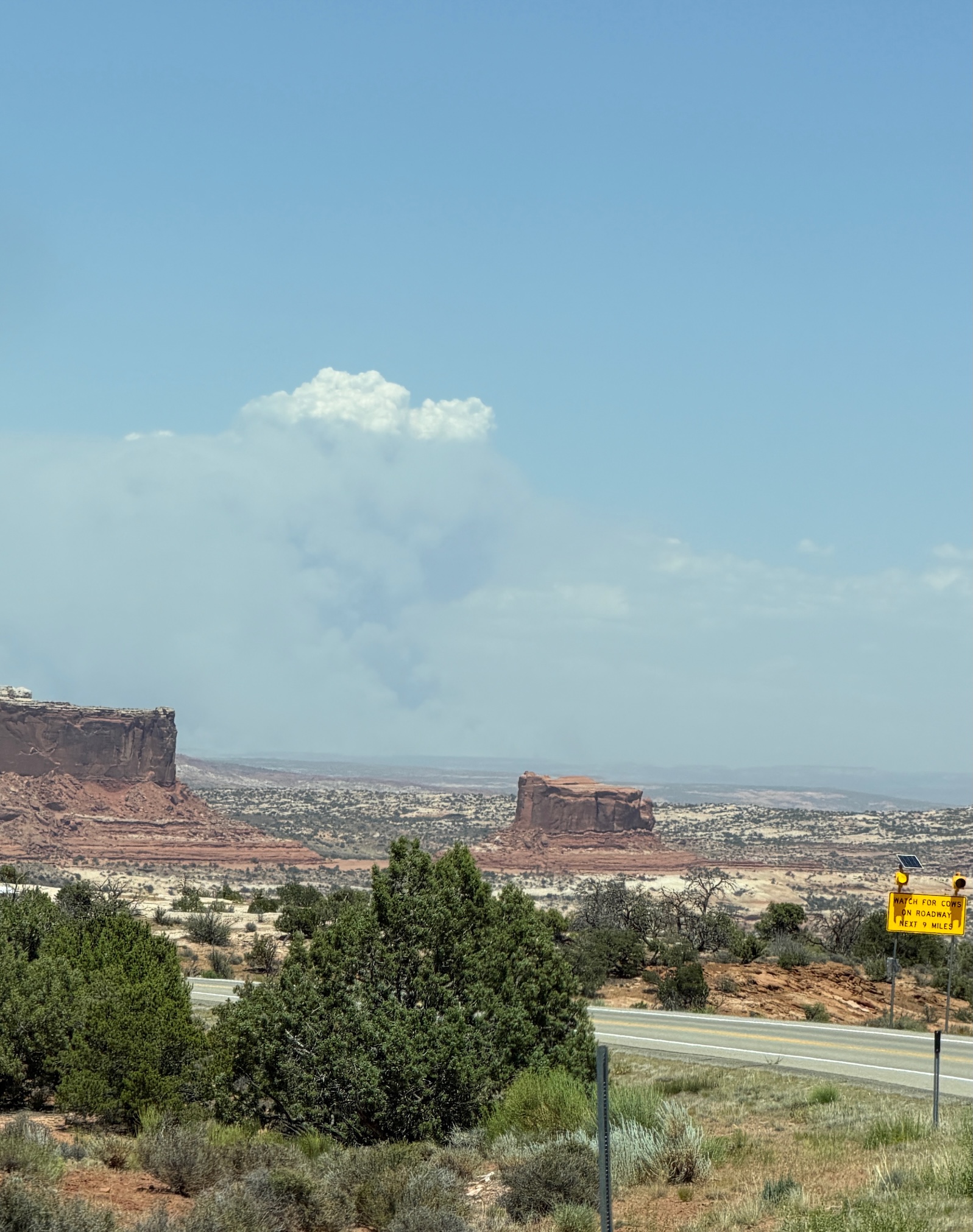
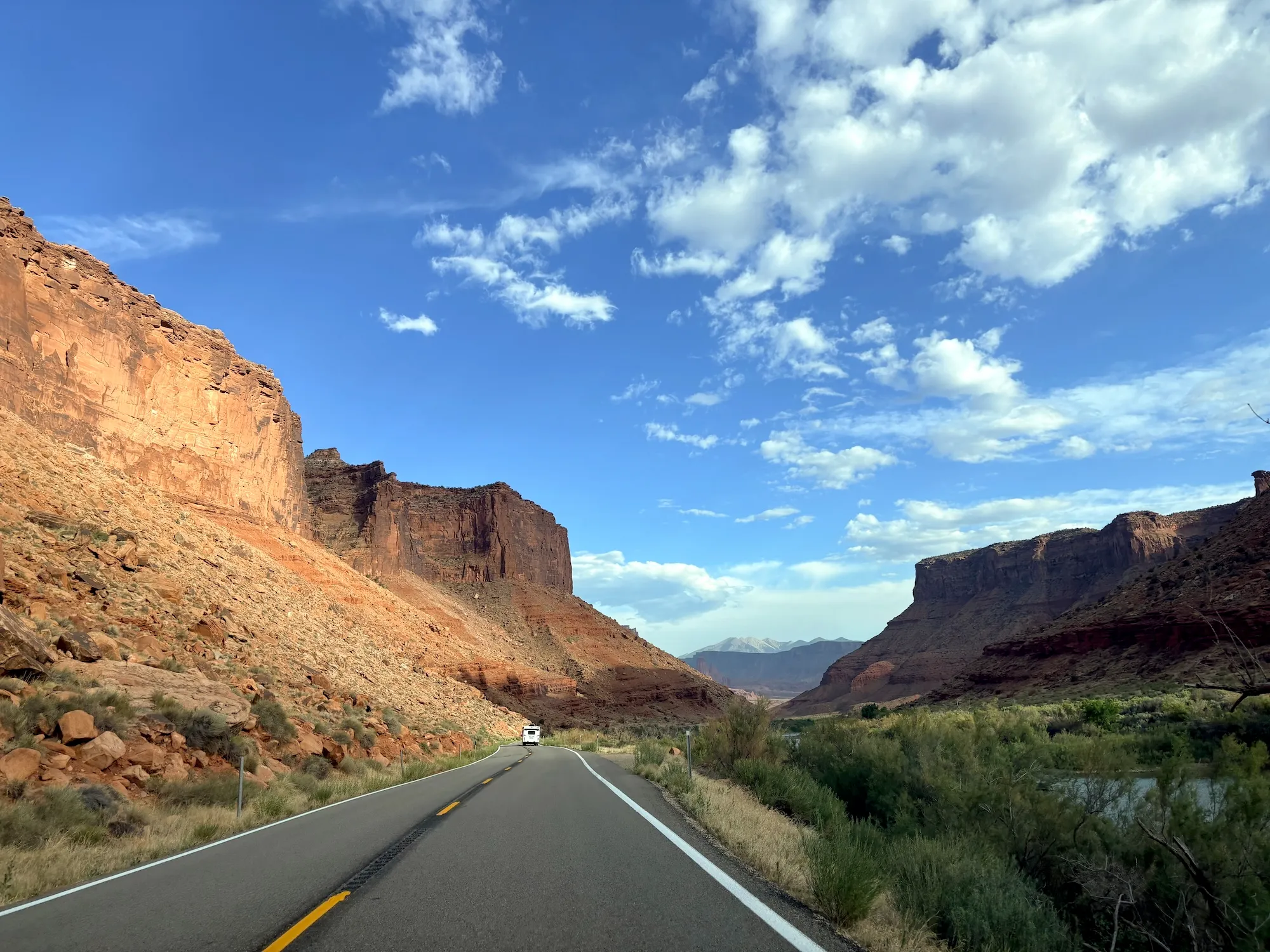
The itinerary adjustments proved prescient. Scarcely 24 hours after the family marveled at the plummeting red sandstone cliffs of Canyonlands National Park—where intense wind gusts had whipped hats from their heads—high-velocity winds supercharged the nearby Babylon Fire. Within hours, the blaze exploded from 300 acres to 16,000 acres, prompting the National Park Service to emergency-close the very area the family had just explored.
The Western Arc: From Bakersfield to the Sierra Nevadas
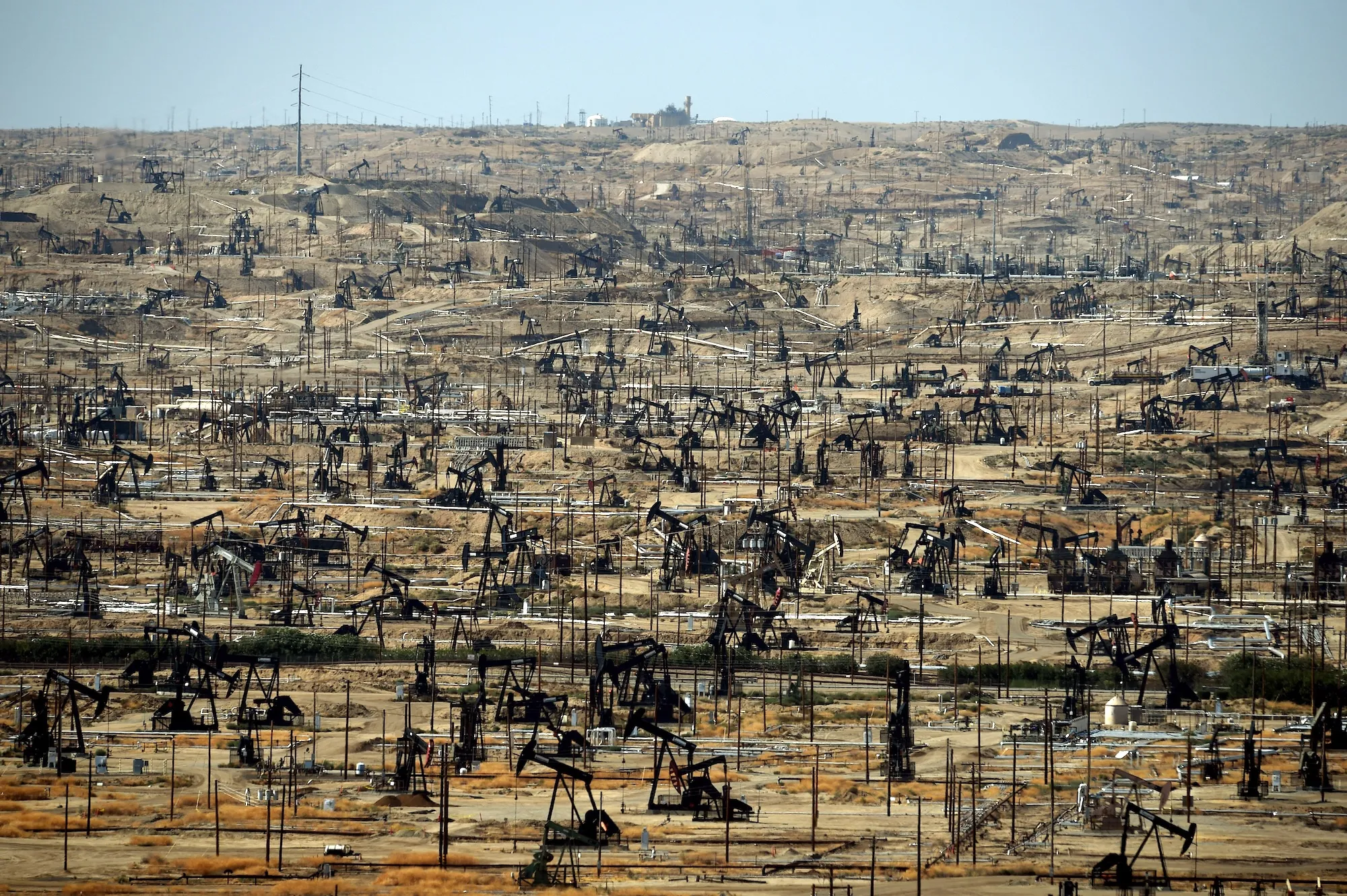
Following a Fourth of July stop in Las Vegas, the journey pushed further west toward California’s Central Valley. Passing through Bakersfield, the family witnessed the sprawling industrial footprint of the Kern River Oil Field. Endless rows of pumpjacks nodded rhythmically up and down, extracting fossil fuels from beneath the arid soil.
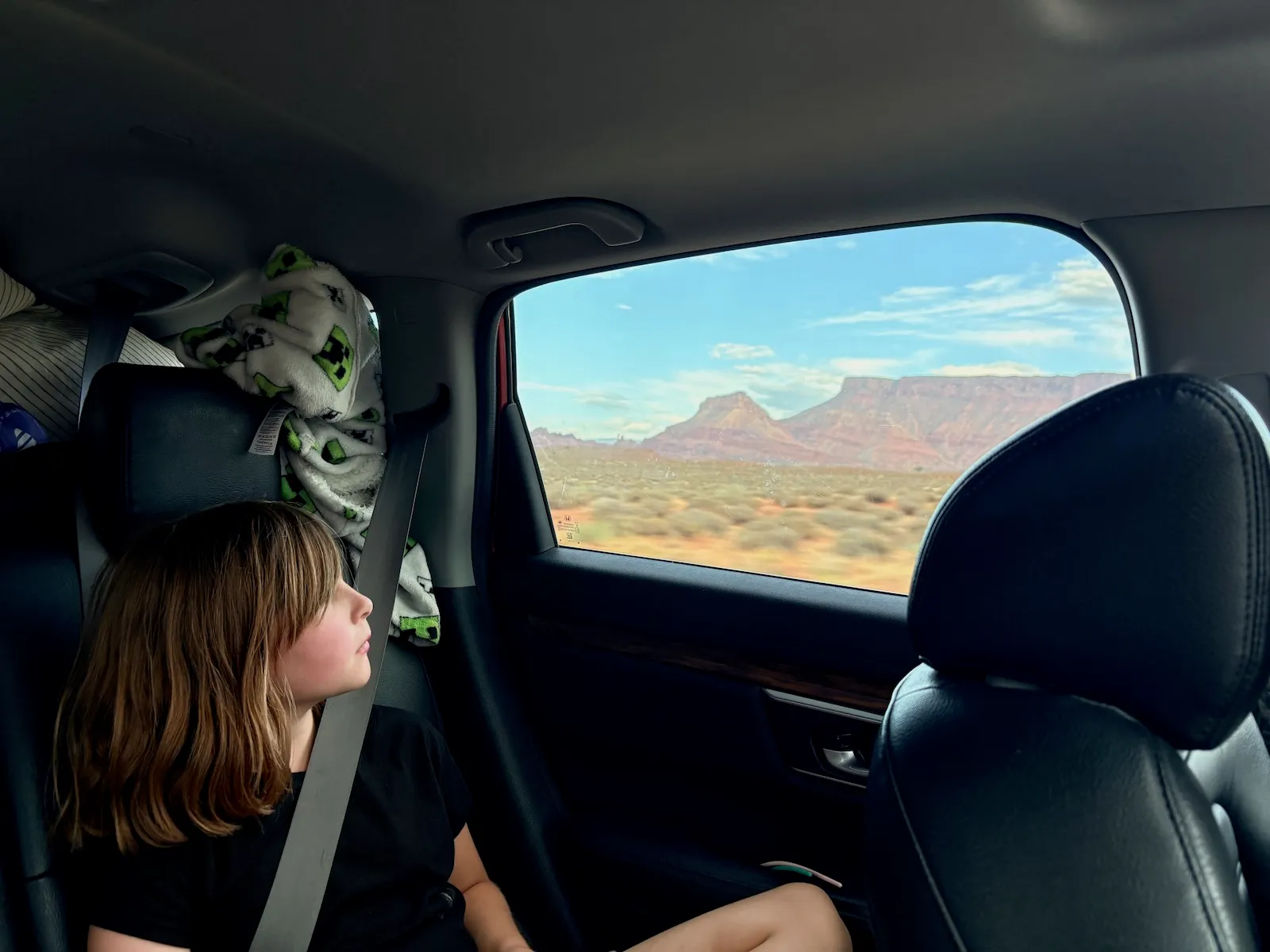
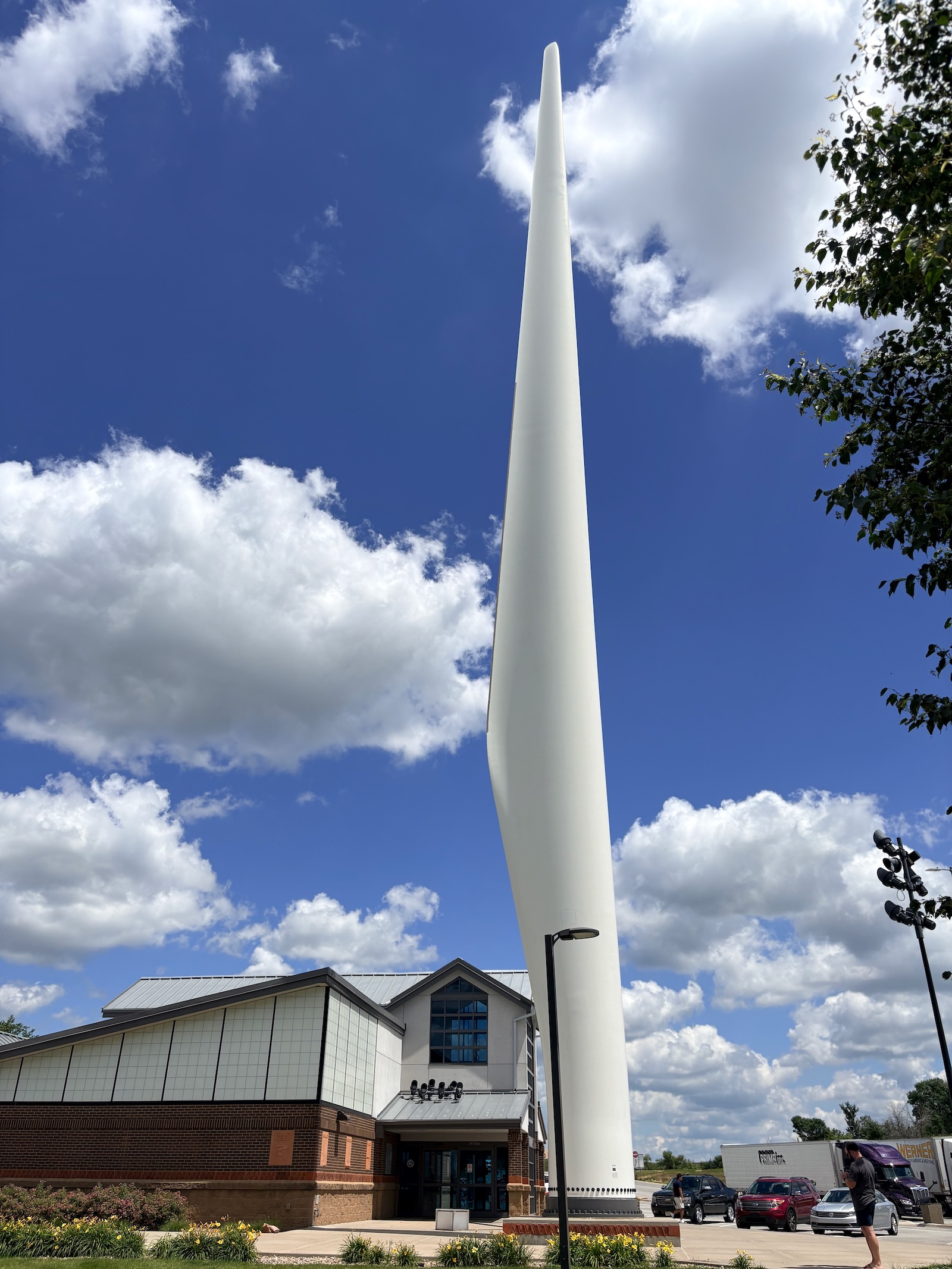
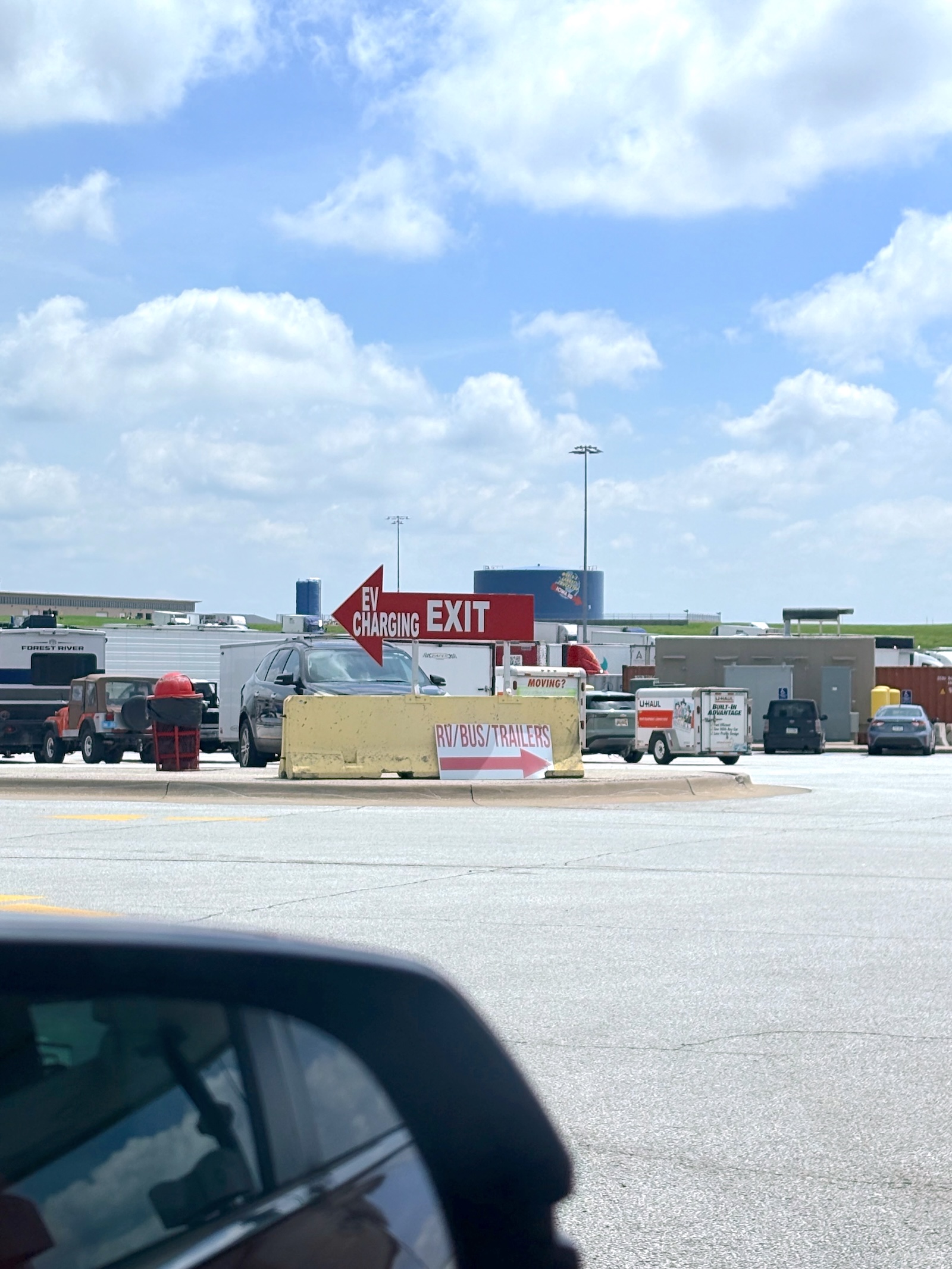
When the author’s nine-year-old daughter asked what the machines were doing to the ground, the answer highlighted a jarring juxtaposition. Just weeks earlier, the children had cheered for progress at wind-energy rest stops in Iowa and marveled at electric vehicle chargers at the "world’s largest truck stop." Now, they were confronting the heavy industrial machinery powering modern American life, observing firsthand the raw infrastructure of the energy economy.
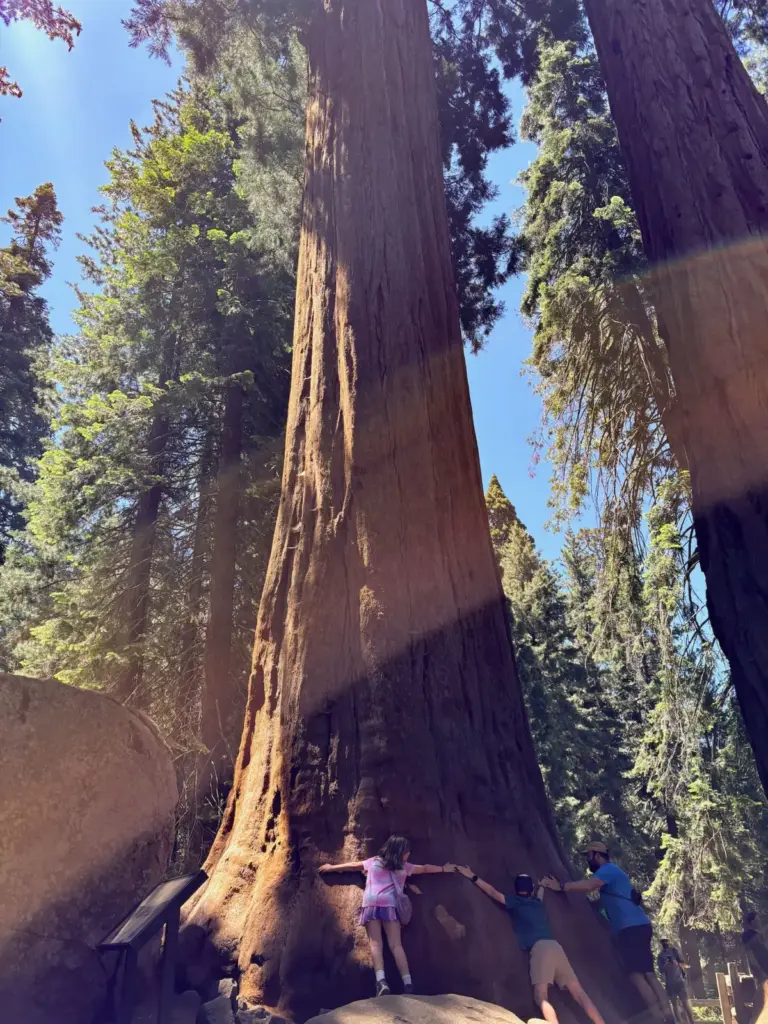
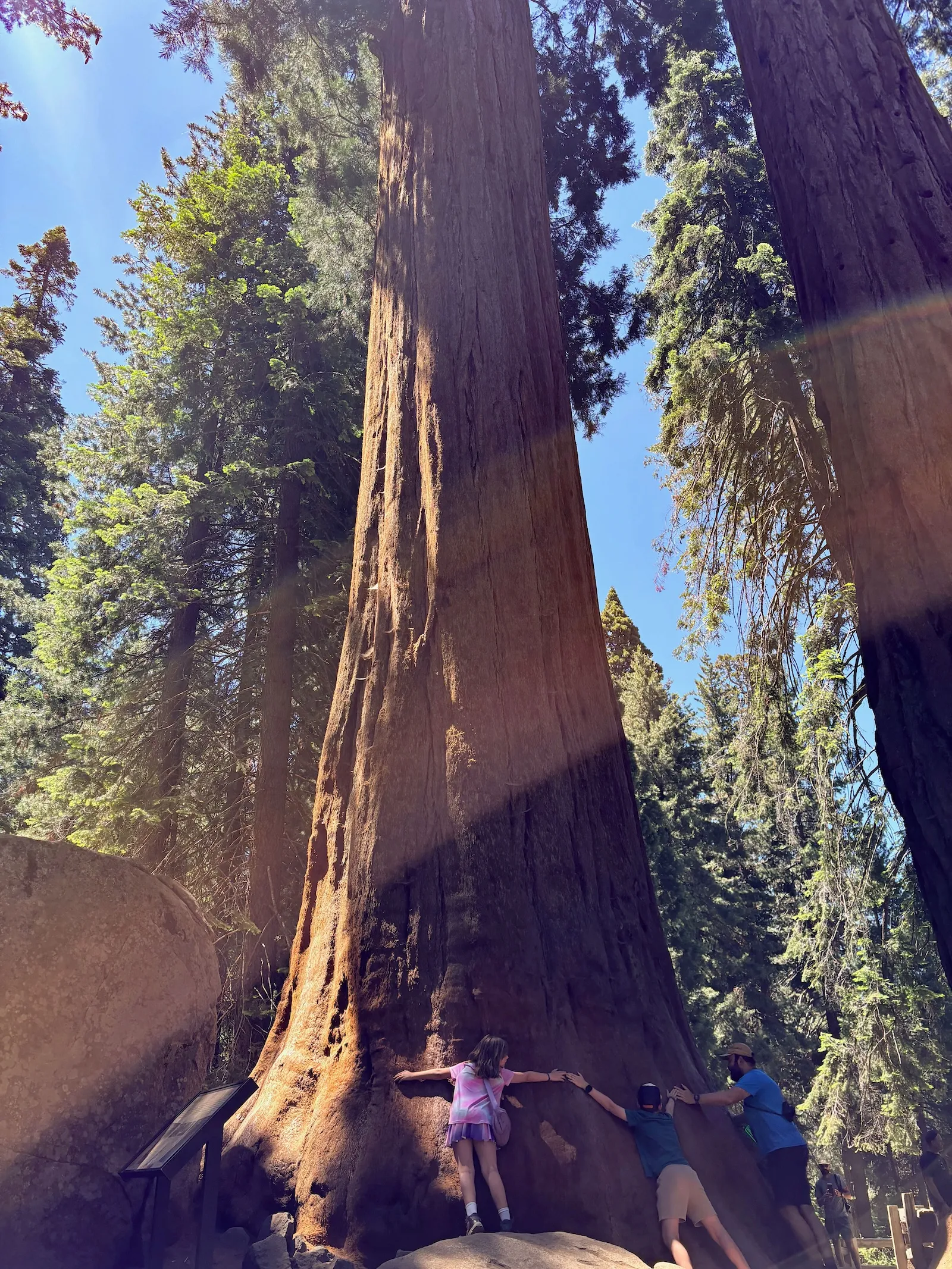
Ascending 5,000 feet over 16 winding miles into Sequoia and Kings Canyon National Parks, the atmosphere shifted dramatically. Stepping out into the Giant Forest, the family walked among thousand-year-old sequoias, including the iconic General Sherman tree. Yet even these ancient titans bore the scars of a changing climate. A cross-section of a felled sequoia displayed more than 2,200 years of growth rings, recording at least 80 historical fires. While low-intensity fires historically played a healthy role in clearing underbrush, the Sierra Nevadas have suffered an unprecedented onslaught: six massive wildfires between 2015 and 2021 alone, killing thousands of mature sequoias that measure four feet or more in diameter.
Supporting Context & Metrics: The Architecture of "Danger Season"
The chaotic conditions witnessed along the highway are not statistical anomalies; they represent a fundamental, quantifiable shift in North American climate patterns. For decades, the period spanning May through October has seen an intensification of extreme weather events across the United States. Recognizing this systemic shift, the Union of Concerned Scientists launched a campaign in 2022 to officially rebrand these months as "danger season."
The Surge in Billion-Dollar Disasters
Historical data compiled by the National Centers for Environmental Information (NCEI) illustrates an extraordinary escalation in catastrophic weather events:
- 1980–1989 Average: Just 3.3 billion-dollar weather disasters per year.
- 2015–2024 Average: More than a quintupling, averaging 19 billion-dollar disasters annually.
- Recent Years: The trend accelerated sharply, with 23 major billion-dollar events striking American communities in 2025, and another 12 events clearing the threshold by June 2026 alone.
| Decade / Year | Average Billion-Dollar Disasters (Annual) | Primary Drivers |
|---|---|---|
| 1980–1989 | 3.3 | Variable weather patterns, lower baseline temperatures |
| 2015–2024 | 19.0 | Prolonged droughts, severe wildfire seasons, intense flooding |
| 2025 | 23.0 | Widespread multi-state heat waves and mega-fires |
| 2026 (YTD June) | 12.0 (Already met) | Accelerated spring melt, early-season wildfire outbreaks |
Ecosystem Pressures Across the American West
The ecological toll documented during the 9,000-mile trip reflects peer-reviewed findings across multiple federal agencies:
- The Great Salt Lake: Agricultural water diversions and compounding drought have stripped the lake of an estimated 73 percent of its water volume and 60 percent of its surface area, transforming Antelope Island into a mainland peninsula and threatening regional air quality with toxic dust.
- Giant Sequoias: According to National Park Service assessments, more than 85 percent of all giant sequoia grove acreage across the Sierra Nevada burned in wildfires between 2015 and 2021—a stark contrast to the mere quarter of that acreage that burned over the preceding century.
- Glacial Retreat in Glacier National Park: Historic records maintained at the St. Mary Visitor Center show that the park supported approximately 150 glaciers in 1850. Today, sustained warming has reduced that count to just 26 active ice bodies.
Official Statements & Institutional Perspectives
Public land managers, conservation scientists, and polling organizations have increasingly sounded the alarm regarding the systemic vulnerability of American infrastructure and ecosystems.
"More than 85 percent of all giant sequoia grove acreage across the Sierra Nevada has burned in wildfires between 2015 and 2021, compared to only one quarter in the preceding century."
— National Park Service Official Assessment
Park rangers and interpretive guides throughout the itinerary reinforced these institutional findings. In Grand Teton National Park, where mid-July temperatures soared to 94 degrees Fahrenheit (13 degrees above the historical average), tour operators on Jackson Lake announced plans to shut down seasonal boating operations weeks ahead of schedule. Persistently low snowpack had reduced reservoir levels so drastically that navigation channels became impassable by mid-summer.
Tour guides routinely shared historical photographs with visitors, noting that landscape conditions typically observed in late August were now arriving as early as July. Similar narratives echoed through Yellowstone, where whitewater guides pointed out exposed utility lines and eroded riverbanks—the haunting remnants of historic flooding that devastated regional infrastructure in 2022.
Public sentiment mirrors these scientific observations. Recent data from a national Gallup poll reveals that nearly 4 in 10 Americans report their local communities suffered direct damage from extreme weather within the past year. Crucially, a significant segment of the population reported feeling "powerless to shape their own future" in the face of compounding environmental shocks, underscoring a growing psychological toll alongside physical destruction.
Future Outlook: What Lies Ahead for America’s Natural Heritage?
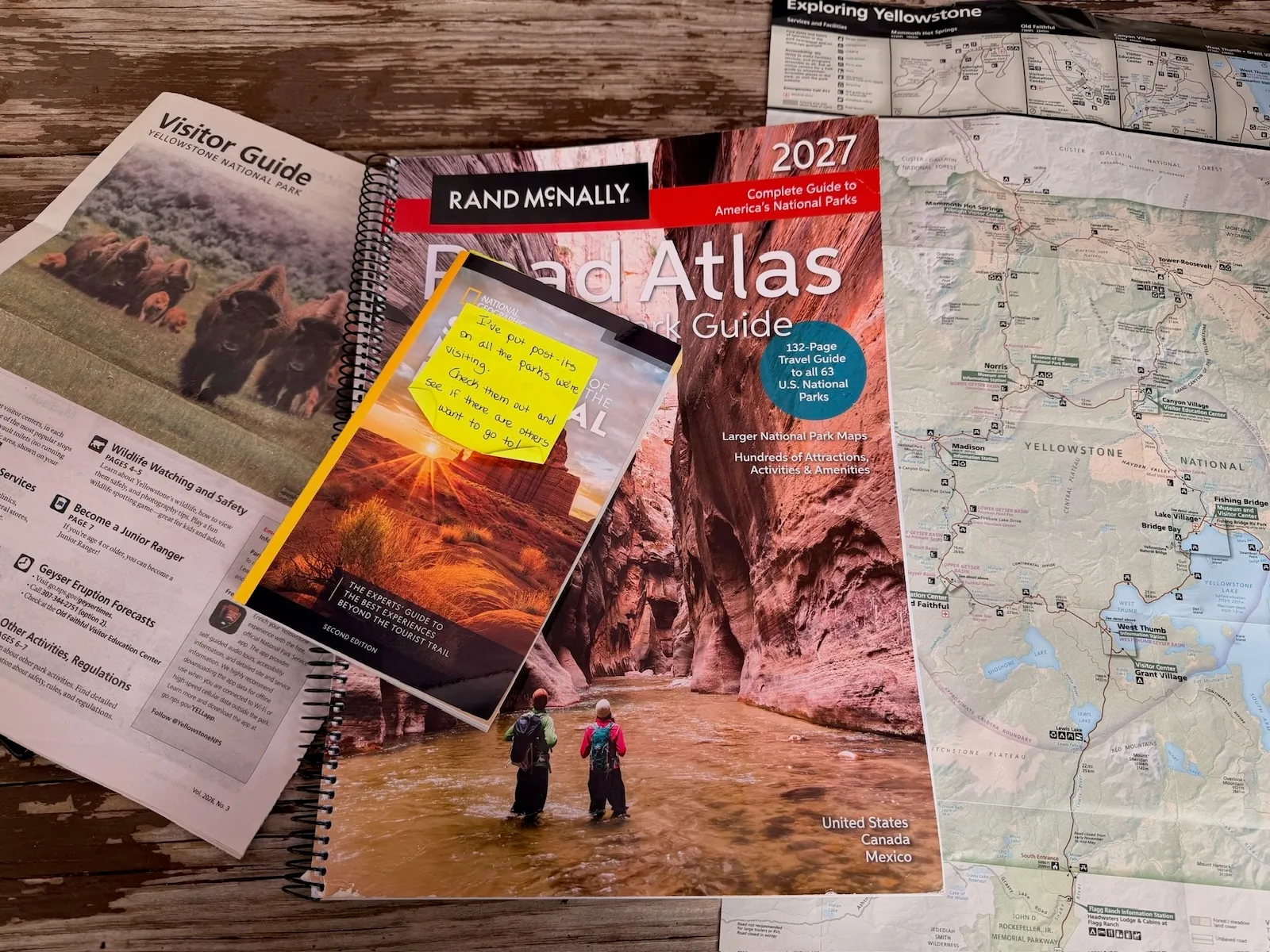
As the five-week expedition concluded and the family returned to New England, the psychological residue of the journey lingered. The trip had successfully instilled a profound appreciation for public lands, culminating in the children achieving official Junior Ranger status across all 14 visited parks after taking repeated oaths to "appreciate, respect, and protect all national park places."
Yet, a sobering question remains at the forefront: Will future generations be able to experience these landscapes in the same way?
The trajectory of climate change suggests that the American landscape will continue to transform rapidly. The traditional boundaries separating distinct seasonal hazards have dissolved into a continuous cycle of recovery and response. For national parks, this means proactive management strategies—such as prescribed burns, mechanical thinning, and watershed restoration—are no longer optional conservation measures; they are existential necessities.
Ultimately, the 9,000-mile journey served as a microcosm of a nation at a crossroads. Climate change is no longer a distant abstraction confined to academic journals or televised news broadcasts; it is an inescapable reality woven into the fabric of daily life, travel, and recreation. Whether future families will walk among living sequoias, view active glaciers, or navigate pristine mountain lakes will depend entirely on society’s collective willingness to confront the root causes of a warming planet before the beauty of the American wilderness is lost to the flames of inaction.