

Executive Overview
Industrial hemp has evolved significantly from its early modern perception. Since the landmark passage of the 2018 Farm Bill—which federally decoupled hemp from its cannabis cousin and legally defined it as an agricultural commodity containing less than 0.3% THC—farmers across Pennsylvania and the broader United States have raced to integrate the crop into their rotations. Initially championed for its durable bast fibers and sought after for cannabidiol (CBD) extracts, hemp is now carving out a lucrative, high-potential niche as a grain crop.
Hemp grain is an extraordinary agricultural product. It is a nutrient-dense seed packed with approximately 27% complete protein, 25% fatty-acid-rich oil, 22% dietary fiber, and 20% carbohydrates, alongside an array of vital vitamins and minerals. Yet, despite surging demand from health-conscious consumers and commercial food processors, producing hemp for grain consistently, profitably, and sustainably remains a formidable challenge. Yields can fluctuate dramatically, swinging wildly from a few hundred pounds to well over a thousand pounds per acre depending on weather events, geographic microclimates, seed varieties, and soil management practices.
To bridge this knowledge gap, the world-renowned Rodale Institute—a global leader in regenerative organic agriculture—has partnered with the United States Department of Agriculture’s Agricultural Research Service (USDA-ARS) in Wyndmoor, Pennsylvania. Together, they are spearheading a pioneering, multi-year field trial running from 2024 through 2027. Funded by the U.S. Department of Agriculture and administered via the Commonwealth Specialty Crop Block Grant Program through the Pennsylvania Department of Agriculture, this research project investigates how targeted cover cropping systems can optimize grain hemp yields, maximize nutritional profiles, and naturally enhance soil health without relying on heavy synthetic chemical inputs.
Detailed Chronology: The Evolution of the 2024–2027 Field Trials
The quest to optimize grain hemp production did not begin overnight; it is the culmination of years of iterative soil science and agricultural trial-and-error.
The Foundation and Setup (2024–2025)
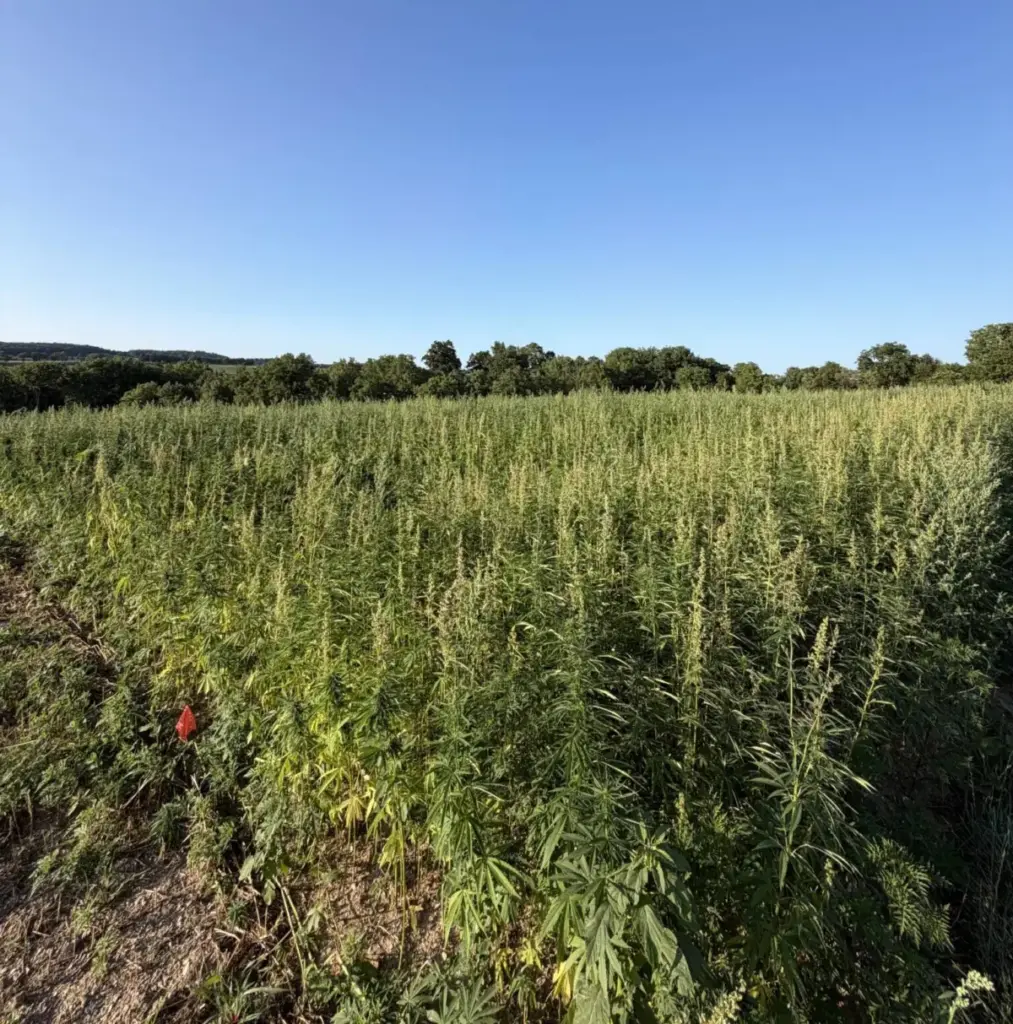
As the project commenced in 2024 at Rodale Institute’s sprawling Kutztown, Pennsylvania campus, researchers established a rigorous, randomized complete block design to study the impacts of various agronomic strategies. The core of the trial centers on evaluating four distinct cover crop management treatments established prior to planting:
- No cover crop (the traditional baseline control).
- Triticale alone (a high-biomass cereal grass known for carbon sequestration and weed suppression).
- Hairy vetch alone (a nitrogen-fixing legume capable of naturally enriching the soil profile).
- A triticale-hairy vetch binary mix (combining the structural biomass of grass with the nitrogen-fixing power of a legume).
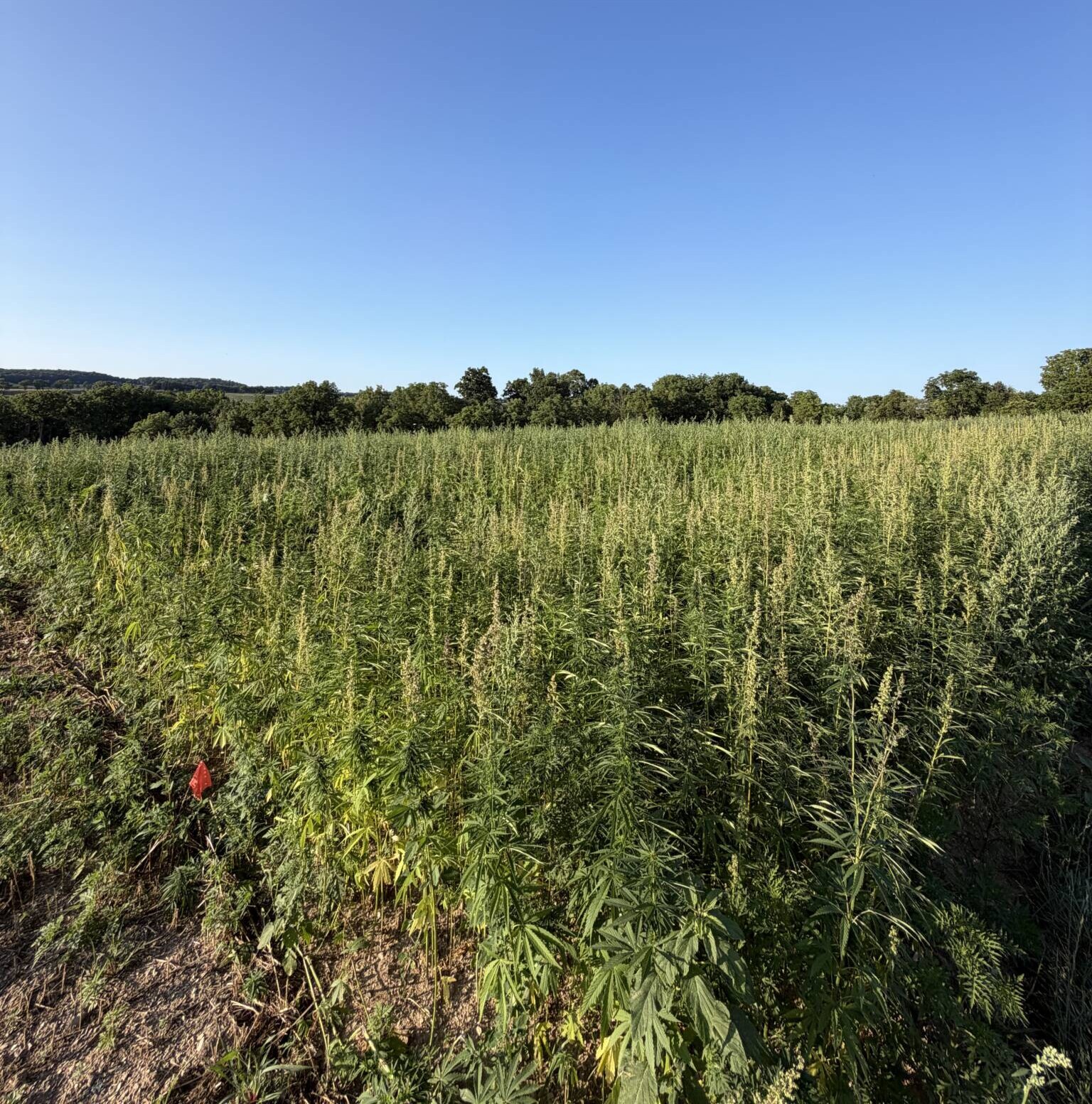
Following the termination of these cover crops, researchers planted two prominent grain hemp varieties—CFX-2 and Indigo—at a uniform seeding rate of 40 pounds per acre. To ensure statistical validity, each of the eight total treatment combinations was replicated four times across meticulously measured 20-foot-by-60-foot research plots.
Mid-Project Milestones and the 2026 Field Day
By 2026, the trial entered its critical second full year of data collection and public demonstration. On July 17, 2026, Rodale Institute hosted its flagship Organic Field Day at the Kutztown campus. The event drew approximately 500 visitors, including regional farmers, agronomists, policy makers, and food industry stakeholders. Attendees had the unique opportunity to tour the experimental hemp plots, observe the physical differences between the CFX-2 and Indigo varieties under various cover crop regimes, and engage directly with the scientific team.
Throughout this timeline, the collaborative research team has been meticulously tracking data points across multiple agricultural layers: monitoring soil nutrient fluxes, analyzing plant tissue chemistry, quantifying weed suppression efficiency, and documenting root-zone microbial dynamics.
Supporting Context & Metrics: Beneath the Surface of Regenerative Hemp
To fully grasp the significance of the Rodale-USDA partnership, one must examine the complex biological and nutritional mechanics at play in regenerative organic systems.
Nutritional Density and the Search for Ergothioneine
The commercial viability of hemp grain hinges on its chemical composition. Beyond its macronutrient breakdown—featuring 27% protein containing all eight essential amino acids required by the human body daily, and a 25% oil fraction rich in omega-3 and omega-6 fatty acids—researchers are pushing the boundaries of nutritional analysis.
In this multi-year study, the harvested grain is undergoing state-of-the-art laboratory testing to map its complete micronutrient, mineral, and fatty acid profiles. Most notably, researchers are screening the seeds for ergothioneine—a rare, naturally occurring antioxidant amino acid associated with neuroprotection and reduced risk of neurodegenerative conditions like Alzheimer’s disease. Historically, ergothioneine has never been systematically measured in industrial hemp grain. Discovering whether regenerative cover-cropping practices can elevate the concentration of this rare antioxidant could transform hemp seed from a standard health food into a functional, medicinal superfood.
The Underground Ally: Arbuscular Mycorrhizal Fungi (AMF)
A primary focus of the research involves investigating the hidden half of the ecosystem: the root zone. Partnering with USDA-ARS, Rodale Institute scientists are analyzing arbuscular mycorrhizal fungi (AMF). These beneficial soil microorganisms form symbiotic relationships with plant roots, effectively extending the plant’s root network to scavenge for water and immobile nutrients like phosphorus far more efficiently than roots could manage alone.
In broader agricultural studies, robust AMF colonization has been shown to boost crop yields by an average of 15% while simultaneously enhancing plant resistance to environmental stressors such as drought and disease. Previous preliminary studies conducted by Rodale Institute on fiber hemp varieties revealed astonishingly high fungal root colonization rates ranging from 37% to 54% (with the MS 77 fiber variety exhibiting the peak colonization rate).
However, prior to this trial, almost nothing was known about how AMF interacts with grain-specific hemp varieties, nor how different cover crop predecessors influence these fungal networks. By evaluating how winter cover crops like triticale and hairy vetch stimulate or suppress soil biology, the research aims to harness these microscopic allies to naturally supercharge hemp plant health.
The Regenerative Dilemma: Synthetic vs. Biological Inputs
Conventional agriculture often relies heavily on synthetic nitrogen, phosphorus, and potassium fertilizers to drive crop yields. While effective in the short term, heavy synthetic inputs can degrade soil structure, leach into local watersheds, and foster long-term dependency. Regenerative organic agriculture flips this script by utilizing cover crops to build living soil armor, reduce erosion, sequester atmospheric carbon, fix natural nitrogen, and cultivate a thriving, resilient soil microbiome.
The central metric of success for the Rodale-USDA trial is not merely maximizing gross tonnage per acre, but doing so in a way that proves regenerative methods can match or exceed conventional productivity while simultaneously improving the ecological health of the land.
Official Statements & Expert Perspectives
The transition of industrial hemp into a mainstream, high-performing commodity requires practical, field-tested guidance that resonates with the everyday realities of farming communities.
Dr. Dinesh Panday, Industrial Hemp Researcher and Soil Scientist at Rodale Institute, emphasizes the pragmatic philosophy driving the initiative:
"There is a real need for practical guidance on how to grow hemp grain successfully in organic systems," Dr. Panday noted. By prioritizing management practices that are economically viable, ecologically sound, and easily accessible to independent growers—rather than pushing costly synthetic fertilizer regimes—the research team aims to supply agricultural producers with science-backed options that safeguard both their immediate financial harvest and their long-term soil vitality.
Project administrators have designed the outreach pipeline to ensure that the findings do not remain trapped inside academic journals. The initiative is explicitly tailored to support Pennsylvania’s specialty crop community, with a specialized focus on empowering beginning, small-scale, and historically underserved farmers looking to diversify their income streams with a novel, high-value enterprise.
Through a combination of peer-reviewed publications, extension bulletins, interactive webinars, hands-on workshops, and major public events like the Organic Field Day, the project is projected to directly reach and educate approximately 500 agricultural producers and regional stakeholders over its lifespan.
Future Outlook: From Soil to Plate
As the research timeline progresses toward its culmination in 2027, the implications of the Rodale Institute and USDA-ARS partnership extend far beyond the borders of Kutztown, Pennsylvania.
Building a Resilient Specialty Crop Supply Chain
The ultimate objective of the 2024–2027 field trial is clear and unambiguous: help farmers grow more grain hemp, with superior nutritional qualities, using regenerative practices that build up soil health rather than depleting it.
As industrial hemp solidifies its status as a permanent fixture in modern American agriculture, establishing a stable, standardized, and sustainable supply chain is paramount. Food manufacturers, milling operations, and retail brands require consistency in volume, protein content, and seed cleanliness. By establishing clear agronomic best practices—such as determining whether a triticale-hairy vetch mix truly delivers the optimal nitrogen-and-biomass precursor for varieties like CFX-2 and Indigo—this research provides the missing operational manual for commercial grain hemp production.
Looking Beyond 2027
Following the completion of data analysis in 2027, the findings will be disseminated across regional, national, and global agricultural platforms. Researchers intend to present their empirical findings at major agronomic conferences, publish comprehensive extension guides for state and federal agricultural agencies, and release open-access papers detailing the nuanced interactions between cover crops, root-zone mycorrhizal fungi, and hemp seed nutritional profiles.
Ultimately, this pioneering research demonstrates that the future of agriculture lies in systems thinking. By nurturing the biological web beneath our feet—fostering beneficial fungi, harnessing cover crops, and eliminating chemical shortcuts—farmers can cultivate crops that are not only more abundant and nutritious, but restorative to the planet. From the living soils of Pennsylvania to the food on consumers’ plates, the Rodale Institute and USDA are paving the way for a truly regenerative future for industrial hemp.
This project is generously funded by the U.S. Department of Agriculture and administered by the Commonwealth Specialty Crop Block Grant Program through the Pennsylvania Department of Agriculture.



