Executive Overview
Nestled at the southernmost edge of the Australian continent, the island state of Tasmania has quietly transformed itself into a global powerhouse for sustainable tourism and environmental preservation. Far removed from the frenetic pace of modern urbanization, this rugged and isolated landmass offers an extraordinary mosaic of ancient temperate rainforests, dramatic coastlines, alpine plateaus, and thriving endemic ecosystems.
Yet, Tasmania’s true distinction today lies not merely in its visual splendor, but in its fierce commitment to safeguarding it. While global tourism hubs increasingly grapple with the detrimental impacts of over-tourism and environmental degradation, Tasmania has charted an alternative course. By embedding rigorous ecological stewardship, community-led conservation, and low-impact travel principles into the very DNA of its visitor economy, the island has established a blueprint for responsible travel.
This comprehensive report examines how Tasmania balances economic vitality with environmental protection. We explore the structural frameworks driving its ecotourism sector, highlight premier wilderness and wildlife experiences, analyze the socio-economic dividends of sustainable travel, and outline the strategic roadmap ensuring this southern sanctuary remains pristine for generations to come.
Detailed Chronology: The Evolution of Tasmania’s Conservation Identity
To understand Tasmania’s modern reputation as an ecotourism capital, one must examine the historical milestones that shaped its environmental consciousness. The island’s journey from a resource-extraction economy to a sanctuary for preservation is defined by hard-fought battles, legislative shifts, and a collective cultural awakening.
1. The Pre-Colonial and Early Settler Eras
For tens of thousands of years, the Palawa (Tasmanian Aboriginal) people managed the island’s landscapes through sophisticated, sustainable fire regimes and cultural practices, living in deep harmony with its fragile ecosystems. Following European settlement in the early 19th century, however, Tasmania’s vast natural wealth became a target for timber harvesting, mining, and extensive land clearing. For generations, the economy was heavily tethered to resource exploitation, with little consideration given to long-term ecological consequences.
2. The Franklin Dam Controversy (Late 1970s – Early 1980s)
The defining crucible of modern Tasmanian conservation occurred during the proposed damming of the Franklin River in the Southwest wilderness. What began as local environmental activism quickly escalated into one of Australia’s largest civil disobedience movements, culminating in blockades and national political friction. In 1983, the High Court of Australia ruled to halt the dam’s construction, a landmark victory that not only saved a world-class wilderness river but galvanized the global environmental movement. This pivotal moment shifted public perception, cementing the value of Tasmania’s wild places in the national consciousness.
3. Institutionalization of Ecotourism (1990s – 2000s)
As industrial resource jobs faced structural decline, Tasmania’s policymakers and visionary entrepreneurs recognized that the island’s greatest economic asset was its untouched wilderness. The 1990s saw the formal conceptualization of ecotourism on the island. Rather than mass-market resort development, the state began fostering small-scale, nature-based operators who prioritized minimal environmental impact. The creation of the Tasmanian Wilderness World Heritage Area—spanning over 1.5 million hectares—provided a protected geographical backbone for this emerging philosophy.
4. Modern Policy and Recognition (2010s – Present)
In recent years, Tasmania has codified its commitment to sustainability through strategic tourism master plans and rigorous certification processes. Collaborating closely with agencies like Ecotourism Australia and local groups, the state has championed carbon-neutral travel initiatives, strict wildlife protection protocols, and community-integrated tourism frameworks. Today, Tasmania routinely collects accolades at national tourism awards, solidifying its status as an international benchmark for responsible travel.
Supporting Context & Metrics: The Anatomy of Tasmania’s Wilderness
Tasmania covers an area of approximately 68,401 square kilometers, yet nearly 40% of its landmass is formally protected within national parks, reserves, and World Heritage areas. This high concentration of preserved wilderness provides a living laboratory for ecological research and sustainable tourism management.

Key Geographical and Ecological Pillars
- The Tasmanian Wilderness World Heritage Area (TWWHA): Encompassing over 20% of the island, the TWWHA is one of the world’s last vast temperate wilderness tracts. It meets seven of the ten possible UNESCO World Heritage criteria—a rare distinction shared only by a handful of global sites, including Machu Picchu and the Great Barrier Reef.
- Freycinet National Park: Located on the east coast, this park is internationally renowned for its striking pink granite hazards (the Hazards mountains), pristine white-sand beaches, and the crescent-shaped perfection of Wineglass Bay. Despite high visitor interest, strict zoning and boardwalk management protect its fragile coastal dunes.
- Tasman National Park: Situated on the dramatic southeastern coast, this area features some of Australia’s highest sea cliffs, dolerite columns, and rich marine ecosystems that support migrating whales, fur seals, and sea birds.
Socio-Economic Impact Metrics
Sustainable tourism in Tasmania is not merely an ethical choice; it is an economic engine. According to state tourism data:
- Regional Employment: Nature-based tourism directly and indirectly supports thousands of jobs across rural and remote communities, injecting capital into areas that traditionally relied on volatile commodity markets.
- Operator Compliance: Over 70% of Tasmania’s premier multi-day trekking and tour operators maintain formal ecotourism or sustainability certifications, ensuring peer-reviewed accountability in waste reduction, energy efficiency, and cultural interpretation.
- Conservation Contributions: A percentage of visitor park-pass fees and commercial tour licensing revenues are reinvested directly back into national park maintenance, invasive species eradication, and endangered species rehabilitation programs.
Official Statements & Expert Perspectives
The transition toward absolute ecological responsibility requires continuous dialogue between government agencies, conservation scientists, and tourism leaders.
Dr. Elena Vance, a senior conservation biologist specializing in island ecosystems, emphasizes the delicate balance required in managing high-value natural assets:
"Tasmania possesses evolutionary lineages found nowhere else on Earth. When visitors walk through our ancient Gondwanan rainforests or observe endemic fauna, they are interacting with living history. Ecotourism acts as a protective shield; when managed correctly, it transforms tourists into financial stakeholders in conservation. People fight to protect what they have learned to love and understand."
Echoing this sentiment, Marcus Thorne, director of a prominent Tasmanian eco-lodge network, highlights the industry’s shift toward regenerative practices:
"We have moved past the era where sustainability simply meant ‘leaving no trace.’ Today, responsible travel in Tasmania asks operators to leave places better than they found them. Whether through habitat restoration projects, supporting local Indigenous custodianship, or sourcing 100% of provisions within a 50-mile radius, our goal is to ensure tourism heals rather than extracts."
State tourism officials have continuously reinforced that volume will never supersede value. Strategic marketing campaigns deliberately target conscientious travelers—those prepared to respect strict biosecurity protocols, adhere to "Leave No Trace" principles, and engage meaningfully with local communities rather than seeking superficial sightseeing.
Top Ecotour Experiences in Tasmania
For travelers eager to immerse themselves in Tasmania’s natural splendor responsibly, a diverse array of curated ecotours and independent itineraries cater to varying activity levels and interests.
+-----------------------------------------------------------------------------------+
|                        TASMANIAN ECOTOURISM MATRIX                                |
+--------------------------+-----------------------------+--------------------------+
| Experience Category      | Primary Location            | Conservation Focus       |
+--------------------------+-----------------------------+--------------------------+
| Coastal Trekking         | Freycinet Peninsula         | Dune preservation &      |
|                          |                             | wildlife corridor safety |
+--------------------------+-----------------------------+--------------------------+
| Geological Exploration   | Tasman National Park        | Coastal erosion study &  |
|                          |                             | marine life protection   |
+--------------------------+-----------------------------+--------------------------+
| Wildlife Rehabilitation  | East Coast Natureworld      | Tasmanian Devil captive  |
|                          |                             | breeding & disease       |
|                          |                             | research                 |
+--------------------------+-----------------------------+--------------------------+
| Remote Wilderness Hiking | South Coast Track           | Low-impact wilderness    |
|                          | (TWWHA)                     | immersion & trail        |
|                          |                             | hardening                |
+--------------------------+-----------------------------+--------------------------+
1. Freycinet and Coastal Walking Trails
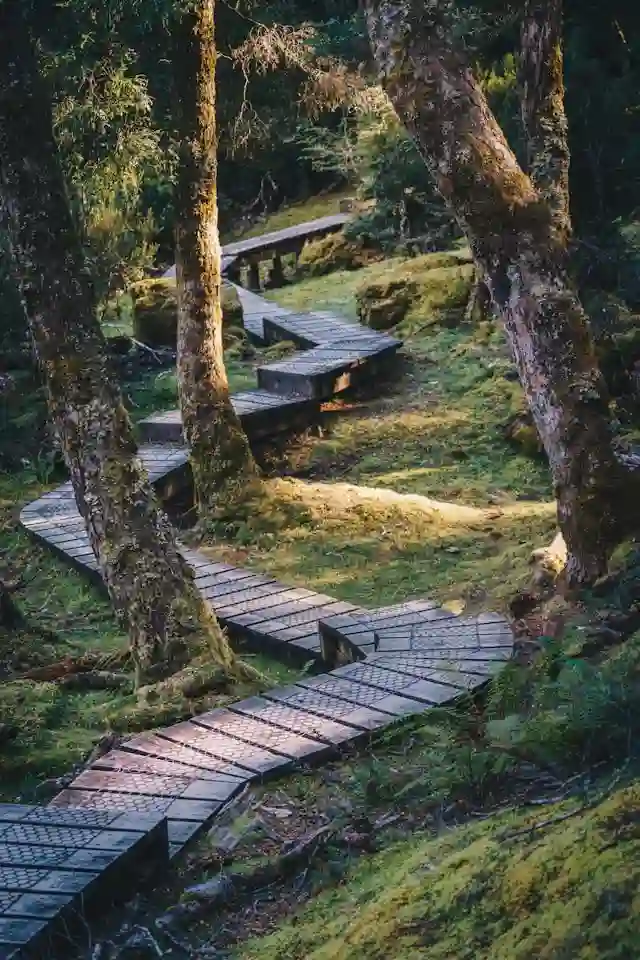
The Freycinet Peninsula offers an unmatched blend of granite peaks and azure waters. Guided walking tours in this region focus heavily on education, teaching visitors about native flora like the silver banksia, coastal bird nesting habits, and the geological forces that carved out Wineglass Bay. Operators utilize established paths and boardwalks to prevent soil compaction and protect delicate coastal lichen communities.

2. National Park Adventures along the Tasman Peninsula
At Tasman National Park, travelers encounter staggering vertical sea cliffs plunging into the Southern Ocean. Guided expeditions here emphasize marine ecology—exploring the migratory patterns of humpback whales and southern right whales, observing Australian fur seal colonies, and interpreting the complex rock formations created by millions of years of wave action.
3. Wildlife Encounters and Conservation Education
No trip to Tasmania is complete without encountering its unique fauna. Facilities such as East Coast Natureworld provide vital sanctuary spaces where visitors can observe iconic species—most notably the endangered Tasmanian Devil—while learning firsthand about the devastating impacts of Devil Facial Tumor Disease (DFTD). Ethical wildlife tours ensure animals are never exploited for entertainment, focusing instead on rehabilitation, scientific research, and public education.
4. Remote Wilderness Hiking: The South Coast Track
For the dedicated adventurer, multi-day expeditions along paths like the South Coast Track offer total isolation within the Tasmanian Wilderness World Heritage Area. These treks require rigorous adherence to self-sufficiency and low-impact protocols. Walkers carry out all waste, utilize designated camping zones to protect button-grass plains, and experience firsthand the profound silence of undisturbed ancient forests.
Future Outlook: Challenges and Sustainable Horizons
As Tasmania looks toward the middle of the 21st century, its ecotourism sector faces both formidable challenges and inspiring opportunities.
Managing Climate Pressures
Climate change poses an existential threat to Tasmania’s alpine and coastal environments. Rising sea levels threaten coastal heritage sites, while warming temperatures increase the frequency and severity of bushfires—threats vividly underscored by past summer fire seasons that scorched ancient, fire-sensitive ecosystems like pencil pine forests. In response, ecotourism operators are increasingly partnering with fire management agencies and climate scientists to monitor ecosystem health and adapt infrastructure resilience.
Balancing Growth with Preservation
The allure of Tasmania’s untamed beauty continues to attract global attention. The central challenge for policymakers will be preventing the commodification of its wilderness. Future strategies heavily emphasize geographical dispersal—directing mindful travelers away from potential hotspots and into lesser-known regional communities that welcome the economic lift of sustainable tourism.
Digital Integration and Biosecurity
Preserving an island sanctuary requires strict biosecurity measures. Future innovations in travel management will likely see increased integration of digital apps and educational modules, ensuring every arriving visitor is thoroughly briefed on preventing the introduction of invasive plant seeds, pathogens (such as Phytophthora cinnamomi root rot), and pests.
Conclusion
Tasmania’s evolution into a premier global ecotourism destination demonstrates that economic prosperity and environmental conservation are not mutually exclusive. By prioritizing education, rigorous operational standards, and deep respect for both its Indigenous heritage and natural ecosystems, the island offers a compelling vision for the future of travel.
For the mindful traveler, a vacation in Tasmania is far more than a scenic holiday; it is an active participation in the preservation of one of the planet’s most miraculous wild frontiers. As the state continues to refine its sustainable model, it stands as an enduring reminder that nature, when treated with reverence, offers rewards that far outlast the transient footprints of human visitors.