

Executive Overview
The United States electric vehicle (EV) market is undergoing a fascinating structural transformation. Despite significant regulatory headwinds—most notably the termination of federal EV tax credits by the Trump administration in the fall of 2025—the market is demonstrating remarkable resilience. Recent data reveals a paradoxical yet encouraging trend: new EV prices continued their steady downward trajectory in May, sliding for the eleventh consecutive month, while consumer demand rebounded to reach its highest volume since the federal subsidy era came to a close.
According to comprehensive market insights released by Kelley Blue Book (KBB), the average transaction price (ATP) for a new electric vehicle dropped to $54,532 in May. This represents a 4% decline compared to the same period last year. Simultaneously, early market estimates indicate that US consumers purchased upwards of 85,000 EVs during the month. This surge marks the most robust monthly performance for battery-electric vehicles (BEVs) since the expiration of federal incentives at the close of the third quarter of 2025.
Industry analysts point to a confluence of aggressive corporate discounting, persistent manufacturer incentives, and rising traditional fuel costs as the primary catalysts driving buyers back into showrooms. As automakers step up to fill the void left by the federal government, the historic price gap between internal combustion engine (ICE) vehicles and their battery-powered counterparts continues to narrow, fundamentally reshaping the American automotive landscape.
Detailed Chronology of the Post-Subsidy Market
To understand the current state of the EV sector, one must examine the rapid sequence of events that transformed the market dynamic over the past year.
Q3 2025: The End of the Federal Subsidy Era
For years, the $7,500 federal EV tax credit served as the primary financial pillar supporting the adoption of electric vehicles in the United States. However, political shifts and legislative changes spearheaded by the Trump administration in the late third quarter of 2025 brought an abrupt halt to the program. Industry insiders braced for a catastrophic slump in sales, predicting that the sudden disappearance of consumer tax incentives would stall the burgeoning EV transition.
Q4 2025 – Q1 2026: The Corporate Pivot and Price Corrections
Faced with the prospect of stagnant lot inventories and cooling consumer interest, automakers were forced to pivot rapidly. Rather than allowing sales to collapse, major manufacturers—led by market pioneer Tesla—began absorbing the cost of the lost tax credits through aggressive internal price cuts and expanded promotional financing. By the end of 2025, it became clear that automakers would rely heavily on private discounting to maintain market share. This period established a new baseline of affordability, laying the groundwork for consecutive months of year-over-year price declines.
Spring 2026: The Turning Point in May
As the calendar turned to spring 2026, the cumulative effect of months of price adjustments began to materialize in sales data. May marked a critical inflection point. With the average transaction price sinking to $54,532—down 4% year-over-year—sales crossed the 85,000-unit threshold. This milestone signaled that the market was successfully detoxing from federal subsidies, transitioning from a government-propped sector into a mature, self-sustaining commercial ecosystem driven by organic consumer demand and competitive market forces.
Supporting Context & Metrics: The Numbers Behind the Boom
The ongoing evolution of the EV market is best understood through granular financial and sales metrics. The interplay between transaction prices, corporate incentives, and shifting macroeconomic factors paints a clear picture of an industry in rapid adaptation.
11 Consecutive Months of Price Declines
The headline metric from Kelley Blue Book’s May data is the drop in the average transaction price to $54,532. More telling than the absolute figure is the streak: May marked the eleventh straight month of year-over-year price contractions for electric vehicles. This persistent downward pressure has effectively erased the severe price inflation seen during the post-pandemic supply chain crises.
The Role of Manufacturer Incentives
Without federal tax credits, automakers have stepped in to subsidize purchases directly. In May, manufacturers spent an average of 14% of a vehicle’s transaction price on consumer incentives. This equates to roughly $7,600 per vehicle, a figure that remains virtually unchanged from April levels. To put this into perspective, these incentive levels are nearly double the wider automotive industry average, highlighting how fiercely competitive the EV segment has become as traditional and startup brands vie for dominance.
The Tesla Effect and Market Dominance
Tesla continues to act as the gravitational center of the US EV market, accounting for roughly half of all electric vehicle sales nationwide. Consequently, pricing decisions made in Austin have an outsized, systemic impact on the entire industry.
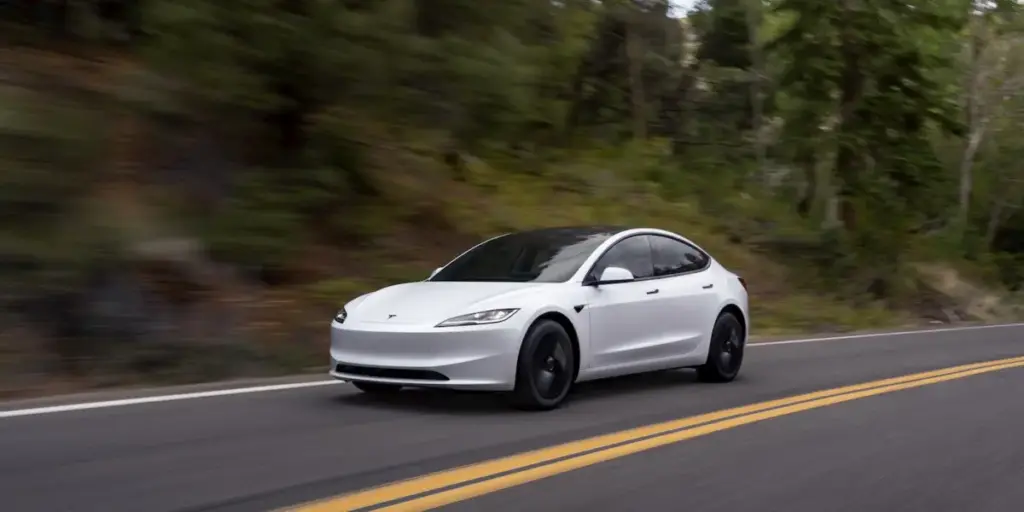
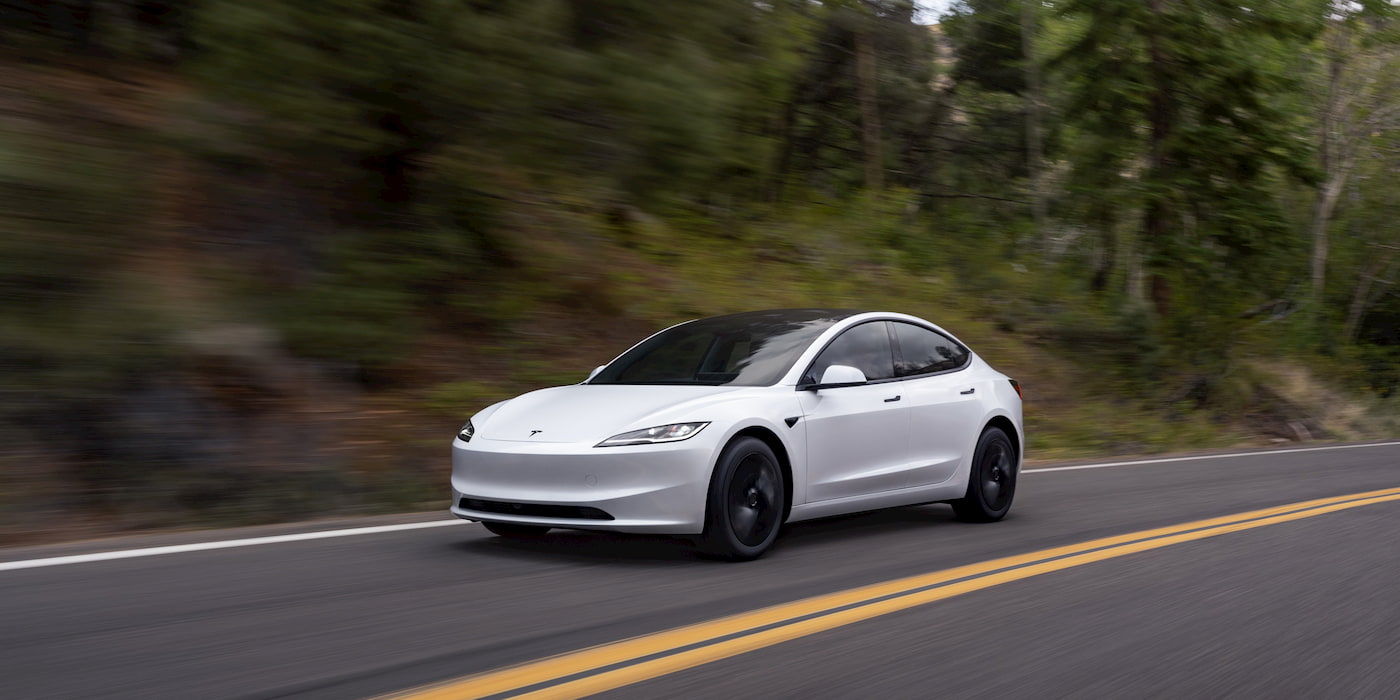
In May, the average price paid for a Tesla vehicle fell 1% month-over-month and dropped 3.4% compared to the previous year. A deeper dive into Tesla’s sales mix reveals an overwhelming consumer preference for its most accessible offerings: 96% of Tesla’s May sales were concentrated in just two models:
- Tesla Model 3: Average transaction price of $49,082
- Tesla Model Y: Average transaction price of $51,537
By keeping prices for these high-volume core models hovering around the $50,000 mark, Tesla has forced competing legacy automakers and EV startups to continually re-evaluate their pricing strategies to avoid being priced out of the conversation.
Macroeconomic Tailwinds: Fuel Prices and Parity
Beyond manufacturer incentives, broader economic realities are fueling the May sales surge. Most notably, rising traditional gasoline prices at the pump have dramatically improved the total cost of ownership (TCO) calculus for prospective car buyers. As filling up a traditional gas-powered vehicle becomes increasingly expensive, the long-term operational savings of home-charged electric vehicles become an irresistible selling point.

Furthermore, the narrowing price gap between EVs and gas-powered cars—helped by these continuous price drops—has reduced the psychological barrier of entry for mainstream consumers who previously viewed electric vehicles as an exclusively luxury proposition.
Official Statements and Industry Perspectives
While official press releases from regulatory bodies and corporate boardrooms often frame market data through a specific strategic lens, independent analysts have offered candid assessments of the post-subsidy landscape.
Automotive market strategists have noted that the resilience displayed in May proves the underlying strength of EV technology, independent of government life support. "Consumers want electric vehicles for their performance, lower maintenance, and immunity to oil price volatility," noted one senior automotive market analyst. "What the elimination of tax credits did was force automakers to stop hiding behind government subsidies and get serious about manufacturing efficiency and realistic pricing."
Executives within major automotive manufacturing groups have privately echoed this sentiment, acknowledging that while margins have compressed due to high incentive spending, volume recovery has protected production lines from disruptive shutdowns.
Tesla leadership, while continuing to focus on scaling autonomous driving technologies and manufacturing efficiency, has repeatedly emphasized that making EVs accessible to the masses remains the core mission of the company. The staggering 96% sales concentration in the Model 3 and Model Y lines validates the company’s laser focus on high-volume, lower-cost platforms over niche luxury offerings.
Future Outlook: Where is the EV Market Headed?
As the industry moves past the halfway mark of 2026, the trajectory of the electric vehicle market points toward sustained, albeit fiercely competitive, growth. Several key trends are expected to shape the remainder of the year and beyond:
1. Continued Price Compression
With eleven consecutive months of price drops already on the books, downward pressure on EV prices is unlikely to abate anytime soon. As manufacturing processes mature, battery raw material costs stabilize, and next-generation platforms roll off assembly lines, production costs will continue to fall. Automakers will likely pass these savings on to consumers to capture market share in an increasingly crowded field.

2. The Evolution of Incentives
While the 14% incentive rate ($7,600 per vehicle) has kept sales robust in the wake of federal credit elimination, this level of corporate subsidization is unsustainable in the long term for weaker legacy players. Expect to see a bifurcation in the market: traditional automakers with deep pockets may continue aggressive discounting to gain ground, while smaller startups will be forced to rely on technological differentiation and superior software offerings rather than pure price cuts.
3. Closing the Gap with Internal Combustion Engines
The ultimate goal for the EV industry has always been price parity with gas-powered cars. With average EV transaction prices trending toward the mid-$50k range—and high-volume models dipping well below $50k—that goal is closer than ever. As the price gap reaches historic lows, mainstream buyers who were previously on the fence will find fewer financial reasons to purchase a traditional internal combustion vehicle.
4. The Clean Energy Ecosystem Expansion
As more consumers transition to electric mobility, ancillary industries are experiencing a parallel boom. Home charging infrastructure and residential solar integration are seeing heightened interest as owners look to maximize their energy independence. Programs and platforms that simplify the transition to home solar—such as pre-vetted installer networks that offer competitive pricing and help consumers save significantly compared to navigating the market alone—are becoming essential components of the modern EV ownership experience.
Ultimately, the gloomy predictions voiced when federal tax credits were repealed last fall have proven unfounded. The American EV market has not only survived the loss of government subsidies; it has evolved into a leaner, more competitive, and structurally sound market poised for sustained, long-term expansion.



