

By Jasper Inventor (Deputy Programme Director, Greenpeace International) and Dr. Jerry Jose (Senior Scientist, Greenpeace International Science Unit, University of Exeter, UK)
Executive Overview
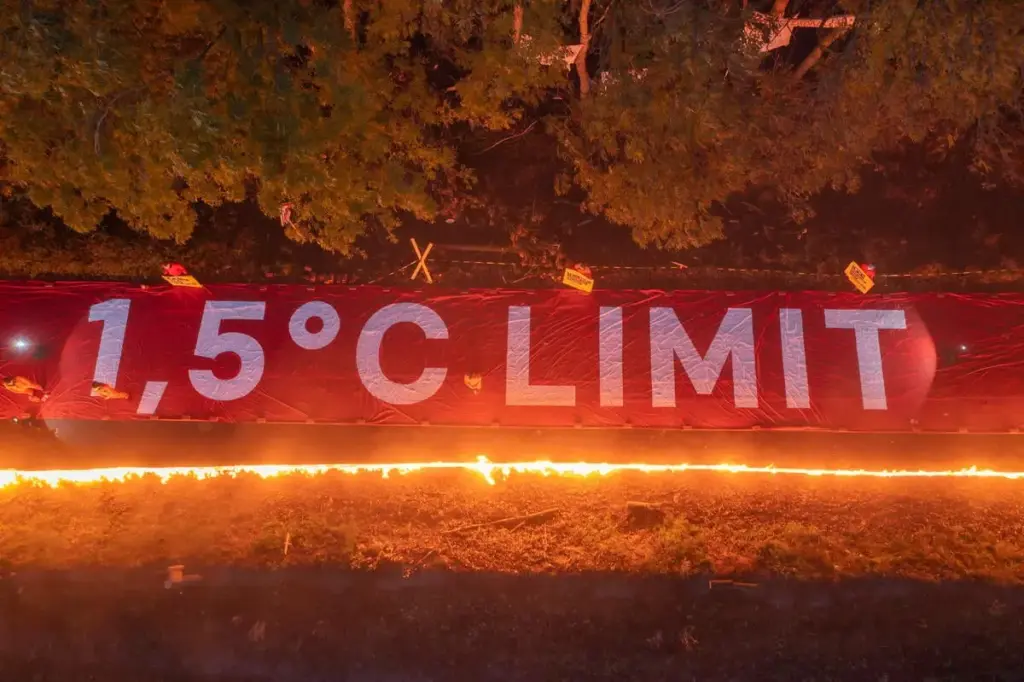
The global community stands at an unprecedented environmental crossroads. According to a stark and urgent warning issued by the United Nations Environment Programme (UNEP), global temperatures are poised to breach the critical threshold of 1.5°C above pre-industrial levels within the next few years. This impending temporary overshoot threatens to supercharge extreme weather events, destabilize fragile ecosystems, and permanently alter the geopolitical and socioeconomic landscape of our planet.
Despite the inevitability of this near-term breach, the foundational climate target of the international community remains steadfastly anchored at 1.5°C. This limit is enshrined in the Paris Agreement, validated by the International Court of Justice (ICJ), and formally adopted by the UN General Assembly. However, the UNEP’s landmark report, Limiting Overshoot, outlines a perilous new paradigm: the "overshoot, peak, and decline" pathway. Under this trajectory, even in the most optimistic scenario where governments globally over-deliver on their current and future climate action pledges, average global temperatures will still peak at an alarming 1.8°C before beginning a slow descent back toward the 1.5°C target.
In response to these findings, environmental organizations like Greenpeace are issuing urgent demands for world governments to abandon incrementalism. They call for an immediate, accelerated transition away from fossil fuels, an end to industrial forest destruction, and the wholesale transformation of energy and agricultural systems. As scientists and policy experts make clear, there are "no good outcomes if we remain above 1.5°C," making every fraction of a degree—and every month of delay—a critical determinant of the Earth’s future.
Detailed Chronology & Scientific Context: Understanding the 1.5°C Threshold
The Historical Commitment of COP21
In December 2015, negotiators from nearly 200 nations gathered in France for the 21st Conference of the Parties (COP21) under the United Nations Framework Convention on Climate Change (UNFCCC). The resulting Paris Agreement established a historic global consensus: to pursue efforts to limit the global average temperature increase to 1.5°C above pre-industrial levels, while keeping well below 2°C by the end of the century.
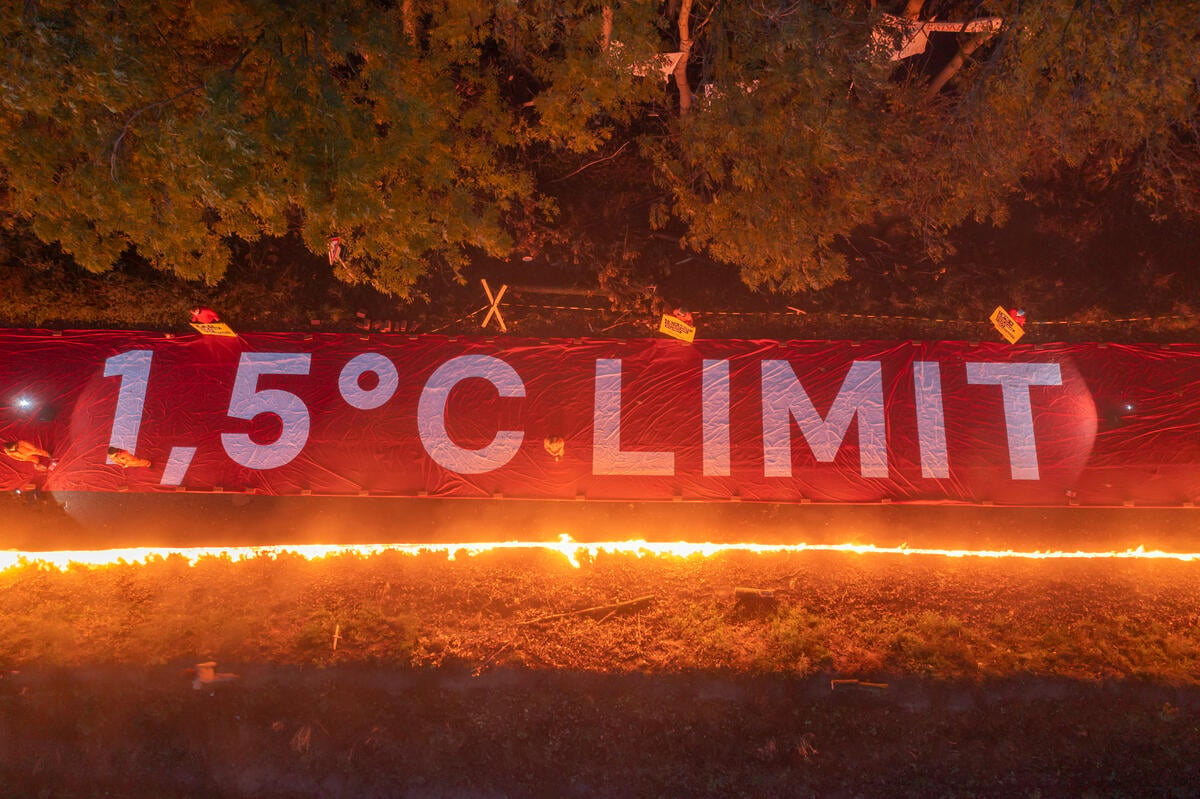
For nearly a decade, this metric has served as the North Star of international climate diplomacy. However, the physics of the Earth’s climate system have outpaced political ambition. In 2024, global average temperatures crossed a psychological and meteorological Rubicon, rising to approximately 1.6°C above the pre-industrial baseline for the first time on record.
Differentiating Annual Anomalies from Long-Term Trends
Climatologists are careful to distinguish between a single-year temperature anomaly and a structural, long-term breach of the Paris Agreement thresholds. A single year exceeding 1.5°C—driven by a combination of compounding anthropogenic greenhouse gas emissions and natural climate oscillations like El Niño—does not legally or scientifically signify that the Paris target is permanently broken.
What matters in climate science is the multi-decadal trend. Nevertheless, the frequency of these high-temperature anomalies has forced scientists and policymakers to reckon with the reality of an "overshoot." As defined by the Intergovernmental Panel on Climate Change (IPCC) and operationalized in the newest generation of global emissions scenarios (such as those for CMIP7), an overshoot occurs when emissions outpace removal capacity, driving temperatures temporarily above a specific guardrail before active carbon dioxide removal (CDR) and deep mitigation bring them back down.
The Mathematics of the Carbon Budget
The mathematics governing this trajectory are unforgiving. According to recent scientific assessments highlighted by the UNEP, the remaining planetary carbon budget is razor-thin. To retain even a 50% chance of limiting global warming to 1.5°C, humanity can emit no more than approximately 130 gigatons (Gt) of additional carbon dioxide ($CO_2$) from 2026 onward.
To remain within this tightly constrained budget, global $CO_2$ emissions would need to plummet downward from current levels, reaching absolute net-zero in just over six years. This stark reality reveals an immense and widening emissions gap between what current national policies deliver and what atmospheric physics demands.
Supporting Context & Metrics: The Mechanics and Hazards of Overshoot
The Three Phases of the Overshoot Challenge
Following decades of what the UNEP categorizes as "insufficient action," mitigating an overshoot requires navigating three interconnected operational phases:
- The Immediate Response Phase: Focused on arresting the upward trajectory of global temperatures through deep, immediate emission cuts across all economic sectors, alongside emergency interventions to safeguard frontline and vulnerable populations.
- The Coping and Containment Phase: Designed to systematically build climate resilience, managing unavoidable shocks to infrastructure, food systems, and public health.
- The Long-Term Resilience and Net-Negative Phase: Focused on deploying validated carbon dioxide removal technologies and achieving sustained net-negative emissions to draw global temperatures back down to the 1.5°C ceiling.
Cascading Consequences Across Ecosystems and Societies
The UNEP report warns that delaying aggressive action risks locking in a permanently degraded world. The consequences of a 1.5°C overshoot span biological, cryospheric, and socioeconomic systems:
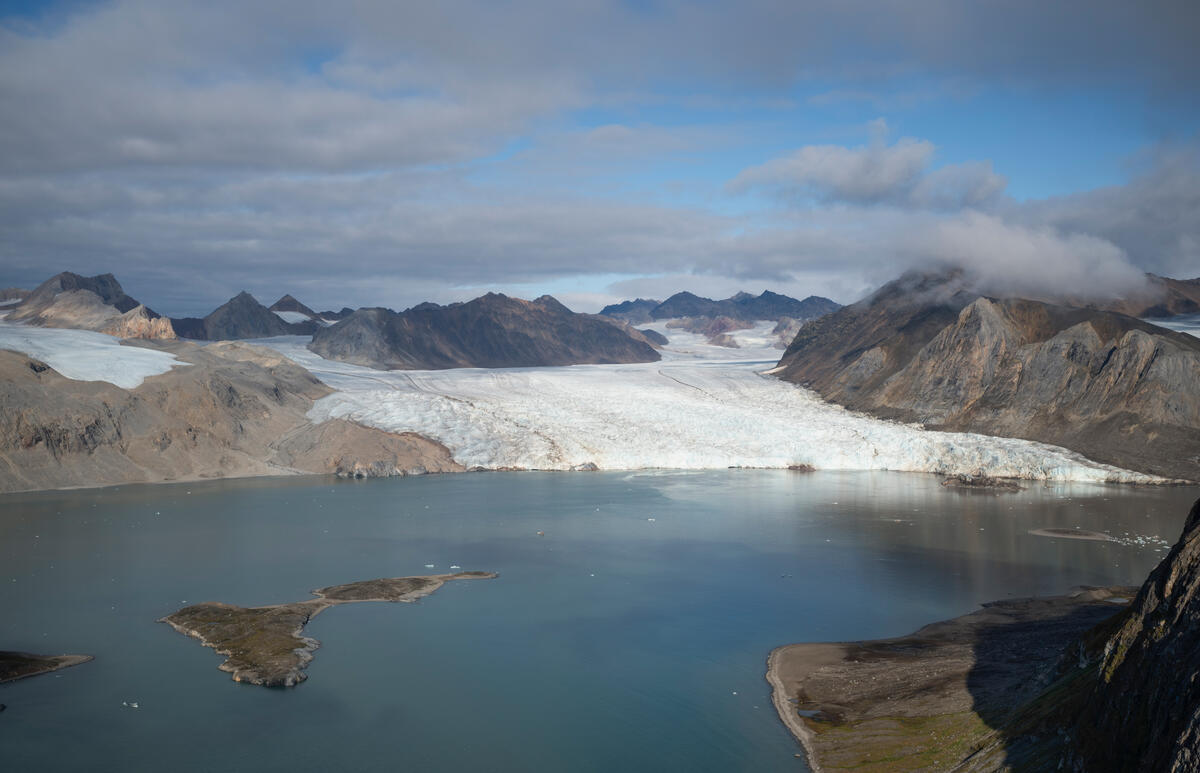
- Cryospheric Collapse: The Arctic continues to warm at more than twice the global average—a phenomenon known as Arctic amplification. An overshoot phase accelerates the loss of Arctic sea ice, threatens polar habitats, and triggers irreversible glacial melt and permafrost degradation. This unleashes cascading effects on downstream communities reliant on seasonal glacial meltwater for freshwater security.
- Marine and Terrestrial Biodiversity Loss: Ocean acidification, driven by the absorption of excess anthropogenic $CO_2$, combined with relentless land-use changes, threatens marine food webs and terrestrial biodiversity.
- Existential Threats to Coastal Communities: Small Island Developing States (SIDS) and low-lying coastal mega-cities face the prospect of partial or total inundation due to accelerated sea-level rise. For some nations, rising seas threaten the very continuity of statehood, raising profound questions of international law, climate justice, and political legitimacy.
Official Statements & Institutional Positions
International Judiciary and Legislative Affirmations
The legal standing of the 1.5°C limit extends far beyond political declarations. The International Court of Justice (ICJ) and the UN General Assembly have both formally upheld the obligations of states to protect the climate system and prevent catastrophic environmental harm. Failing to act in accordance with these mandates exposes governments not only to moral condemnation but potentially to binding legal liabilities under international law.
Greenpeace International on Systemic Transformation
Environmental watchdogs have been vocal in critiquing half-measures. Greenpeace International has consistently emphasized that navigating out of a potential climate overshoot requires rewriting the rules of the global economy.
As detailed in Greenpeace policy briefings, a genuine "just transition" extends far beyond merely swapping fossil-fuel infrastructure for renewable energy arrays. It represents a structural opportunity to redesign energy, transport, and industrial systems so they prioritize public security and affordability over corporate profits. Crucially, this transition demands a deliberate shift of power away from multinational fossil fuel conglomerates and financial elites toward ordinary citizens and frontline communities.
Future Outlook: Mitigation, Adaptation, and the Road to COP31
Interconnection of Mitigation and Adaptation
As the world accelerates toward an overshoot window, the UNEP stresses that mitigation and adaptation can no longer be treated as isolated policy silos. They are fundamentally interconnected:
- Mitigation dictates the journey and the final destination—determining the ultimate peak temperature, the duration of the overshoot, and the scale of irreversible risks.
- Adaptation determines who survives the journey. Because a degree of warming is already baked into the climate system, adaptation is vital for protecting societies from impacts currently unfolding.
The UNEP argues that international climate finance, durable political solidarity, and inclusive governance structures must be established before peak warming is reached, rather than being improvised under the chaotic conditions of ongoing planetary crises.
The Methane Imperative and Carbon Dioxide Removal
Halting and reversing temperature increases requires achieving global net-zero carbon emissions while simultaneously enforcing aggressive reductions in short-lived climate pollutants, most notably methane. Methane accounts for roughly 0.5°C of current global warming. The UNEP’s analysis makes it clear that the planet cannot cool while industrial agriculture and livestock production continue to expand unchecked—driving massive methane spikes, accelerating deforestation, and polluting vital water resources.
Furthermore, while some level of Carbon Dioxide Removal (CDR) will likely be required to pull excess carbon out of the atmosphere during the decline phase, most CDR methodologies remain plagued by deep uncertainties regarding technological scalability, permanence, financial cost, and social acceptability. Relying on unproven technological silver bullets to clean up future emissions is a dangerous gamble; there is no substitute for immediate, draconian emissions cuts at the source.
The Path Forward
On the critical road toward the UN General Assembly and the upcoming UN Climate Change Conference (COP31), governments face an inescapable reckoning. The 1.5°C limit is not merely an aspirational environmental target; it is a legal, political, and moral obligation.
Every fraction of a degree matters. To avoid locking in a permanently damaged Earth, governments must immediately:
- Enact rapid, managed phase-outs of coal, oil, and gas production.
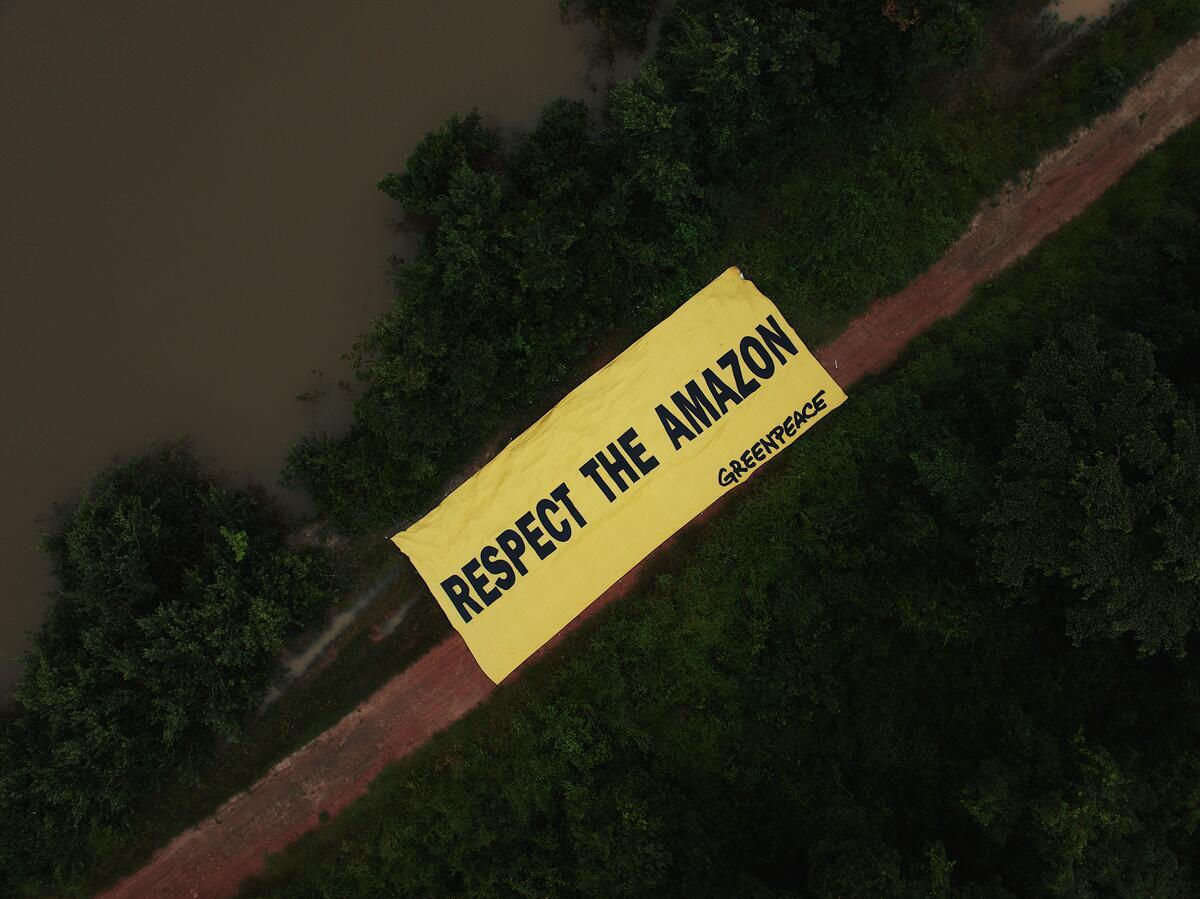
- Halt industrial forest destruction and safeguard critical carbon sinks like the Amazon and global oceans.
- Mobilize robust climate finance to support the Global South and ensure a just transition for displaced workers and vulnerable communities.
- Accelerate the deployment of decentralized renewable energy systems while curbing agricultural methane emissions.
A stable, liveable climate in the decades to come depends entirely on the courage and decisiveness of the choices made today.



