

Executive Overview
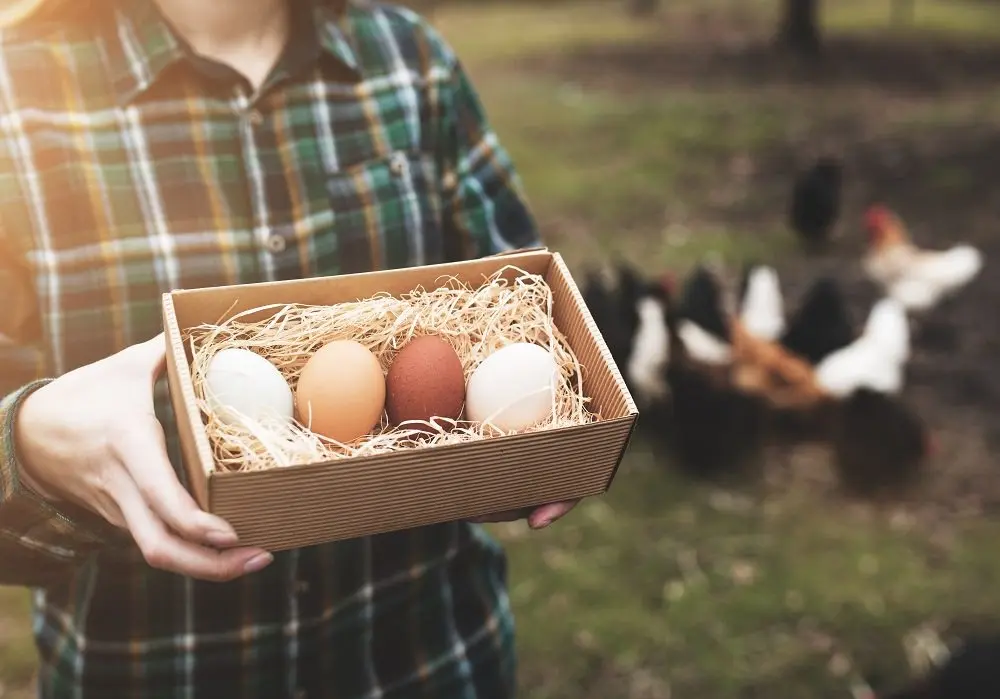
In the volatile landscape of American consumer economics, few commodities have experienced a cycle of boom and bust as dramatic as the humble table egg. In March 2025, a historic supply-side shock pushed the retail price of a dozen Grade A eggs to an unprecedented peak of approximately $6.22. Driven by panic, inflation hedging, and a romanticized vision of self-reliance, millions of Americans transformed their backyards into makeshift micro-farms. By early 2025, the number of U.S. households keeping backyard poultry had surged to an estimated 11 million—nearly doubling the 5.8 million recorded in 2018.
Yet, by June 2026, the economic foundation of this backyard revolution had collapsed. Rebounding commercial supply chains and a sharp decline in avian influenza outbreaks sent retail prices tumbling to a national average of $2.14 per dozen—with conventional caged eggs advertising as low as $1.02.
As the financial incentive for home egg production evaporates, amateur keepers are confronting a sobering reality. The financial ledger has flipped: the high fixed costs of coops, predator-proofing, and specialized feed can no longer be offset by high grocery bills. Far more concerning, however, is the rising weight on the risk side of the ledger. Highly Pathogenic Avian Influenza (HPAI) H5N1 has transitioned from a distant commercial agricultural threat to a direct domestic hazard, claiming the lives of two U.S. backyard flock owners since 2024. Simultaneously, a sweeping, drug-resistant Salmonella outbreak linked to backyard poultry hatcheries has sickened hundreds of Americans across the country, with children bearing the brunt of the infections.
This investigative report examines the rise and fall of the backyard chicken boom, deconstructs the microeconomics of small-scale egg production in 2026, and details the escalating biological hazards facing the modern hobbyist.
Detailed Chronology: From Pandemic Scarcity to Market Saturation (2022–2026)
The genesis of the backyard poultry boom lies in a series of severe biological disruptions that began in early 2022. Highly Pathogenic Avian Influenza (HPAI), a devastating viral pathogen, swept through the domestic poultry industry with unprecedented virulence.
[Feb 2022: HPAI Outbreak Begins]
       │
       ▼
[2022: Retail Egg Prices Surge +32.2%]
       │
       ▼
[2023–2024: Continued Viral Spread; Over 166M Birds Affected]
       │
       ▼
[March 2025: Egg Prices Peak at $6.22/Dozen; Backyard Flocks Hit 11M Households]
       │
       ▼
[Late 2025: Commercial Supply Rebounds; HPAI Detections Slow Down]
       │
       ▼
[June 2026: Egg Prices Collapse to $2.14/Dozen; Amateurs Face High Liabilities]
2022–2023: The Initial Shocks
The United States Department of Agriculture (USDA) Economic Research Service (ERS) logged a 32.2% spike in retail egg prices in 2022. While prices briefly stabilized in 2023 with a modest 1.4% increase, the underlying biological threat remained unresolved. The virus continued to quietly circulate among wild migratory waterfowl, waiting for seasonal migration patterns to reintroduce it to commercial laying operations.
2024–2025: The Peak of the Crisis
By 2024, a renewed wave of HPAI infections forced the depopulation of tens of millions of commercial layers, causing retail prices to jump another 8.5%. This set the stage for the hyper-inflationary crisis of early 2025, when egg prices surged by 21.9%, culminating in the March 2025 peak of $6.22 per dozen.
Fearing permanent scarcity and systemic food supply failures, consumers panicked. Commercial hatcheries were overwhelmed; by February 2025, chick orders had surged by 80% or more, and feed stores nationwide sold out of birds weeks ahead of their traditional spring "chick days." For many, a flock of six hens in the backyard felt like an essential insurance policy against a collapsing food grid.
Late 2025–2026: The Great Reversal
As quickly as the crisis peaked, the biological and economic dynamics shifted. Throughout the latter half of 2025 and the first half of 2026, commercial poultry operations successfully implemented advanced biosecurity measures and rapidly replenished their flocks. In the first quarter of 2026, the USDA logged significantly fewer HPAI detections compared to the same period in 2025. Replacement pullets—young female chickens entering their prime laying years—became widely available, stabilizing both commercial flock turnover and unexpected viral losses.
By May 2026, retail egg prices had plummeted by 35.2% year-over-year. ERS data currently forecasts an overall 30.4% decline in retail egg prices for the full 2026 calendar year, driven by an astounding 82.9% drop in wholesale prices paid to farmers. Today, the backyard poultry boom has ground to a halt. First-time chick buyers have largely vanished from feed stores, and hatcheries report that sales have reverted to experienced hobbyists merely replenishing their existing flocks.
Supporting Context & Metrics: The Hard Math of Backyard Aviculture
To evaluate the economic viability of a backyard flock in 2026, one must look beyond the shelf price of a cheap carton of supermarket eggs. The real comparison lies in the productivity of the birds, the cost of their inputs, and the quality of the product being replaced.
The Productivity Gap
Commercial laying operations are masterpieces of selective breeding and environmental control. In 2025, the average commercial laying hen produced roughly 300 eggs. Backyard flocks, subject to weather fluctuations, seasonal light changes, and less optimized diets, cannot match this output.
According to poultry extension specialists at the University of Minnesota, backyard hens typically begin laying around six months of age. During their peak first two years, they produce between 180 and 250 eggs annually. Without artificial supplemental lighting in the coop, production drops precipitously during the winter months when daylight falls below 14 hours. After the second year, production declines by approximately 20% to 30% annually, though the birds can live for up to a decade.
The Broiler Illusion
Some households turned to backyard chickens not just for eggs, but for meat, attempting to offset the 102.8 pounds of broiler meat consumed per capita by the average American. However, meat production requires a fundamentally different operational model. Broilers (meat birds) are highly specialized breeds that must be processed before they reach one year of age.
Because dressed carcass weight is only 70% to 75% of live weight, replacing a single person’s annual poultry consumption requires raising, feeding, and slaughtering approximately 30 birds per year. Furthermore, the meat of retired egg-laying hens is tough and fibrous, suitable only for slow-cooked soup stocks rather than the tender breasts and thighs consumers are accustomed to purchasing at retail outlets.
Financial Analysis: The Six-Hen Backyard Flock (2026 Estimates)
The table below outlines the realistic financial ledger for a standard six-hen backyard flock in 2026, contrasting startup capital with ongoing variable costs and potential returns.
| Ledger Category | Operational Metric | Financial Value (USD) |
|---|---|---|
| Flock Yield | Annual output per peak hen (180–250 eggs) | 90 to 125 dozen eggs/year |
| Market Value (Low) | June 2026 average retail replacement value ($2.14/dozen) | $190 to $270 / year |
| Market Value (Mid) | Cage-free specialty retail replacement value ($2.65/dozen) | $240 to $330 / year |
| Market Value (Peak) | March 2025 peak retail replacement value (~$6.22/dozen) | $560 to $780 / year |
| Operating Costs | Annual feed, bedding, grit, and basic supplies | $250 to $600 / year |
| Capital Expenditures | Initial startup: Coop, run, fencing, feeders, waterers, and chicks | $500 to $2,000 (one-time) |
Data compiled from the U.S. Bureau of Labor Statistics, USDA Agricultural Marketing Service, and University Extension cost guides.
At 2026 retail values, a six-hen flock’s annual egg output barely covers its yearly feed and bedding costs, leaving the owner with a net loss once the initial $500 to $2,000 capital investment in the coop and infrastructure is factored in. Only when compared to premium, pasture-raised, or organic retail options (which routinely retail above $5.00 per dozen) does the financial equation begin to approach parity.
Furthermore, these calculations exclude the hidden costs that spreadsheets often ignore:
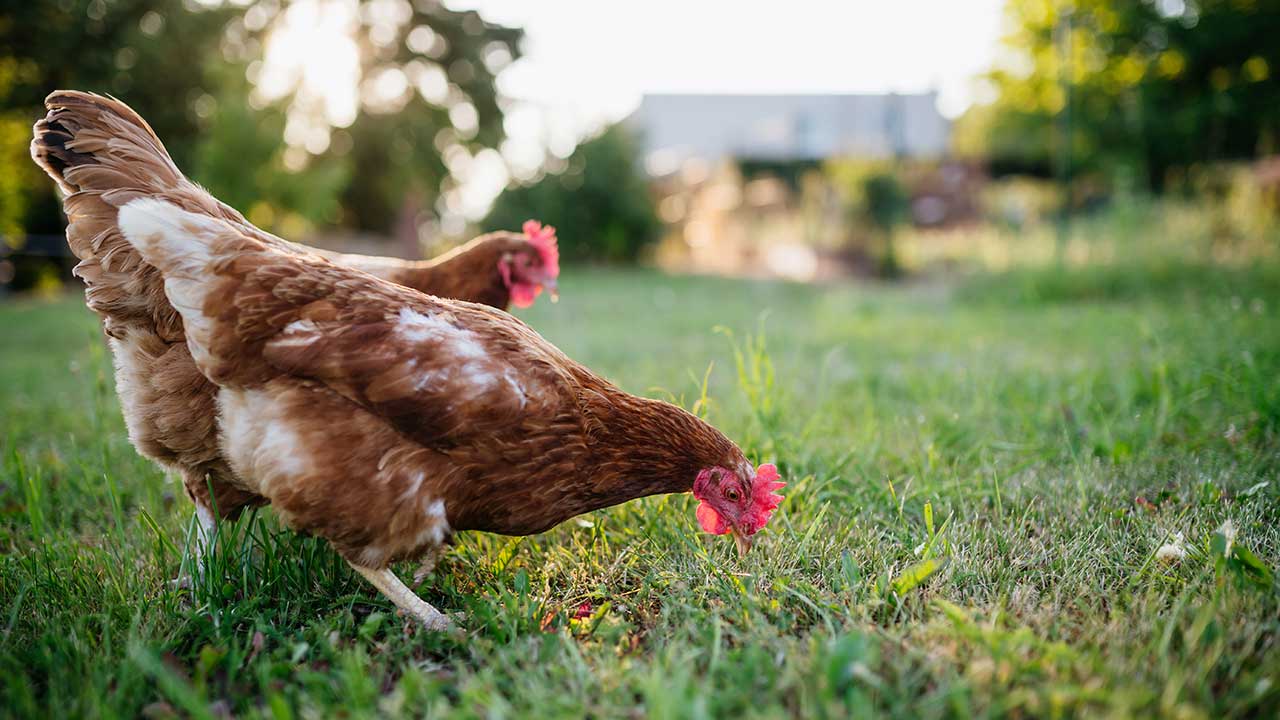
- Predator-Proofing: Hardware cloth, automated doors, and secure latches to defend against raccoons, hawks, and foxes.
- Veterinary Care: Most urban and suburban veterinarians do not treat poultry; those who do charge premium rates for exotic animal care.
- Depreciation & Retirement: Feeding and housing non-productive senior hens that live past their prime laying years.
The Environmental Footprint: Debunking the Carbon Myth
For years, proponents of backyard poultry argued that home-produced eggs carried a carbon footprint roughly one-third that of their commercial counterparts. In 2026, agricultural life-cycle assessment (LCA) experts have thoroughly debunked this claim.
In any egg production system, feed is the single largest contributor to greenhouse gas emissions, representing 70% to 80% of the total environmental footprint due to the carbon-intensive nature of commercial grain farming, fertilizer use, and transport. Because backyard keepers almost exclusively feed their birds commercially formulated bagged feed purchased at retail markup, they inherit these upstream emissions.
Crucially, backyard flocks lack the biological feed-conversion efficiency of commercial facilities. Commercial operations utilize highly controlled temperatures and optimal lighting to ensure that every ounce of feed is converted into egg mass with minimal metabolic waste. Backyard hens, exposed to cold winters and hot summers, expend a high percentage of their caloric intake simply regulating their body temperature. Consequently, a backyard hen requires significantly more feed to produce a single egg than a commercial layer.
According to global meta-analyses published on Our World in Data, commercial eggs generate approximately 4.7 kilograms of CO2-equivalent per kilogram of product, while poultry meat generates 9.9 kilograms. Without the benefit of industrial scale-economies, backyard eggs likely carry a higher net carbon footprint per egg than those produced in modern, efficient commercial facilities.
Where Backyard Flocks Earn Their Keep
Despite the carbon math, backyard chickens can provide genuine localized ecological benefits if integrated into a closed-loop permaculture system:
- Organic Waste Diversion: Chickens act as active composters, consuming kitchen scraps and garden waste that would otherwise decompose anaerobically in landfills, generating methane.
- Biological Pest Management: Flocks allowed to forage in enclosed garden areas naturally suppress populations of ticks, grubs, beetles, and invasive weeds without the need for chemical pesticides.
- On-Site Nutrient Cycling: Chicken manure is exceptionally high in nitrogen, phosphorus, and potassium. Once properly aged and composted, it serves as a high-grade organic fertilizer that replaces synthetic, petroleum-derived garden inputs.
Official Statements & Public Health Directives: H5N1 and the Salmonella Crisis
As the financial benefits of backyard flocks have dwindled, the biological risks have escalated. Public health agencies in 2026 are issuing urgent warnings regarding two distinct pathogens: Highly Pathogenic Avian Influenza (HPAI) H5N1 and drug-resistant Salmonella.
[Hatchery / Retail Store] ──(Salmonella Transmitted via Chick Boxes)──► [Suburban Backyard Coops]
                                                                                │
   ┌───────────────────────────────── Antibiotic-Resistant Strains ─────────────┤
   │                                                                            ▼
[Children Under 5 Sickened]                                             [Fatal H5N1 Infections]
(25% of all cases)                                                      (2 confirmed owner deaths)
The Deadly Shift in the H5N1 Calculus
Historically, HPAI was viewed as a commercial catastrophe with negligible risk to human health. That perspective changed permanently between 2024 and 2026.
Since March 2024, federal authorities have tracked 71 confirmed human cases of influenza A(H5) within the United States. While the vast majority of these cases occurred in commercial dairy and poultry workers, three cases were identified in backyard flock owners. Tragically, two of those three cases resulted in fatalities—one in Louisiana in early 2025, and another in Washington in November 2025.
The Centers for Disease Control and Prevention (CDC) maintains that the risk of H5N1 to the general public remains low. However, the agency explicitly warns that this low-risk assessment does not apply to individuals who directly handle sick, dying, or dead domestic poultry without proper personal protective equipment (PPE).
In May 2026, the CDC published a comprehensive survey in its Morbidity and Mortality Weekly Report (MMWR) detailing the behavior of 638 backyard flock owners across 48 states. While 94% of respondents were aware of avian influenza, critical gaps in biosecurity and self-protection were revealed:
- Only 31% of respondents reported using dedicated footwear that never enters their homes.
- Less than 12% reported wearing respiratory protection (such as an N95 mask) or eye protection when cleaning coops or handling sick birds.
- Over 40% admitted to bringing sick birds inside their homes to nurse them back to health, a practice that public health officials warn creates an ideal environment for zoonotic viral transmission.
The Drug-Resistant Salmonella Epidemic
While H5N1 represents a severe, low-probability threat, Salmonella remains a widespread, high-probability hazard. As of July 27, 2026, the CDC is actively investigating eight separate multi-state outbreaks of Salmonella directly linked to contact with backyard poultry.
The current 2026 metrics paint a grim picture:
- 814 confirmed cases across 44 states and one U.S. territory.
- 201 hospitalizations documented among patients with available clinical data.
- 1 confirmed fatality in Washington State.
- 25% of all cases are children under the age of five.
Epidemiological investigations have traced the outbreak strains back to seven commercial hatcheries that ship day-old chicks to agricultural retail stores. In five states, environmental testing discovered the exact outbreak strains of Salmonella residing inside the cardboard boxes used to ship chicks.
Alarmingly, genetic sequencing has revealed that several of these Salmonella strains carry predicted resistance to critical, first-line antibiotics, including ampicillin, ceftriaxone, and ciprofloxacin. This makes severe infections significantly more difficult to treat, resulting in longer hospital stays and higher clinical risks for vulnerable populations.
Future Outlook: The Maturation of the Micro-Farming Movement
The era of casual, low-effort backyard poultry keeping is drawing to a close. In its place, a more mature, highly regulated, and biosecurity-focused hobby is emerging. Moving forward, the relationship between local municipalities, public health departments, and flock owners is expected to undergo several key transformations.
Tightening Regulatory Environments
Municipalities are rapidly updating their zoning ordinances to address the public health realities of 2026. Many cities that rushed to permit backyard flocks during the supply disruptions of 2020 and 2022 are now rolling back those permissions or introducing stricter oversight.
Standard modern ordinances now routinely mandate:
- Strict Setback Requirements: Coops must be located at least 20 to 50 feet away from adjacent residential dwellings and property lines to mitigate dust, dander, and vector attraction.
- Mandatory Permits and Inspections: Annual registration fees and mandatory inspections by animal control or local health officials to ensure proper manure management and rodent-proofing.
- On-Site Slaughter Bans: Absolute prohibitions on the slaughter of birds or the commercial sale of unpasteurized eggs in residential zones.
- Statewide Preemption Laws: Conversely, several agricultural states have passed laws protecting the rights of homeowners to keep small flocks (typically capped at 4 to 6 hens) provided they adhere to strict biosecurity guidelines, creating a complex patchwork of legal requirements.
The Shift to "Biosecurity First"
For those who choose to keep chickens in 2026 and beyond, biosecurity can no longer be an afterthought. The USDA’s "Defend the Flock" program emphasizes that the survival of backyard flocks—and the safety of the families keeping them—depends on the strict execution of daily biosecurity protocols.
The primary vector for H5N1 remains wild migratory waterfowl, which shed the virus in their feces and contaminate shared water sources. Any backyard flock that is allowed free-range access to open water or feed where wild birds can land is at immediate, existential risk. If a single bird in a backyard flock tests positive for HPAI, state and federal agricultural agencies will mandate the immediate depopulation of the entire flock to prevent the virus from mutating and spreading further.
Actionable Guidelines for the Modern Flock Owner
Pre-Acquisition Checklist
- Review Local Zoning and HOA Rules: Confirm current setback requirements, flock caps, permit costs, and rooster bans. HOA rules are civil contracts and can be far more restrictive than city codes.
- Secure Biosecure Housing: Construct or purchase a coop that is completely enclosed. Use 1/2-inch hardware cloth rather than standard chicken wire, which predators and wild birds can easily bypass or tear through.
- Establish Veterinary Contact: Locate a local veterinarian who is certified to treat avian species before you bring birds home.
Daily Biosecurity and Safety Protocols
- Implement the "Two-Zone" Footwear System: Keep a dedicated pair of boots inside the chicken run. Never wear these boots outside the coop area, and never bring them into your home.
- Exclude Wild Birds: Feed and water your chickens inside an enclosed run. Utilize wild-bird-proof feeders to prevent wild sparrows and starlings from contaminating your flock’s feed.
- Practice Strict Hand Hygiene: Wash hands thoroughly with soap and water immediately after touching poultry, eggs, or coop equipment. Keep hand sanitizer near the coop entrance.
- Enforce the "No-Contact" Rule: Never kiss, snuggle, or hold backyard birds close to your face. Keep chickens entirely out of human living spaces, especially kitchens and outdoor dining areas.
Environmental Footprint Reduction
- Feed Optimization: Store feed in rodent-proof, airtight metal containers to prevent feed spoilage and pest infestations.
- Compost Manure Safely: Age chicken manure in a hot compost bin for a minimum of five to six months before applying it to food crops to ensure that harmful pathogens like Salmonella and E. coli are completely destroyed.
- Incorporate Kitchen Scraps Responsibly: Limit treats and kitchen scraps to no more than 10% of the birds’ total daily diet to ensure they maintain optimal feed-conversion efficiency and receive balanced nutrition from their primary feed formulation.



