

Executive Overview
Gathered in the coastal capital of Koror, Palau, heads of state and delegates from the 18-member Pacific Islands Forum (PIF) concluded a week-long summit marked by intense negotiation, unified resolve, and heightened urgency. Facing a dual existential crisis—the accelerating physical destruction wrought by global climate change and the crippling macroeconomic burden of imported fossil fuels—Pacific leaders issued a direct mandate for the upcoming United Nations Climate Change Conference (COP31).
The regional bloc, which includes COP31 co-host aspirant Australia, declared that the November summit must serve as a decisive turning point for international climate finance. Pacific nations are demanding direct, streamlined access to global adaptation funds, aggressive support for a regional renewable energy transition, and legally binding commitments to ocean preservation.
For the small island developing states (SIDS) of the Pacific, the Koror Summit was not merely a diplomatic exercise, but an urgent recalibration of political strategy. Despite contributing less than 0.03% of global greenhouse gas emissions, these nations remain on the frontlines of sea-level rise, ocean acidification, and catastrophic weather events. Concurrently, their reliance on imported diesel for domestic electricity generation drains up to a quarter of their annual gross domestic product (GDP), rendering their economies extraordinarily vulnerable to global fuel price shocks.
As Australia positions itself as a co-host for COP31 alongside its Pacific neighbors, the Koror declaration places immense diplomatic pressure on Canberra and the broader international community to move beyond rhetorical solidarity and deliver structural financial reform.
Detailed Chronology: Inside the Koror Summit
The week-long gathering in Palau’s diplomatic hub of Koror represented months of meticulous regional policy synthesis, culminating in high-stakes plenary negotiations behind closed doors.
       55th PACIFIC ISLANDS FORUM LEADERS' SUMMIT: KOROR TIMELINE
┌────────────────────────────────────────────────────────────────────────┐
│ DAY 1–2: Senior Officials & Ministerial Prep                           │
│ - Draft consensus on Pacific Resilience Facility (PRF) architecture    │
│ - Highlighting diesel import vulnerabilities and regional energy baseline │
├────────────────────────────────────────────────────────────────────────┤
│ DAY 3: Opening Plenary & Keynote Addresses                             │
│ - Opening remarks by Host Chair, Palau President Surangel Whipps Jr.   │
│ - Framework established: Ocean-climate nexus & COP31 strategic alignment│
├────────────────────────────────────────────────────────────────────────┤
│ DAY 4–5: Closed-Door Leaders' Retreat                                  │
│ - High-level debate on fossil fuel phase-out vs. export realities      │
│ - Bilaterals with Australia over climate finance commitments           │
├────────────────────────────────────────────────────────────────────────┤
│ DAY 6–7: Communiqué Drafting & Final Adoption                          │
│ - Adoption of the Koror Declaration & Unified Mandate for COP31        │
│ - Reaffirmation of regional unity and public declaration launch        │
└────────────────────────────────────────────────────────────────────────┘
Day 1–2: Senior Officials and Ministerial Preparations
Prior to the arrival of heads of state, senior foreign affairs and climate officials convened to audit the progress of regional adaptation initiatives and review the implementation of the 2050 Strategy for the Blue Pacific Continent. Technical committees analyzed the severe macroeconomic drag caused by elevated global oil prices, establishing a concrete framework to lobby international funding bodies for dedicated renewable energy subsidies.
Day 3: Opening Plenary and Keynote Addresses
The summit officially opened with an impassioned plenary session led by the Chair of the summit, President Surangel Whipps Jr. of Palau. Framing the discussions around the theme of regional sovereignty and ecological survival, Whipps emphasized that climate adaptation and ocean management are fundamentally intertwined. Representatives from low-lying atoll nations—including Tuvalu, Kiribati, and the Marshall Islands—reiterated that adaptation measures without immediate liquidity from international funding mechanisms remain an impossibility.
Day 4–5: Closed-Door Leaders’ Retreat
The focus shifted to the traditional closed-door Leaders’ Retreat, where the region’s most sensitive political dynamics were navigated. Key negotiations centered on Australia’s dual identity as a major fossil fuel exporter and a self-described partner in the Pacific’s climate journey. Island leaders pressed Canberra for clear guarantees that a joint Pacific-Australia COP31 would prioritizing the operationalization of the New Collective Quantified Goal (NCQG) on climate finance and provide unencumbered grants rather than debt-inducing loans.
Day 6–7: Communiqué Adoption and Public Declaration
The summit concluded with the signing of the official PIF Communiqué. The final document firmly established three core pillars for the region’s diplomatic push toward COP31:
- The immediate capitalization and operationalization of regional climate funds;
- A accelerated decarbonization baseline for Pacific grid infrastructure; and
- The formal inclusion of ocean protection measures within international carbon market accounting frameworks.
Supporting Context & Metrics: The Economic and Ecological Crisis
The demands articulated in Palau are underpinned by stark macroeconomic and environmental metrics that illustrate the precarious situation of the Pacific islands.
                       PACIFIC ISLANDS ENERGY DEPENDENCE vs. CLIMATE RISK
┌───────────────────────────────────────────────────────────────────────────────────────────┐
│ Metric / Indicator                    │ Regional Baseline / Impact Rate                  │
├───────────────────────────────────────┼───────────────────────────────────────────────────┤
│ Diesel Dependency for Power           │ 80% – 90% in remote island microgrids             │
│ GDP Lost to Energy Imports            │ 10% – 25% of annual economic output               │
│ Regional Sea-Level Rise Rate          │ 4.0 – 6.0 mm/year (2x global mean in Western Pac) │
│ Climate Finance Gap (Adaptation)      │ Estimated $1.5B – $2.0B annually through 2030    │
│ Adaptation Funding Delivered as Debt  │ ~40% of international climate assistance (2018–23) │
└───────────────────────────────────────────────────────────────────────────────────────────┘
The Energy Fragility Trap
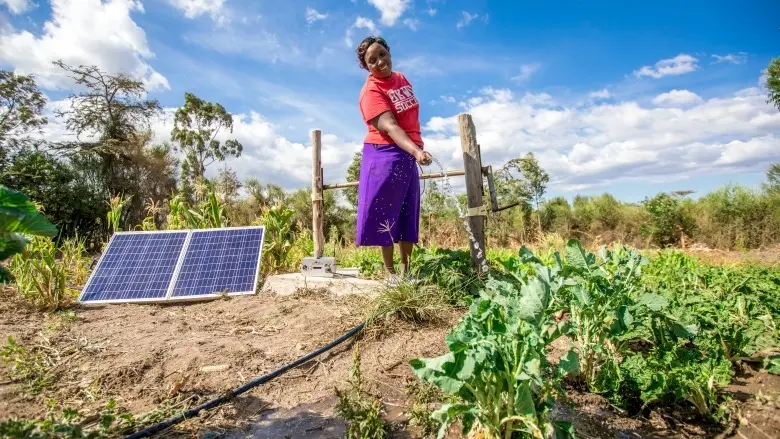
Despite vast solar, wind, and geothermal potential, the Pacific region remains one of the most diesel-dependent areas on Earth.
- Fiscal Drainage: On average, Pacific island nations expend between 10% and 25% of their total gross domestic product on fossil fuel imports. In years characterized by global energy price volatility, fuel import bills routinely wipe out national budgetary surpluses and divert critical revenue away from health, education, and infrastructure.
- Grid Vulnerability: Over 85% of primary electricity in the region is generated via imported refined petroleum products. This extreme reliance creates catastrophic exposure to international maritime supply disruptions, leaving isolated communities vulnerable to severe power crises during geopolitical conflicts or localized extreme weather events.
Accelerating Environmental Metrics
The physical realities confronting PIF nations highlight the diminishing timeframe for action:
- Sea-Level Rise: Thermal expansion and glacier melt have driven localized sea-level rise across the Western Pacific at rates of 4 to 6 millimeters per year over the past three decades—nearly double the global average rate.
- Marine Degradation: Ocean warming and sustained acidification threaten over 70% of the coral reefs in the tropical Pacific by mid-century under current emission trajectories. This poses an immediate threat to coastal defense systems, local biodiversity, and marine-based food security.
- Extreme Weather Disruption: The economic cost of Category 4 and 5 tropical cyclones in the region has escalated dramatically. Single storm events regularly inflict damage equivalent to 50% to 100%+ of a small island state’s total annual GDP.
  PACIFIC GDP DISRUPTION FROM SINGLE STORM EVENTS (Historical Impact Examples)

  Vanuatu (TC Pam, 2015)        ██████████████████████████████ 64% of GDP
  Fiji (TC Winston, 2016)       ██████████████ 30% of GDP
  Tonga (TC Gita, 2018)         ████████████████████████████████████ 38% of GDP
  0%           20%          40%          60%          80%         100%
The Climate Finance Deficit
While global climate finance mechanisms—such as the Green Climate Fund (GCF) and the Adaptation Fund—exist in theory, Pacific nations face systemic barriers to accessing these resources:
- Administrative Bottlenecks: Small island administrations with limited bureaucratic capacities often spend up to three years completing the complex application and accreditation processes required by international financial architecture.
- Debt Accumulation: Approximately 40% of climate-related assistance provided to the Pacific over the past decade has taken the form of concessional loans rather than grants. This practice compounds national debt burdens, penalizing nations financially for problems they did not create.
Official Statements and Diplomatic Dynamics
The plenary sessions in Koror highlighted the emerging geopolitical and diplomatic strategies being deployed by Pacific leaders as they prepare for global negotiations.
The Host’s Call for Strategic Cohesion
Opening the central plenary session, President Surangel Whipps Jr. of Palau set a firm tone, highlighting that fragmented advocacy would no longer yield results on the international stage. Addressing assembled leaders, President Whipps stated:
"The Pacific cannot afford to arrive at COP31 with fragmented priorities or passive expectations. Our survival depends on delivering tangible climate and ocean commitments that directly translate into accessible, grant-based finance for our communities. This moment will require greater regional leadership, stronger regional coordination and, above all, unity of purpose."
Whipps further emphasized that Palau’s ongoing initiative to construct large-scale solar arrays and transition its transport sector to electric mobility demonstrates that small island states are prepared to lead by example, provided international capital markets meet them halfway.
Negotiating with Regional Partners
The presence of Australia’s delegation added a crucial layer of diplomatic tension to the proceedings. While Canberra has made significant strides in aligning its foreign policy with Pacific climate goals—seeking to host COP31 in partnership with the Pacific—several island leaders called for greater domestic consistency from the region’s largest economy.
Delegates from Vanuatu and Tuvalu emphasized that any co-hosting arrangement for COP31 must be predicated on clear domestic fossil fuel phase-out roadmaps by major emitters within the forum. A senior Pacific diplomat, speaking on the sidelines of the negotiations, observed:
"We welcome Australia’s leadership in bringing COP31 to our neighborhood, but a ‘Pacific COP’ must be defined by Pacific realities. You cannot champion our survival at the negotiation table while approving new fossil fuel extraction projects at home. Unity requires alignment in both word and deed."
In response, Australian representatives reaffirmed their commitment to capitalizing the Pacific Resilience Facility (PRF)—a regionally led, donor-backed fund designed to provide agile, small-scale grants for community-level adaptation, bypassing bureaucratic global funds.
Future Outlook: The Road to COP31 and Beyond
The outcomes achieved at the Palau summit lay the foundation for a coordinated Pacific diplomatic strategy leading into COP31. As global climate negotiations approach, the Pacific Islands Forum has established a clear sequence of milestones designed to maximize its collective leverage.
                  THE ROAD TO COP31: PACIFIC DIPLOMATIC STRATEGY
┌────────────────────────────────────────────────────────────────────────┐
│ Q1-Q2: Capitalization of the Pacific Resilience Facility (PRF)         │
│ Target: Secure $500M baseline capital target from donor nations.       │
├────────────────────────────────────────────────────────────────────────┤
│ Q3: Pre-COP Ministerial Summits & SIDS Alliances                       │
│ Unify positioning with Alliance of Small Island States (AOSIS) on NCQG.│
├────────────────────────────────────────────────────────────────────────┤
│ NOVEMBER: COP31 Summit                                                 │
│ Drive global adoption of grant-based climate finance and ocean targets. │
└────────────────────────────────────────────────────────────────────────┘
Key Priorities on the COP31 Agenda
-
Operationalizing the New Collective Quantified Goal (NCQG):
Pacific leaders will push to replace the outdated $100 billion annual global climate finance target with a far more ambitious, mathematically grounded goal. Crucially, the Pacific bloc will demand sub-allocations specifically ring-fenced for SIDS, ensuring that small island nations are not outcompeted for capital by larger developing economies. -
Scaling the Pacific Resilience Facility (PRF):
Having secured unanimous regional endorsement in Palau, the PRF is positioned as the primary mechanism for immediate climate finance delivery. By establishing a self-sustaining endowment fund aiming for an initial target of $500 million, the PRF aims to generate annual dividends that can be deployed for localized coastal protection, microgrid infrastructure, and disaster-preparedness projects. -
Embedding the Ocean-Climate Nexus:
The forum will insist that COP31 formalize the inclusion of oceans within the UNFCCC framework. Pacific states control vast Exclusive Economic Zones (EEZs) that cover millions of square kilometers of blue carbon sinks. Leaders will demand that ocean conservation and blue carbon preservation receive formal accreditation within international carbon market structures, opening new avenues for non-debt ecological financing. -
Accelerating Regional Energy Transitions:
To address the high costs of energy imports, the PIF is preparing a unified regional investment portal for renewable energy. By bundling small-scale microgrid projects across multiple island nations into consolidated investment packages, the region aims to attract institutional investors and utility-scale renewable energy developers, rapidly reducing diesel consumption across the Pacific.
The Geopolitical Horizon
Beyond immediate environmental policies, the Koror Summit highlighted the growing strategic importance of the Pacific region. As major global powers contend for influence across the Indo-Pacific, island nations are increasingly leveraging their elevated diplomatic visibility to force action on climate change.
By demanding that COP31 deliver concrete financial mechanisms rather than symbolic declarations, the Pacific Islands Forum has made it clear that strategic partnerships in the region will be measured by climate action. The unity forged in Palau will serve as the benchmark for whether global climate governance can successfully address the needs of those on its frontlines.



