

Published September 15, 2026
By Antonia Piñeiro
Executive Overview
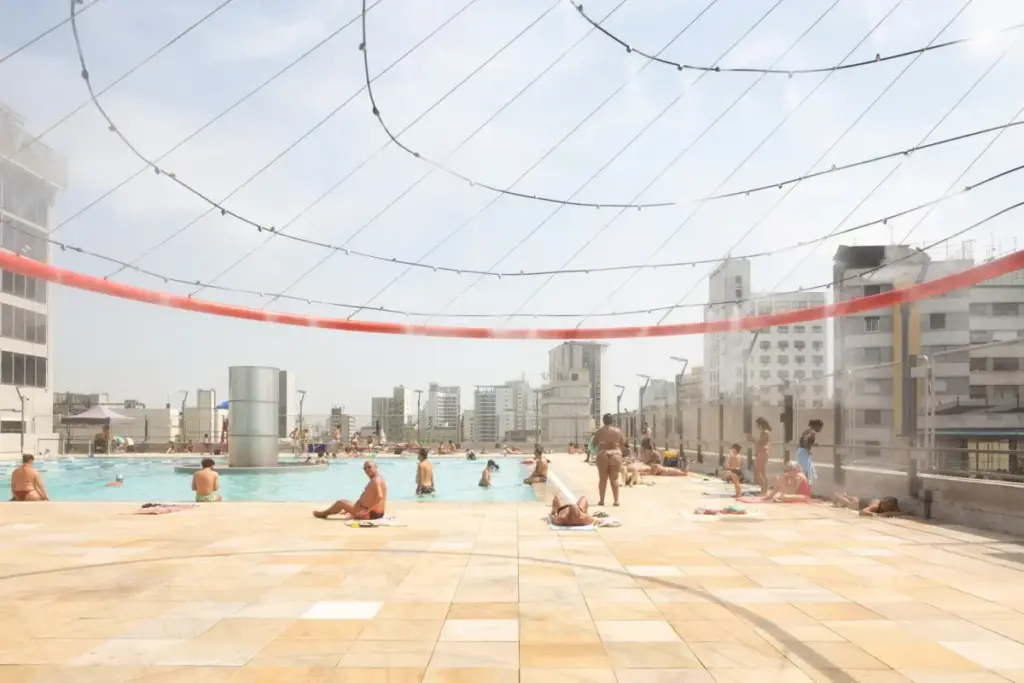
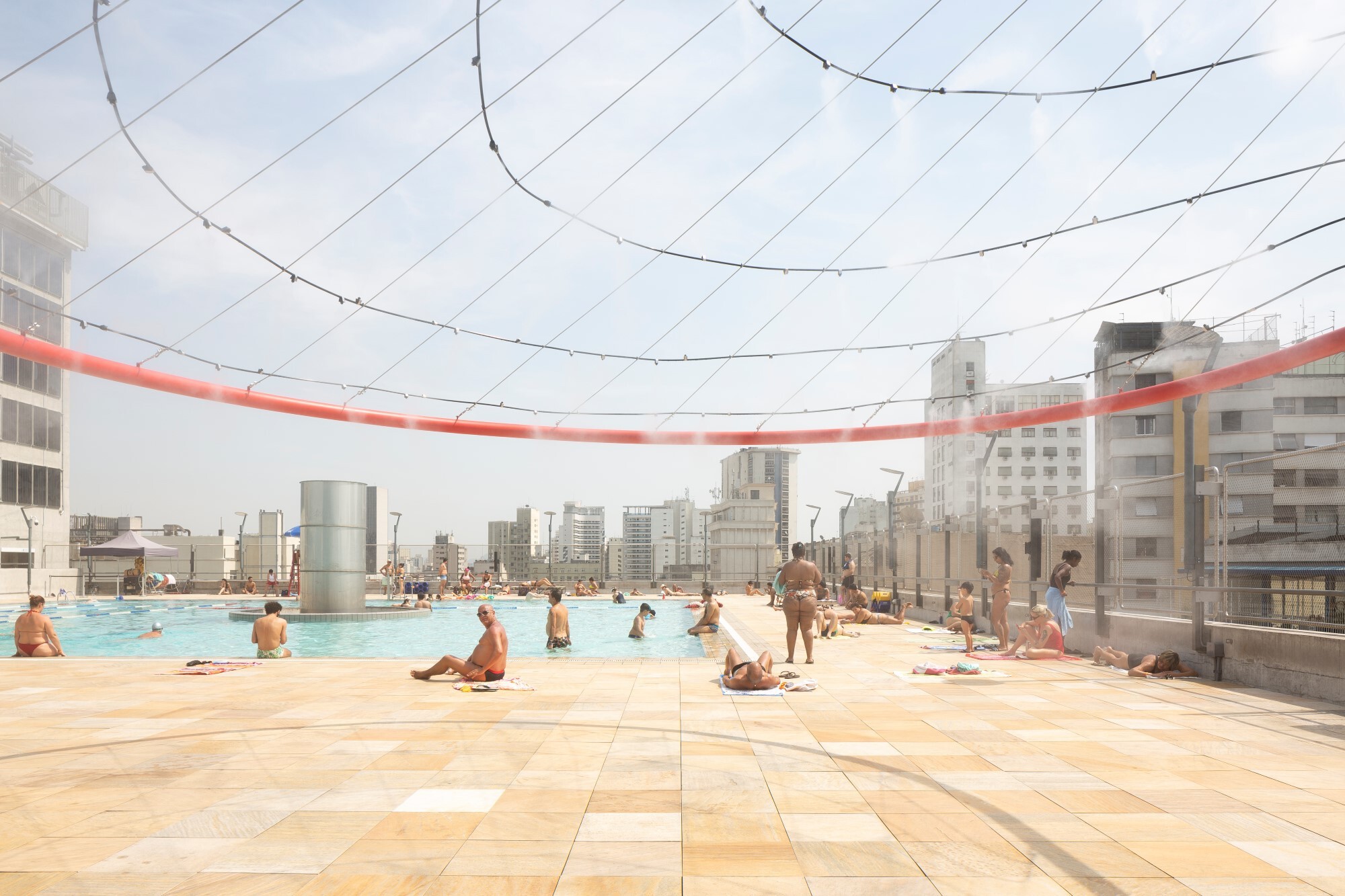
On the International Day of Democracy, the United Nations has once again brought to the fore a foundational pillar of modern civic life: broad citizen participation in governance. While political scientists and policymakers typically frame democracy through vertical structures—such as electoral ballots, legislative assemblies, and institutional hierarchies—this year’s global observance invites a spatial re-evaluation.
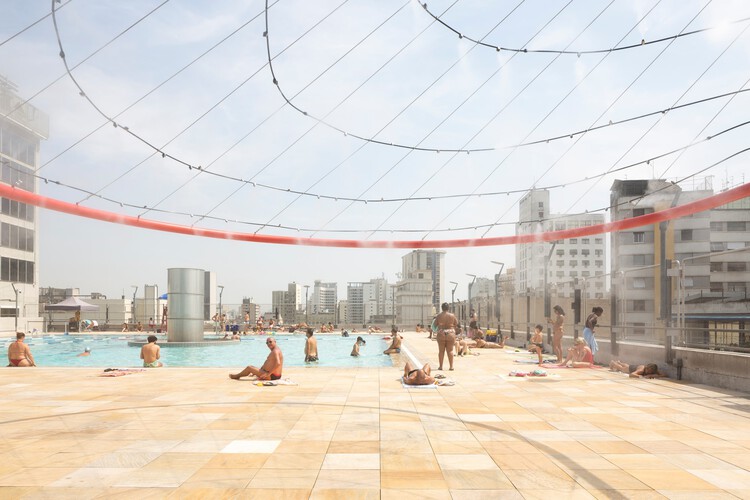
Democracy is as much a physical condition as it is a political one. From the ancient Greek agora to the modern urban plaza, the built environment serves as the stage upon which civic life is performed, contested, and negotiated. Yet, architecture and urban planning are rarely neutral backdrops. Historically, the design of our territories, public spaces, and buildings has been weaponized to enforce systems of exclusion, project authoritarian power, and protect entrenched private property interests. Conversely, when approached through an ethos of spatial equity, architecture acts as a vital tool to foster civic encounter, counter hyper-individualization, and resist democratic erosion.
In an era defined by a global crisis in political organization—marked by rising authoritarianism, exclusionary housing markets, and intensifying climate vulnerabilities—examining the intersection of architecture and democracy is more urgent than ever. This comprehensive report explores how urban design, public policy, territorial planning, and structural symbolism either reinforce or undermine democratic ideals across the globe.
Detailed Chronology: The Evolution of Democratic Spatial Practice
To understand how architecture shapes political agency, one must trace the historical evolution of spatial democracy from its exclusionary origins to contemporary struggles for radical inclusivity.

Antiquity and the Birth of the Agora
The Western conceptualization of democracy is intrinsically tied to a physical space: the Athenian agora. Originally conceived as a market square, it evolved into a gathering space where citizens could assemble, debate public policy, and exercise direct democracy. However, this early spatial manifestation of democracy was deeply exclusionary. Women, enslaved people, and foreign residents (metics) were systematically barred from the civic arena, establishing a legacy where physical gathering spaces simultaneously liberated a privileged class while subjugating others.
The Monumental Turn and Authoritarian Legacies
As nation-states consolidated during the 18th and 19th centuries, architectural symbolism shifted toward monumentalism. Neo-classical government buildings, grand axial boulevards (such as Baron Haussmann’s redesign of Paris), and sprawling civic centers were engineered to project state authority and maintain public order. Haussmann’s interventions, while celebrated for modernizing urban sanitation, were deliberately designed to prevent revolutionary street barricades and facilitate military troop movements, proving that the geometry of the street can be an instrument of crowd control.
The Post-War Welfare State and Social Housing
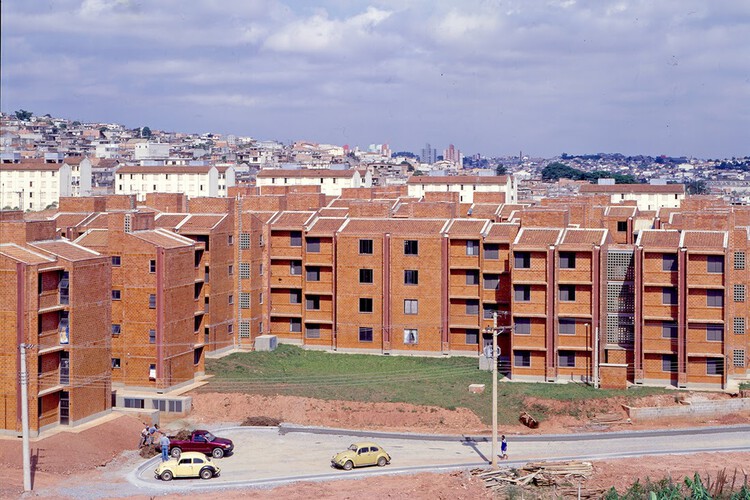
The mid-20th century marked a profound shift toward social democracy, particularly in post-war Europe and parts of Latin America. Governments invested heavily in collective infrastructure, massive social housing projects, and public amenities. Architects like Le Corbusier, Alvar Aalto, and later, radical municipal planners sought to democratize light, air, and space. Despite subsequent critiques of top-down modernist planning, this era established the precedent that access to quality housing, healthcare, and education is a fundamental spatial right guaranteed by the democratic state.
Contemporary Tactical Urbanism and Grassroots Resistance
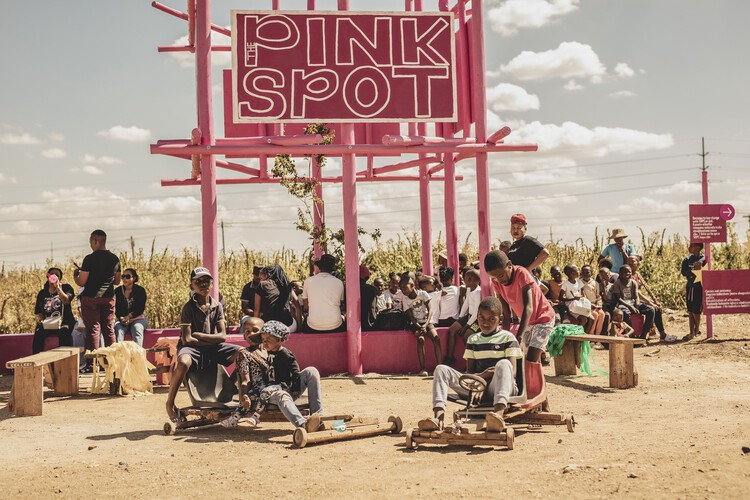
Today, the chronology of spatial democracy has decentralized. In the wake of institutional distrust, contemporary movements rely on tactical urbanism, digital-physical hybrid protests, and grassroots community-led construction. From the occupation of public squares during the Arab Spring and Black Lives Matter protests to self-managed community building initiatives in the Global South, modern democratic practice is reclaimed from the bottom up. Citizens are no longer waiting for top-down civic spaces to be bestowed upon them; they are actively carving out spaces of encounter and resistance within the fragmented modern metropolis.
Supporting Context & Metrics: Spatial Inequity in the Modern Metropolis
The realization of a democratic built environment faces formidable systemic barriers. Contemporary urbanization is frequently characterized by spatial segregation, environmental injustice, and a severe housing affordability crisis.
Public Space and the Right to Encounter
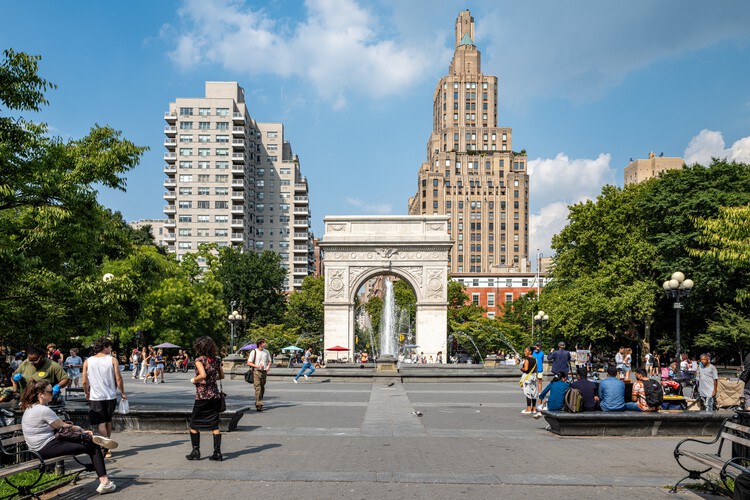
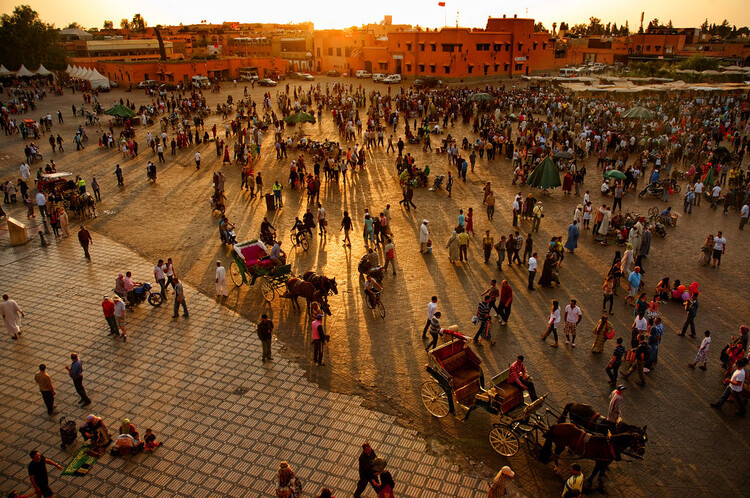
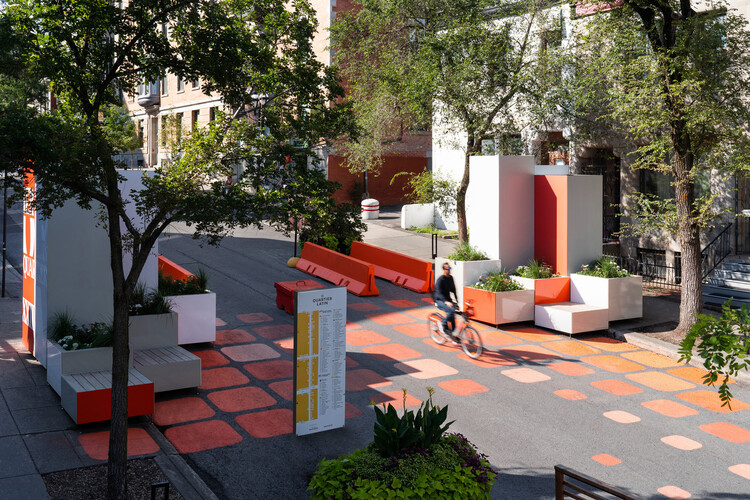
Public space is the primary arena where strangers meet, negotiate differences, and build social cohesion. However, privatized public spaces—privately owned public spaces (POPS) masquerading as civic commons—increasingly restrict protest, loitering, and free expression. Studies on urban safety and gender inclusion reveal that poorly lit, car-centric, or heavily monitored environments disproportionately exclude women, marginalized ethnic groups, and the unhoused from full civic participation.
Territorial Justice and Climate Vulnerability
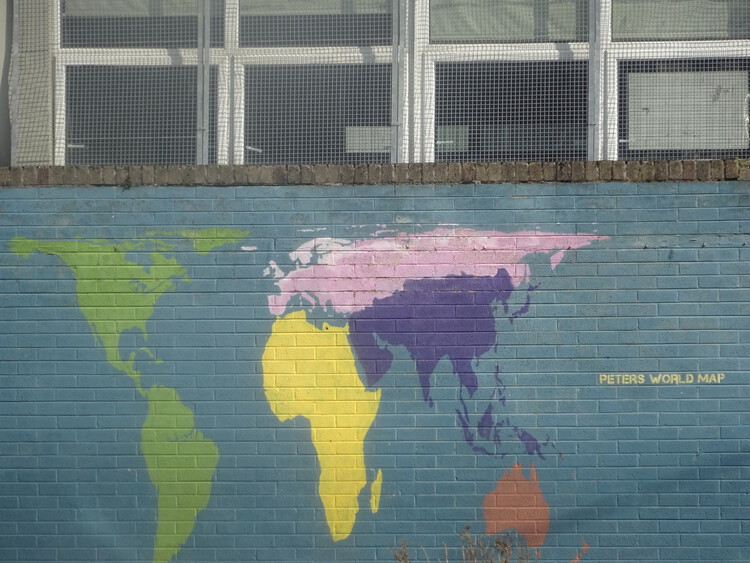
Democracy cannot thrive on unstable ground. The global climate crisis has exacerbated territorial injustices, disproportionately displacing low-income communities and informal settlements into high-risk flood zones and urban heat islands.
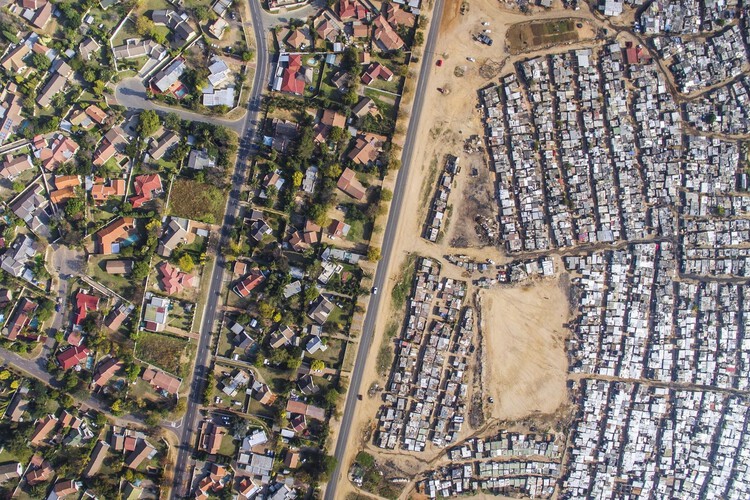
- Soil Politics: The extraction and regulation of soil and land are inherently political. In cities across both the Global North and South, land tenure security remains unevenly distributed.
- Informal Settlements: Millions of urban residents live in precarious informal settlements—such as the Kya Sands settlement in Johannesburg or peri-urban expansions globally—where basic infrastructure is absent, effectively stripping residents of their spatial citizenship and political voice.
- Indigenous Land Rights: Traditional indigenous land-management practices, such as the chinampas of Tlacoapa in Mexico, demonstrate alternative models of environmental stewardship that reconcile housing with ecological preservation, challenging Western models of absolute private property.
The Global Housing Crisis
Housing is arguably the most critical intersection of public policy and spatial democracy. Across major metropolitan hubs—from New York City and Paris to Sydney and Madrid—soaring housing costs have created unprecedented displacement. When working and middle classes are priced out of urban cores, cities fracture into economically segregated enclaves. This geographic sorting severely damages civic participation, as low-income workers spend hours commuting rather than engaging in local democratic processes. Recent legislative shifts, such as sweeping U.S. housing reforms and municipal density-zoning overhauls in Europe, underscore that expanding affordable housing is not merely an economic intervention, but a prerequisite for democratic stability.

Official Statements and Theoretical Perspectives
The intersection of architecture and democracy has drawn sustained analysis from international bodies, architectural theorists, and urban planners.
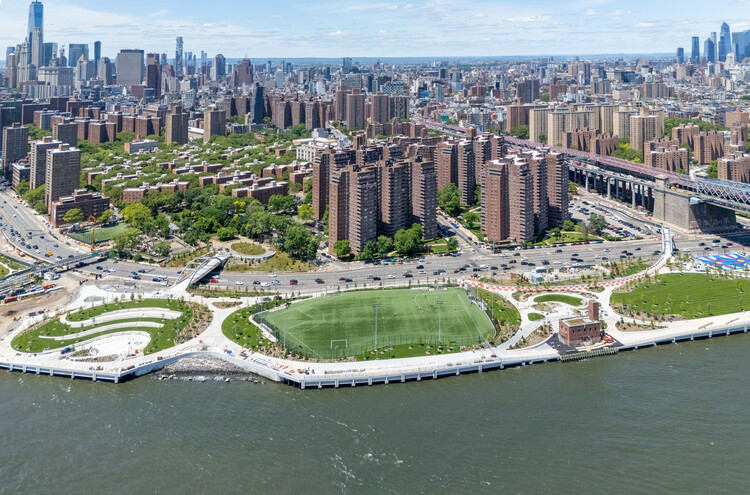
The United Nations Perspective
In its ongoing observances of the International Day of Democracy, the United Nations has emphasized that democracy is "as much a process as a goal." Translating this philosophy into spatial terms, UN-Habitat and allied urban agencies argue that sustainable urbanization must prioritize human rights, social inclusion, and gender-responsive design. Inclusive cities require legal frameworks that protect tenure rights, ensure participatory budgeting in urban planning, and guarantee equitable access to public infrastructure.
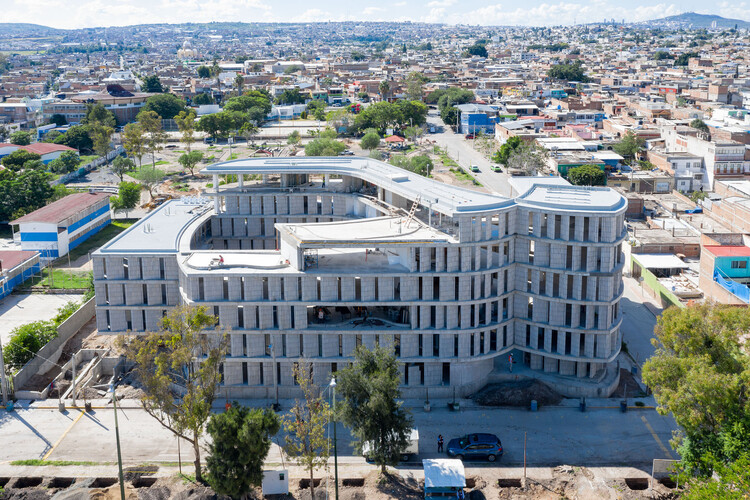
Architecture as a Political Practice
Prominent spatial theorists argue that the act of construction itself is political. Collectives such as USINA in Brazil have pioneered the legacy of collective construction, where future inhabitants work alongside architects to design and build their own homes and neighborhoods. This collaborative model subverts traditional capitalist real estate dynamics, transforming housing production into a school for democratic organization, solidarity, and shared responsibility.
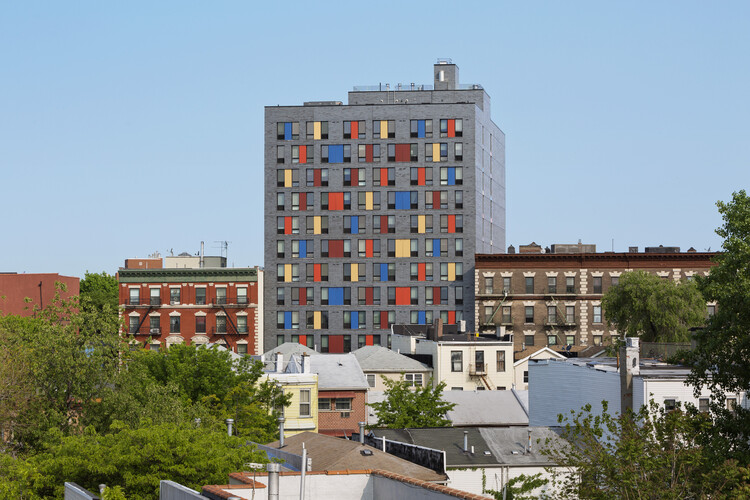
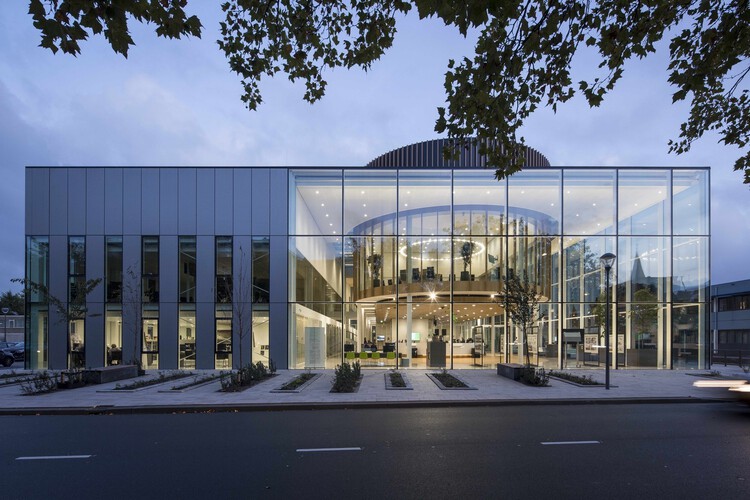
Similarly, architectural critics frequently interrogate the illusion of democratic transparency. The proliferation of all-glass government transparency buildings—such as modern town halls and parliaments—has often been critiqued as a superficial aesthetic gesture. True democratic architecture requires more than clear glass facades; it demands accessible public chambers, decentralized decision-making processes, and spatial layouts that welcome rather than intimidate the citizenry.
Future Outlook: Designing for Resilience and Inclusive Futures
As we look toward the future of democratic governance and the built environment, several key imperatives emerge for architects, urban planners, and policymakers:
- De-Commodification of Space: Cities must reclaim public land and spaces from pure financial speculation. Strengthening policies around rent stabilization, community land trusts, and public housing development will be essential to reversing spatial segregation.
- Inclusive and Resilient Infrastructure: Climate adaptation strategies must be co-designed with vulnerable communities. Spatial justice demands that flood defenses, green infrastructure, and renewable energy transitions protect all neighborhoods equally, rather than prioritizing high-value real estate.
- Radical Participation in Planning: The design process must shift from consultation to co-creation. Leveraging participatory mapping, tactical urbanism, and community-led construction empowers citizens to become active authors of their built environments.
- Reaffirming the Commons: Public squares, parks, and libraries must be fiercely protected as unmonetized zones of encounter. In an age of digital isolation and political polarization, the physical architecture of the city remains our most powerful tool for fostering empathy, dialogue, and collective democratic resilience.
Explore ArchDaily’s related coverage on United Nations International Days, including International Youth Day, International Day of the World’s Indigenous Peoples, and World Environment Day.



