

Executive Overview
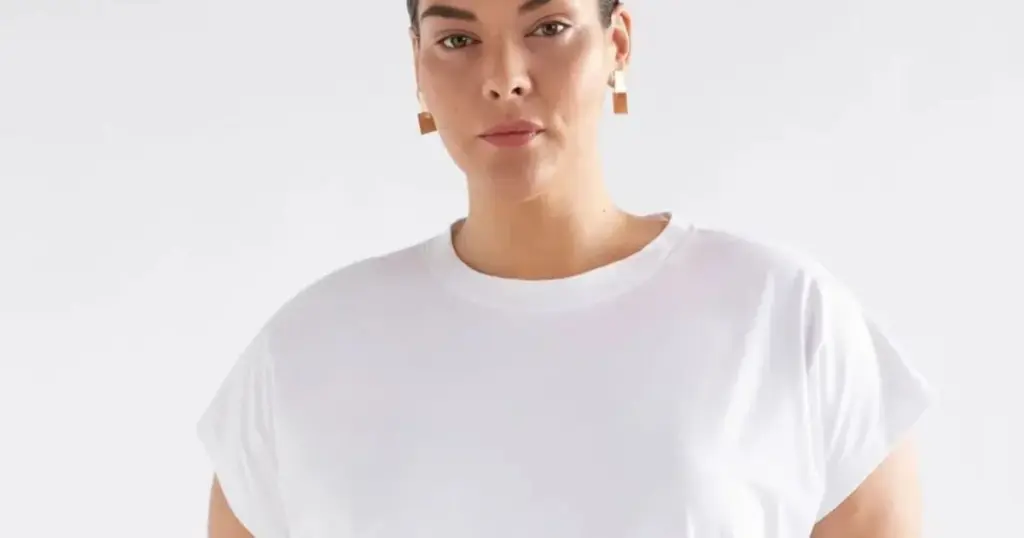
The t-shirt is universally recognized as the bedrock of modern style. It is the ultimate sartorial chameleon: layerable under a structured jumpsuit or a delicate slip dress, thrown on casually with well-worn denim, or serving as the starting block for a minimalist capsule wardrobe. Yet, despite its ubiquitous presence in drawers across the globe, the humble t-shirt carries a hidden, profound cost. For decades, the linear fast fashion model has commodified this basic garment, masking deep systemic issues involving worker exploitation, living wage deficits, chemical-heavy agriculture, and an alarming rate of textile waste.
As conscious consumers increasingly demand transparency, the fashion industry faces a reckoning. Transitioning to a sustainable wardrobe no longer means sacrificing style; rather, it requires a fundamental reassessment of how garments are sourced, constructed, and valued. To help navigate this evolving landscape, our editorial team has curated a comprehensive, globally sourced index of ethical t-shirt brands. Rated through a rigorous, multi-faceted methodology that assesses a brand’s impact on people, the planet, and animals, the companies featured below proudly achieve a “Good” or “Great” overall rating.
Organized by geographic region—spanning North America, Europe, Australia, New Zealand, and Asia—this guide highlights pioneering labels that prove that even the most basic staple can be a powerful vehicle for systemic change.
Detailed Chronology: The Evolution of the Sustainable Basic
To understand the current renaissance of the ethical t-shirt, it is vital to trace how the apparel industry arrived at its current crossroads.
The Era of Disposable Fashion (Late 20th Century to Early 2010s)
For decades, globalization and the relentless pursuit of lower production costs drove the democratization of fashion into a race to the bottom. Synthetic fibers derived from fossil fuels—primarily polyester—and conventionally grown cotton dominated the market. T-shirts became disposable commodities, often retailing for less than the price of a cup of coffee. This hyper-accelerated production cycle externalized environmental and social costs onto developing nations, leaving a trail of depleted soils, polluted waterways, and marginalized garment workers trapped in poverty cycles.
The Awakening and Micro-Trend Transparency (Mid-2010s)
Cataclysmic events, most notably the Rana Plaza disaster in Bangladesh in 2013, shattered the illusion of ethical supply chains. Consumers and watchdogs began asking fundamental questions: Who made my clothes? What are they paid? What environmental footprint does this fabric leave behind? This period marked the birth of the modern ethical fashion movement. Independent brands began rejecting seasonal micro-trends in favor of a "permanent collection" model, focusing intensely on traceability, organic fibers, and fair-trade certifications.
The Circular and Regenerative Present (Late 2010s to Present)
Today, sustainability has evolved from a niche marketing buzzword into a sophisticated operational standard. Modern conscious brands are moving beyond mere "less harm" models to restorative and regenerative practices. Initiatives such as GOTS-certified organic cotton, regenerative agriculture frameworks in Texas, textile waste minimization through offcut repurposing, and specialized custom-fit technologies are redefining what a wardrobe basic can be. The t-shirt has transitioned from a disposable item into a cornerstone of ethical activism and personal expression.
Supporting Context & Metrics: What Makes a T-Shirt Truly Sustainable?
When evaluating a basic t-shirt, conscious consumers must look past surface-level marketing claims like "eco-friendly" or "natural." A truly sustainable garment is evaluated through a strict matrix of environmental and social metrics:
- Agricultural Impact: Conventional cotton is one of the most chemically dependent crops on Earth, consuming vast amounts of synthetic fertilizers and pesticides. Sustainable alternatives prioritize Global Organic Textile Standard (GOTS) certified organic cotton, regenerative agriculture that restores soil health, and rapidly renewable crops like European and Asian hemp, which requires minimal water and revitalizes the earth.
- Worker Welfare and Living Wages: A garment cannot be sustainable if the human beings crafting it are exploited. Ethical brands guarantee safe working conditions, adhere to International Labour Organization (ILO) standards, and ensure that every worker along the supply chain is paid a living wage—not merely a legal minimum wage.
- Chemical Management: Traditional dyeing and finishing processes often release toxic heavy metals and synthetic dyes into local water systems. Lower-impact production cycles utilize non-toxic, closed-loop dyes and prioritize water recycling systems.
- Longevity and Circularity: Fast fashion relies on rapid turnover. Sustainable brands combat over-consumption by designing timeless, durable pieces, utilizing reinforced stitching, and incorporating recycled textiles or zero-waste pattern-making to keep materials out of landfills.
Regional Brand Directory & Ratings
Our editorial team has scoured the globe to identify top-performing brands that meet our rigorous rating criteria. Here is a curated look at the leading sustainable t-shirt makers across four major global regions.
The USA & Canada
1. ALTER X Company (USA)
- Focus: Purpose-driven apparel with philanthropic integration.
- Details: Crafting garments designed to empower individuals to be the change they wish to see, ALTER X Company stands out for its community-first mindset. Crucially, every single purchase triggers a 20% donation to a cause of the buyer’s choice at checkout. Their signature pieces, such as the Organic Boxy Scoop, offer both ethical integrity and versatile style.
- Sizing: XS to 2XL (Ships internationally from the US).
2. FM 669 (USA)
- Focus: Regenerative agriculture and homegrown American cotton.
- Details: FM 669 champions local supply chains by utilizing GOTS-certified cotton sourced directly from a collective of regenerative farms in Texas. Their collection—featuring relaxed tees, tank tops, and long-sleeve shirts—is produced in limited runs using lower-impact dyes. The aesthetic is effortlessly casual and gender-neutral.
- Sizing: XS to L (Ships internationally from the US).
3. Toad&Co (USA)
- Focus: Eco-conscious outdoor and everyday wear.
- Details: Bridging the gap between wilderness durability and urban style, Toad&Co designs women’s and menswear that transitions seamlessly from hiking trails to casual social settings while maintaining rigorous social and environmental standards.
- Sizing: Mostly XS to 2XL.
4. Neococo (USA)
- Focus: Refugee empowerment through artisanal hand-embroidery.
- Details: Neococo operates on a deeply human mission: creating stable, safe employment for women refugees adapting to new cultures. By harnessing the art of hand embroidery, Neococo fosters community support and financial independence, crafting pieces centered around women’s empowerment.
- Sizing: XS to 3XL (Ships internationally from the US).
5. LA Relaxed (USA)
- Focus: Renewable energy and low-impact material blending.
- Details: Driven by the motto "Simplicity, sustainability, style," LA Relaxed drastically reduces its climate impact by integrating renewable energy throughout its supply chain. Their collections incorporate premium lower-impact materials, including GOTS organic cotton and TENCEL Lyocell.
- Sizing: XS to XL (Ships internationally from the US).
Europe
1. Colorful Standard (Denmark)
- Focus: Timeless essentials and anti-overconsumption.
- Details: Rejecting the volatile cycle of seasonal trends, Danish brand Colorful Standard creates durable, organic fashion essentials designed to last. Their vibrant color palettes and classic silhouettes are engineered to prevent the downward spiral of fast-fashion over-consumption.
- Sizing: Mostly XS to 2XL (Ships internationally from Denmark).
2. ASKET (Sweden)
- Focus: Permanent collections and revolutionary sizing.
- Details: Founded in 2015, ASKET bypassed the traditional seasonal retail calendar entirely. By cutting out middlemen and selling directly to consumers, they focus exclusively on perfecting a single permanent collection of wardrobe foundations, offering revolutionary multi-length sizing for an optimal fit.
- Sizing: 2XS to 2XL (Ships internationally from Sweden).
3. CAES (Netherlands)
- Focus: Minimalist luxury and innovative materials.
- Details: Operating under the philosophy that fashion does not need to be fast or seasonal, Dutch label CAES crafts elegant, minimalist garments using cutting-edge lower-impact materials such as Desserto cactus leather, recycled cotton, and Tencel Lyocell. They maintain partial supply chain traceability and adhere to strict ILO labor standards.
- Sizing: Varies by collection (Ships internationally from the Netherlands).
4. NIKIN (Switzerland)
- Focus: Reforestation and environmental advocacy.
- Details: For consumers who wear their environmental values proudly, Swiss brand NIKIN ties every single purchase directly to ecological restoration—planting a tree for every item sold while offering minimalist, wearable basics.
- Sizing: XS to 2XL.
5. THTC (United Kingdom)
- Focus: Hemp streetwear and charity collaborations.
- Details: A true pioneer in organic hemp apparel, THTC (The Hemp Trading Company) produces premium-weight t-shirts, hoodies, and streetwear. Beyond their retail line, they produce white-label apparel ranges for non-governmental organizations and charities.
- Sizing: Standard ranges available (Ships internationally from the UK).
6. WAWWA (United Kingdom)
- Focus: Circular design, vegan-friendly materials, and social impact.
- Details: WAWWA places the Earth and its inhabitants first by engineering organic, fair-trade, and vegan-friendly apparel. They minimize textile waste by reusing fabric offcuts, utilizing recycled materials, and applying lower-impact non-toxic dyes.
- Sizing: XS to 2XL.
Australia & New Zealand
1. Citizen Wolf (Australia)
- Focus: Custom-fit technology and localized milling.
- Details: Utilizing revolutionary custom-fit tech to guarantee an unparalleled fit, Citizen Wolf handmakes each t-shirt in Sydney, Australia. They exclusively utilize certified lower-impact fabrics, including organic cotton, hemp, and Merino wool milled locally in Melbourne.
- Sizing: Custom-measured.
2. Elk (Australia)
- Focus: Independent design and bi-annual innovation.
- Details: Founded in Melbourne in 2004, Elk is an independent design pioneer balancing simplicity, longevity, and sustainability across its thoughtfully curated collections.
- Sizing: AU sizes 6 to 18.
3. Etiko (Australia)
- Focus: Human rights advocacy and fair trade certification.
- Details: Etiko consistently sets the benchmark for ethical fashion in the Southern Hemisphere, fiercely campaigning for the human rights of vulnerable workers trapped within traditionally exploitative supply chains while utilizing certified organic materials.
- Sizing: Clothing AU sizes 8 to 20; footwear UK sizes 3 to 13.
4. Kowtow (New Zealand)
- Focus: Circularity, non-toxic dyes, and organic womenswear.
- Details: New Zealand’s Kowtow creates elegant, architectural womenswear using 100% fair-trade certified organic cotton and non-toxic dyes, ensuring that every garment can safely return to the earth at the end of its life cycle.
- Sizing: XS to L (Ships internationally from New Zealand).
5. STAPLE Co (Australia)
- Focus: Premium organic cotton wardrobe anchors.
- Details: A dedicated Australian label specializing exclusively in high-grade organic cotton essentials designed to serve as the long-lasting foundation of a conscious wardrobe.
Asia
1. The Summer House (India)
- Focus: Artisan partnerships and flowing local silhouettes.
- Details: Based in India, The Summer House crafts exquisite womenswear using locally sourced, lower-impact fabrics. By partnering closely with regional artisans and NGOs, they create meaningful economic opportunities while producing timeless garments defined by elegant prints and flowing silhouettes.
- Sizing: XS to XL (Ships internationally from India).
2. SeamsFriendly (India)
- Focus: Zero-waste custom tailoring and modular sizing.
- Details: SeamsFriendly revolutionizes garment consumption by offering made-to-order, highly customizable clothing tailored to exact body measurements. Shoppers can alter neckline styles, sleeve lengths, and garment dimensions across organic cotton and linen collections, drastically reducing deadstock and textile waste.
- Sizing: Custom sizing available (Womenswear bust 26″–70″; Menswear chest 34″+; extensive kids’ ranges).
3. No Nasties (India)
- Focus: 100% Fairtrade organic cotton and market transformation.
- Details: A global leader in responsible fashion, No Nasties produces stylish, accessible apparel made entirely from Fairtrade organic cotton in India, actively working on the ground to expand the domestic ethical consumer market.
- Sizing: 2XS to 3XL.
Official Statements & Industry Insights
Industry analysts and sustainability watchdogs emphasize that systemic change requires consumer participation paired with corporate accountability.
"The fashion industry stands at a critical juncture," notes a leading sustainable textiles researcher. "When consumers purchase a basic item like a t-shirt, they are casting a ballot for either a system of extraction and exploitation or a system of regeneration and mutual respect. Brands that prioritize transparent supply chains, living wages, and organic agriculture are no longer outliers—they are proving that the future of fashion must be circular, ethical, and accountable."
Furthermore, rating platforms like Good On You stress the importance of verifiable data over greenwashed marketing. Independent, rigorous third-party assessments empower buyers to cut through corporate messaging and support brands that actively improve labor and environmental practices.
Future Outlook
As regulatory bodies in Europe and North America begin clamping down on greenwashing—introducing mandatory digital product passports and stricter corporate sustainability reporting—the fashion landscape is poised for dramatic transformation.
The era of cheap, disposable basics is facing mounting pressure from both legislative frameworks and a culturally shifting consumer base. Moving forward, the most successful brands will be those that embrace radical transparency, design for circularity, and treat garment workers as valued partners rather than expendable labor.
By investing in high-quality, ethically produced t-shirts from certified brands, consumers are not merely updating their wardrobes; they are actively funding a cleaner, fairer, and more resilient global fashion ecosystem. Wear the change you want to see—because even the smallest staple can spark a revolution.



