


Executive Overview
As the impacts of climate change accelerate across the United States—manifesting as fiercer hurricanes, intensifying wildfires, and catastrophic floods—a parallel financial crisis is quietly destabilizing the American housing market. While soaring home insurance premiums are hitting households nationwide, a landmark investigation reveals that the burden is far from evenly distributed.
According to a comprehensive July report published by the Consumer Federation of America (CFA)—a national nonprofit association representing nearly 250 consumer organizations—homeowners in predominantly Black and Hispanic neighborhoods are paying a disproportionate and punishing share of rising insurance costs. Controlling for variables such as home value, structural characteristics, and coverage levels by analyzing identical policies across different communities, the study uncovers systemic disparities: homeowners in predominantly Hispanic ZIP codes pay, on average, 30 percent higher premiums—amounting to roughly $950 more annually—than their counterparts in white neighborhoods. In predominantly Black ZIP codes, homeowners face an average 16 percent premium markup, translating to an extra $500 per year.
Over the lifespan of a standard 30-year mortgage, these compounding disparities add up to an astronomical financial penalty: at least $28,500 in extra housing costs for families in Hispanic communities, and roughly $15,000 for those in Black communities. This widening affordability gap arrives as climate-driven disasters cross unprecedented financial thresholds, threatening to lock communities of color out of the stabilizing wealth-building engine of homeownership. While the insurance industry vehemently denies that race plays any role in underwriting, consumer advocates and housing experts argue that legacy inequities, modern algorithmic pricing models, and unchecked systemic biases are effectively resurrecting the ghosts of mid-century redlining in the twenty-first century.
Detailed Chronology: From Historic Redlining to Modern Algorithmic Bias
To understand the roots of today’s insurance pricing gaps, it is necessary to examine the long history of systemic discrimination in American housing finance—a trajectory that bridges mid-century urban policy with modern-day catastrophe economics.
1. The Era of Explicit Redlining (Pre-1968)
For decades following the Great Depression, the federal government, in collaboration with private banking and real estate institutions, institutionalized a practice known as "redlining." Neighborhoods populated predominantly by Black and Hispanic residents were routinely outlined in red ink on municipal maps and officially designated as "hazardous" or "undesirable" for mortgage lending and investment. Consequently, residents of these zones were systematically denied home loans, starving these communities of capital, depressing property values, and severely restricting minority access to generational wealth accumulation through homeownership.
2. The Fair Housing Act and the Legacy of Segregation (1968)
The passage of the Civil Rights Act of 1968 (specifically Title VIII, known as the Fair Housing Act) formally outlawed housing discrimination based on race, color, religion, sex, or national origin. While this landmark legislation brought a legal halt to explicit, de jure housing discrimination, it could not instantly dismantle the entrenched geography of American cities. The historical legacy of redlining left deep physical, economic, and social scars. Decades later, these same historically marginalized neighborhoods suffer from acute structural vulnerabilities—ranging from heat island effects and underfunded municipal infrastructure to higher concentrations of environmental hazards.
3. Landmark Legal Reckonings (1990s)
By the late twentieth century, investigations and private litigation began exposing how insurance companies quietly perpetuated these geographic and racial divides. In the 1990s, major insurers faced severe legal reckoning. Nationwide Insurance agreed to a landmark $17.5 million settlement following a major lawsuit alleging the company discouraged agents from operating in Black neighborhoods, labeled Black ZIP codes as commercially undesirable, and deployed proxy racial profiling to deny coverage. Shortly thereafter, American Family Mutual Insurance Company agreed to pay more than $16 million to settle allegations that it systematically provided inferior policy terms or denied coverage altogether to Black homeowners based on race.
4. The Contemporary Affordability and Climate Crisis (2021–2026)
Between 2021 and 2024, the baseline cost of home insurance for the typical American homeowner jumped by an alarming 24 percent, driven primarily by the rising frequency and severity of billion-dollar weather disasters fueled by fossil-fuel-driven greenhouse gas emissions. As insurers across the country pull back from high-risk markets or dramatically hike rates, the hidden vulnerabilities within the system have widened. The Consumer Federation of America’s July report brought national scrutiny to this dynamic, demonstrating that even when properties are identical in structure and value, the racial composition of a ZIP code serves as a powerful, hidden lever driving up the cost of protection.
Supporting Context & Metrics: The Anatomy of the Insurance Gap
The CFA report’s methodology is central to its credibility. By analyzing identical policies across different communities, researchers successfully neutralized standard industry defenses—such as claims that inequities are driven by differences in home size, building materials, or individual coverage choices. Even when researchers controlled for local risk factors, a substantial and unexplained pricing gap persisted.
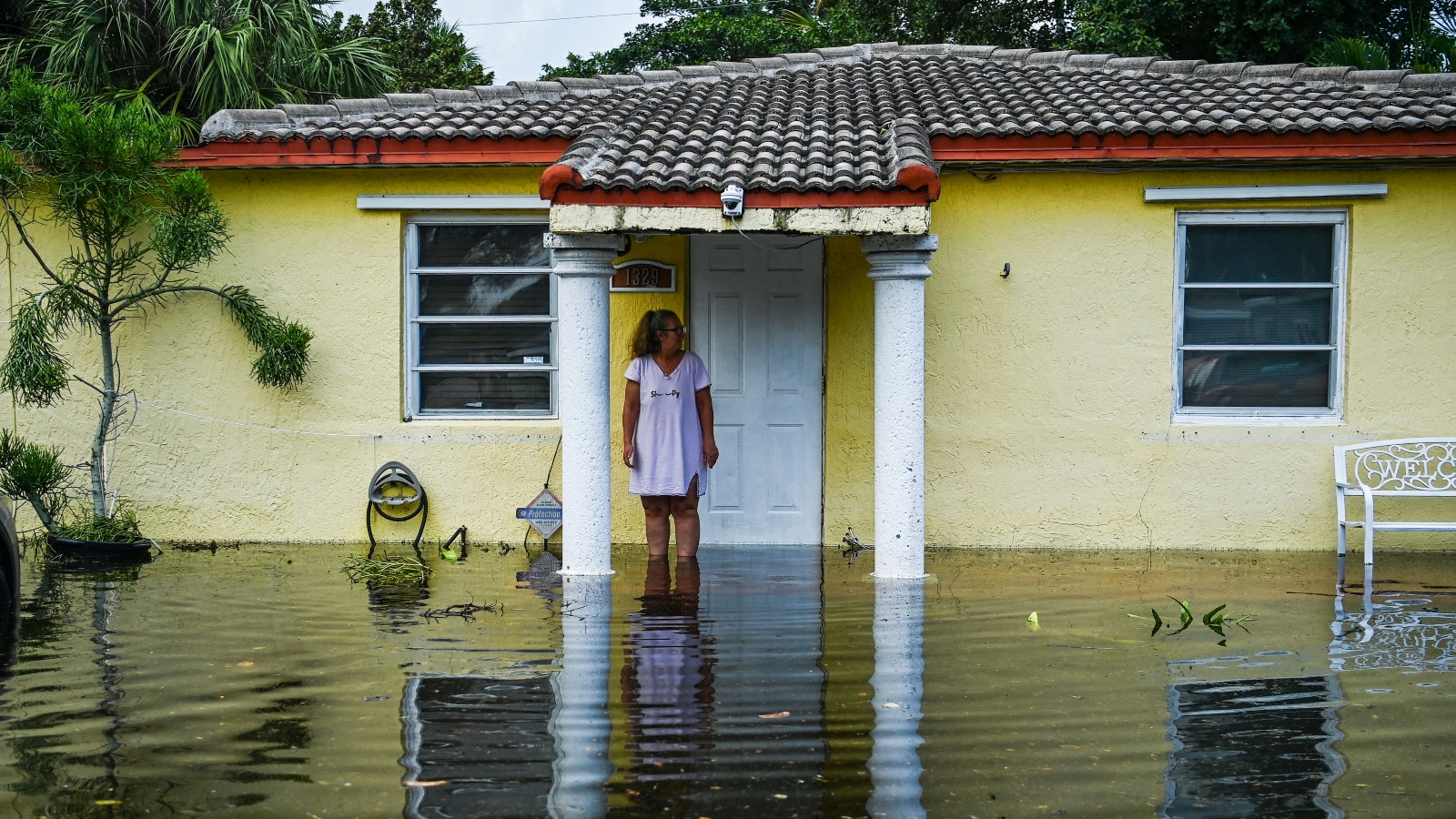
The geographic concentration of these disparities reveals striking regional variations across both Hispanic and Black communities:
The Hispanic Insurance Penalty: State-by-State Breakdown
Homeowners in predominantly Hispanic ZIP codes experience the most severe penalties in states grappling with intense climate impacts and insurance market turmoil:
- Florida: Leads the nation with a staggering 58 percent disparity, forcing Hispanic homeowners to pay an average of $5,014 more annually for the exact same coverage as those in white communities.
- New York: A 20 percent markup, translating to $431 extra per year.
- Washington: An 18 percent markup, or $278 extra annually.
- Massachusetts: A 16 percent markup, or $244 extra annually.
- Kansas: A 15 percent markup, or $633 extra annually.
The Black Insurance Penalty: State-by-State Breakdown
For predominantly Black ZIP codes, the pricing penalty reaches acute levels in the industrial Midwest and Northeast:
- Michigan: Ranks highest in the nation with a 74 percent disparity, costing Black homeowners an average of $1,768 extra annually.
- Pennsylvania: A 57 percent markup, totaling $1,048 extra per year.
- New Jersey: A 22 percent markup, or $332 extra annually.
- Massachusetts: A 20 percent markup, or $321 extra annually.
- New York: A 19 percent markup, or $417 extra annually.
The Modern Threat of Algorithmic Bias and Credit Scoring
As traditional underwriting gives way to advanced technology, consumer advocates warn of new frontiers for discriminatory impact. Modern insurance companies increasingly rely on proprietary underwriting algorithms and artificial intelligence to determine premium pricing and claims payouts.
While these models claim to be mathematically objective, they frequently incorporate proxy variables that correlate heavily with race. For example, previous CFA research revealed that homeowners with lower credit scores pay an astronomical penalty averaging $1,996 annually—a 99 percent increase—for identical insurance coverage. Due to longstanding structural economic disparities, systemic lending discrimination, and generational wealth gaps, people of color disproportionately possess lower credit scores, creating a feedback loop where financial vulnerability is systematically penalized under the guise of neutral risk assessment.
"I’m not saying that they have some secret race factor that they put into their model," explains Sharon Cornelissen, director of housing at the Consumer Federation of America and co-author of the report. "A lot of this bias can kind of creep in if they’re not paying attention to potential unequal impacts. A lot of this could be through AI models or other factors that have a disproportionate impact on Black and Hispanic communities."
Official Statements and Industry Perspectives
The release of the CFA report has ignited a fierce debate between consumer protection advocates and the insurance industry over the structural drivers of modern insurance pricing.
The Insurance Industry Defense
Representatives for the insurance sector strongly reject the notion that racial bias influences underwriting or rating practices, maintaining that rates are strictly tethered to objective actuarial science and tightly overseen by state regulators.
Mark Friedlander, spokesman for the Insurance Information Institute (III), issued a direct defense of current industry practices in a statement to Inside Climate News:
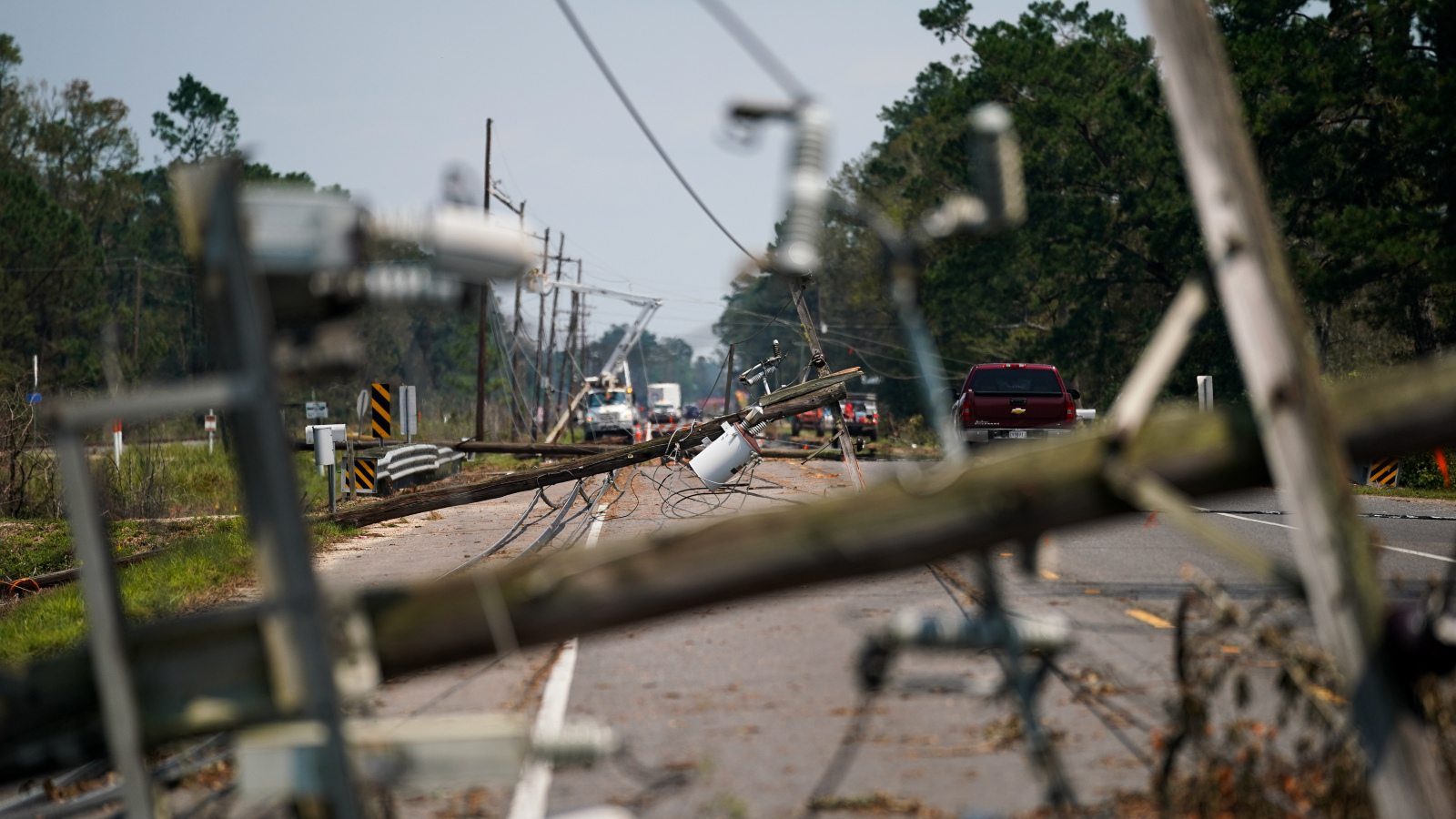
"Using race, or any proxy for race, to set insurance rates is illegal in every U.S. jurisdiction, and state insurance regulators review and approve the rating factors insurers use precisely to guard against that. Many of the communities cited in reports like this are located in areas with objectively higher catastrophe exposure or higher costs to rebuild and repair after a loss."
Friedlander argued that the path forward relies not on regulatory accusations, but on aggressive risk reduction and community resilience initiatives, such as strengthening local building codes and scaling up federal and state mitigation funding to protect vulnerable housing stock from extreme weather.
The Consumer Advocate Counter-Perspective
Housing and economic justice advocates, however, find the industry’s explanations insufficient to justify the sheer magnitude of the pricing discrepancies, particularly given that the study controlled for structural and property differences.
"We’ve talked a lot about our insurance affordability crisis," notes Sharon Cornelissen of the CFA. "What we haven’t really talked about is sort of the racially inequitable impacts of that, and that Black and Hispanic homeowners are particularly struggling."
Moira Birss, a senior fellow at the progressive think tank Climate and Community Institute, emphasized the devastating real-world human toll of these financial burdens, especially in states like Florida where homeowners are already facing an unprecedented cost-of-living squeeze.
"The inequities represent an enormous amount of money," Birss said. "And so when we’re thinking about how we’re having an affordability crisis in this country… that’s unconscionable. Unless the insurance industry wants to give us more information about why this is happening, it’s pretty hard not to interpret this as pretty serious racial discrimination."
Future Outlook: Navigating the Intersection of Climate Justice and Fair Housing
As global temperatures continue to rise and extreme weather events become the new normal, the American home insurance market faces an existential reckoning. Without targeted policy interventions, the compounding cost of climate risk threatens to price minority families out of homeownership entirely, deepening the racial wealth gap and leaving marginalized neighborhoods undefended against ecological shocks.
To avert a compounding crisis, consumer protection groups, civil rights advocates, and policy experts are calling for sweeping reforms:
- Strict Algorithmic Transparency and Auditing: State insurance commissioners must demand complete transparency from insurers regarding the proprietary algorithms, AI models, and alternative data points (such as credit scores) utilized in underwriting. Independent civil rights audits should be mandated to screen for disparate impacts.
- Reforms to Risk and Rating Factors: Regulators must critically evaluate whether current rating systems unfairly penalize communities for historical underinvestment in public infrastructure, ensuring that policyholders are not twice punished for the legacy of redlining.
- Equitable Climate Mitigation Funding: Federal and state resilience grants must be proactively directed toward low-income neighborhoods and communities of color to harden housing stock against climate disasters, directly lowering physical risk and, consequently, premium costs.
- Enhanced Enforcement of Fair Housing Laws: State and federal regulators must aggressively enforce fair housing and anti-discrimination statutes within the property and casualty insurance sectors, treating unexplained pricing disparities as a matter of urgent civil rights concern.
Ultimately, as the climate crisis tests the resilience of the American financial system, ensuring affordable and equitable access to home insurance is no longer just an economic challenge—it is a fundamental test of environmental and racial justice.



