

Executive Overview
As the searing memories of summer heatwaves begin to fade, a starkly different meteorological reality is taking shape across the United Kingdom. Driven by an accelerating global climate crisis compounded by a record-breaking El Niño weather pattern, government officials, environmental agencies, and disaster resilience experts are sounding a unified alarm. Households nationwide are being urged to prepare immediately for a potentially destructive winter defined by torrential downpours, severe gales, and widespread flooding.
While structural mitigation—such as large-scale civil engineering, reinforced river defences, and regional infrastructure upgrades—remains the responsibility of national and local governments, the immediate frontline of defense rests within individual communities and residential properties. With the UK’s designated flood season fast approaching, experts stress that waiting for emergency alerts is no longer a viable strategy. Instead, proactive household hardening, garden redesigns, and neighborhood coordination are critical to mitigating the devastating physical and financial toll of rising waters.
Detailed Chronology: The Escalating Threat and the Path to Preparedness
The trajectory toward this year’s heightened winter flood risk has been months, if not decades, in the making. Understanding how the UK arrived at this vulnerable juncture requires examining the compounding factors of climate volatility and the timeline of recommended readiness.
The Climate Catalysts
Throughout the spring and summer, meteorologists tracked the confluence of rising global temperatures and a robust El Niño cycle. This natural climate phenomenon, characterized by warmer-than-average sea-surface temperatures in the central and eastern Pacific Ocean, fundamentally disrupts global atmospheric circulation. For the UK, this translates to heightened atmospheric volatility, shifting jet streams, and an increased frequency of atmospheric rivers—narrow bands of concentrated moisture in the atmosphere capable of dropping unprecedented volumes of rain in compressed timeframes.
Weeks Out: Assessment and Community Mobilization
With the flood season only weeks away, experts recommend a strict, chronological approach to community and personal readiness:
- Phase 1: Risk Identification and Digital Enrollment. Residents must first consult the official government portal to check whether their specific postcode is cataloged as a long-term flood risk. Following this, households are urged to sign up for the Environment Agency’s real-time flood warning system and verify whether their local municipal council operates a targeted community alert scheme.
- Phase 2: Establishing Local Flood Groups. Communities that lack formal organization should establish neighbourhood flood networks. These grassroots bodies can engage directly with local councils to review existing municipal flood plans, lobby for sustainable urban drainage systems (SuDS)—such as permeable paving and rain gardens—and identify vulnerable residents requiring specialized evacuation or physical support.
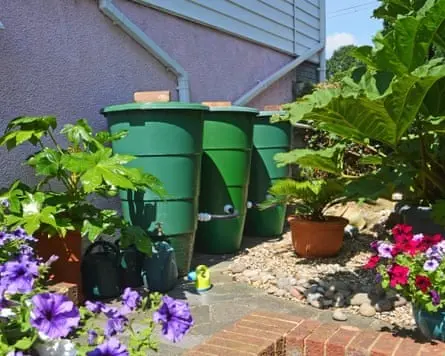
- Phase 3: Exterior Property Audit. Long before floodwaters threaten a doorstep, homeowners must inspect the structural integrity of their exterior walls. Cracks in brickwork or crumbling mortar act as conduits for water ingress. Clearing gutters, servicing downpipes, and installing water butts provide the first line of defense against surface water accumulation.
- Phase 4: Interior Emergency Logistics. Preparing the interior involves crafting a comprehensive "flood to-do list" detailing critical emergency actions, such as shutting off gas and electricity mains. Assembling a dedicated "flood box" containing headtorches, waterproof tape, plastic sheeting, and absorbent flood cushions ensures vital tools are accessible instantly, rather than hunted for while water rises.
Supporting Context & Metrics: The Science of Surface Water and Structural Vulnerability
The nature of flooding in the UK has undergone a profound shift. While historic flood management focused heavily on overflowing rivers and coastal storm surges, contemporary meteorology highlights surface water flooding—often referred to as pluvial flooding—as an escalating and pervasive danger.
Surface water occurs when intense rainfall overwhelms local urban drainage systems faster than the ground or infrastructure can absorb it. According to Tracey Garrett, Chief Executive of the National Flood Forum, these changing weather patterns demand a complete rethink of domestic resilience.
"We are seeing increasingly intense rainfall and a growing risk from surface water flooding," Garrett notes. "Climate change means we cannot assume that the flooding patterns of the past will necessarily be the patterns of the future. This makes preparation more important than ever."
The Role of Gardens and Outdoor Spaces
Urban creep—the paving over of front gardens, the installation of impermeable artificial grass, and the widespread use of concrete driveways—has exacerbated pluvial flooding. When rain hits a non-porous surface, it surges directly into public drainage systems, pushing municipal infrastructure past its breaking point.
Mary Long-Dhonau, pioneer of the Flood Mary campaign and a leading voice in property flood resilience (PFR), emphasizes that outdoor mitigation is just as vital as indoor defenses.

- Wall Integrity: "Having cracks or crumbling mortar can be like having 20 taps in your wall that will let the flood water straight in," Long-Dhonau warns, recommending breathable waterproof sealants for exterior masonry.
- Strategic Water Butts: Rainwater harvesting via water butts offers a dual benefit. By emptying water butts immediately upon receiving a severe weather warning, households create maximum retention capacity for incoming rainfall, thereby easing the burden on local drains.
- Nature-Based Solutions: Replacing even small patches of concrete with water-thirsty planting beds, rain gardens, or permeable pavers allows water to infiltrate the soil naturally, adhering to the core principle of working with, rather than against, nature.
Emergency Defenses: From Airbricks to Ingenuity
When floodwaters breach a property, vulnerable architectural features can spell disaster. A standard household airbrick—designed to ventilate sub-floor timber frames—can permit thousands of litres of water to rush into a home every hour. Experts advise replacing these with Kitemarked self-closing airbricks or utilizing temporary covers. Similarly, doorways can be protected via custom flood doors or modular exterior barriers.
However, in emergency scenarios where specialized equipment is unavailable, ingenuity takes precedence:
- Airbricks and Openings: High-quality aluminium flood tape provides a remarkably cheap, effective seal for vulnerable gaps around doors, windows, and vents compared to traditional sandbags.
- The Toilet Defense: One of the most distressing aspects of urban flooding is the backflow of municipal sewage through domestic toilet systems. While non-return valves offer permanent protection, emergency interventions can include deflating a children’s football, pushing it firmly down the toilet bowl, and reinflating it to create a tight plug before taping down the toilet seat.
- Furniture Elevation: Raising household items out of harm’s way using upturned buckets, decorator’s trestles, or even wellington boots on table legs can prevent catastrophic losses. Curtains can be tied securely out of reach using scarves or tights, and irreplaceable sentimental objects should be safely stored in heavy-duty plastic clip boxes.
Official Statements and Expert Guidance
The urgency of this year’s seasonal warnings is underscored by government-backed entities and resilience specialists who stress that proactive adaptation yields immense emotional and financial dividends.
Kelly Ostler-Coyle, representing Flood Re—a joint initiative between the UK government and insurance industry designed to make flood cover more affordable—underscores the practical value of early intervention:
"No one can predict exactly where or when flooding will happen, but there are practical steps that people can take to make their homes more resilient. A little preparation can make a real difference—helping to protect the things people care about and making it easier to get back into their homes and back to normal if flooding does happen."
Insurance data consistently demonstrates that properties retrofitted with flood-resilient materials—such as waterproof lime-based plasters, raised electrical sockets, and ceramic or stone tiling rather than carpets—recover significantly faster and at a fraction of the restoration cost following a flood event.
Future Outlook: Building Long-Term Adaptation
As the United Kingdom confronts the sobering reality of a warming world, the approach to flood management must evolve from reactive disaster recovery to systemic, anticipatory adaptation. The confluence of El Niño cycles and long-term climate destabilization indicates that extreme weather events will continue to test the limits of national infrastructure.
While major investments in regional flood barriers, catchment-scale natural flood management (such as upstream re-forestation and peatland restoration), and urban drainage overhauls remain non-negotiable government priorities, individual agency cannot be understated.
The message from the National Flood Forum, Flood Mary, and Flood Re is unequivocal: preparedness is not an admission of defeat, but an empowerment of communities. By auditing exterior masonry, redesigning urban gardens for maximum permeability, curating emergency flood boxes, and fostering robust neighbourhood support networks, UK households can transform themselves from passive victims of the climate crisis into resilient stewards of their own safety. As the autumn gales gather strength on the horizon, the time for passive observation has ended; the season for proactive resilience is now.



