The cutting board serves as the foundational bedrock of domestic and professional cooking alike. It is the unheralded workhorse for every recipe requiring dicing, smashing, mincing, carving, or assembly. Yet, for decades, the modern kitchen has relied heavily on petroleum-based plastic boards—valued for their low cost, featherlight build, and assumed superiority in sanitation.
Recent scientific scrutiny, however, has cast a long shadow over these kitchen essentials. Investigative research reveals that conventional plastic cutting boards shed significant quantities of microplastics directly into prepared food during routine chopping. While the long-term human health impacts of chronic microplastic ingestion remain a subject of active toxicological research, the consensus among health-conscious cooks is clear: synthetic polymers have no place in a minestrone or a weeknight stir-fry.
Concurrently, a persistent cultural myth—that plastic boards are inherently more hygienic than traditional wood—has been systematically dismantled. Data from food safety authorities demonstrate that, once properly cleaned, the microbiological counts on wooden and plastic surfaces show only minor differences. To help home cooks navigate this shift, a rigorous, six-week testing protocol was established to evaluate the market’s best non-toxic, plastic-free, and alternative cutting boards. This guide details those findings, offering a roadmap to safer, more durable, and aesthetically stunning kitchen upgrades.
Detailed Chronology: Putting Plastic-Free Boards to the Test
To separate marketing hype from culinary utility, a rigorous trial of ten top-tier, plastic-free and alternative cutting boards was conducted over a six-week period. The testing regimen was designed to reflect the messy, high-friction realities of a small, active home kitchen.
Week 1–2: Out-of-the-Box Ergonomics and Handling
The evaluation began the moment each board arrived on the counter. A cutting board must balance heft with manageability. Even the grandest, thickest end-grain butcher block must eventually be carried to the sink for hand-washing.
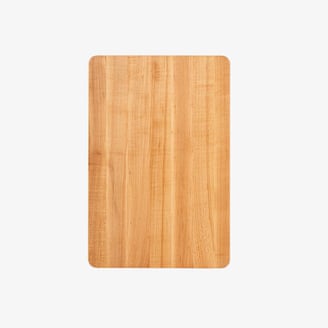
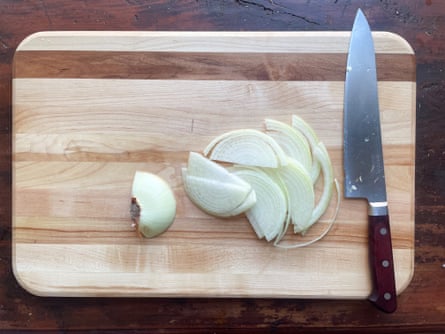
John Boos Chop-N-Slice Maple Cutting Board ($60): Immediate praise was earned for its curved corners and manageable profile. Ranging from compact models to larger work surfaces, it bridged the gap between heavy-duty prep and agile counter storage.
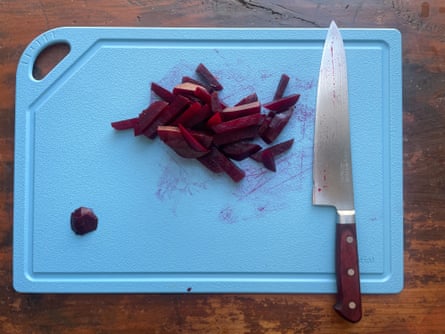
Asahi Cookin’ Cut Antibacterial Rubber Cutting Board ($76): Featuring a synthetic rubber build favored by professional sushi chefs, this board provided a firm yet forgiving tactile surface that preserved knife edges without slipping.
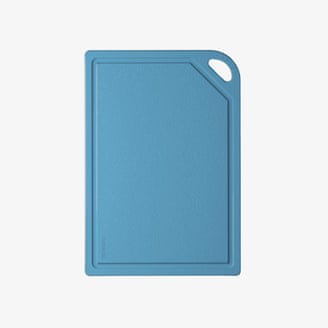
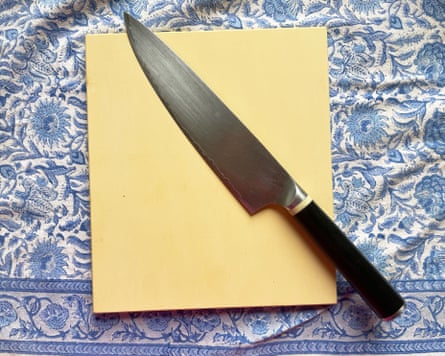
Material Kitchen MK Free Board ($52): Tested as a lightweight alternative, this biopolymer-and-clay board proved exceptionally nimble for quick tasks like handling raw poultry.
Week 3–4: High-Volume Prep and Stress Testing
As testing entered its peak phase, the boards were subjected to heavy vegetable dicing, meat fabrication, and juice retention tests.
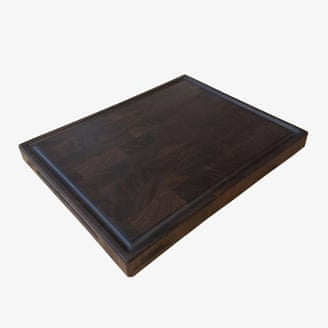
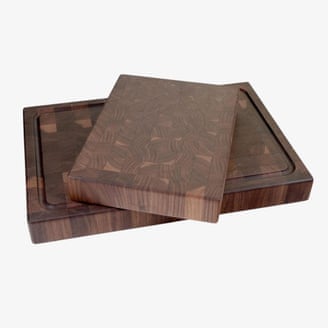
Brooklyn Butcher Blocks End Grain Walnut Butcher Block ($470): This luxurious, dark-walnut block served as an anchor on the counter. Despite rigorous dicing sessions, the end-grain construction absorbed knife blows cleanly, showing virtually zero surface marring.
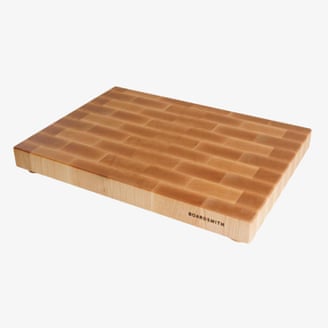
The Boardsmith Maple End Grain Cutting Board ($245): Standing at a robust two inches thick with elevated rubber feet, this board elevated the workspace by a few crucial inches, easing back fatigue during marathon cooking sessions.
The Pinocchio Workshop Walnut End Grain Cutting Board ($155): Handcrafted in Connecticut, this medium-sized walnut board featured a striking two-toned brickwork pattern that effortlessly masked surface wear while handling nightly dinner prep for a small household.
Week 5–6: Maintenance, Cleaning, and Longevity
The final phase focused on the realities of long-term upkeep. Wooden boards demand hand-washing and periodic oiling to prevent warping, cracking, and staining. Using food-grade mineral oil followed by protective beeswax "board butter," the wooden selections were treated and monitored for moisture resistance. While bioplastic and rubber alternatives offered simpler soap-and-water cleanup, they revealed varying propensities for holding stubborn culinary odors or accumulating visible knife scars.
Supporting Context & Metrics: The Science of Cutting Surfaces
Transitioning away from conventional plastic requires understanding the structural and material trade-offs inherent in each alternative surface.
The Microplastic Problem
Conventional polyethylene and polypropylene cutting boards degrade with every stroke of a chef’s knife. Microscopic grooves carved into the plastic liberate polymer fragments that mix directly into food matrices. Studies published in environmental toxicology journals emphasize that these persistent particles can vector chemical additives and heavy metals into the human digestive tract.
Wood vs. Plastic Hygiene
For years, commercial kitchens defaulted to color-coded plastic boards under the assumption that they could be sanitized more aggressively. However, studies from microbiological safety organizations indicate that wood possesses natural capillary action and antimicrobial properties that actively draw moisture—and trapped bacteria—away from the surface, where microorganisms eventually perish as the wood dries. When subjected to standard hot water and detergent washing protocols, wooden boards match or exceed the sanitary safety of synthetic alternatives.
Material Comparison Matrix
Material Type
Price Range
Knife Friendliness
Maintenance Level
Best Suited For
Edge-Grain Maple (e.g., John Boos)
$60 – $65
High
Moderate (Monthly oiling)
Everyday chopping & casual serving
End-Grain Walnut (e.g., Brooklyn Butcher)
$150 – $470
Maximum
High (Oil & wax conditioning)
Heavy-duty prep & luxury aesthetics
Synthetic Rubber (e.g., Asahi)
$76 – $110
Maximum
Low (Hand-wash only)
Precision knife work & sushi prep
Biopolymer / Clay (e.g., Material Kitchen)
$52
Moderate
Low (Dishwasher safe)
Raw meat fabrication & lightweight tasks
Official Statements & Expert Guidelines
The shift toward non-toxic kitchen tooling is supported by a growing community of culinary professionals and material scientists advocating for "buy fewer, better" consumer habits.
"A cutting board is literally the foundation of most things you cook. It’s a must-have for any recipe that needs chopping, smashing, mincing, carving or sometimes even serving. And, let’s be honest, it’s also where we pile up other kitchen items while we make a mess."
— Marian Bull, Food Writer & Product Tester
Industry standards dictate that any non-plastic cutting board must successfully balance four core pillars: structural sturdiness, blade preservation, ease of sanitation, and multi-functional versatility. Furthermore, environmental watchdogs emphasize that sustainable procurement extends beyond the end product. Premium workshops, such as Brooklyn Butcher Blocks, commit to zero-waste manufacturing by composting even the smallest residual wood shavings generated during the lamination process.
Future Outlook & Maintenance Best Practices
Investing in a high-quality, plastic-free cutting board changes the rhythm of kitchen maintenance. Because premium wooden boards cannot endure the harsh thermal shock and aggressive detergents of a mechanical dishwasher, adopting a mindful cleaning routine is essential.
The Weekly Cleaning Protocol
Wipe Down: Remove all food particulate immediately after use using a cloth or sponge soaked in warm, soapy water.
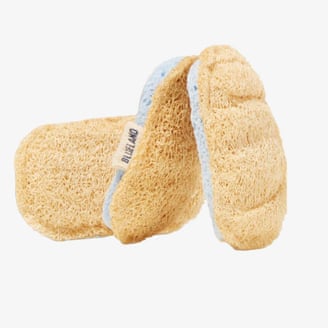
Scrub Thoroughly: Utilize a non-abrasive, compostable scrubber (such as the Blueland Compostable Scrub Sponge) to wash the top, bottom, edges, and corners.
Dry Vertically: Never store a wooden board flat on a damp countertop. Store it upright on its edge to allow even airflow and prevent structural warping.
The Monthly Conditioning Regimen
To safeguard wood against splitting or absorbing unwanted moisture:
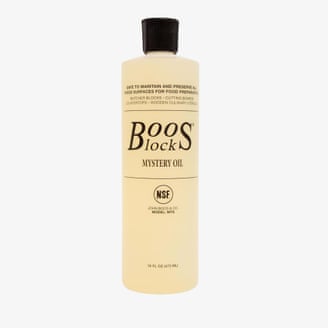
Apply Mineral Oil: Drizzle food-grade mineral oil (such as John Boos Mystery Oil) onto the clean surface and buff it in using a soft microfiber cloth. Allow the board to absorb the oil overnight while resting vertically.
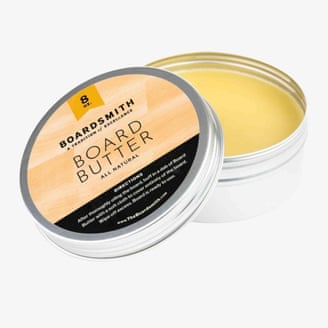
Seal with Wax: The following day, apply a protective layer of natural board butter or beeswax wax. Buff off any excess after 12 hours to maintain a silky, water-repellent finish.
By replacing disposable plastics with resilient, beautifully crafted wood, rubber, or advanced biopolymers, home cooks can permanently eliminate microplastics from their meals while elevating the aesthetic and functional quality of their kitchens for years to come.