

Executive Overview
As climate change accelerates, extreme weather events have transitioned from seasonal anomalies to predictable, perilous constants. Across Europe and other densely populated global regions, recurring heatwaves are shattering historical temperature records, transforming summers into tests of endurance. In these sweltering conditions, the immediate human impulse is purely functional: seek immediate relief by any means necessary, prioritizing maximum cooling over planetary impact. When thermometers soar into the high thirties and forties Celsius, few consumers pause to consider the provenance of their lightweight fabrics or the chemical composition of their sun protection.
Yet, this climate crisis is inherently interconnected with the textile and beauty industries, both of which are significant contributors to global carbon emissions, water scarcity, and plastic pollution. The reality of modern climate adaptation requires a dual focus: protecting the human body from heat-related illness while safeguarding the environment from further degradation.
Fortunately, a growing intersection exists between high-performance heat mitigation and environmental responsibility. Many of the most effective, breathable, and thermoregulating materials on Earth—such as organic linen and hemp—are simultaneously among the most ecologically sound. Navigating this landscape demands a structural shift in how consumers perceive seasonal wardrobes. Rather than treating summer fashion as disposable, fast-fashion consumption, individuals can leverage rigorous brand ratings systems to curate a climate-resilient wardrobe.
This article explores five strategic pillars for sustainable summer dressing: opting for lighter, biodegradable natural fibers; choosing non-synthetic, breathable activewear; investing in sun-blocking accessories crafted from responsible materials; selecting eco-friendly, reef-safe sunscreens; and rethinking swimwear through low-impact alternatives. By highlighting pioneering brands that champion ethical manufacturing, traceability, and circularity, we provide an authoritative roadmap for staying cool while keeping the planet in mind.
Detailed Chronology: The Evolution of Heatwaves and Consumer Consciousness
The Escalation of Global Thermal Stress
The meteorological shifts observed over the past decade underscore a sobering reality. Scientific data compiled by climatologists indicates that global heatwaves are increasing exponentially in both frequency and peak intensity. Urban heat islands trap thermal energy, making nocturnal recovery nearly impossible for millions of city dwellers.
Historically, the fashion industry has responded to these seasonal spikes with surges in cheap, petroleum-derived synthetic garments. Polyester, nylon, and acrylic—touted for their affordability—flood the retail market ahead of peak summer months. However, these materials function essentially as plastic wraps, trapping body heat, preventing natural perspiration evaporation, and intensifying physical discomfort.
The Shift Toward Conscious Climate Adaptation
Parallel to rising temperatures, public awareness regarding microplastic shedding, textile waste, and greenwashing has reached an all-time high. Consumers are increasingly recognizing the paradox of utilizing climate-damaging products to cope with climate-change-induced weather events.
- Phase One (Early 2010s): The initial wave of sustainable fashion focused primarily on organic cotton basics, often ignoring seasonal functionality like extreme heat adaptation or activewear performance.
- Phase Two (Late 2010s to 2020): Material innovations gained traction. TENCEL Lyocell, bamboo-viscose, and recycled synthetics entered the mainstream, proving that eco-friendly textiles could offer superior moisture management.
- Phase Three (Present Day): A holistic approach has emerged. Consumers now demand transparency across entire supply chains—from raw fiber extraction and chemical processing to fair labor practices and end-of-life recyclability. Brands are evaluated not merely on a single "green" product line, but on their overall corporate accountability regarding people, the planet, and animal welfare.
Supporting Context & Metrics: The Anatomy of a Sustainable Summer Wardrobe
To make informed choices during a heatwave, one must understand the structural properties of textiles and personal care products. The following five-pillar framework breaks down how to balance thermal comfort with environmental stewardship.
1. Opt for Lighter, Biodegradable Materials
In humid, sticky environments, heavy weaves trap body heat and inhibit the skin’s natural cooling mechanisms. However, not all lightweight fabrics are created equal.
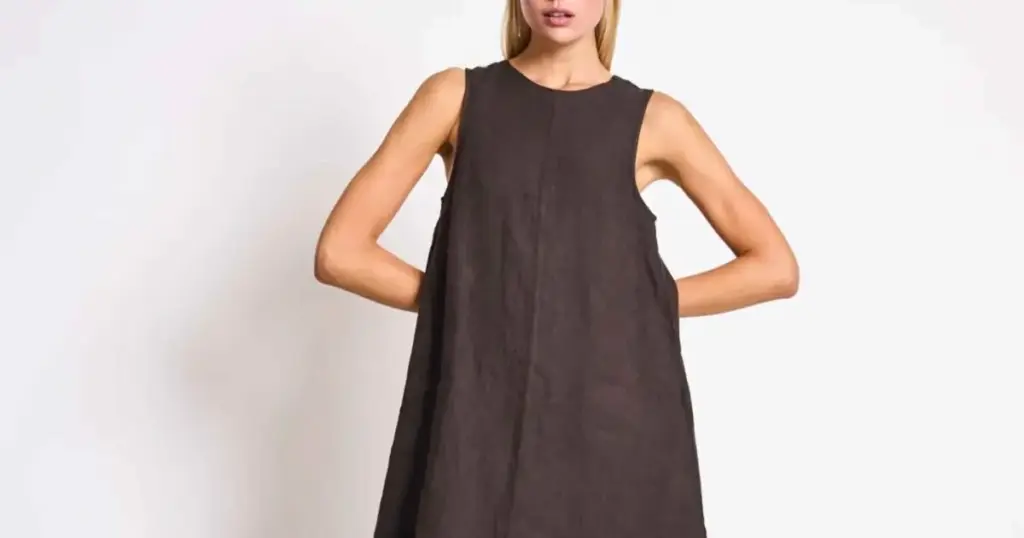
- Organic Linen and Hemp: These are the gold standards of sustainable summer dressing. Flax (linen) and cannabis sativa (hemp) require minimal irrigation compared to conventional cotton, thrive without harsh chemical pesticides, and enrich the soil during cultivation. When left unblended and free from toxic chemical dyes, these fibers are entirely biodegradable. They possess natural hollow structures that facilitate exceptional airflow and rapid drying.
- TENCEL Lyocell and Organic Cotton: Derived from sustainably managed wood sources, TENCEL Lyocell is produced in a closed-loop solvent system that recycles 99% of process water. Organic cotton, avoiding synthetic fertilizers, offers breathable comfort, though it generally requires significantly more water during its lifecycle than hemp or linen.
Featured Brand Highlight: SUI
Operating out of its dedicated workshop in Delhi, Indian label SUI crafts exquisite womenswear (sizes 2XS–2XL) centered around thoughtful design and lower-impact materials. By prioritizing localized production and transparent artisan partnerships, SUI bridges the gap between traditional craftsmanship and contemporary sustainable fashion. (Explore their catalog and brand rating via the Good On You directory).
2. Choose Non-Synthetic, Activewear Alternatives
Physical activity—or simply walking under a relentless sun—inevitably triggers perspiration. Traditional activewear relies heavily on virgin polyester and spandex, which act as thermal traps. Furthermore, every wash cycle releases thousands of microscopic plastic fibers into municipal waterways, eventually reaching the oceans.
- The Bamboo and TENCEL Solution: Forward-thinking activewear brands are replacing petrochemical derivatives with bamboo-viscose and TENCEL Lyocell. These botanical fibers provide natural moisture-wicking properties, pulling sweat away from the skin while allowing maximum airflow, preventing the damp, sticky sensations associated with synthetic gym wear.
Featured Brand Highlight: BAM (Bamboo Clothing)
UK-based BAM specializes in high-performance womenswear and menswear basics engineered from bamboo-viscose. Driven by a kindness-first ethos, BAM traces the vast majority of its supply chain and offers customer take-back recycling schemes to tackle end-of-life textile waste. Most items are available in sizes XS–L.
Offer: BAM offers 25% off activewear with the checkout codeBAM25(valid in the UK, excluding sale items through September 30), alongside ongoing automated discounts via partner networks.
3. Block Out the Sun Responsibly
Shielding the face and eyes is essential during peak ultraviolet radiation hours, but conventional accessories often lean on cheap plastics.
- Sustainable Eyewear: Look for frames constructed from bio-acetate (a plant-based alternative to traditional petroleum plastics), recycled plastics, sustainably harvested wood, or bamboo.
- Headwear: Apply the fabric logic utilized in apparel. Wide-brimmed hats and caps made from organic linen, hemp, or certified organic cotton offer superior sun protection without contributing to microplastic pollution.
Featured Brand Highlight: tentree
Canadian Certified B Corporation tentree approaches accessories and apparel with an uncompromising Earth-first mandate. Operating under the ethos that every item purchased must actively regenerate the planet, the brand plants ten trees for every product sold, surpassing 65 million trees planted globally to date. Manufactured under safe, fair working conditions using lower-impact and recycled materials, tentree’s collection is generally available in sizes XS–XL.
4. Select Sunscreen from Conscious Brands
Personal care products are deeply intertwined with environmental health. Many conventional sunscreens contain chemical filters and synthetic additives—such as oxybenzone, nano zinc oxide, and titanium dioxide—that wash off in oceans and rivers, contributing to coral bleaching and aquatic toxicity.
- Clean Formulation Standards: Prioritize mineral or organic sunscreens certified by recognized bodies like the Soil Association. These formulations rely on safe, biodegradable ingredients that protect human skin without compromising marine ecosystems.
Featured Brand Highlight: Odylique
Specializing in vegan beauty and skincare formulated specifically for sensitive skin, Odylique ensures all ingredients meet rigorous organic standards set by the Soil Association. Their commitment to pure, pollutant-free formulations guarantees safety for both the human cutaneous barrier and aquatic life.
5. Rethink Swimwear for Aquatic Relief
When temperatures peak, taking a refreshing dip is one of the most effective ways to cool down. However, swimwear represents one of the most challenging sectors in sustainable fashion, as garments must maintain elasticity and durability in chlorinated or salt water—qualities traditionally achieved through virgin nylon and spandex.
- Lower-Impact Alternatives: Seek out swimwear fashioned from ECONYL (regenerated nylon sourced from abandoned fishing nets and industrial carpet waste) or innovative natural blends like hemp. Coupled with habits that minimize the frequency of washing and maximize garment lifespan, these choices drastically reduce aquatic plastic pollution.
Featured Brand Highlights:
- Natasha Tonic: Utilizing a proprietary hemp-based swimwear fabric that is naturally antimicrobial, UV-resistant, and exceptionally durable, this brand offers hand-printed, unique pieces in sizes XS–XL.
- ColieCo: Based in Portugal, this lingerie, underwear, and swimwear brand manufactures items exclusively to order using lower-impact, responsibly sourced fabrics. Their inclusive sizing ranges from 2XS to 3XL, paired with rigorous ethical manufacturing standards.
Official Statements and Industry Insights
Experts across environmental science and ethical fashion agree that consumer habits must evolve alongside shifting climatic baselines.
"Climate change is not a distant threat; it is reshaping our daily routines, down to the clothes we pull from our closets each morning," notes an independent sustainable fashion analyst. "The challenge for the textile industry is to scale production of regenerative, cooling fibers rapidly enough to meet surging demand without displacing food crops or destroying ancient forests. Brands that lead with radical transparency and verified impact metrics will define the future of apparel."
Furthermore, environmental toxicologists emphasize the urgent need to reform personal care and activewear manufacturing. The cumulative impact of microplastic shedding from synthetic garments and chemical runoff from conventional sunscreens poses an existential threat to marine biodiversity. Regulatory bodies across Europe and North America are slowly tightening compliance frameworks, but voluntary consumer adoption of verified sustainable brands remains the most immediate catalyst for industry-wide reform.
Future Outlook: The Road Ahead for Climate-Adaptive Fashion
Looking forward, the intersection of climate resilience and sustainability will dictate the survival of both retail brands and ecosystems. As heatwaves intensify in frequency, duration, and geographic reach, the demand for thermoregulating, eco-friendly apparel will inevitably surge.
Key trends expected to shape the next decade include:
- Material Innovation Scaling: Breakthroughs in agricultural biotech will likely yield enhanced bio-based synthetics that mimic the elasticity of spandex without relying on petrochemicals.
- Mandatory Digital Product Passports (DPPs): Regulatory shifts, particularly within the European Union, will require brands to disclose the exact lifecycle, carbon footprint, and recyclability of every garment sold, empowering consumers to make truly informed choices during extreme weather seasons.
- Circular Infrastructure Expansion: Brands will increasingly adopt mandatory take-back schemes, transforming old linen, hemp, and bamboo textiles into closed-loop raw materials for future collections.
By making conscious choices—supporting brands vetted through rigorous ratings systems, prioritizing biodegradable and regenerative fibers, and opting for clean personal care products—consumers can successfully navigate the challenges of a warming planet without compromising their ethical values.
Editor’s Note: Good On You publishes comprehensive, independent ratings evaluating fashion and beauty brands based on their impact on people, the planet, and animals. Explore the complete directory of thousands of rated brands to make informed choices for every season.



