

Executive Overview
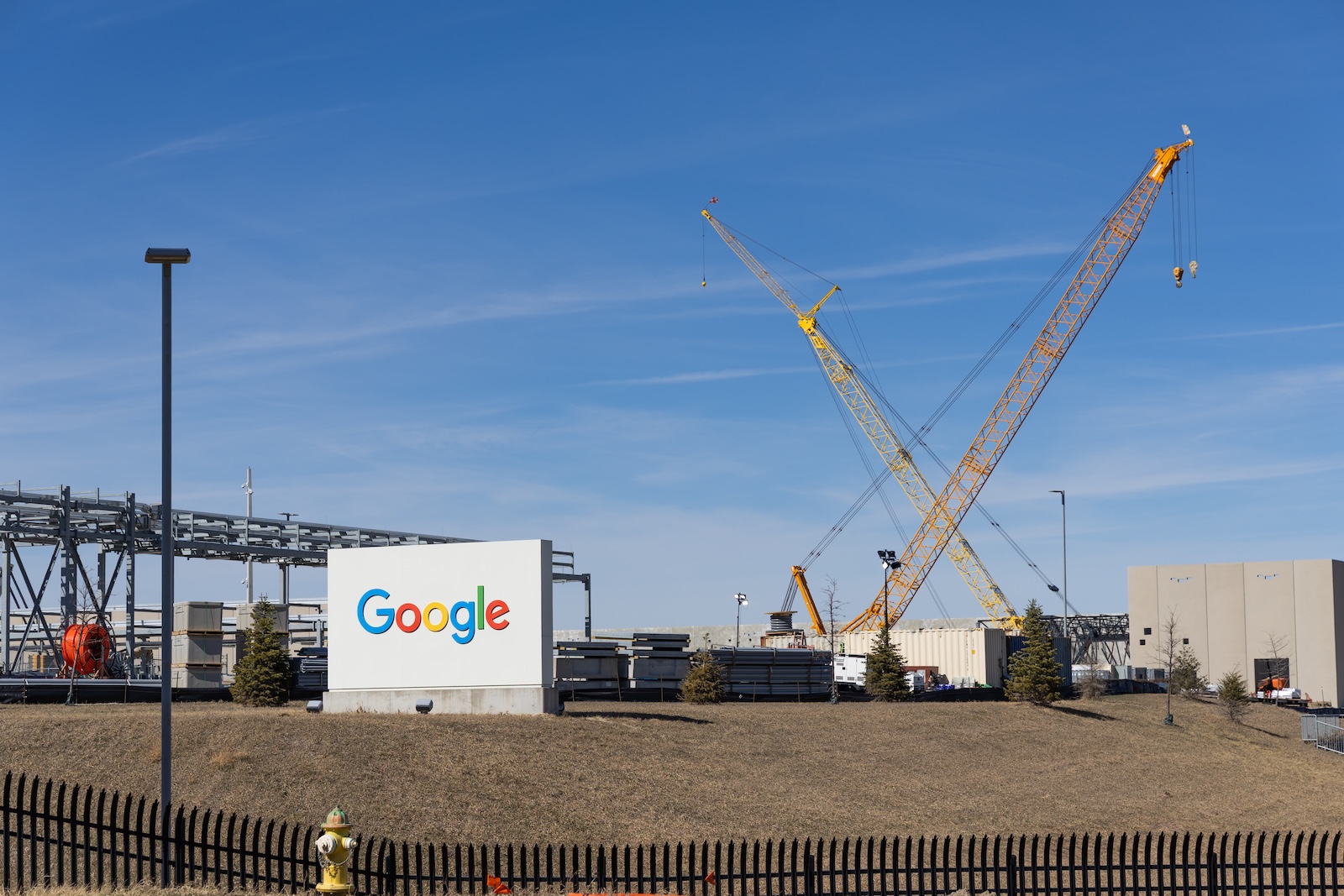
As the global demand for artificial intelligence, cloud storage, and digital infrastructure skyrockets, tech giants and digital infrastructure developers have set their sights on an unexpected frontier: the wide-open, economically strapped expanses of rural Texas. Over the past year, data center companies have poured a staggering $343 million into local communities across the Lone Star State. From underwriting multi-million-dollar water infrastructure projects to funding emergency services, hospital upgrades, and school STEM programs, these corporations are utilizing their bottomless bank accounts to weave themselves into the fabric of small-town Texas.
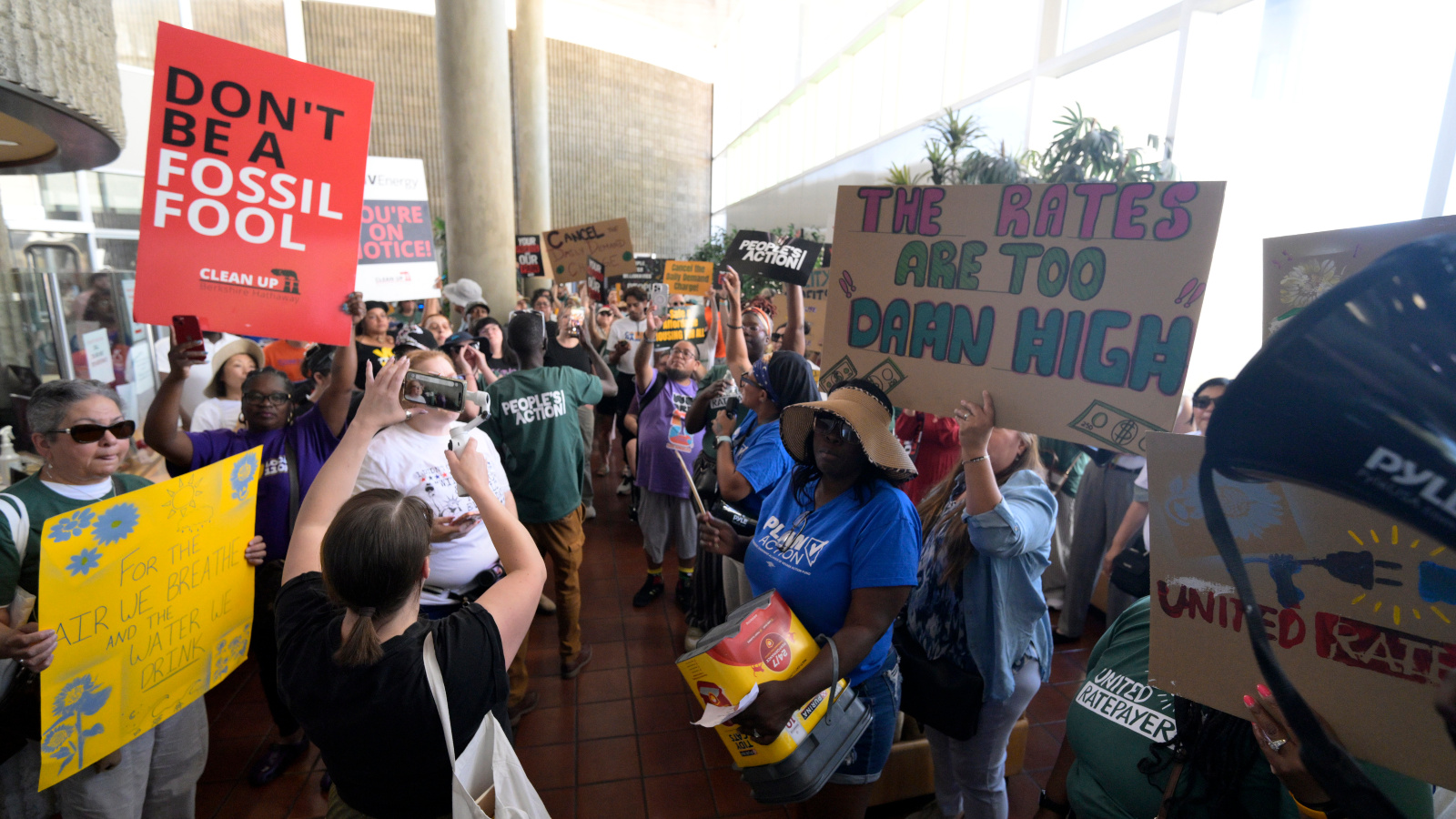
Yet, this influx of capital is far from an unblemished act of pure altruism. Arriving amid tightening municipal budgets, severe regional droughts, and looming property tax cuts, data center developers find themselves fighting an uphill battle against deep-seated public skepticism. According to a recent poll by the Texas Politics Project, 57 percent of Texans oppose the construction of data centers in their communities, citing fears over skyrocketing electric bills, severe water depletion, and industrial strain.
This comprehensive investigative report examines how tech conglomerates are attempting to buy social license through high-stakes philanthropy, how cash-strapped rural towns are navigating the Faustian bargain of accepting corporate aid, and whether these digital titans can prevent history from repeating the boom-and-bust cycles left behind by earlier generations of extractive industries.
Detailed Chronology: The Year of the Tech Footprint in Rural Texas
To understand the rapid shift in rural development, one must trace the timeline of corporate investments and community pushback that has defined the Texas landscape over the past 24 months.
- April 2026: A statewide economic analysis reveals that Texas will forgo at least $3 billion in sales tax revenue over a two-year period due to legislative exemptions designed to lure the booming data center industry to the state. While state leaders celebrate the economic stimulus, local leaders realize the heavy toll these tax breaks take on municipal budgets.
- June 2026: Public friction intensifies. Following severe citizen-led petitions and growing concerns over grid capacity, municipal leaders in East Texas successfully pull the plug on a controversial data center project. Meanwhile, communities begin organizing resistance groups against unchecked energy consumption.
- August 2026: Public sentiment reaches a low point when an August poll by the Texas Politics Project confirms that 57 percent of surveyed Texans outright oppose data center construction in their neighborhoods. In response, tech giants pivot aggressively toward public relations campaigns. Google hosts high-profile dinners and pledges $6 million to nonprofits in Haskell, Stamford, and Rule.
- September 2026: Facing mounting resource shortages and approaching legislative sessions, Lubbock leadership enacts a 90-day moratorium on large-scale data center projects to study infrastructure impacts. Simultaneously, small towns dealing with catastrophic water system failures find unexpected lifelines in private tech funding.
- October 2026: Comprehensive financial tracking by The Texas Tribune compiles the first statewide accounting of data center community investments, revealing a cumulative total exceeding $343 million channeled into local infrastructure, health clinics, and emergency funds.
Supporting Context & Metrics: The Anatomy of a Modern Industrial Boom
The intersection of big tech and small-town Texas is driven by a convergence of fiscal desperation and corporate necessity. Rural Texas municipalities have long struggled against an economic "fiscal cliff." Plagued by inflation, restrictive state mandates on property taxes, and historical droughts, small-town budgets are perpetually strapped. When a data center arrives, it brings massive physical footprints—requiring immense blocks of electrical power and millions of gallons of water for server cooling systems—alongside promises of financial salvation.

The Financial Footprint
The $343 million tracked across the state represents a diverse portfolio of community support. Notable contributions include:
- Turkey: Following the catastrophic failure of the town’s primary water tower—leaving its 275 residents without water for weeks—QTS Data Centers stepped in to cover the $3 million to $5 million replacement cost.
- Stamford: Received a targeted $400,000 upgrade package for its local museum.
- Medina County: Benefited from grassroots sponsorships, including local first-responder appreciation barbecues.
- Temple: Rowan Digital Infrastructure committed a landmark $38 million to public infrastructure following a devastating tornado that caused $7.7 million in regional damages two years prior. This included $25 million for the South Temple Water Infrastructure Capital Program and $10 million for an aquifer storage and recovery initiative, with an additional $3 million pledged to help rebuild the Sammons Community Center if voters approve a local bond.
The Resource Crunch and the Water Lifeline
While critics frequently accuse data centers of draining local resources, several corporate actors have inverted the narrative by supplying infrastructure rather than merely consuming it. In Childress, a town of roughly 5,834 residents grappling with a severe boil-water notice caused by plunging water levels in Greenbelt Lake, data center operators stepped up.
Despite public suspicion linking industrial power users to the shortage, local officials clarified that major developers like Lancium draw zero water from Greenbelt Lake. Instead, Lancium constructed a 16-mile pipeline from its private campus wells to the municipal storage tank, treating and delivering 1 million gallons of water daily to the city completely free of charge. Similarly, IREN employees mobilized to distribute emergency bottled water to senior citizens and health services providers.
Official Statements: Navigating the Divide Between PR and Partnership
The dialogue between corporate executives and local officials exposes a delicate balancing act. Both sides recognize the urgent need for investment, yet underlying anxieties persist regarding long-term community identity.
Nathaniel Brown, director of public relations for Rowan Digital Infrastructure, acknowledges the steep learning curve of integrating into tight-knit communities. "This development doesn’t happen in a vacuum. It needs to be able to fit into the community’s vision for their area," Brown stated, pointing to monthly neighbor dinners, open houses, and dedicated project updates designed to demystify construction efforts.
Google’s manager of data center sustainability programs, Suzie Shin, echoed these sentiments, emphasizing that modernization efforts are designed to benefit the entire watershed rather than corporate operations alone. "We have employees who live and work there. We are part of the community. It’s a great way to show the value and help improve outcomes, not only for the watershed but for the water users there," Shin noted.
Yet, local stakeholders remain cautiously pragmatic. Suzanne Bellsnyder, a veteran newspaper publisher and rural issues commentator in the Panhandle, voiced a sentiment shared by many rural residents: "There is no question that these data centers are an opportunity for rural communities that are living in the margin. Most infrastructure resources are paid with tax dollars, and there’s not a ton there."
However, Bellsnyder cautions against uncritical acceptance: "I hope their intentions are good, and they’re not just trying to buy these communities off." Drawing parallels to the historical boom-and-bust cycles of West Texas oil and gas service towns like Spearman, she warns, "I don’t want our entire identities to be built around what one company can provide to us. We still need to figure out ways to take care of our own business."
City managers on the front lines echo these pragmatic realities. Kevin Hodges, city manager of Childress, defends corporate partnerships against public backlash by highlighting tangible benefits during crises. Meanwhile, Temple Mayor Tim Davis emphasizes that private contributions offer financial autonomy when legislative tax cuts threaten municipal service delivery. "If the ability to raise money is hampered, then those dollars have to come from somewhere," Davis said. "Or, a community simply delivers less services to its residents. And I don’t think that’s acceptable to them."
Future Outlook: A Sustainable Partnership or a Fleeting Mirage?
As Texas heads into upcoming legislative sessions, the debate over data centers will undoubtedly intensify. Lawmakers will continue to weigh economic incentives and property tax reductions against the infrastructural demands of the state’s burgeoning digital economy.
For rural towns, the $343 million injected into local economies has undoubtedly prevented immediate municipal collapses—rescuing failed water towers, rebuilding community centers, and patching leaking pipelines. Yet, the long-term viability of these relationships remains an open question.
Municipal leaders must walk a tightrope: leveraging private sector wealth to maintain essential public services while guarding against over-reliance on a single industrial sector. As Lynette Findley, city manager of Turkey, candidly summarized: "Data centers get a ton of negative publicity, so I’m sure it is a little self-serving on their end. But to be honest, I don’t know what we would have done without their assistance."
Ultimately, whether data center developments become enduring pillars of rural prosperity or modern relics of a fleeting tech boom will depend on transparent governance, enforceable environmental safeguards, and the unwavering commitment of communities to shape their own destiny on their own terms.



