

Executive Overview
In a milestone that underscores both the resilience of the American clean-transportation market and the widening policy gulf between statehouses and Washington, the California Energy Commission (CEC) announced that the state has officially crossed a monumental threshold: 2.5 million cumulative new zero-emission vehicle (ZEV) sales.
Achieved in 2025, this milestone represents a staggering transformation of the automotive landscape. Since the close of 2019, cumulative ZEV sales in California have skyrocketed by more than 300%. This historic growth has been fueled by an intricate ecosystem of aggressive state regulations, robust consumer incentives, an expanding web of charging infrastructure, and a uniquely receptive consumer base.
What makes this achievement particularly remarkable is its timing. While the national electric vehicle market stumbled in the final months of 2025 following the abrupt termination of federal ZEV tax incentives on September 30, California’s market held its ground. Even as federal support dried up and broader US adoption rates cratered, consumers in the Golden State continued to embrace plug-in technology at rates that outpace any other region in the country.
To maintain this momentum in the face of mounting political and economic uncertainty, Governor Gavin Newsom’s preliminary budget proposes a fresh $200 million injection into state rebate and incentive frameworks. As California simultaneously expands its public and private charging infrastructure—surpassing 200,000 public and shared-private stations alongside an estimated 800,000 home chargers—the state is attempting to prove a controversial thesis: that localized, aggressive climate policy can sustain a high-tech industrial transition even when federal tailwinds turn into head-on gales.
Detailed Chronology: The Road to 2.5 Million ZEVs
To fully comprehend the significance of California’s 2.5-million-unit milestone, it is necessary to examine the historical trajectory of the state’s clean-vehicle policies and market milestones over the past decade.
The Foundation: Mandates and Early Adoption (pre-2019)
California’s dominance in the ZEV sector is not an accident of geography or consumer whim; it is the product of decades of deliberate regulatory engineering. Through its authority under the federal Clean Air Act, California—led by the California Air Resources Board (CARB)—has long set vehicle emissions standards stricter than federal guidelines.
The Zero-Emission Vehicle program, originally adopted in 1990, required major automakers to offer a rising percentage of zero-emission cars for sale in the state. For years, these mandates were met with resistance from legacy auto manufacturers. However, as battery chemistries improved, manufacturing costs fell, and range anxiety began to dissipate, the regulatory framework transformed from an industry hurdle into an industrial launchpad. By the end of 2019, the state had built a solid foundation, setting the stage for an explosive decade of adoption.
The Exponential Curve (2020–2024)
Between 2020 and 2024, California experienced an adoption boom. Despite the economic disruptions of the COVID-19 pandemic, supply chain crises, and inflationary pressures, ZEV sales surged. The state’s market share of new car sales climbed year over year, transitioning from a niche choice for early adopters to a mainstream consumer preference.
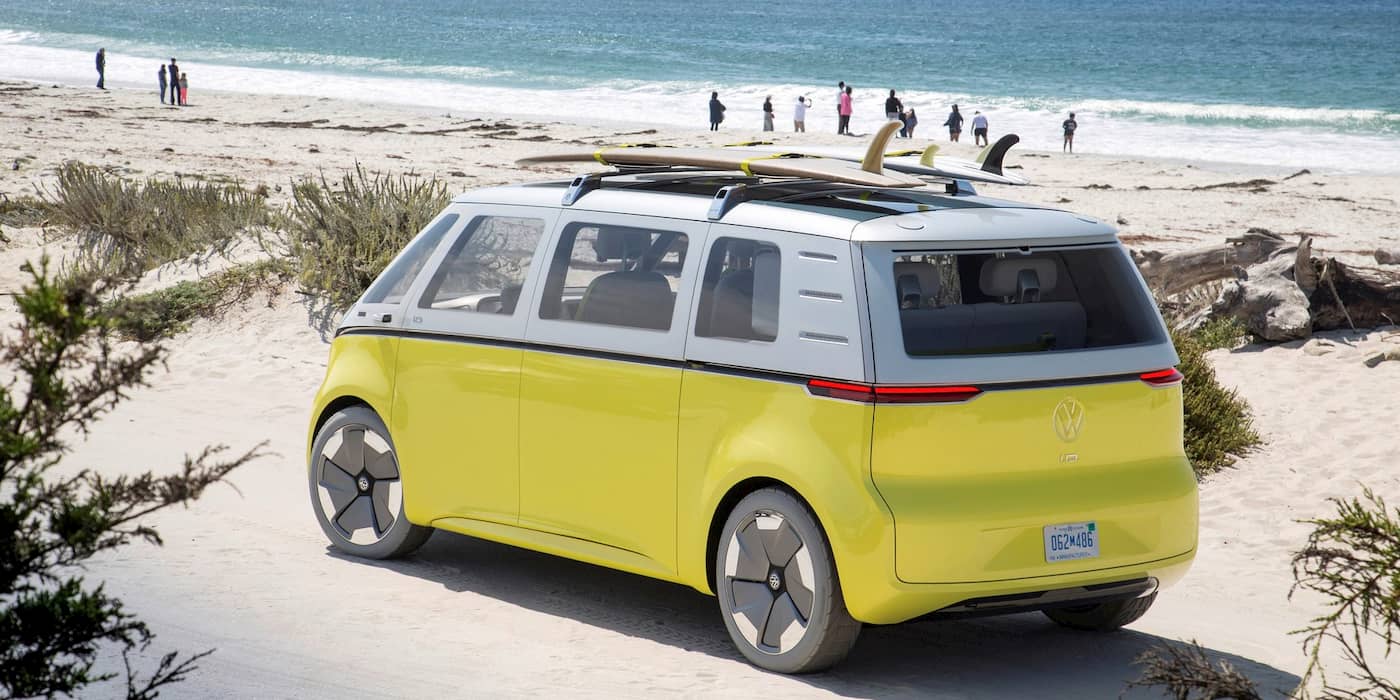
During this window, automakers flooded the market with choices. Where buyers once had to choose between a handful of compliance cars, by late 2025, California consumers could choose from 149 distinct ZEV models. This hyper-diversification—spanning sedans, SUVs, pickup trucks, and commercial vans—proved critical in capturing diverse segments of the car-buying public.
The Federal Cliff and the Q4 2025 Resilience Test (Late 2025)
The ultimate stress test for California’s ZEV market arrived in the final quarter of 2025. On September 30, 2025, federal ZEV purchasing incentives came to an abrupt end.
Nationwide, the impact was immediate and severe. According to data compiled by Cox Automotive, national ZEV sales collapsed from 10.5% of all new-vehicle sales in Q3 down to a meager 5.8% in Q4. The sudden loss of federal subsidies exposed the fragility of EV markets in states that lacked complementary local policies or robust charging ecosystems.
Yet, California proved to be the exception that tested the rule. In Q4 2025 alone, Californians purchased 79,066 new ZEVs, accounting for 18.9% of all new-car sales in the state. While this represented a cooling from the record-shattering 29.1% market share captured in Q3 2025, it demonstrated that the state’s EV market had achieved a structural self-sufficiency that most of the country had yet to reach.
Supporting Context & Metrics: Unpacking the Numbers
A closer analysis of the data released by the CEC reveals nuanced insights into the composition, economics, and infrastructure supporting California’s milestone.
Defining "ZEV" in State Metrics
It is important to unpack the acronym as utilized by the California Energy Commission. In official state reporting, the "ZEV" umbrella is broad:
- Battery-Electric Vehicles (BEVs): Fully electric vehicles powered exclusively by chemical energy stored in rechargeable battery packs.
- Fuel-Cell Electric Vehicles (FCEVs): Hydrogen-powered electric vehicles that emit only water vapor from their tailpipes.
- Plug-in Hybrid Electric Vehicles (PHEVs): Vehicles that combine an internal combustion engine with a battery-powered electric motor that can be plugged in to charge.
While environmental purists frequently object to the inclusion of plug-in hybrids—given that they still burn fossil fuels when their battery reserves are depleted—state officials defend the broader categorization as a reflection of the pragmatic stepping stones consumers use to transition away from pure petroleum combustion. Regardless of internal debates over PHEVs, pure battery-electric vehicles continue to drive the vast majority of the cumulative volume.
The National Contrast
The contrast between California’s market performance and the rest of the United States highlights a growing regional polarization in transportation energy. When federal incentives vanished, states with weak charging networks and hostile political environments for electric vehicles saw adoption rates nosedive.

Conversely, California’s cumulative ZEV sales vaulted past 2.5 million because the state had successfully woven electric vehicle ownership into the fabric of everyday consumer life. Buyers were not merely responding to a temporary federal discount; they were reacting to long-term economic savings on fuel and maintenance, expansive charging options, and a cultural shift normalized across major metropolitan areas from San Diego to Sacramento.
Official Statements: State Leaders React
The milestone prompted a series of triumphant statements from key California regulators and executive officials, who framed the state’s success as both an environmental triumph and a strategic economic victory against national policy rollbacks.
California Energy Commissioner Nancy Skinner emphasized the unprecedented nature of the state’s growth trajectory:
"No state in the union can match California’s five-year growth in ZEV sales. Each quarter, even in the face of increasing federal headwinds, tens of thousands of consumers are purchasing a ZEV in the Golden State, enjoying a great driving experience, and knowing they never have to go to a gas station again."
Echoing Skinner’s sentiments, California Air Resources Board Chair Lauren Sanchez pointed to the global momentum of electrification and the forward-looking posture of the state’s executive branch:
"Governor Newsom’s new rebate proposal sends a clear message: California isn’t slowing down, we’re still leading the pack. It’s not just about clean air, it’s smart economic policy."
Sanchez’s reference to Governor Newsom’s new proposal underscores the state’s proactive strategy. On January 9, 2026, Governor Gavin Newsom released a preliminary budget that included a proposed $200 million incentive program. Designed to stimulate continuing EV demand and bolster domestic U.S. auto innovation, the funding is explicitly aimed at insulating the state’s green-tech sector from the disruptions caused by shifting federal priorities.
Future Outlook: Infrastructure, Investment, and the Road Ahead
Crossing the 2.5-million-vehicle mark is a historic achievement, but state planners are acutely aware that a surging vehicle fleet requires a matching—and often preceding—surge in charging infrastructure. Without robust, reliable charging networks, consumer confidence risks eroding.

The Infrastructure Baseline
California’s physical infrastructure footprint has expanded dramatically. The state currently boasts:
- More than 200,000 public and shared-private EV charging stations.
- An estimated 800,000 home-installed chargers, representing the backbone of daily overnight replenishment for single-family and multi-unit dwelling residents.
The 2026 Clean Transportation Program
To ensure the buildout maintains pace with vehicle adoption, the CEC is keeping its foot on the gas. In its latest Clean Transportation Program Investment Plan update, the commission allocated $98.5 million dedicated specifically to light-duty ZEV infrastructure for the 2025–2026 fiscal year.
While finer policy details regarding specific funding allocations are still being finalized, state officials have signaled a strategic pivot in where those dollars will be deployed. Recognizing that home and workplace charging are the most convenient and cost-effective methods for drivers, a significant portion of the upcoming grants will focus on Level 1 and Level 2 charging installations in locations where vehicles sit parked for extended periods.
Crucially, this includes an intensified emphasis on multifamily housing. Historically, renters and residents of apartment complexes or condominiums have faced the steepest barriers to EV adoption due to a lack of dedicated off-street charging access. By targeting multi-family dwellings, the state hopes to democratize EV ownership beyond single-family homeowners with garages.
Furthermore, the CEC has announced plans to release several vital infrastructure assessments later this year. These reports will model future grid capacity, evaluate charging desert areas, and project the exact megawatt-hour requirements needed to support California’s anticipated fleet milestones for 2030 and beyond.
Conclusion
California’s journey to 2.5 million zero-emission vehicles is more than just a tally of registered cars; it is a live-action stress test for the electrification of personal mobility in North America. By weathering the expiration of federal tax credits, sustaining an 18.9% quarterly market share in a depressed national landscape, and pouring millions into targeted home and multi-family infrastructure, the Golden State has demonstrated that the transition to clean transportation has achieved institutional permanence.
As Governor Newsom’s administration prepares to deploy its proposed $200 million incentive package and the CEC rolls out its next wave of infrastructure funding, California is betting that the future belongs to the electric vehicle—and it intends to keep the rest of the world chasing its taillights.



