

Executive Overview
On the morning of August 20, at approximately 7 a.m., 21-year-old Matthew Mayich stepped onto the turf of Sun Angel Stadium in Tempe, Arizona, for his inaugural official practice as a member of the Arizona State University (ASU) hockey team. Even at that early hour, ambient temperatures had already climbed into the mid-80s Fahrenheit. What was meant to be a routine introductory athletic assessment quickly devolved into a catastrophic medical emergency. Pushed through an intensive regimen led by a guest trainer, Mayich succumbed to what his family’s legal representation has diagnosed as exertional heat stroke.
Months later, Mayich remains hospitalized in critical condition on life support at the Barrow Neurological Institute, with his family’s attorney, Robert Carey, stating that any hope for a meaningful recovery "hovers near a miracle."
The incident has triggered a profound institutional and cultural reckoning within collegiate athletics. It has exposed deep fissures in how universities enforce internal safety policies, vet external fitness consultants, and manage the escalating hazards of extreme heat fueled by climate change. As universities nationwide grapple with rising temperatures, the tragedy at Arizona State mirrors historical milestones of athletic negligence—echoing the tragic death of Minnesota Vikings offensive lineman Korey Stringer 25 years prior—and underscores a systemic failure to protect student-athletes from preventable environmental hazards.
Detailed Chronology: The August 20 Practice and Its Aftermath
The timeline leading up to, during, and immediately following the August 20 workout reveals a cascade of protocol breakdowns, disputed accounts, and critical omissions that experts argue directly contributed to Mayich’s near-fatal collapse.
The Lead-Up and Acclimatization Deficit
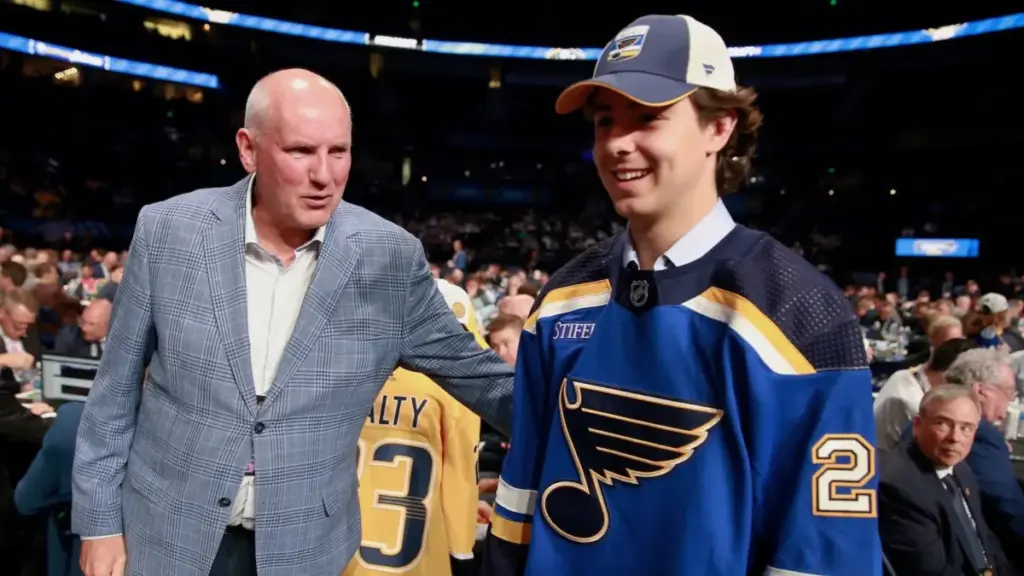
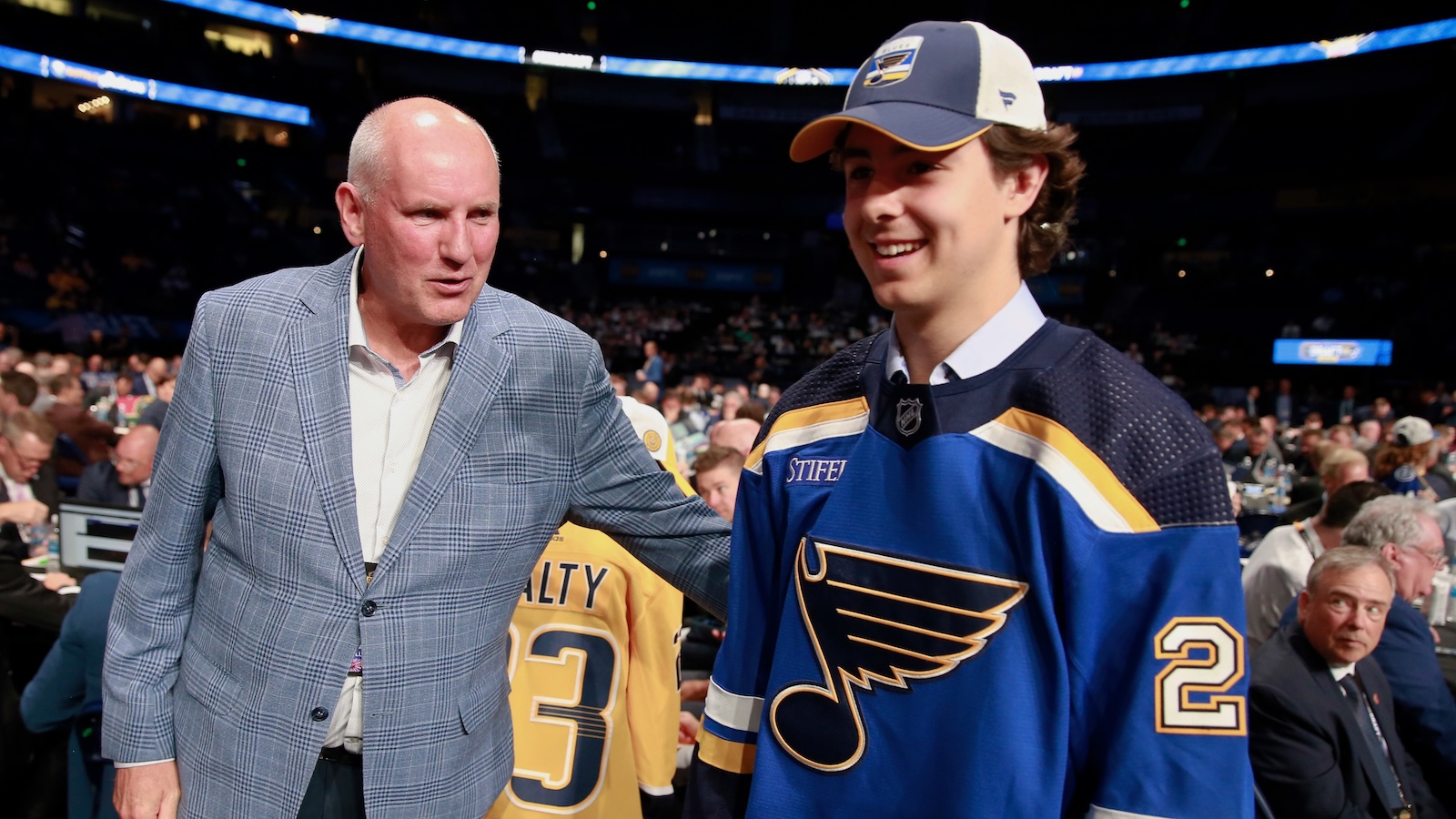
Mayich, a promising St. Louis Blues draft pick and native of Ontario, Canada, had transferred to Arizona State University to continue his collegiate hockey career. He arrived in Arizona just eight days prior to the August 20 session. While university heat policies nominally require a seven- to 14-day acclimatization period, NCAA regulations barred official team practices until August 20. Voluntary workouts conducted prior to that date took place primarily in air-conditioned indoor facilities with only brief forays outdoors.
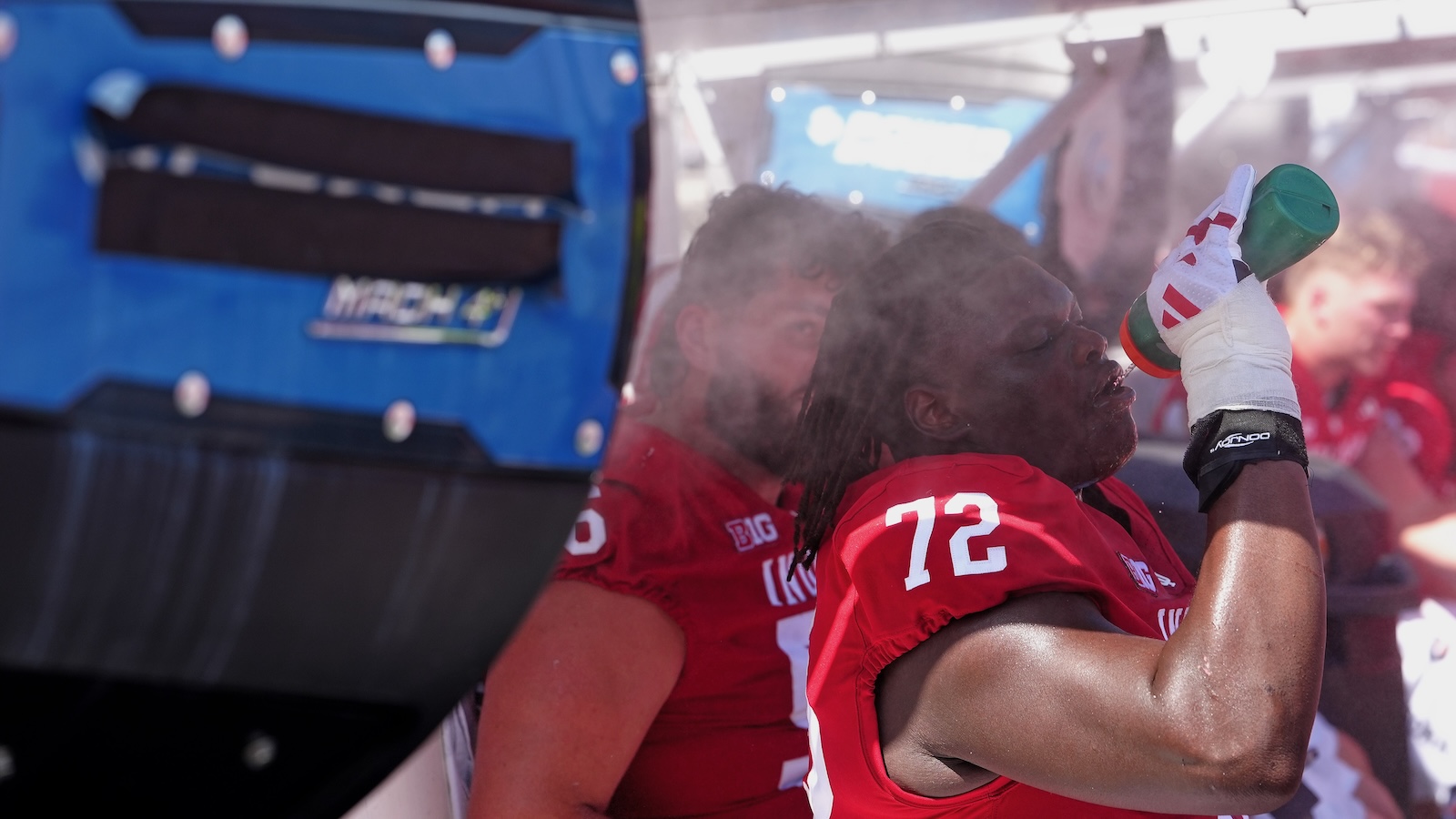
According to prominent exercise physiologists, simply residing in a hot climate without structured, progressively increasing physical exposure does nothing to induce physiological heat acclimatization. When Mayich stepped onto the field, his body was fundamentally unprepared for the punishing combination of physical exertion and desert heat.
The Workout and the Collapse
The training session was led by guest trainer and former Green Beret Tim Ziesel. Over the course of what teammates later alleged was a grueling 75-minute session—subsequently downplayed as a standard 45-minute workout by legal counsel—the players were subjected to relentless conditioning: push-ups, planks, flutter kicks, bear crawls, squats, sprints, and buddy-carries.
As temperatures approached 90 degrees Fahrenheit under a full sun, the team was instructed to perform a final medicine ball run. Teammates later detailed that Mayich was visibly distressed well before this final exercise, exhibiting disorientation, crawling on his hands and knees, and nearly falling when attempting to stand. Crucially, players reported that hydration opportunities were severely restricted; those who failed to finish the bear crawls quickly enough were denied water entirely.
During the medicine ball run, Mayich stumbled, dropped the ball, tried to rise, and collapsed again.
The Response and Immediate Aftermath
According to an anonymous letter sent to ASU President Michael M. Crow by seven of Mayich’s teammates, the response by athletic staff was lethargic and inadequate. The players stated that Mayich remained down on the blistering turf for approximately 17 minutes before paramedics arrived.
Rather than utilizing rapid-cooling protocols such as a cold-water immersion tub—which is explicitly mandated in various sections of ASU’s official heat safety policy—staff treated Mayich with iced towels, cool water bottles, and a garden hose spraying warm water. By the time emergency medical services arrived, Mayich was unintelligible, non-responsive, and his lips had turned gray. Paramedics transported him to the hospital, where he was admitted in critical condition.
In the wake of the incident, ASU head coach Greg Powers insisted during a late-September press conference that he remained the "right guy" to lead the program, while declining to address the workout’s specifics. Following intense public pressure and an anonymous letter from players accusing the university of violating its own safety guidelines—including the complete absence of an on-field immersion tub, ice chests, or direct wet bulb globe temperature (WBGT) measurements—ASU placed Powers on paid leave. Furthermore, the university announced that former Arizona Supreme Court Chief Justice Scott Bales would lead an independent review of the athletic department’s policies and response, with a deadline set for early December.
Supporting Context & Metrics: The Science of Heat Stress in Sports
Exertional heat stroke (EHS) is a life-threatening medical emergency characterized by a dangerously elevated core body temperature (typically above 104°F) coupled with central nervous system dysfunction. It is entirely preventable and treatable, provided that proper diagnostic and cooling protocols are executed immediately.
The Gold Standard: Cold-Water Immersion
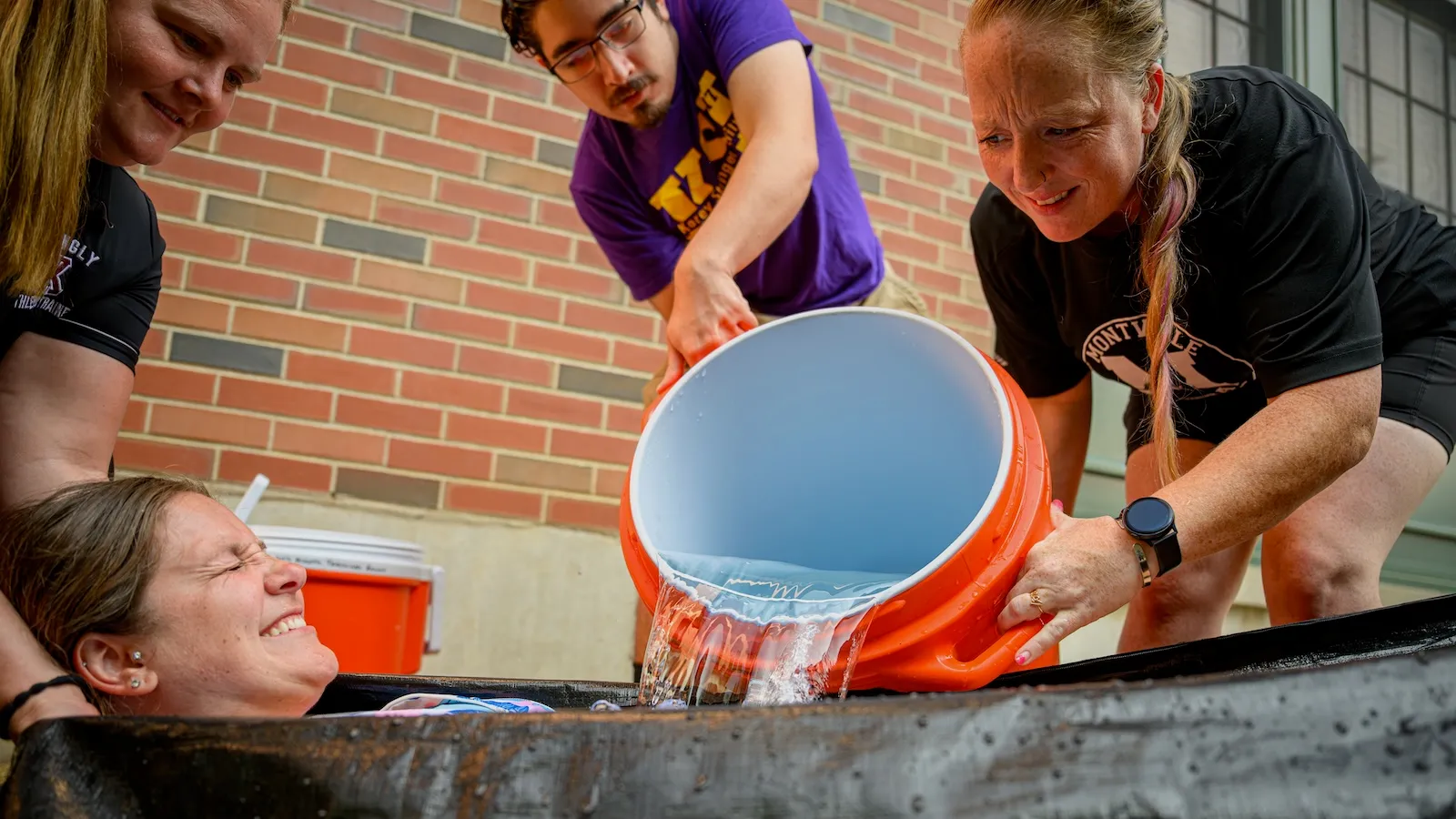
Research spearheaded by institutions such as the Korey Stringer Institute has firmly established that cold-water immersion (CWI) is the undisputed gold standard for treating exertional heat stroke. When an athlete’s core temperature spikes dangerously, submersing them in an ice-water tub drastically accelerates cooling rates compared to ambient air conditioning or cold towels.
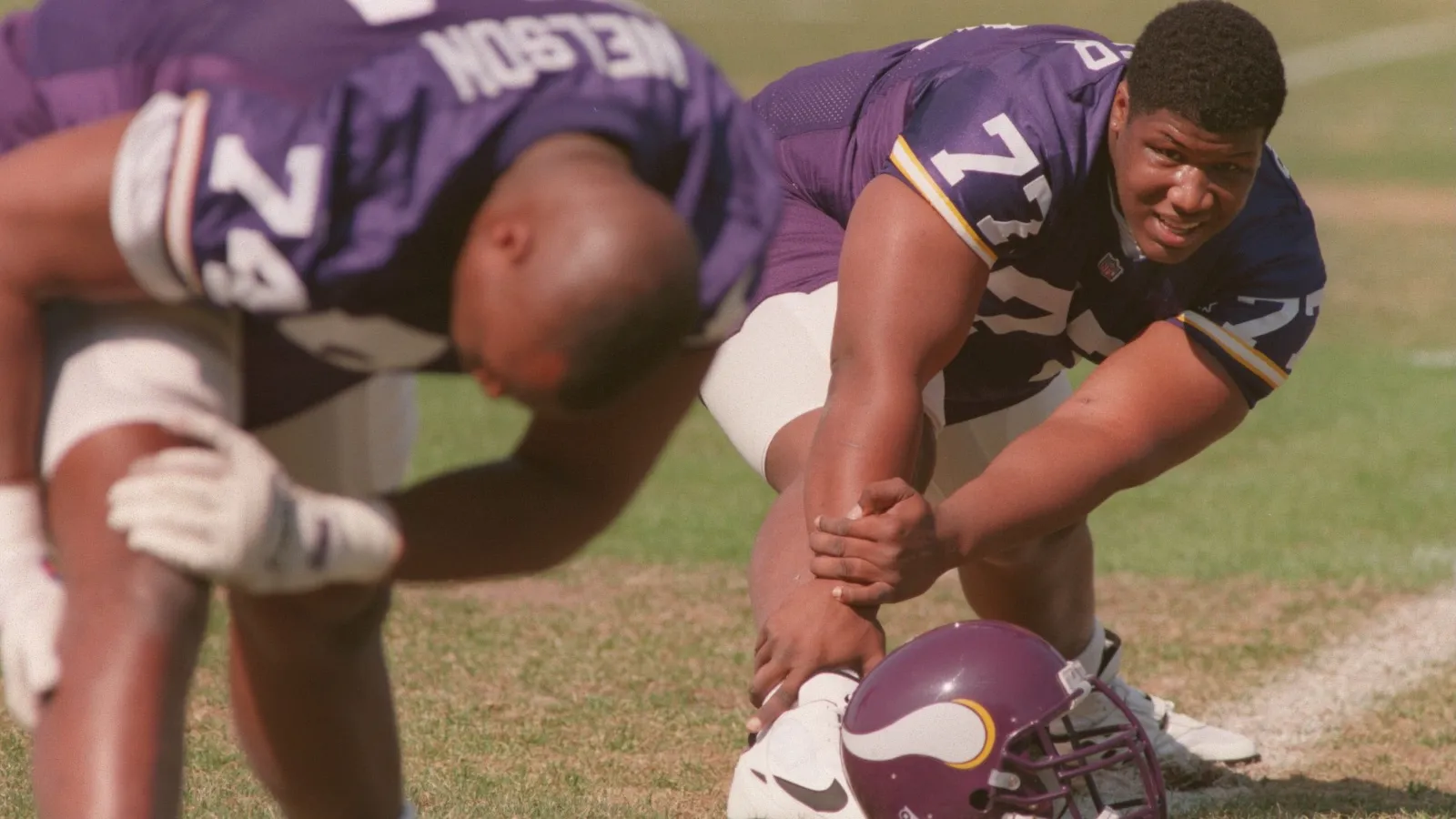
In the case of Korey Stringer, who died of multiple organ failure following a 100-degree practice day with the Minnesota Vikings in July 2001, experts testified that proper CWI could have saved his life within minutes. Instead, reliance on air-conditioned trailers and delayed cooling allowed his internal temperature to reach 108.8°F, resulting in fatal multi-organ failure at just 27 years old.
Measuring Heat Risk: WBGT vs. Heat Index
While standard weather reports rely on temperature and relative humidity, athletic safety experts advocate for the Wet Bulb Globe Temperature (WBGT). WBGT incorporates ambient temperature, humidity, wind speed, and solar radiation (radiant heat).
Studies conducted by Arizona State University researchers themselves have demonstrated that regional weather stations—such as the off-site sensor approximately one mile away that ASU relied on during the August 20 practice—consistently underestimate on-field heat stress. Field-level WBGT readings in direct sunlight can be significantly higher, pushing conditions past safety thresholds that dictate mandatory practice modifications or suspensions.
The Policy Patchwork and Institutional Vulnerability
The landscape of athletic heat safety in the United States remains profoundly fragmented:
- Professional Leagues: Organizations like the NFL mandate specific precautions, including WBGT monitoring, on-site rectal thermometers, and cold-water immersion tubs.
- Collegiate Athletics: The NCAA offers broad "recommendations and guidelines" rather than strict, enforceable mandates. Internal institutional policies frequently rely on discretionary language ("should," "may," "recommended") that allows coaching staffs to bypass safety protocols during times of crisis.
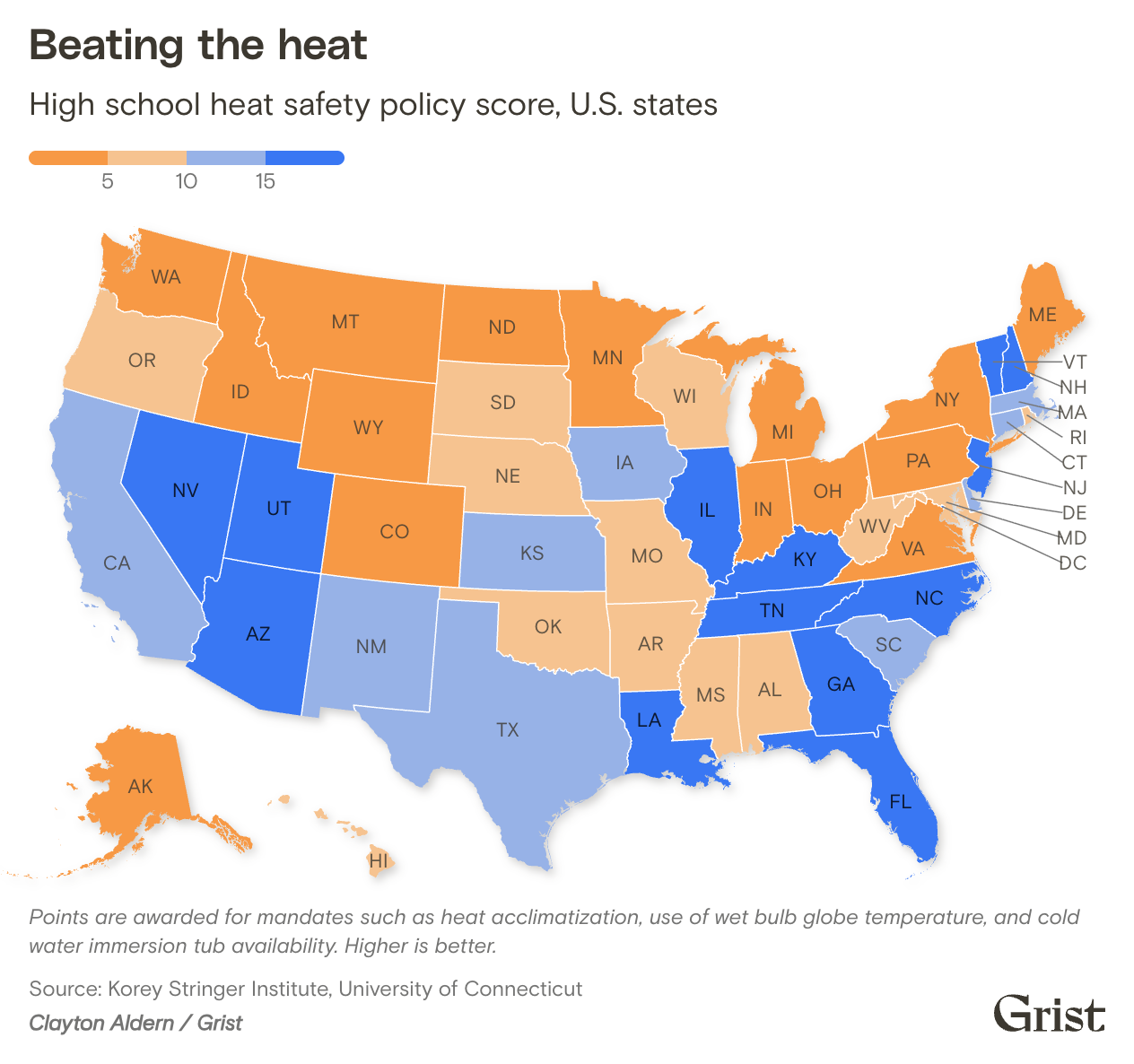
- High School and Youth Sports: Regulation is highly decentralized. While states like Georgia transformed their high school football safety records by implementing strict acclimatization and WBGT rules following a string of fatalities, many other states—particularly across the northern tier and Mountain West—rank poorly in heat safety readiness. Youth sports operate with virtually no oversight, often reliant on well-meaning but untrained volunteer coaches.
Official Statements and Institutional Responses
The fallout from Matthew Mayich’s hospitalization has drawn sharp contrasts between institutional defensiveness and familial demands for absolute transparency.
- The Mayich Family: In a written statement, John and Christina Mayich expressed the anguish of every parent facing such a crisis: "We want accountability for what happened to our son. We want the truth." While welcoming the independent review led by former Chief Justice Scott Bales, family attorney Robert Carey criticized its narrow scope, urging ASU to expand the mandate to investigate potential rule violations by the university, athletic conference, and the NCAA, and to release all findings publicly.
- Arizona State University: ASU officials have largely declined direct media interviews, though the university’s public timeline and subsequent administrative actions—such as placing Coach Greg Powers on leave and commissioning the Bales review—reflect an institution under intense scrutiny. Ironically, just days after Mayich’s collapse, ASU hosted a symposium to launch its new Center for Heat Preparedness, where interim vice president of research Scott Barclay proclaimed, "Heat is a killer."
- Legal Representation for Consultants: Larry Kazan, attorney for guest trainer Tim Ziesel, defended his client’s actions in an email to reporters, asserting that the workout was not excessively difficult and that the coaching staff had fully approved the training plan.
- The Athletic Community: Seven anonymous ASU hockey players broke their silence via legal counsel, detailing systemic policy failures, a lack of on-field temperature monitoring, the absence of an immersion tub, and a delayed, ineffective medical response that left their teammate vulnerable during a critical window of survival.
Future Outlook: A Critical Crossroads for Sports Safety
The tragedy at Arizona State University serves as a stark reminder that climate change is fundamentally reshaping the physical realities of competitive sports. As extreme heat events become more frequent, intense, and prolonged, the margin for error in athletic training has vanished.
Preventing future tragedies requires a cohesive, standardized overhaul of safety architecture across all levels of competition:
- Mandatory Enforcement: Governing bodies like the NCAA must transition from voluntary "recommendations" to strict, enforceable mandates regarding WBGT monitoring, mandatory acclimatization periods, and the mandatory presence of cold-water immersion tubs on every athletic field.
- Elimination of Discretionary Loopholes: Institutional policies must replace ambiguous terms like "should" and "recommended" with absolute directives that prioritize athlete safety over competitive conditioning.
- Third-Party Accountability: Independent oversight and rigorous auditing of athletic departments can prevent internal conflicts of interest from obscuring protocol violations.
For Matthew Mayich, his family, and his teammates, the damage is already done. Whether his case becomes the catalyst that finally forces collegiate sports to adopt ironclad, uncompromising heat safety standards remains the defining question facing university administrators, athletic directors, and sports medicine professionals nationwide.



