

Executive Overview
For centuries, cashmere has occupied an unchallenged apex in the world of luxury textiles. Revered for its ethereal softness, featherlight warmth, and enduring status symbol appeal, it has long represented the height of sartorial indulgence. Yet, behind the polished storefronts of high-end boutiques and the enticing price tags of modern fast-fashion knitwear lies a deeply troubling reality.
As market demand for affordable luxury accelerates, the true cost of cashmere is being footed by vulnerable ecosystems, sentient animals, and marginalized herding communities. Far from the idyllic pastoral imagery painted by fashion marketing campaigns, modern cashmere production is heavily industrialized, ecologically destabilizing, and frequently inhumane.
This investigative report examines the intricate supply chain of cashmere—tracing its origins from nomadic pastures in Inner Asia to retail racks worldwide. By dissecting the catastrophic impact of overgrazing on fragile grasslands, the hidden cruelties inflicted during fiber collection, and the socio-economic burdens placed on herders trapped in a cycle of debt, we uncover why conscious consumers are increasingly advised to bypass virgin cashmere entirely in favor of circular, pre-loved alternatives.
Detailed Chronology: From Ancient Craft to Industrial Commodity
Understanding the modern cashmere crisis requires looking back at how a rare, localized craft transformed into a globalized, high-volume commodity.
The 13th to 19th Century: Origins in Kashmir
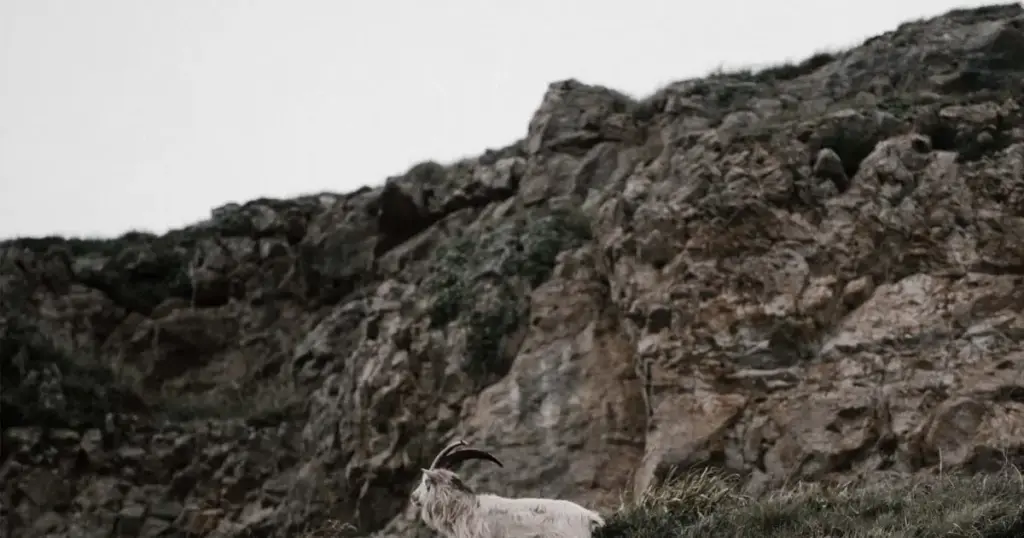
The history of cashmere is inextricably linked to the region of Kashmir, nestled in the northern geopolitical borders of the Indian subcontinent. It was here, around the 13th century, that local artisans first mastered the art of harvesting and weaving the fine, insulating undercoat of the Capra hircus goat. For generations, the production of cashmere was a painstaking, highly localized artisanal tradition. Because the fibers could only be gathered in minute quantities from each animal during its annual spring molt, the resulting garments were exceptionally rare, treasured exclusively by royalty, nobility, and the ultra-wealthy elite.
The 20th Century: Industrialization and Global Expansion
As trade routes expanded and textile manufacturing industrialized throughout the 19th and 20th centuries, the demand for cashmere spread rapidly to Europe and North America. Production gradually shifted from the foothills of the Himalayas to the vast, arid steppes of China and Mongolia, where climatic extremes favored the growth of the thick, protective under-fleece that defines the fiber. What was once a bespoke, generational luxury good began its transition into a mass-market product.
The 21th Century: The Fast-Fashion Democratization of Cashmere
In recent decades, the globalization of retail and the rise of fast fashion fundamentally altered the cashmere landscape. Retailers discovered that by blending low-grade cashmere with synthetic fibers like acrylic or polyamide—or by simply sacrificing fiber length and quality—they could manufacture "affordable" cashmere sweaters, scarves, and beanies.
This democratization of luxury triggered an exponential surge in consumer demand, particularly across the Global North. To meet this insatiable appetite, herd sizes across China and Mongolia exploded. What followed was a devastating feedback loop: as herds expanded beyond the carrying capacity of the land, grasslands degraded, fiber quality plummeted, and herders saw their profit margins shrink, locking them into cycles of debt and environmental desperation. Today, China remains the undisputed heavyweight of the market, producing roughly 72% of the world’s cashmere fiber, followed closely by Mongolia.
Supporting Context & Metrics: The Scale of the Crisis
To fully grasp the systemic issues plaguing the cashmere industry, one must examine the hard data governing its production, environmental footprint, and animal welfare implications.
Resource Intensity and Animal Metrics
- The Four-to-Six Ratio: A single, standard-weight cashmere sweater requires the harvested under-fleece of between four and six goats. When multiplied by millions of units sold globally each season, the sheer volume of animals required staggers the imagination.
- Geographic Concentration: According to data from Textile Exchange, China produced 72% of the world’s cashmere fiber in 2025, marking a steady increase from 69% in 2023. Mongolia accounts for the vast majority of the remaining global supply.
- Ecological Devastation: Research published by scientific institutions indicates that approximately 70% of Mongolia’s once biodiverse rangelands and grasslands have suffered severe degradation, largely driven by the overpopulation of cashmere goats and the compounding pressures of the climate crisis.
- Methane and Emissions: According to United Nations Environment Programme (UNEP) assessments, livestock production is responsible for roughly 32% of human-caused methane emissions. Cashmere goats, as ruminants, contribute directly to this greenhouse gas burden. Furthermore, because goats are voracious eaters capable of uprooting plants entirely, their grazing habits strip the earth of vital vegetation, accelerating desertification and biodiversity loss.
Official Statements and Industry Perspectives
The dissonance between how the fashion industry markets cashmere and how it is actually produced is a subject of intense debate among animal welfare organizations, environmental scientists, and agricultural authorities.
Animal Welfare Organizations Speak Out
Major animal welfare bodies have long sought to dismantle the persistent myth that cashmere is a "cruelty-free" byproduct of grooming. While marketing materials frequently emphasize that goats are gently "combed" rather than shorn, animal rights investigators and veterinary organizations paint a starkly different picture.
The RSPCA (Royal Society for the Prevention of Cruelty to Animals), recognized as a conservative animal welfare authority, explicitly does not support the use of sharp-toothed metal combs during the harvesting process. Investigative reports by organizations such as PETA and Collective Fashion Justice have repeatedly documented harrowing scenes across major production hubs in China and Mongolia:
"Investigators have documented workers forcefully pinning terrified goats to the ground, using sharp-toothed metal combs that lacerate sensitive skin, leaving animals bruised, bleeding, and visibly distressed. In regions lacking robust animal protection laws, goats are routinely subjected to painful mutilations—such as castration—without pain relief, and are ultimately slaughtered while fully conscious once their fiber yields decline."
Furthermore, normal goats have a natural lifespan extending up to 12 years or more. Within the industrial cashmere matrix, however, animals are treated as disposable commodities. Once their hair thins, coarsens, and loses commercial viability—often when they are just a fraction of their natural age—they are sent to slaughter. Animals born with coats deemed the "wrong" color or substandard quality face execution even sooner.
Environmental and Socio-Economic Authorities
Environmental scientists and human rights advocates have raised alarms regarding the socioeconomic trap closing around nomadic herders. A report published by The Guardian and various developmental studies highlight the "cashmere-debt cycle." As global commodity prices fluctuate and land degradation limits forage availability, herders are forced to increase herd sizes simply to maintain a subsistence income, further accelerating the destruction of the very pastures upon which their livelihoods depend.
Future Outlook: Navigating a Sustainable Path Forward
Given the interlocking crises of animal cruelty, severe land degradation, and socioeconomic instability tied to virgin cashmere production, what lies ahead for conscious consumers and the textile industry?
The Death of Virgin Cashmere and the Rise of Circularity
For the ethically minded consumer, the consensus among sustainability experts is clear: avoiding virgin cashmere is the most effective immediate action. The environmental and ethical tolls documented across the supply chain are too severe to be mitigated by current industry standards or self-regulatory certification schemes, which frequently suffer from enforcement gaps in remote regions.
Instead, the future of luxury knitwear must embrace radical circularity:
- The Secondhand and Vintage Market: Opting for pre-loved, well-made vintage garments is the gold standard of sustainable fashion. Purchasing existing inventory breaks the demand chain for new industrial extraction.
- Recycled Cashmere: Innovative textile recycling technologies now allow post-consumer and pre-consumer cashmere waste to be mechanically or chemically broken down and respun into new yarn. However, consumers must exercise caution: labels should be scrutinized to ensure garments are not blended with newly harvested virgin cashmere fibers.
- Alternative Fibers: For those seeking warm, luxurious knitwear without the ethical baggage of cashmere or conventional wool, emerging material innovations—such as certified organic plant-based yarns, recycled wool blends, and advanced bio-synthetics—offer promising pathways forward.
A Call for Just Transitions
Importantly, experts emphasize that any collective consumer shift away from cashmere must account for the human element. Nomadic herders in Inner Asia rely on livestock for their cultural survival and economic existence. If global markets pivot away from cashmere, international brands, policymakers, and NGOs must collaborate to support a just transition—funding ecological land restoration projects, creating alternative economic opportunities, and ensuring that pastoral communities are not economically abandoned in the name of sustainability.
Ultimately, the cashmere crisis serves as a microcosm of the broader fashion industry’s structural flaws: an addiction to volume, a detachment from the natural world, and a disregard for the sentient lives behind our wardrobes. By re-evaluating our relationship with luxury and embracing circular, compassionate alternatives, consumers can help close the chapter on exploitation and write a more sustainable future for fashion.



