

Executive Overview
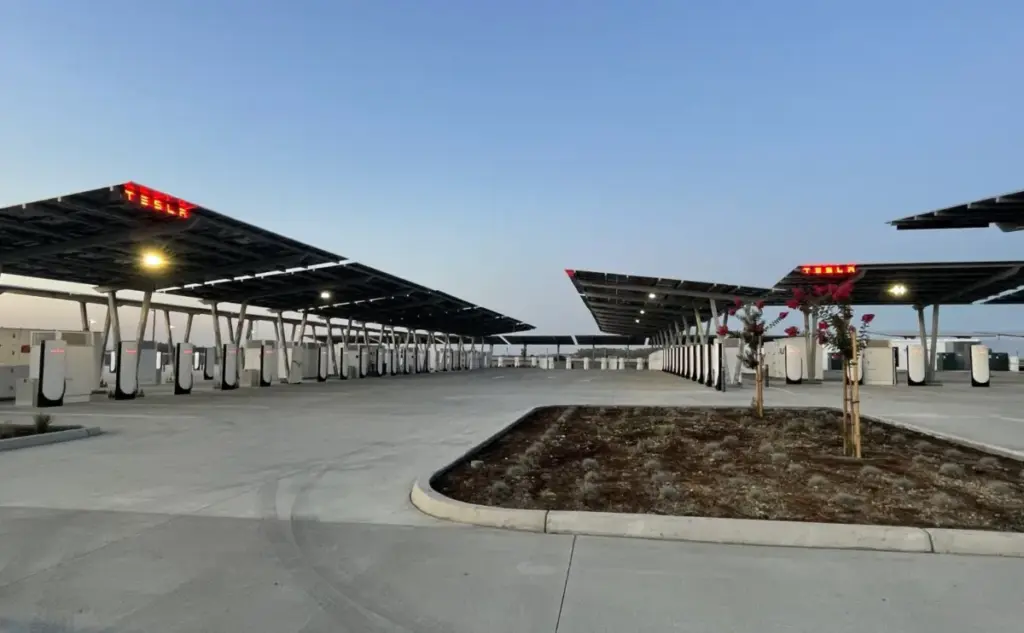
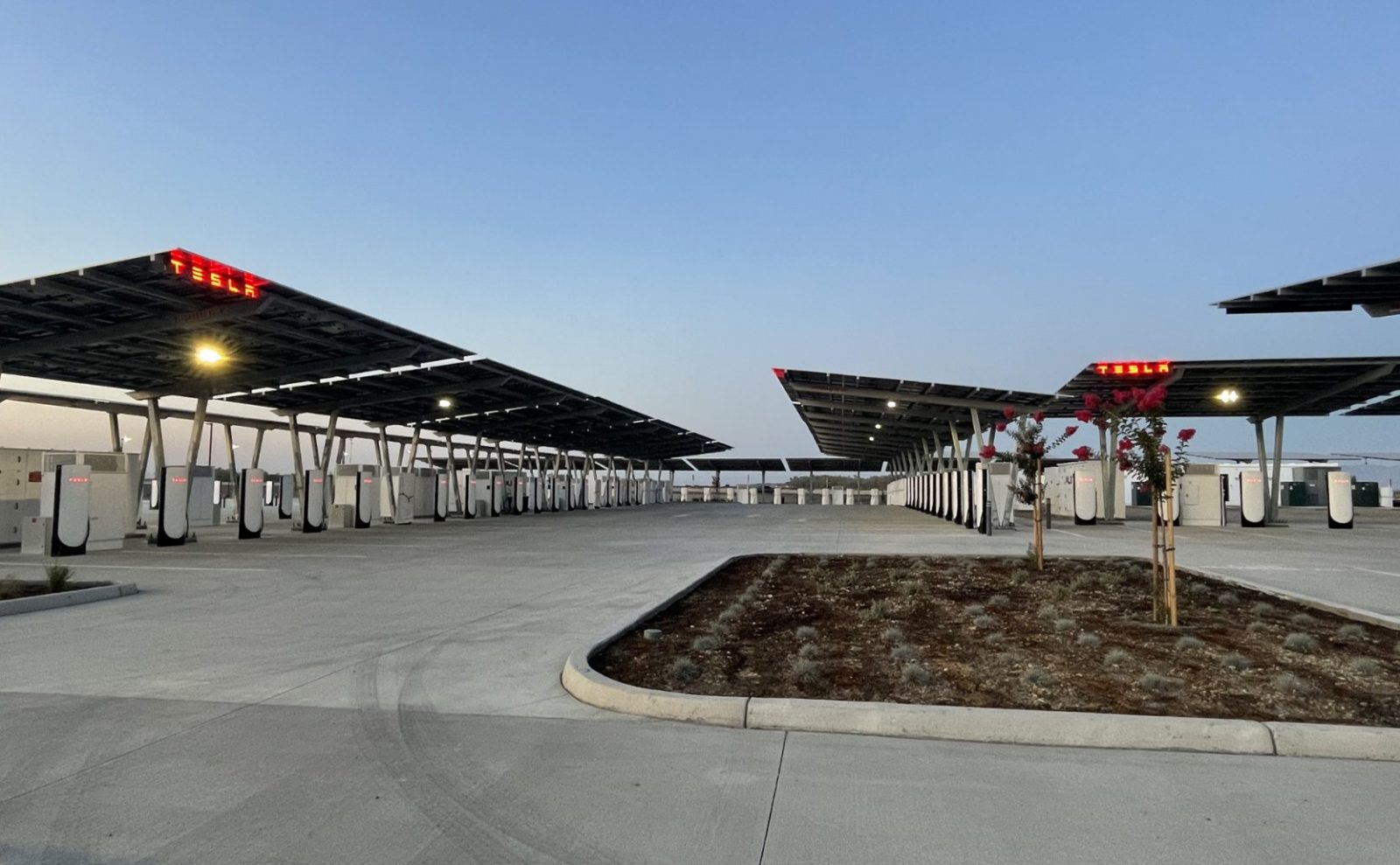
In a major push to eliminate the remaining infrastructural bottlenecks hindering widespread electric vehicle (EV) adoption, the State of California has officially opened its latest application window for at least $28 million in public EV fast-charging grants. Administered through the Fast Charge California Project—an initiative falling under the broader umbrella of the California Electric Vehicle Infrastructure Project (CALeVIP)—the program offers up to $100,000 per charging port.
Crucially, these funds can cover up to 100% of approved installation costs, radically lowering the financial barriers to entry for businesses, nonprofits, public agencies, and eligible California tribes. By shouldering the heavy financial lifting of planning, engineering, equipment procurement, and electrical upgrades, the state aims to rapidly densify its public charging network.
However, this iteration of the grant program introduces stringent operational and eligibility requirements. Designed to fast-track projects that are already shovel-ready, the program prioritizes speed and equity. Applications opened on October 7, and while the current application window remains open until January 14, 2027, the state has already signaled a subsequent application cycle running from February 24 through May 27, 2027.
Detailed Chronology: The Evolution of CALeVIP and the Current Grant Window
To understand the significance of this $28 million injection, it is necessary to examine the systematic evolution of California’s infrastructure strategy. Since its inception in 2017, CALeVIP has served as the state’s flagship statewide incentive program for EV charging deployment, backed by funding from the California Energy Commission’s (CEC) Clean Transportation Program and the state’s Greenhouse Gas Reduction Fund. Over the last several years, the program has continuously refined its criteria to target the most efficient pathways for getting chargers online.
Spring 2026: The Foundation of Ready-to-Build Success
The current funding round directly builds upon the momentum of a massive $56.9 million funding tranche awarded in the spring of 2026. That prior round successfully funded more than 1,266 ready-to-build DC fast-charging ports spanning all 58 California counties. Crucially, over 67% of those previously funded chargers were earmarked for or deployed within disadvantaged, low-income, and tribal communities, establishing a clear precedent for equity-driven infrastructure rollout.
October 7, 2026: Launch of the New Application Window
Opening its digital doors on October 7, the latest phase of the Fast Charge California Project shifts its focus strictly toward shovel-ready initiatives. Managed for the CEC by the Center for Sustainable Energy (CSE), the program eliminates speculative applications by demanding that participants already possess their final utility service designs—or official confirmation letters from local utilities stating that no new or upgraded service is required—alongside fully approved local permits.
Upcoming Milestones and Deadlines
- January 14, 2027: The current application window closes. Following this date, eligible applications will be evaluated and funded on a rolling, first-come, first-served basis, with strict prioritization given to qualifying projects located in disadvantaged, low-income, and tribal communities.
- February 24 – May 27, 2027: A subsequent application window is already scheduled to open, offering scaled incentives of up to $55,000 per port.
Supporting Context & Metrics: Incentives, Power Tiers, and Technical Requirements
The financial structure of the Fast Charge California Project is meticulously tiered based on output capacity, ensuring that higher-powered infrastructure receives commensurate support. Property owners and project developers must navigate a precise matrix of technical requirements to secure funding.
Financial Breakdown by Power Output
The size of the incentive depends directly on the kilowatt (kW) delivery capacity of each individual port:
- Mid-Tier Output (150 kW to <275 kW): Ports guaranteeing a continuous output within this range qualify for up to $55,000 per port.
- High-Power Output (275 kW and above): Ultra-fast chargers delivering at least 275 kW qualify for the maximum incentive of up to $100,000 per port.
While these grants can cover up to 100% of approved project costs—including the physical charging hardware, labor, engineering, and grid interconnection planning—they remain subject to the per-port caps. Consequently, exceedingly high-cost installations will still require supplementary capital from developers.
Shovel-Ready Mandates and Site Eligibility Changes
A critical takeaway for property owners is that the rules of engagement have tightened. CALeVIP’s updated guidelines explicitly state that certain location types—specifically standalone charging hubs, hotels, and general business districts—are no longer eligible site types for this round. Applicants must thoroughly vet their properties using resources like CALeVIP’s EV Charging Opportunity Finder, which maps existing charging density, localized EV registration trends, and demographic data.
Furthermore, technical compliance mandates that at least 50% of all connectors installed at any funded site must support the Combined Charging System (CCS) standard, ensuring interoperability across a vast majority of non-Tesla EVs on the road today.

Official Statements: Prioritizing Speed and Equity
State energy officials and program administrators emphasize that the criteria driving this funding round are rooted in years of empirical data regarding what makes or breaks public charging deployments.
Scott Shepard, CSE’s Senior Director of Transportation Programs, underscored the importance of the "ready-to-build" prerequisite during the program launch.
“We’ve learned through CALeVIP that the fastest way to get chargers in the ground is to fund projects that are truly ready to build,” Shepard stated. “When permitting and utility coordination are already underway, incentive dollars can turn into working chargers much faster.”
By removing the administrative lag times typically associated with early-stage zoning approvals and utility back-and-forth, the state is engineering a friction-free pipeline from grant approval to ribbon-cutting.
This operational efficiency is paired with a steadfast commitment to environmental justice. By prioritizing applications from disadvantaged and low-income populations—sectors historically underserved by early private-market EV infrastructure investments—California continues to ensure that the transition to electric mobility benefits all socio-economic strata equitably.
Future Outlook: The Road Ahead for California’s EV Ecosystem
The launch of this $28 million grant window arrives at a pivotal juncture for the transportation sector. As California marches aggressively toward its broader climate mandates—including targets to phase out the sale of new internal combustion engine passenger cars—the demand for reliable, ubiquitous ultra-fast public charging continues to outpace supply.

Programs like CALeVIP have already catalyzed massive growth, supporting over 10,200 charger installations since 2017. However, as vehicle architectures evolve to support higher charging speeds—evidenced by emerging heavy-duty and ultra-high-power systems, such as EVgo’s upcoming 750 kW charging architecture slated for 2027—the electrical grid and underlying real estate must adapt in tandem.
For commercial property owners, retail centers, and tribal entities looking to future-proof their assets, the Fast Charge California Project offers an unprecedented financial safety net. By covering up to the entirety of approved installation bills for high-capacity ports, the state is effectively subsidizing the commercial infrastructure backbone of tomorrow.
As the January 14, 2027 deadline approaches, competition for these funds is expected to be fierce. Stakeholders are strongly encouraged to review the comprehensive rules, verify site eligibility through the official CALeVIP web portal, and ensure all local permitting and utility coordination is finalized to secure their position in the state’s green energy transformation.



